
Long-blooming perennials provide color from early summer through fall without needing replanting. Top choices include coneflower (Echinacea), black-eyed Susan (Rudbeckia), daylilies (Hemerocallis), lavender, salvia, coreopsis, yarrow, and Russian sage. Most thrive in full sun (6-8 hours) with well-draining soil. Deadheading spent flowers encourages reblooming. Water deeply once a week and fertilize in spring. These perennials come back year after year, making them a great investment for any garden. Plant them in groups for the best visual impact.
What you will need
Choose the Best Long-Blooming Perennials
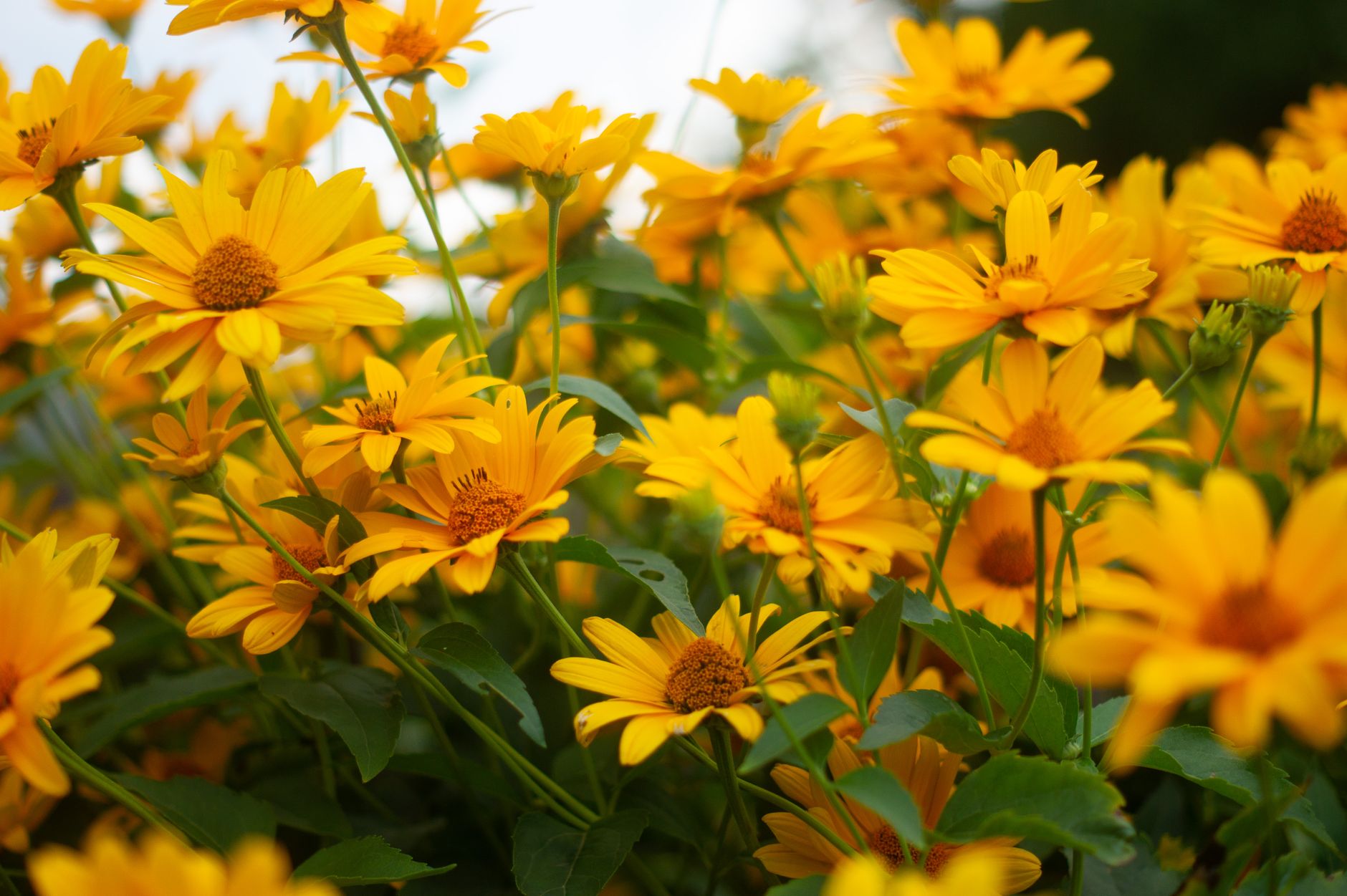
Coneflower (Echinacea): Blooms June-September. Pink, purple, white, or orange flowers. Attracts pollinators. Drought-tolerant. Full sun.
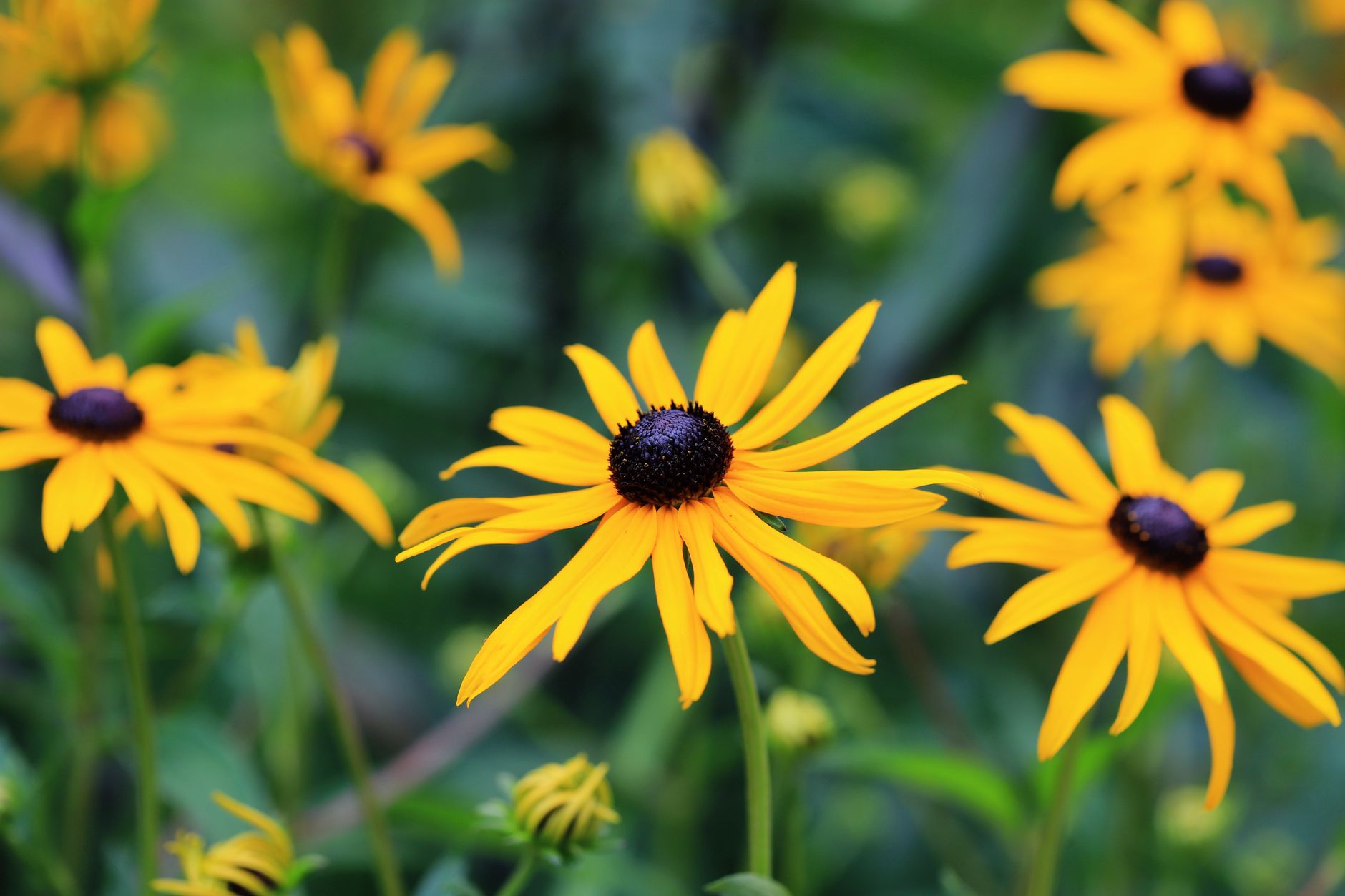
Black-eyed Susan (Rudbeckia): Blooms July-September. Golden yellow with dark centers. Very hardy. Full sun.
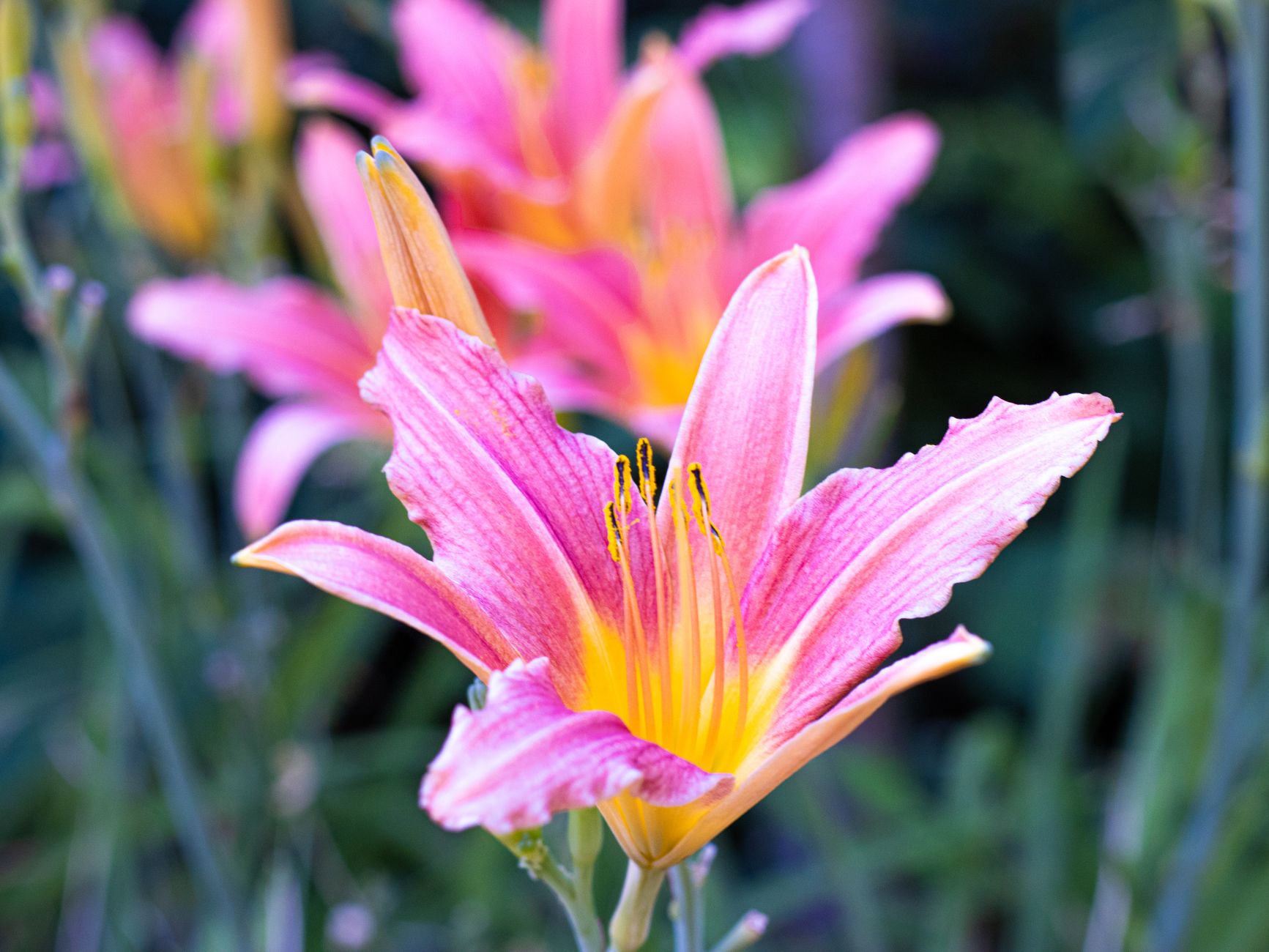
Daylily (Hemerocallis): Blooms June-August (some rebloom). Wide range of colors. Each flower lasts a day but blooms continuously. Sun to part shade.
Lavender: Blooms June-August. Fragrant purple flowers. Attracts bees and butterflies. Drought-tolerant. Full sun.
Salvia (Sage): Blooms June-September. Blue, purple, pink, or red spikes. Attracts pollinators. Full sun.
Coreopsis: Blooms June-September. Bright yellow, gold, or orange daisy-like flowers. Drought-tolerant. Full sun.
Yarrow (Achillea): Blooms June-September. Flat clusters of yellow, pink, red, or white flowers. Drought-tolerant. Full sun.
Russian Sage: Blooms July-September. Airy lavender-blue flowers. Very drought-tolerant. Full sun.
Blanket Flower (Gaillardia): Blooms June-September. Red and yellow daisy-like flowers. Drought-tolerant. Full sun.
Select the Right Location
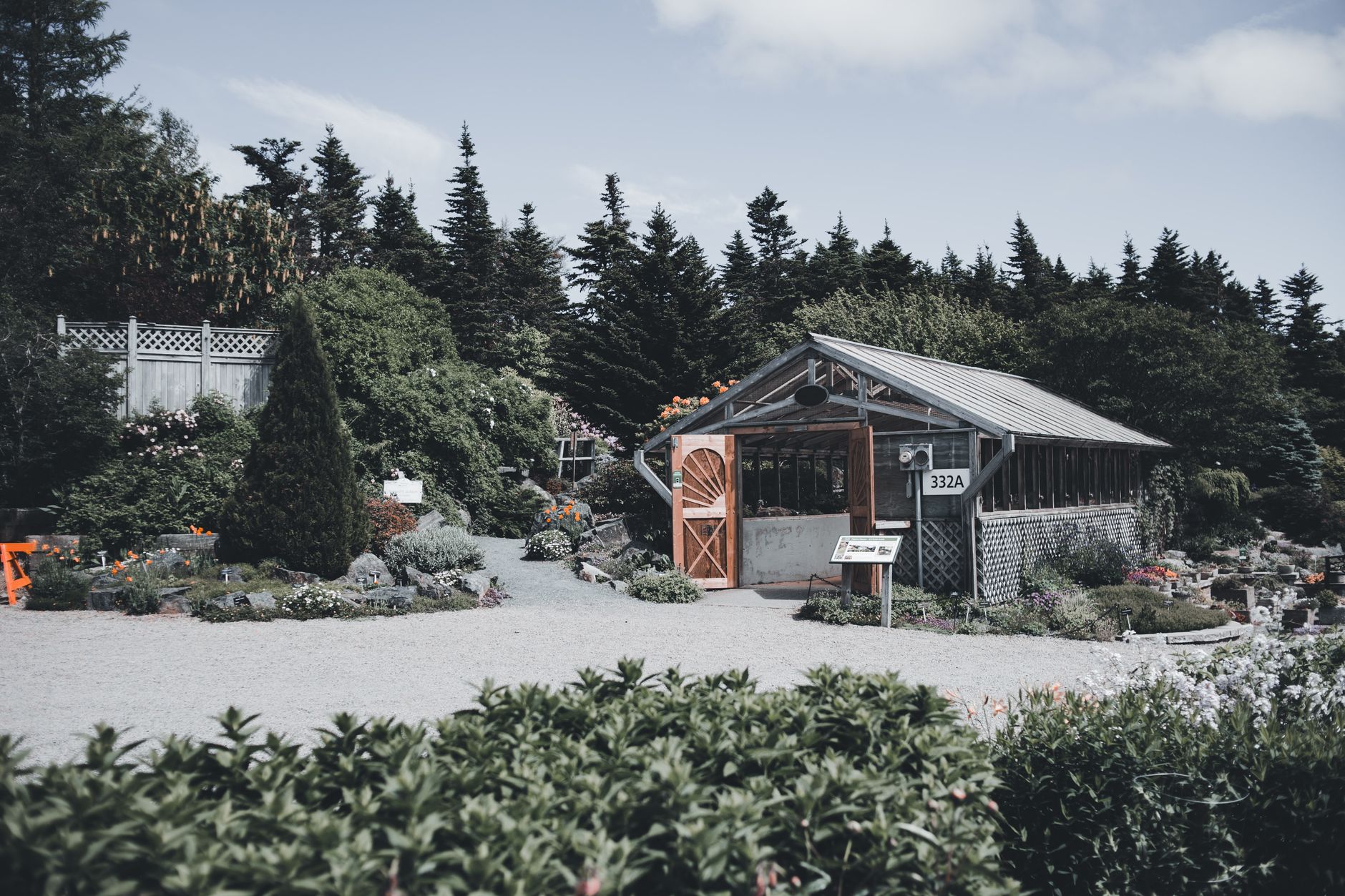
Sunlight: Most long-blooming perennials need 6-8 hours of direct sunlight daily.
Soil: Well-draining, fertile soil. Add compost to improve drainage.
Drainage: Good drainage is essential—perennials don't like wet feet.
Space: Plant in groups of 3-5 for the best visual impact.
Viewing: Place them where you can enjoy them—near a patio, walkway, or window.
Prepare the Soil
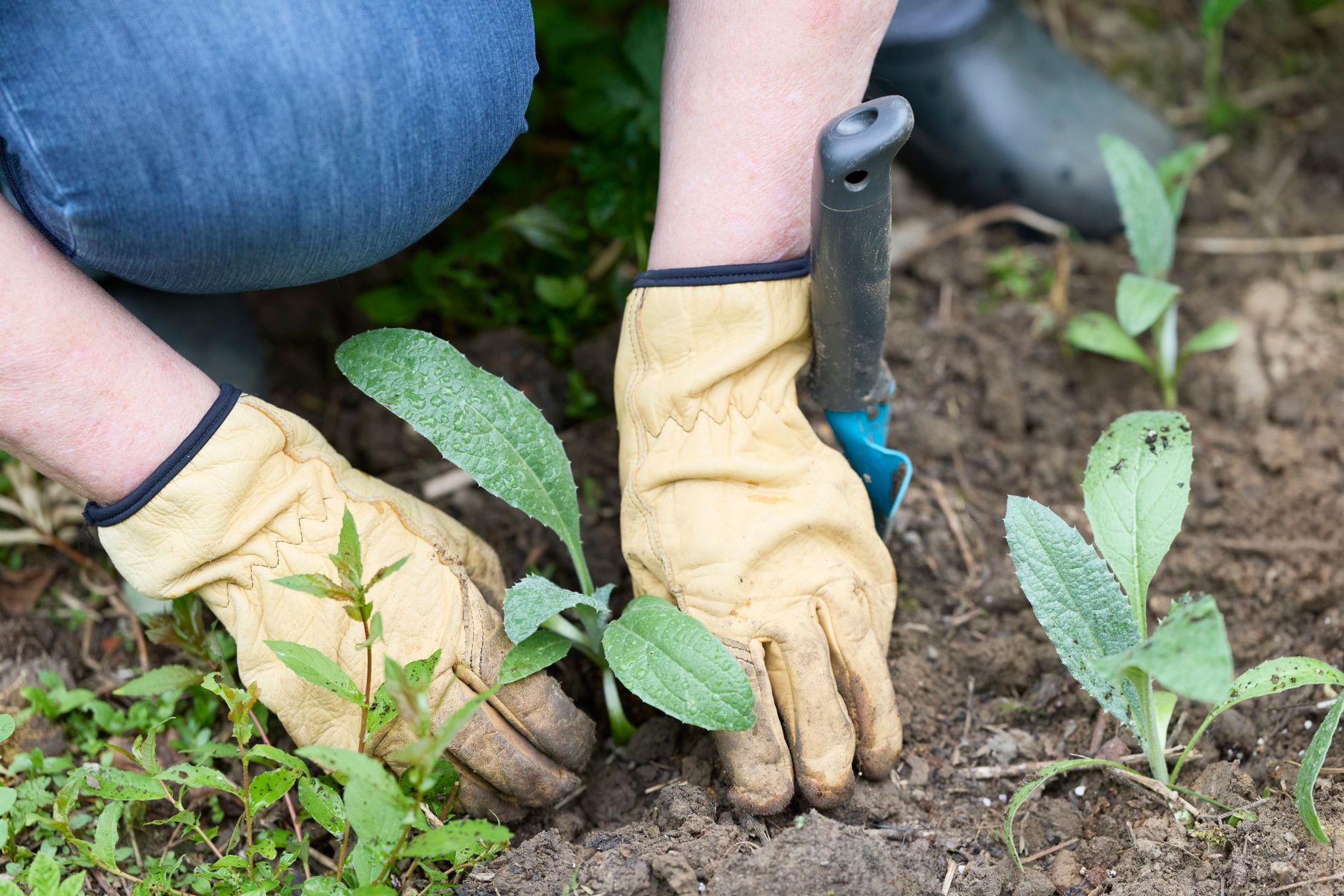
Remove weeds: Clear the area of all weeds and grass.
Loosen soil: Work the soil to a depth of 8-12 inches.
Add compost: Add 2-3 inches of compost or aged manure and mix it in.
Test pH: Most perennials prefer pH 6.0-7.0.
Fertilize: Apply a balanced fertilizer before planting.
Plant for Succession Bloom
Early summer (June): Peonies, irises, poppies, and early daylilies.
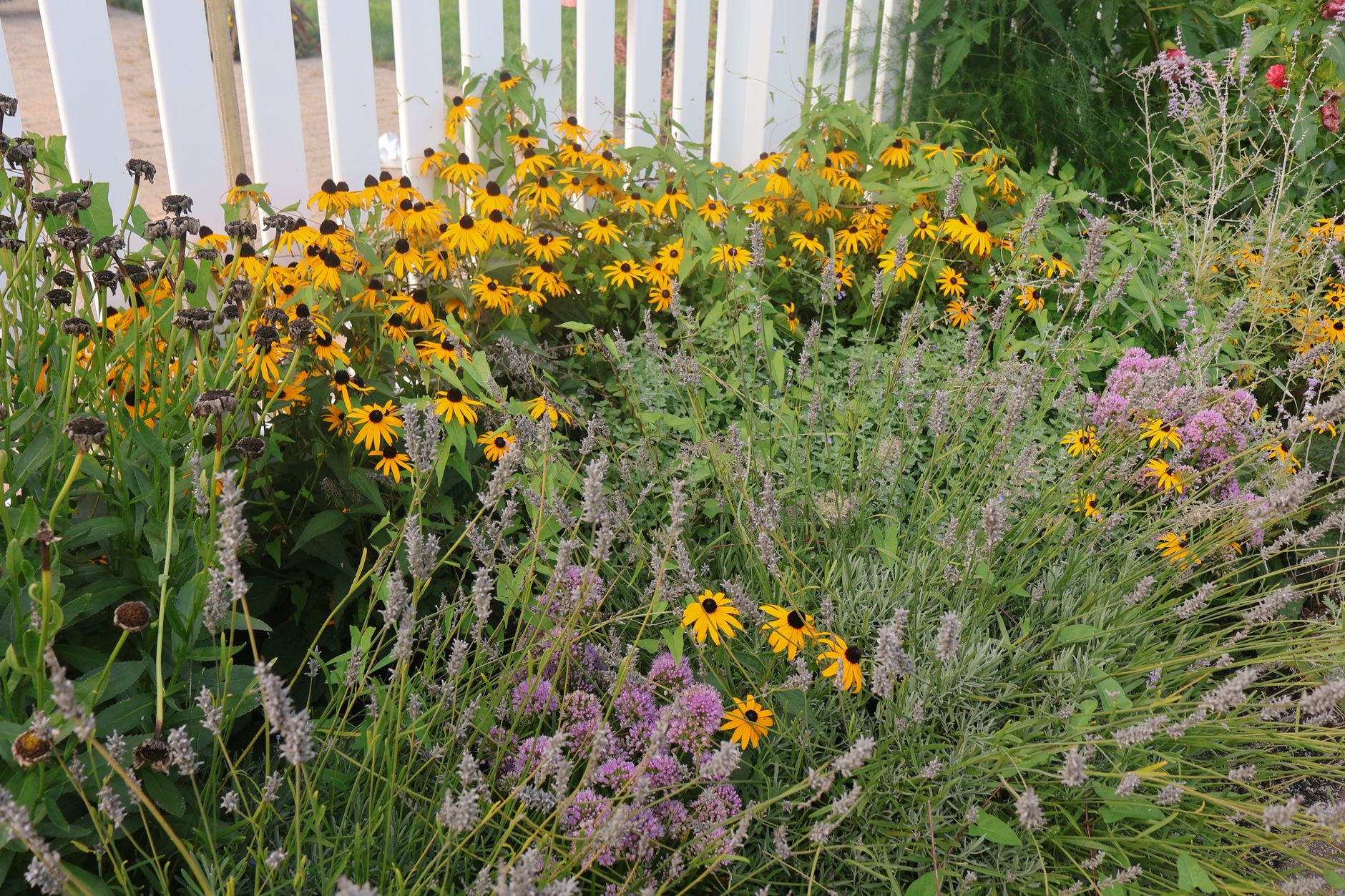
Mid-summer (July): Coneflowers, black-eyed Susans, daylilies, lavender, and coreopsis.
Late summer (August-September): Russian sage, sedum, asters, and ornamental grasses.
Continuous bloom: Deadheading spent flowers encourages reblooming.
Garden design: Plant in drifts of 3-5 plants for a natural look.
Water and Mulch
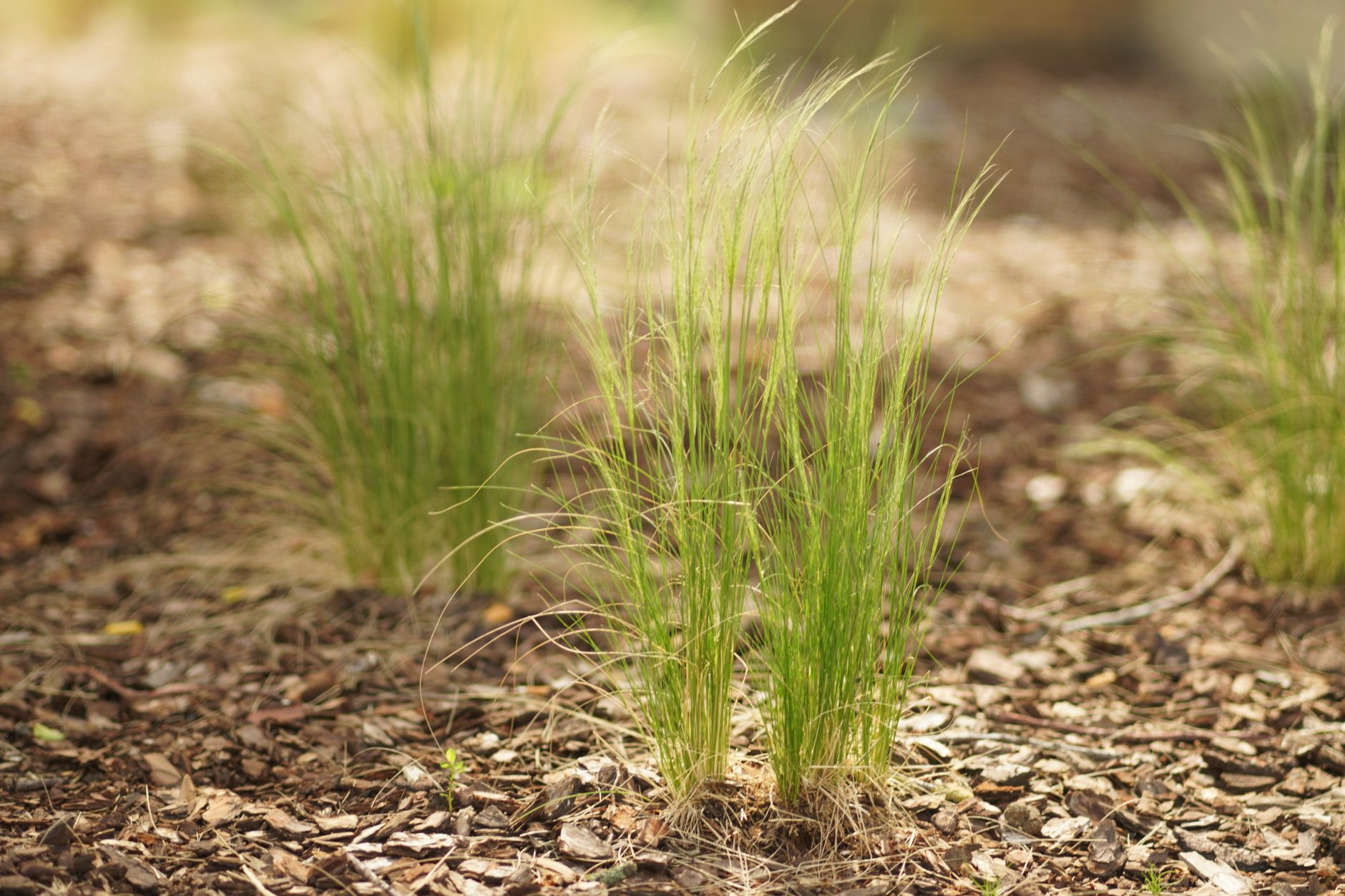
Water: Water deeply once a week (1 inch per week) during dry spells.
Mulch: Apply 2-3 inches of mulch (wood chips, straw, or compost).
Why mulch: Mulch retains moisture, suppresses weeds, and moderates soil temperature.
Avoid: Keep mulch away from plant stems to prevent rot.
Deadhead for More Blooms
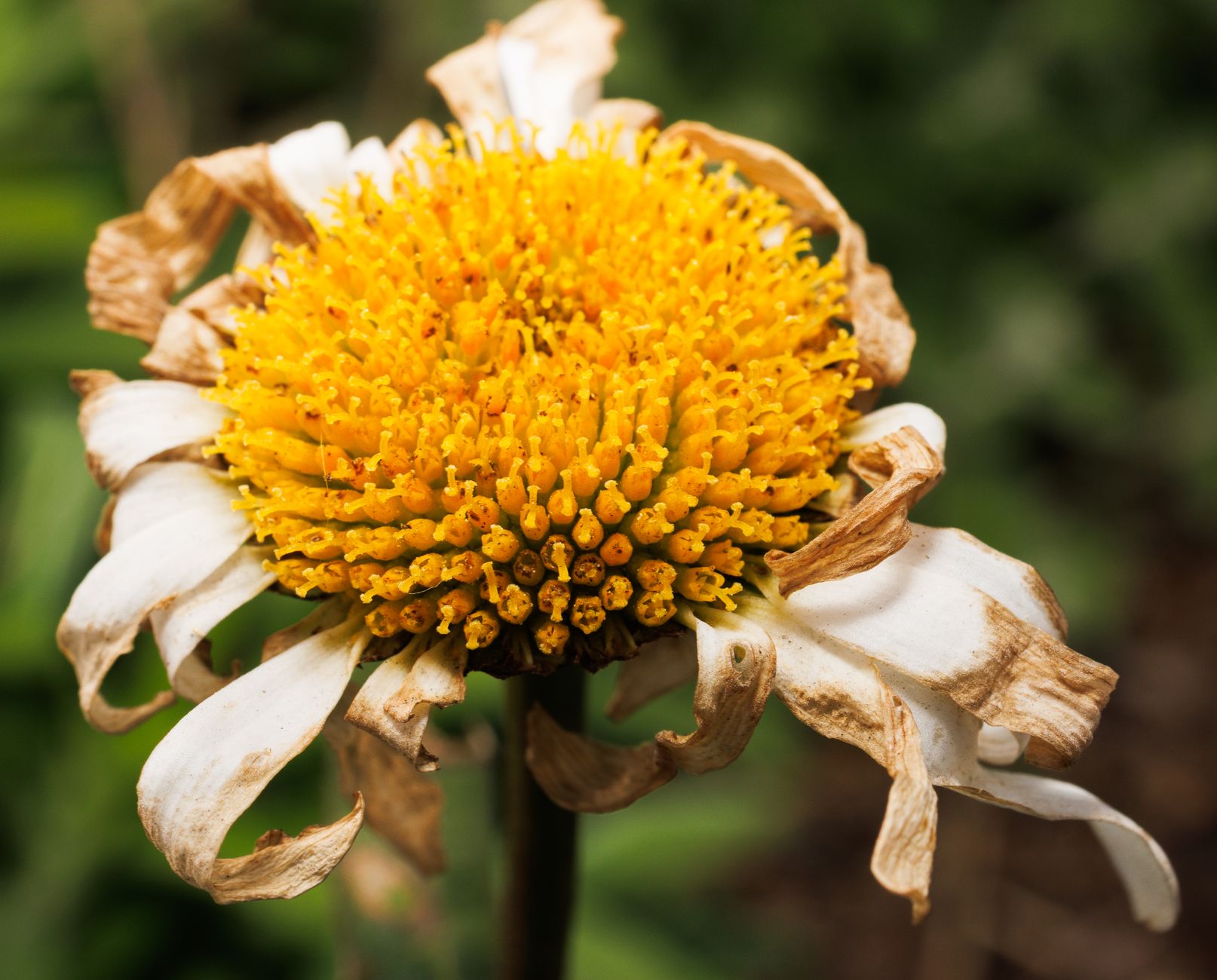
Why deadhead: Removing spent flowers redirects energy into producing more blooms.
How to deadhead: Cut spent flower stems back to the nearest leaf or side shoot.
Which plants: Coneflowers, black-eyed Susans, coreopsis, yarrow, and salvia benefit from deadheading.
Frequency: Deadhead weekly during the blooming season.
Fertilize for Continuous Blooms
When to fertilize: Apply in early spring and again in mid-summer (June-July).
What to use: Use a balanced fertilizer (10-10-10) or a flower-specific fertilizer (5-10-5).
How much: Apply 1/4 to 1/2 cup per plant. Sprinkle around the base and water in.
Organic options: Compost, aged manure, or fish emulsion are excellent alternatives.
Troubleshoot Common Issues
Poor blooming: Too much shade, too much nitrogen, or overcrowding.
Leggy growth: Not enough sun or too much fertilizer.
Powdery mildew: Poor air circulation. Prune to improve airflow.
Japanese beetles: Hand-pick or use insecticidal soap.
Aphids: Spray with insecticidal soap or neem oil.
Common problems and fixes
| Problem | Likely cause | What to do |
|---|---|---|
| Plants not blooming | Too much shade, too much nitrogen, or overcrowding. | Move to a sunnier spot, reduce nitrogen, and divide overcrowded plants. |
| Leggy growth | Not enough sun or too much fertilizer. | Move to full sun and reduce fertilizer. |
| Powdery mildew | Poor air circulation. | Prune to improve airflow and apply fungicide if needed. |
| Pests (aphids, beetles) | Pests attracted to stressed plants. | Spray with insecticidal soap or neem oil. |
Gardener's checklist
Test what you learned
Which perennial blooms from June to September?
Answer: Coneflower
How much sun do long-blooming perennials need?
Answer: 6-8 hours
What is deadheading?
Answer: Removing spent flowers
How often should you water perennials?
Answer: Deeply once a week
Which plant is a long-blooming perennial?
Answer: Black-eyed Susan
Common questions
What perennials bloom the longest?
Coneflower (Echinacea), black-eyed Susan (Rudbeckia), coreopsis, yarrow, and blanket flower (Gaillardia) are among the longest-blooming perennials, flowering from June to September.
How do I keep perennials blooming all summer?
Deadhead spent flowers weekly, fertilize in spring and mid-summer, water deeply once a week, and choose varieties with long bloom times.
Do perennials come back every year?
Yes, perennials come back year after year. They die back in winter and re-emerge in spring.
How often should I divide perennials?
Divide perennials every 3-4 years to rejuvenate the plants and prevent overcrowding.
Can I grow long-blooming perennials in shade?
Most long-blooming perennials need full sun. For shade, choose shade-tolerant perennials like hostas, ferns, and astilbes.
Long-blooming perennials provide continuous color from early summer through fall. Choose varieties like coneflower, black-eyed Susan, daylily, lavender, and coreopsis for the longest bloom times. Plant in full sun with well-draining soil, water deeply once a week, and deadhead spent flowers to encourage reblooming. With proper care, these perennials will reward you with stunning color year after year.
Frequently asked questions
How often should a vegetable garden be watered?
Frequency depends on weather, soil and plant size. Check the soil rather than watering on a rigid schedule.
Is compost enough fertilizer?
Compost improves soil and provides nutrients slowly. Heavy-feeding crops may still need additional feeding.

The Sproutstead Editorial Team
We create clear, practical gardening and homesteading guides designed for real homes and beginner growers.
View author profile →

