
Fill a raised garden bed with a base layer of coarse organic material (logs, branches, or cardboard) for deeper beds, topped with roughly 60% quality topsoil, 30% compost, and 10% aeration material like perlite. This layering approach, sometimes called hugelkultur when using woody material at the base, reduces cost while building good long-term soil structure. Calculate volume needed by multiplying length x width x depth in feet, and expect 10-15% settling after filling.
What you will need
Calculate How Much Material You Need
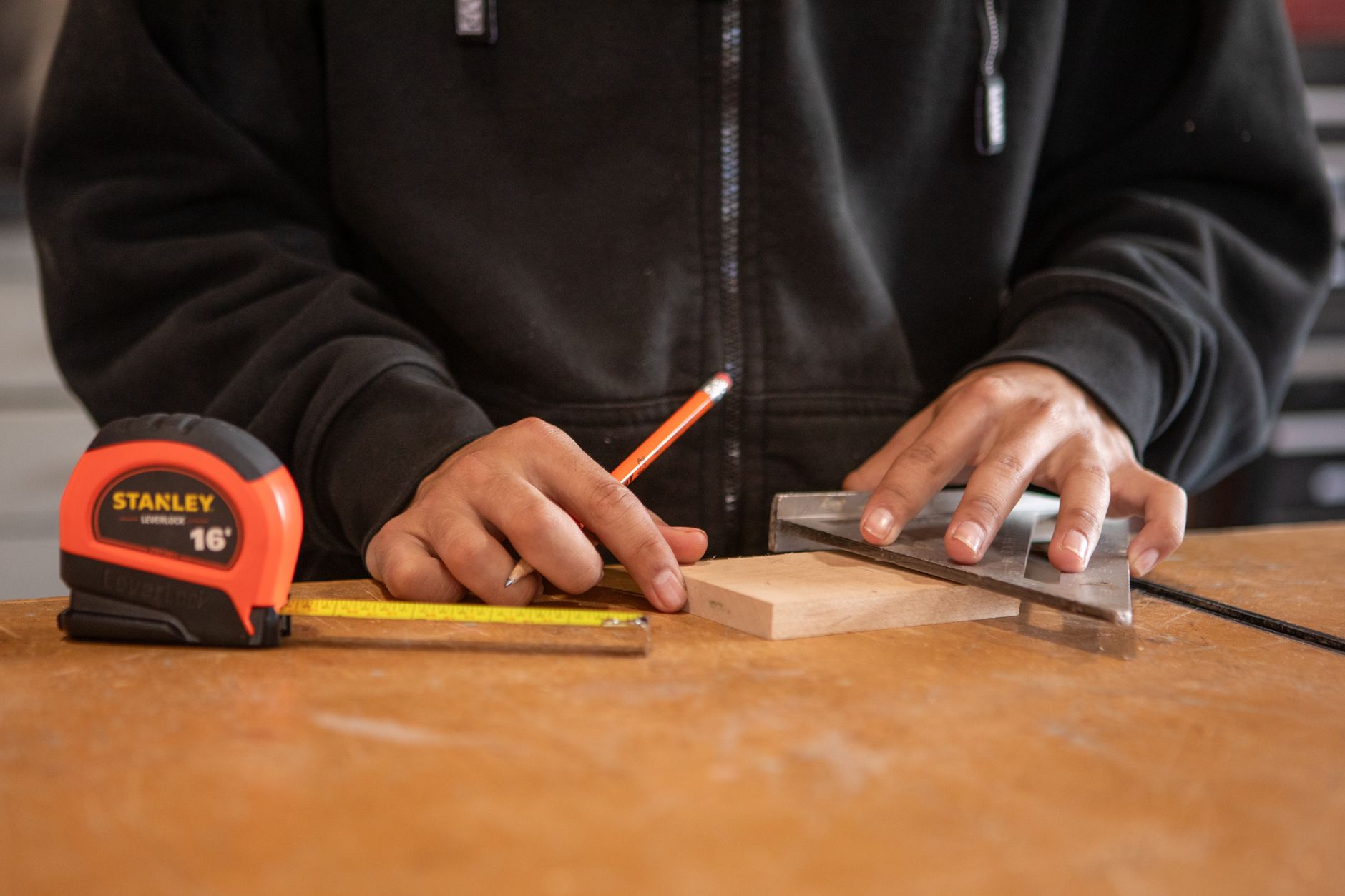
Measure your bed's length, width, and depth in feet, then multiply the three numbers together to get the total volume in cubic feet; for example, a 4x8x1.5 foot bed needs 48 cubic feet of fill material.
Most bagged soil and compost is sold in cubic feet (commonly 1-2 cubic foot bags) or cubic yards for bulk delivery (1 cubic yard equals 27 cubic feet), so convert your total accordingly when ordering to avoid confusion at checkout.
Plan to fill slightly above the rim, roughly 10-15% extra, since soil naturally settles and compacts over the following weeks and months after filling as organic matter breaks down and watering compresses loose material.
For a rough budget-friendly estimate, many gardeners find that using the hugelkultur base-layer technique (covered in the next step) can reduce the amount of purchased topsoil and compost needed by 20-30% in deeper beds, since the woody base material effectively fills volume that would otherwise require purchased soil.
For multiple beds or a larger garden, calculate the total combined volume needed before ordering bulk material, since delivery minimums often make a single larger order more cost-effective than several smaller ones spread across different purchase dates.
Add a Base Layer for Deep Beds
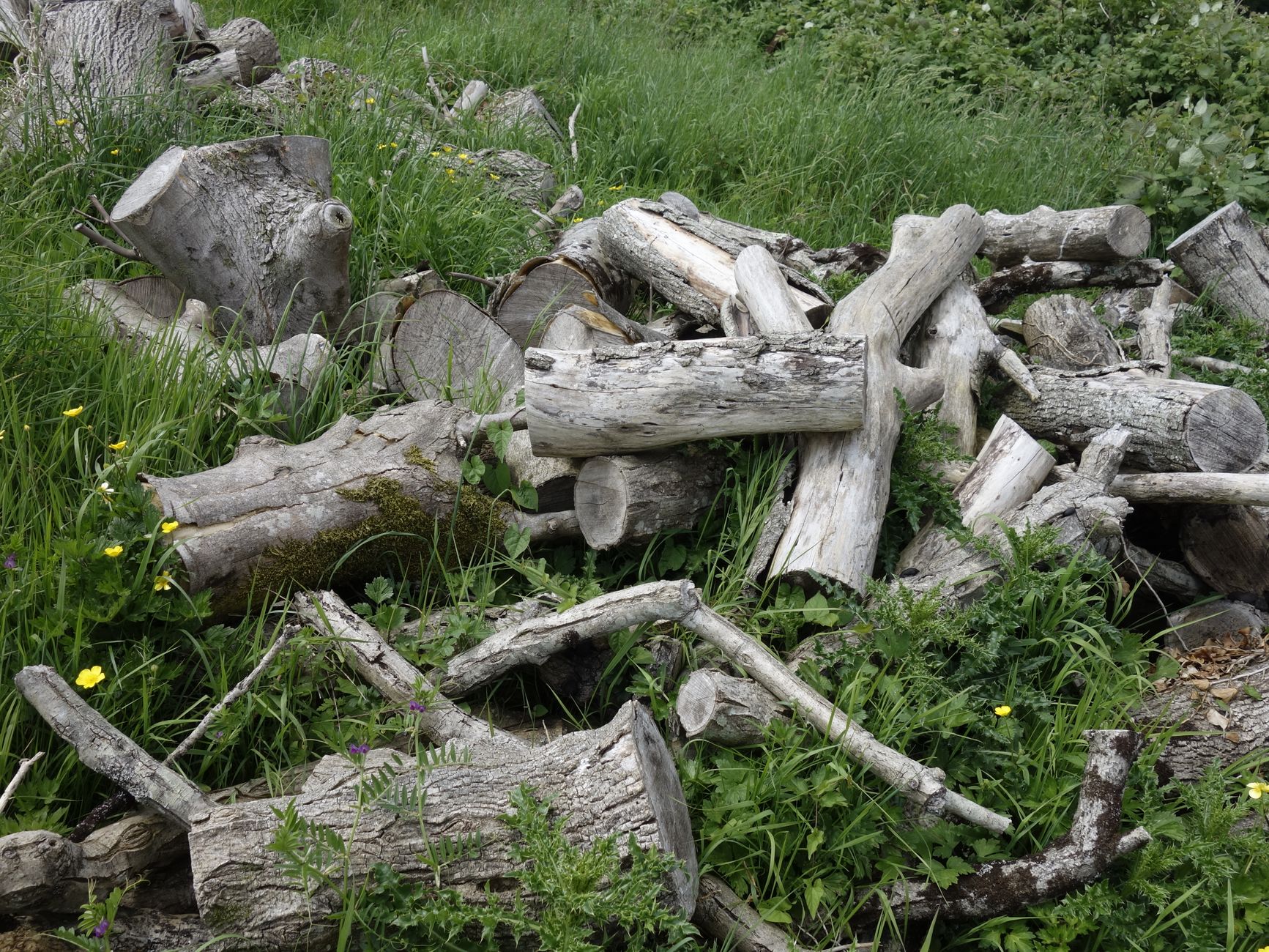
For beds 18 inches or deeper, consider filling the bottom third with logs, branches, twigs, or other coarse woody material, a traditional technique called hugelkultur that originated in European permaculture practices.
As this woody material slowly decomposes over several years, it improves soil structure, retains moisture like a sponge, and gradually releases nutrients, essentially building a long-term fertility reservoir at the base of the bed that continues benefiting the garden for years.
For shallower beds (12 inches or less), skip this step and fill with soil mix directly, since there's not enough depth to accommodate a meaningful base layer while still leaving adequate root room above it for most vegetables.
If you don't have access to logs or branches, other coarse organic material like straw bales, fallen leaves, or even upside-down sod clumps can serve a similar space-filling, moisture-retaining purpose without needing to source wood specifically.
Choose hardwood over softwood for the base layer where possible, since hardwood decomposes more slowly and provides a longer-lasting structural and moisture benefit compared to faster-breaking-down softwoods like pine.
Consider a Cardboard Layer for Weed Suppression
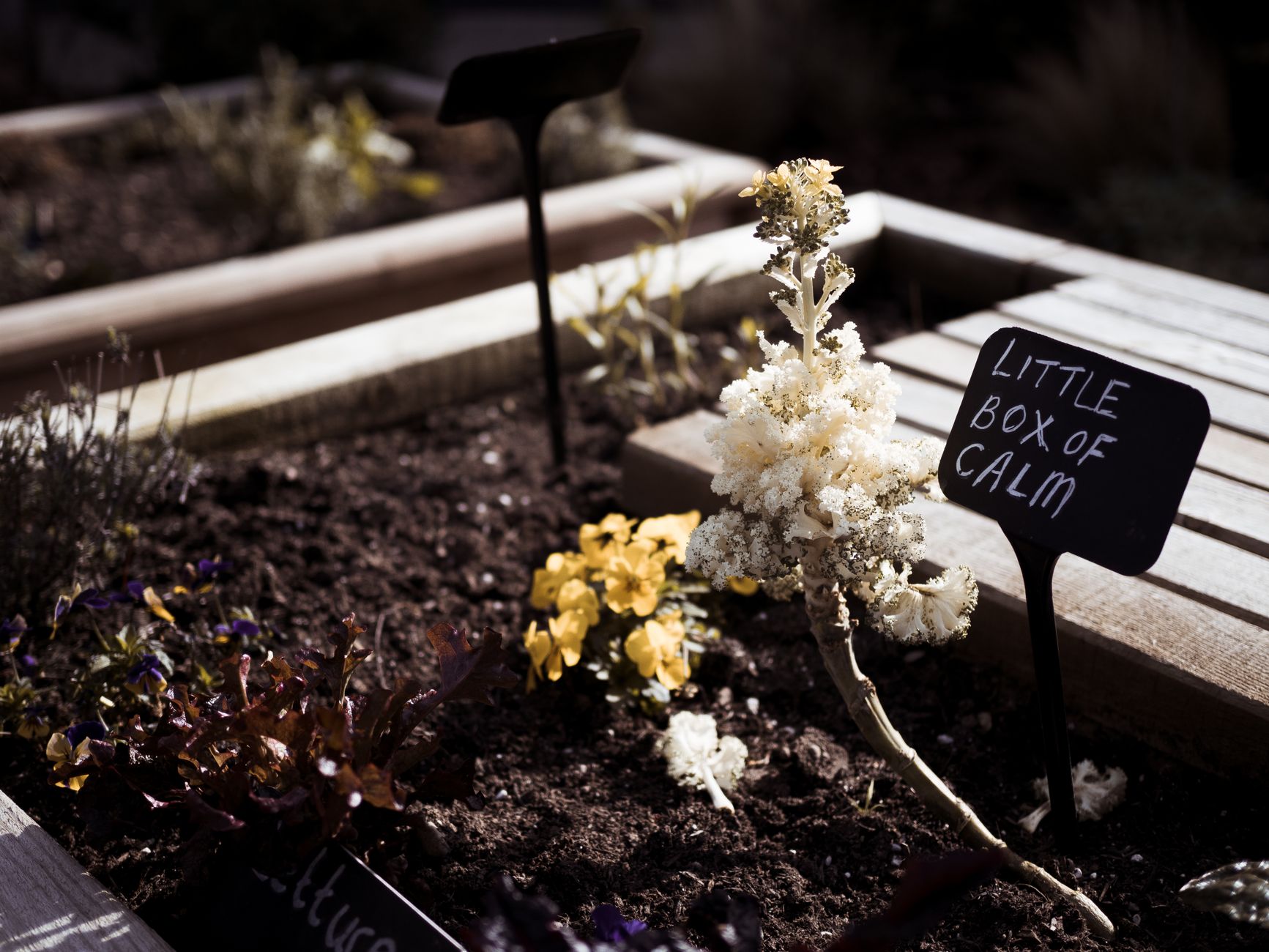
If your raised bed sits directly on grass or weedy ground, laying plain, unwaxed cardboard at the very base before adding other fill material helps smother existing vegetation without the labor of digging up sod first.
Overlap cardboard sheets generously to eliminate gaps where grass or weeds could push through, and wet the cardboard thoroughly to help it settle and begin breaking down faster once the bed is filled.
This layer will decompose naturally over the following months, so it doesn't interfere with root growth once plants are established, but it provides crucial early weed suppression during the vulnerable establishment period.
Skip this step if your bed sits on a hard surface like a patio or gravel, where weed suppression from below isn't a concern, or if you've already removed existing sod thoroughly before placing the bed.
Avoid using glossy, printed, or heavily waxed cardboard, since these coatings can slow decomposition and potentially introduce unwanted materials into your growing soil over time.
Layer in Quality Soil and Compost
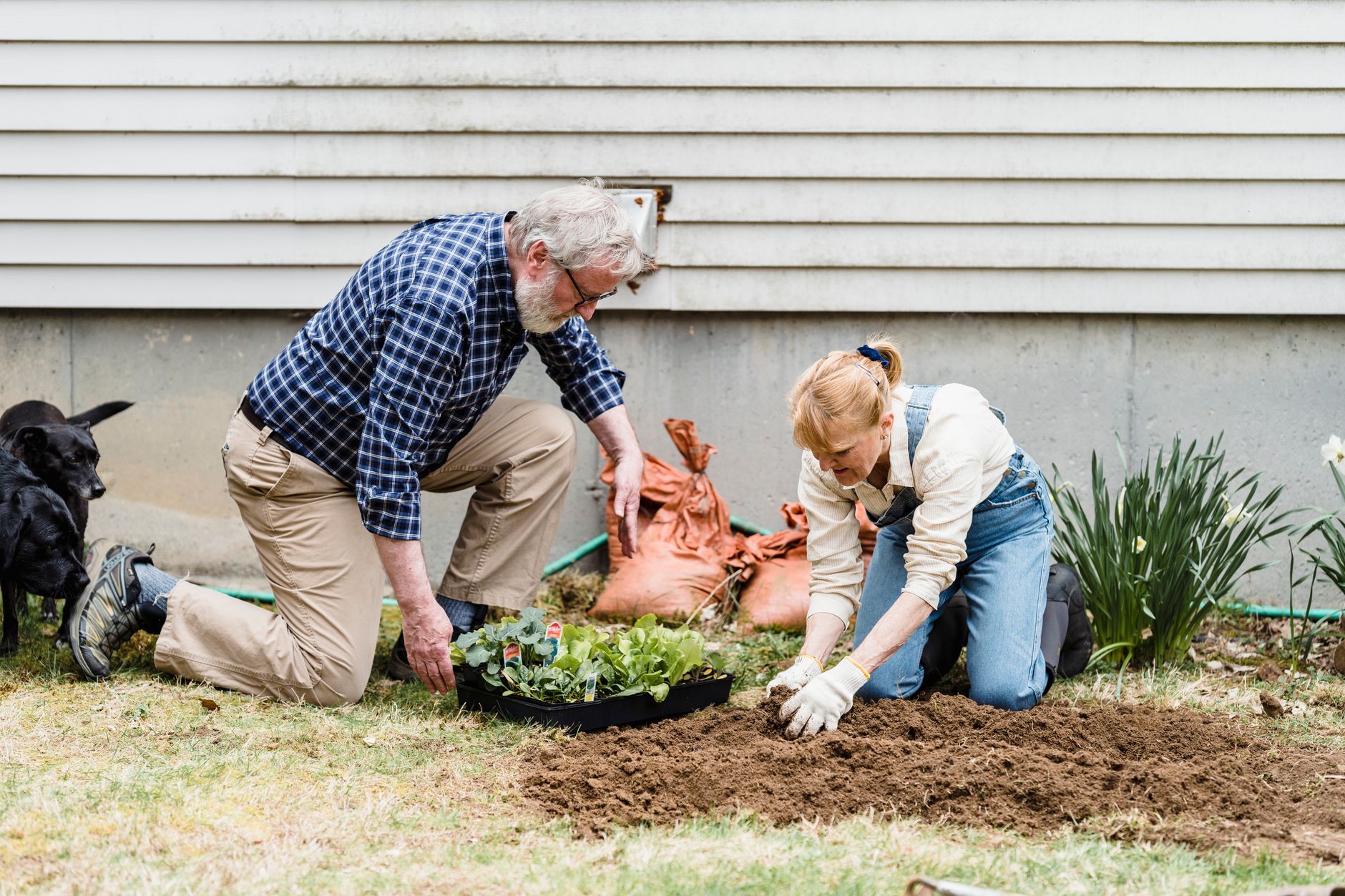
Fill the remaining space with a blend of roughly 60% quality topsoil, 30% compost, and 10% aeration material like perlite, vermiculite, or coarse sand.
This ratio provides good fertility from the compost, structural bulk from the topsoil, and drainage and root-friendly aeration from the perlite or sand, striking a balance that suits the widest range of common vegetables.
Mix these components together as you fill rather than layering them in distinct strata, since blended soil provides more even conditions for developing roots than sharply divided layers that roots must transition awkwardly between.
Avoid filling entirely with compost alone, which despite being nutrient-rich, can be too rich and unstable in structure for reliable long-term plant growth without the bulking effect of topsoil to provide physical stability.
If sourcing bulk topsoil, ask specifically about its origin and any contaminant testing, since quality can vary considerably between suppliers, and a reputable source matters more for food-growing beds than for purely ornamental applications.
Water Thoroughly and Let Settle
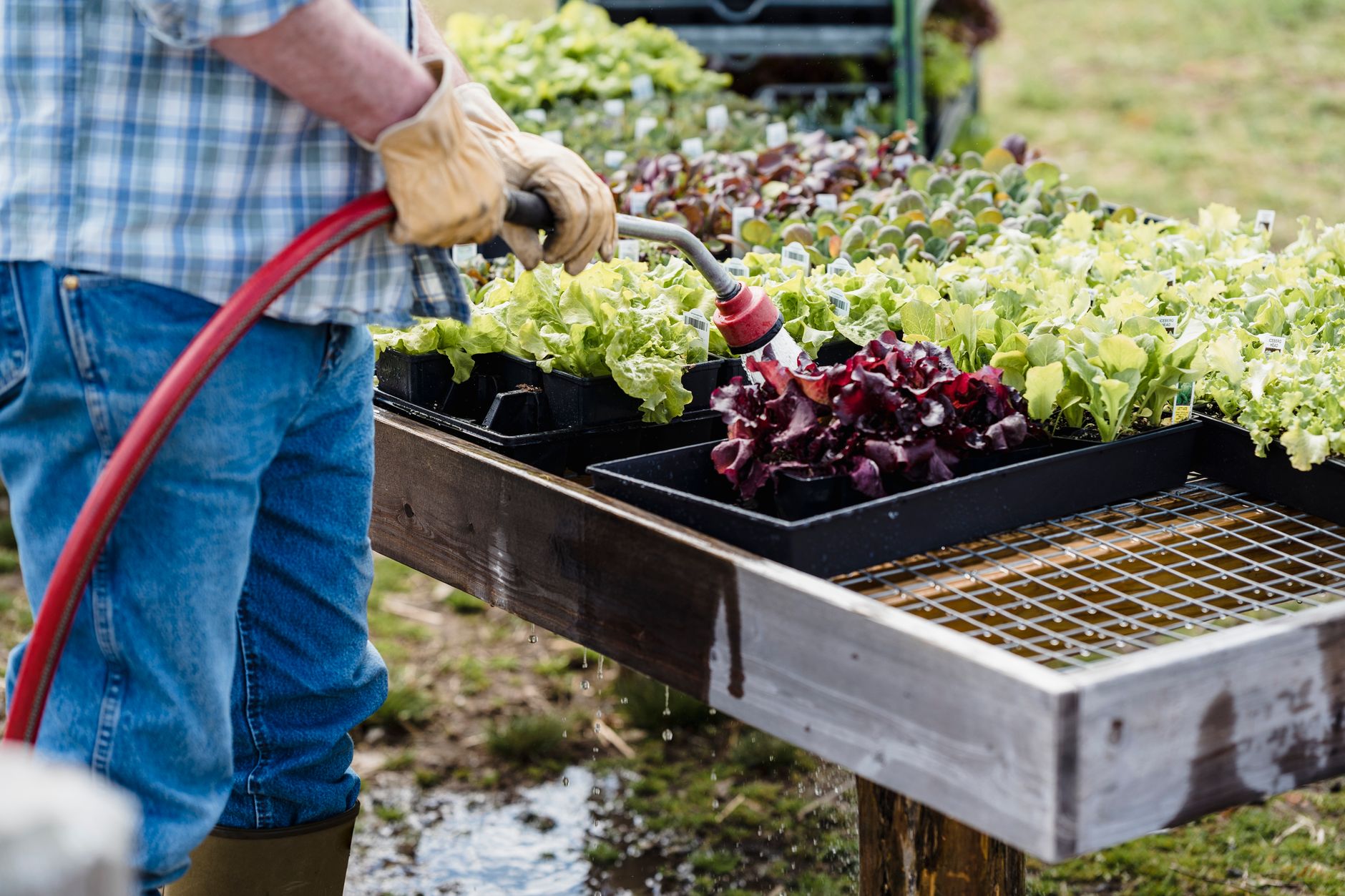
Water the newly filled bed thoroughly and deeply, which helps settle the soil and reveals any air pockets or uneven areas that need additional material to fill in properly.
Let the bed sit for a few days if possible before planting, checking soil level again after settling and topping off with additional mix if it's dropped significantly from your initial fill level.
This settling period also gives you a chance to see how the bed drains, confirming there are no problem areas where water pools rather than moving through the soil profile at a reasonable rate.
If you used the hugelkultur base-layer technique, expect somewhat more settling over the following weeks as the woody material below begins compressing slightly under the soil's weight and initial moisture exposure.
If you're eager to plant immediately rather than waiting for full settling, that's generally fine for most crops; just plan to top off the bed with a bit more soil around the base of transplants after the first week or two if noticeable settling occurs.
Maintain Soil Levels Over Time
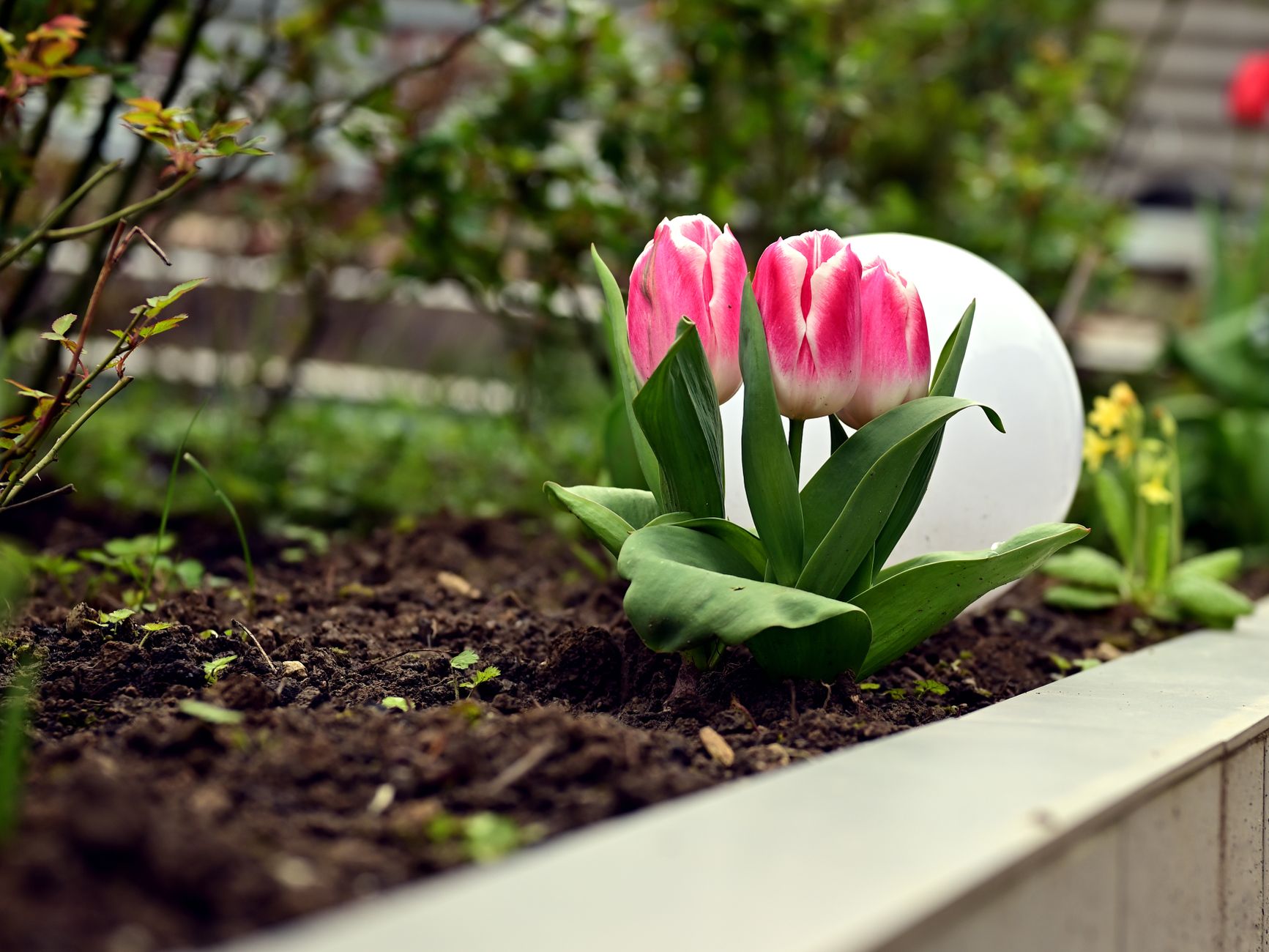
Soil naturally settles and compacts over each growing season as organic matter breaks down and the weight of watering compresses the material, so expect to top off beds by an inch or two annually.
Add fresh compost each spring before planting, which replenishes nutrients drawn out by the previous season's crops and helps maintain the bed's fertility over many years of continuous use.
If you used a hugelkultur base layer, soil levels may drop more noticeably in the first 2-3 years as the woody material decomposes and compresses, stabilizing once that process slows down considerably.
Consider adding a fresh layer of compost or aged manure every 1-2 years even beyond simple top-offs, to sustain the fertility that ongoing vegetable production draws down season after season.
Keep a simple record of how much material you add each year, which helps you anticipate future needs and budget accordingly for soil maintenance as part of your regular gardening routine.
Adapt Your Approach for Multiple Beds or a Full Garden
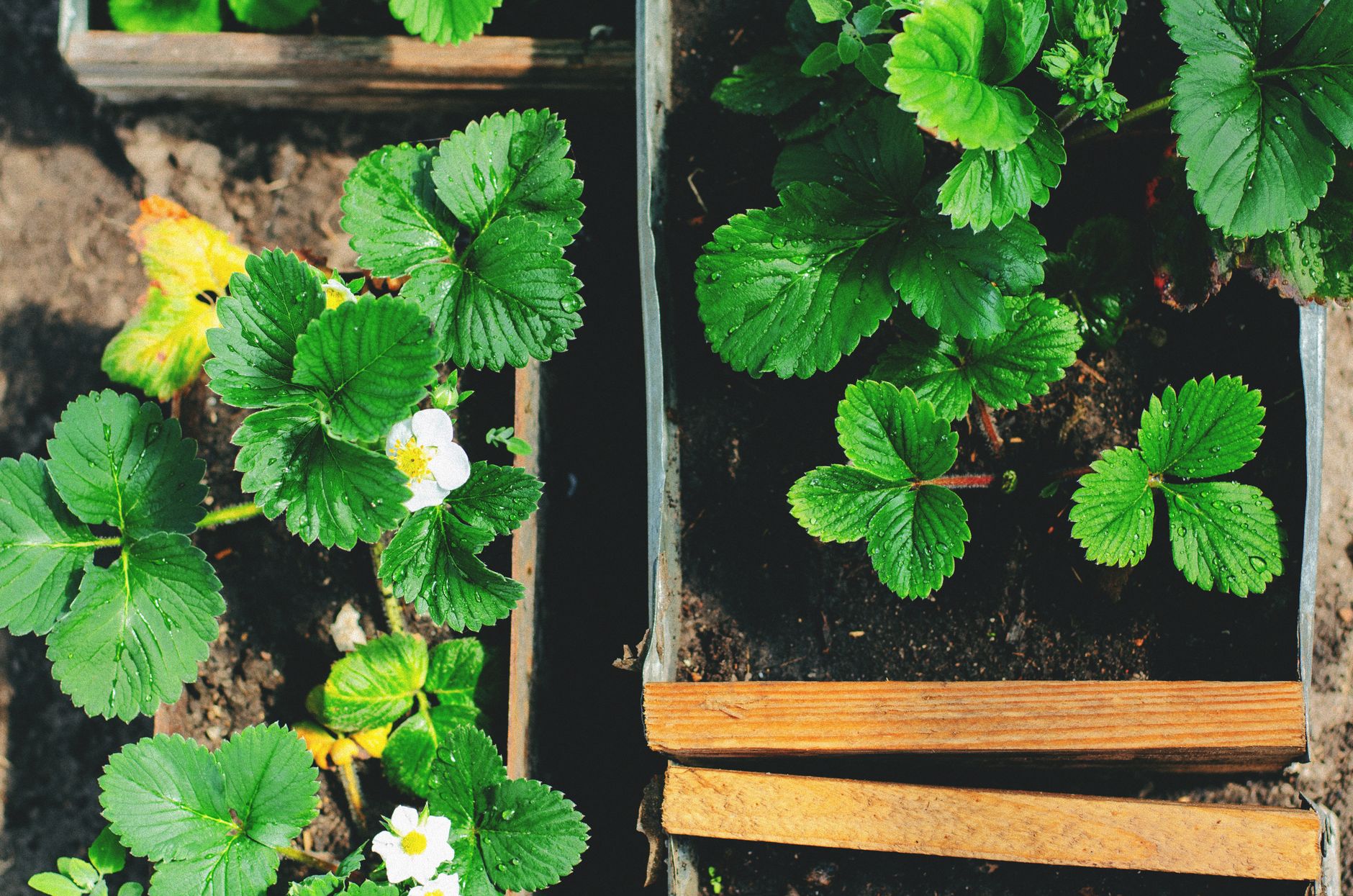
For a garden with multiple raised beds, calculate the combined total volume across all beds before ordering material, since bulk delivery becomes significantly more cost-effective at larger quantities and single delivery trips.
Fill beds in the same session if possible using a consistent soil ratio, which simplifies future maintenance since all beds will settle and need topping off on roughly similar timelines.
Consider varying the base layer approach by bed depth if your garden includes both shallow and deep beds, using the hugelkultur technique only where depth allows while filling shallower beds directly with the standard soil blend.
Label or map which beds received which specific soil amendments if you're experimenting with variations, which helps you track what works best in your particular garden over multiple seasons of observation.
Common problems and fixes
| Problem | Likely cause | What to do |
|---|---|---|
| Soil level drops significantly within the first few weeks | Normal settling, especially pronounced if a hugelkultur base layer was used. | Top off with additional soil mix once settling stabilizes, and expect some ongoing settling over the first year or two. |
| Water pools on the surface instead of draining through | Insufficient aeration material in the soil mix, or overly compacted filling. | Work in additional perlite or coarse sand to improve drainage, and avoid heavily compacting soil while filling. |
| Grass or weeds still push up through the new bed | Gaps in the cardboard barrier layer, or persistent weeds that can penetrate cardboard over time. | Overlap cardboard sheets more generously in future beds, and hand-pull any weeds that do emerge before they establish deep roots. |
Gardener's checklist
Test what you learned
What is the recommended soil ratio for filling a raised bed?
Answer: 60% topsoil, 30% compost, 10% aeration material
What is hugelkultur?
Answer: A technique using woody material as a base layer in deep beds
Why should you fill a bed slightly above the rim initially?
Answer: Soil settles and compacts over the following weeks
Common questions
How much does it cost to fill a raised bed?
Costs vary widely by region and bed size, but using the hugelkultur base-layer technique for deeper beds can reduce the amount of purchased topsoil and compost needed by 20-30%, meaningfully lowering the total cost.
Can I use only compost to fill a raised bed?
It's not recommended as the sole fill material, since pure compost can be too nutrient-rich and structurally unstable for reliable long-term growth. Blending with topsoil and aeration material provides better overall results.
Do I need to remove grass before placing a raised bed on a lawn?
Not necessarily; laying cardboard directly over grass at the base of the bed effectively smothers it without needing to dig up sod first, saving considerable labor.
How often do I need to refill a raised bed?
Plan to top off soil levels by an inch or two annually as material settles and compacts, and add fresh compost each spring to maintain fertility, though a full refill is rarely necessary if you maintain the bed consistently.
Is bulk soil delivery worth it for a single small raised bed?
Usually not; bulk delivery becomes cost-effective once you need more than roughly one cubic yard (27 cubic feet) of material, which typically corresponds to two or more medium-sized beds rather than a single small one.
Filling a raised bed cost-effectively comes down to smart layering, using coarse organic material at the base of deep beds and a well-blended soil mix on top, which builds both immediate fertility and long-term soil health for years of productive growing.
Frequently asked questions
How often should a vegetable garden be watered?
Frequency depends on weather, soil and plant size. Check the soil rather than watering on a rigid schedule.
Is compost enough fertilizer?
Compost improves soil and provides nutrients slowly. Heavy-feeding crops may still need additional feeding.

The Sproutstead Editorial Team
We create clear, practical gardening and homesteading guides designed for real homes and beginner growers.
View author profile →

