
Drought tolerant plants are species that survive with minimal water once established. They're perfect for water-wise gardens, hot climates, and low-maintenance landscapes. Choose plants with adaptations like deep roots, fleshy leaves, silver foliage, or waxy coatings. Top drought-tolerant plants include lavender, sedum, yarrow, coneflowers, black-eyed Susans, ornamental grasses, succulents, sage, and Russian sage. Water deeply but infrequently to encourage deep root growth. Plant in well-draining soil and group plants with similar water needs. Once established, most drought-tolerant plants need watering only during extended dry periods.
What you will need
Understand Drought Tolerance
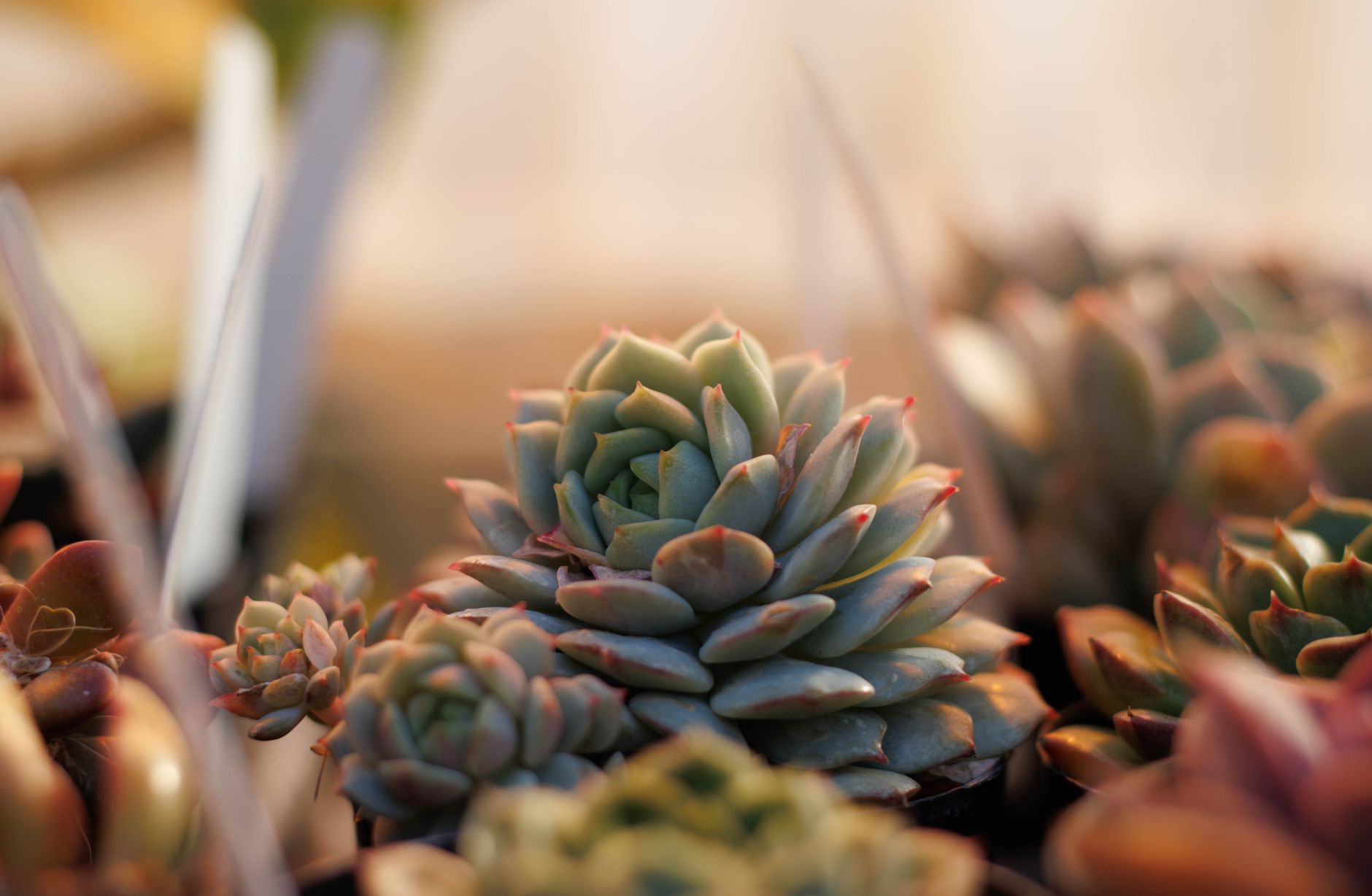
Deep roots: Plants with deep root systems can access water deep in the soil.
Fleshy leaves: Succulents store water in their leaves and stems.
Silver foliage: Hairy or silver leaves reflect sunlight and reduce water loss.
Waxy coating: Waxy leaves reduce evaporation.
Small leaves: Small leaves have less surface area for water loss.
Dormancy: Some plants go dormant during dry periods to conserve water.
Choose the Best Drought-Tolerant Perennials
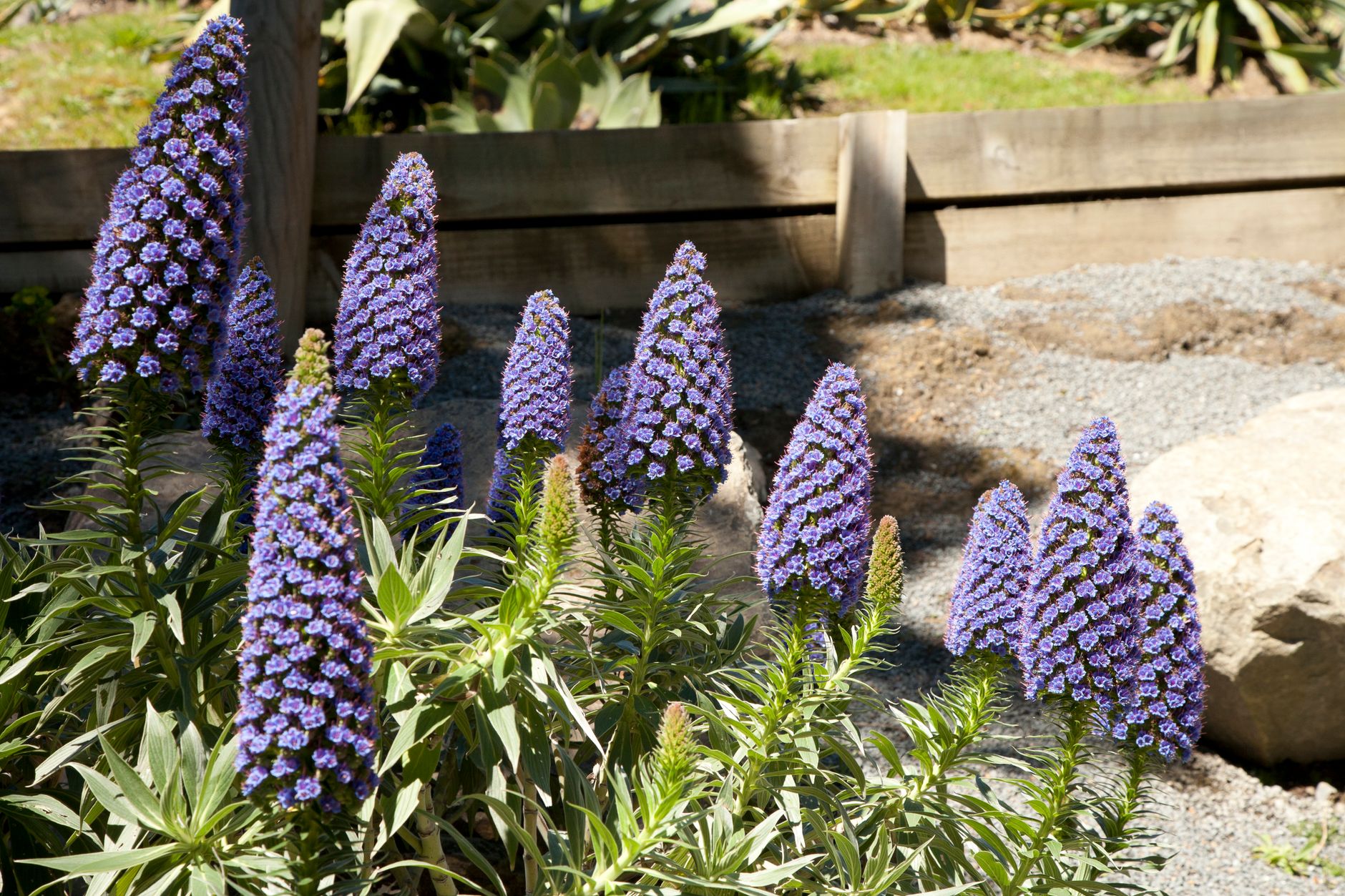
Lavender: Fragrant, drought-tolerant, and attracts pollinators. Full sun.
Coneflower (Echinacea): Tough, long-blooming, and drought-tolerant. Full sun.
Black-eyed Susan (Rudbeckia): Bright yellow flowers, heat and drought tolerant. Full sun.
Yarrow (Achillea): Feathery foliage, flat flower clusters, very drought-tolerant. Full sun.
Sedum (Stonecrop): Succulent foliage, star-shaped flowers, thrives in dry conditions. Sun to part shade.
Russian Sage (Perovskia): Airy, silver foliage, blue flowers, extremely drought-tolerant. Full sun.
Butterfly Weed (Asclepias): Orange flowers, attracts monarch butterflies, drought-tolerant. Full sun.
Choose Drought-Tolerant Shrubs
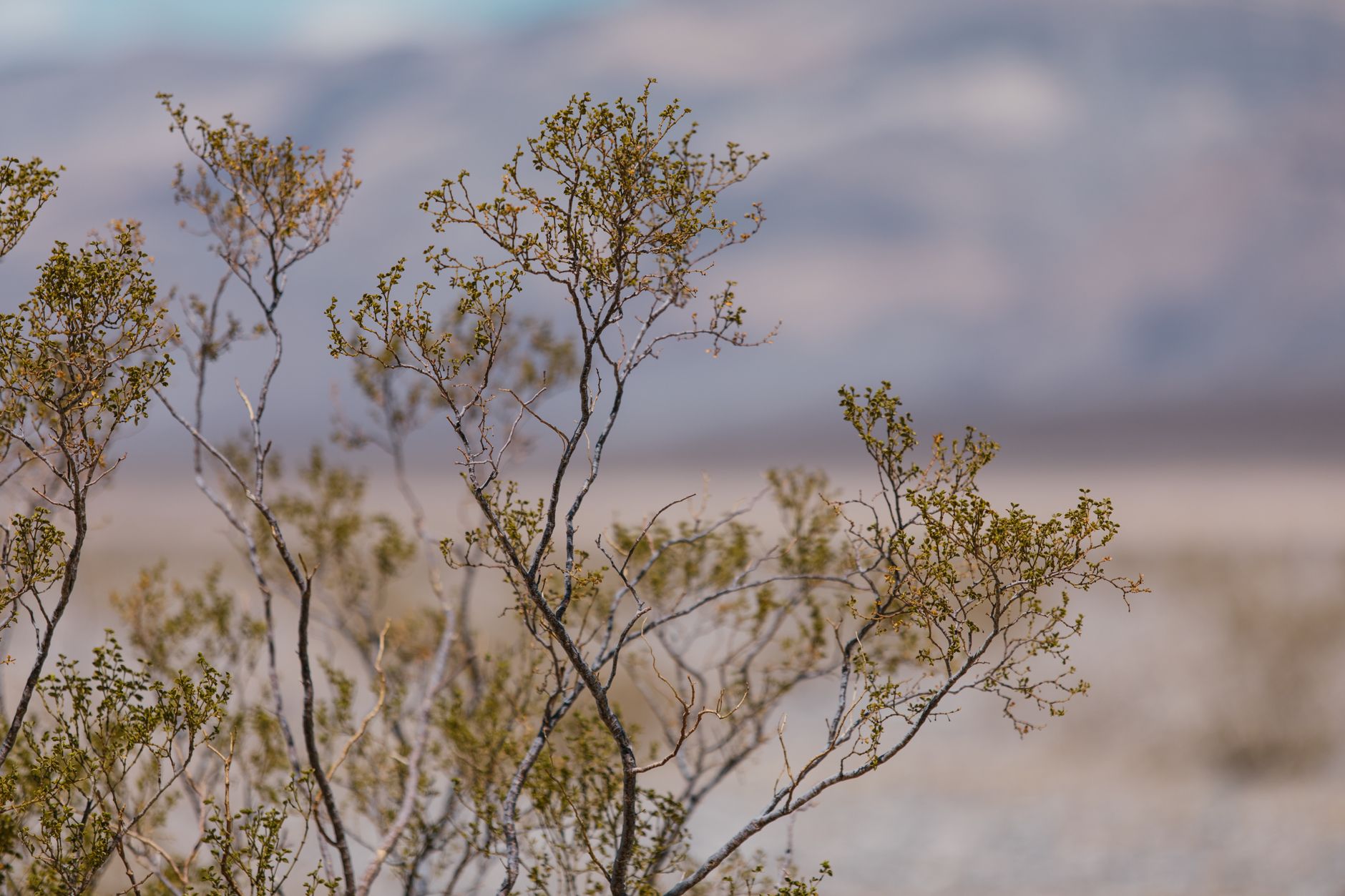
Butterfly Bush (Buddleia): Fragrant flowers, attracts butterflies, drought-tolerant. Full sun.
Juniper: Evergreen, tough, drought-tolerant, good for ground cover or screening. Full sun.
Sage (Salvia): Many varieties, aromatic, drought-tolerant, attracts pollinators. Full sun.
Rosemary: Aromatic, edible, drought-tolerant, good for Mediterranean gardens. Full sun.
Lilac: Fragrant flowers, drought-tolerant once established. Full sun.
Potentilla: Shrubby cinquefoil, yellow or white flowers, very drought-tolerant. Full sun.
Choose Drought-Tolerant Succulents and Cacti
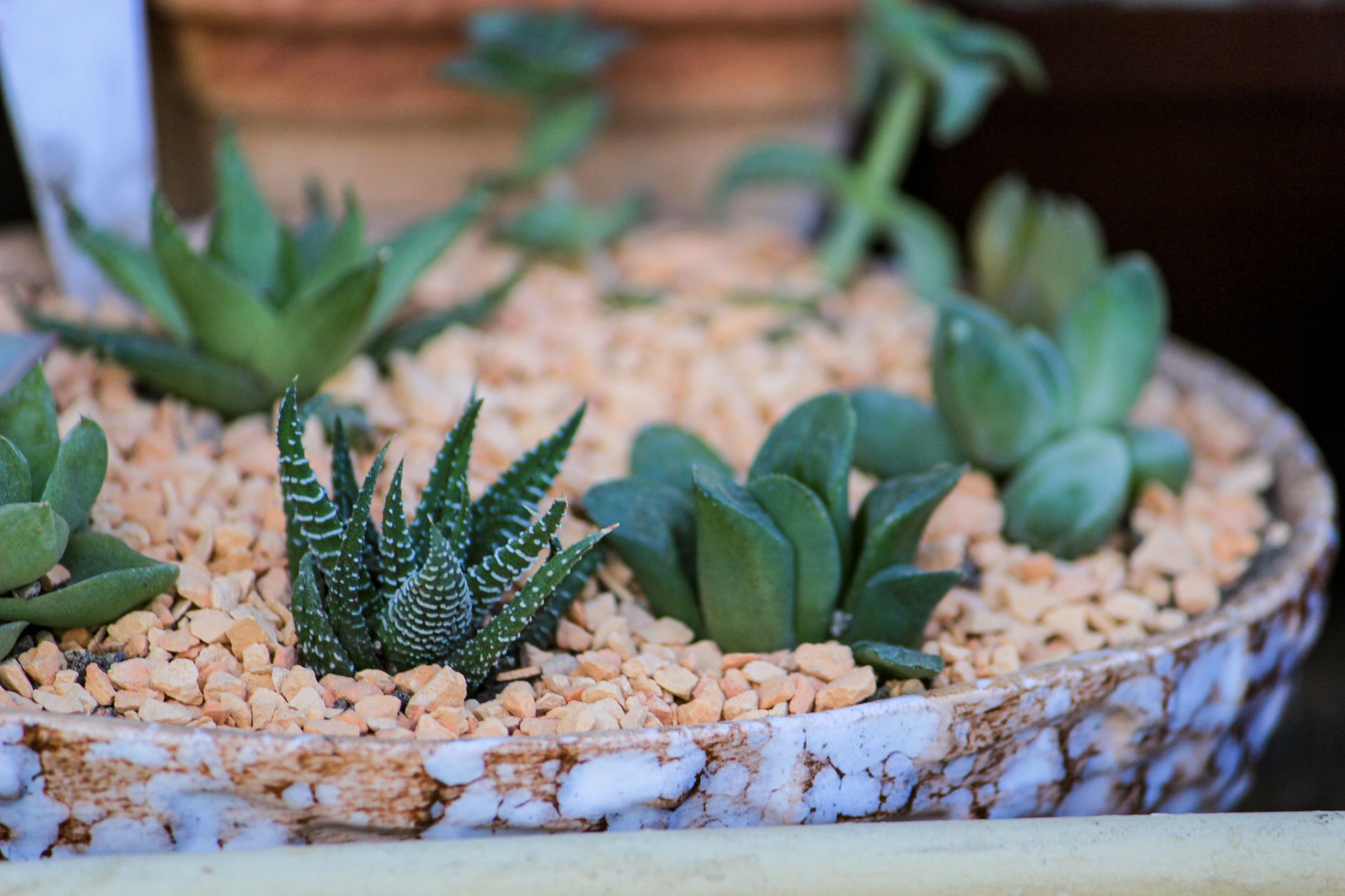
Agave: Bold architectural plant, very drought-tolerant. Full sun.
Yucca: Spikey leaves, dramatic flower stalks, extremely drought-tolerant. Full sun.
Sedum (Stonecrop): Low-growing, fleshy leaves, star-shaped flowers. Sun to part shade.
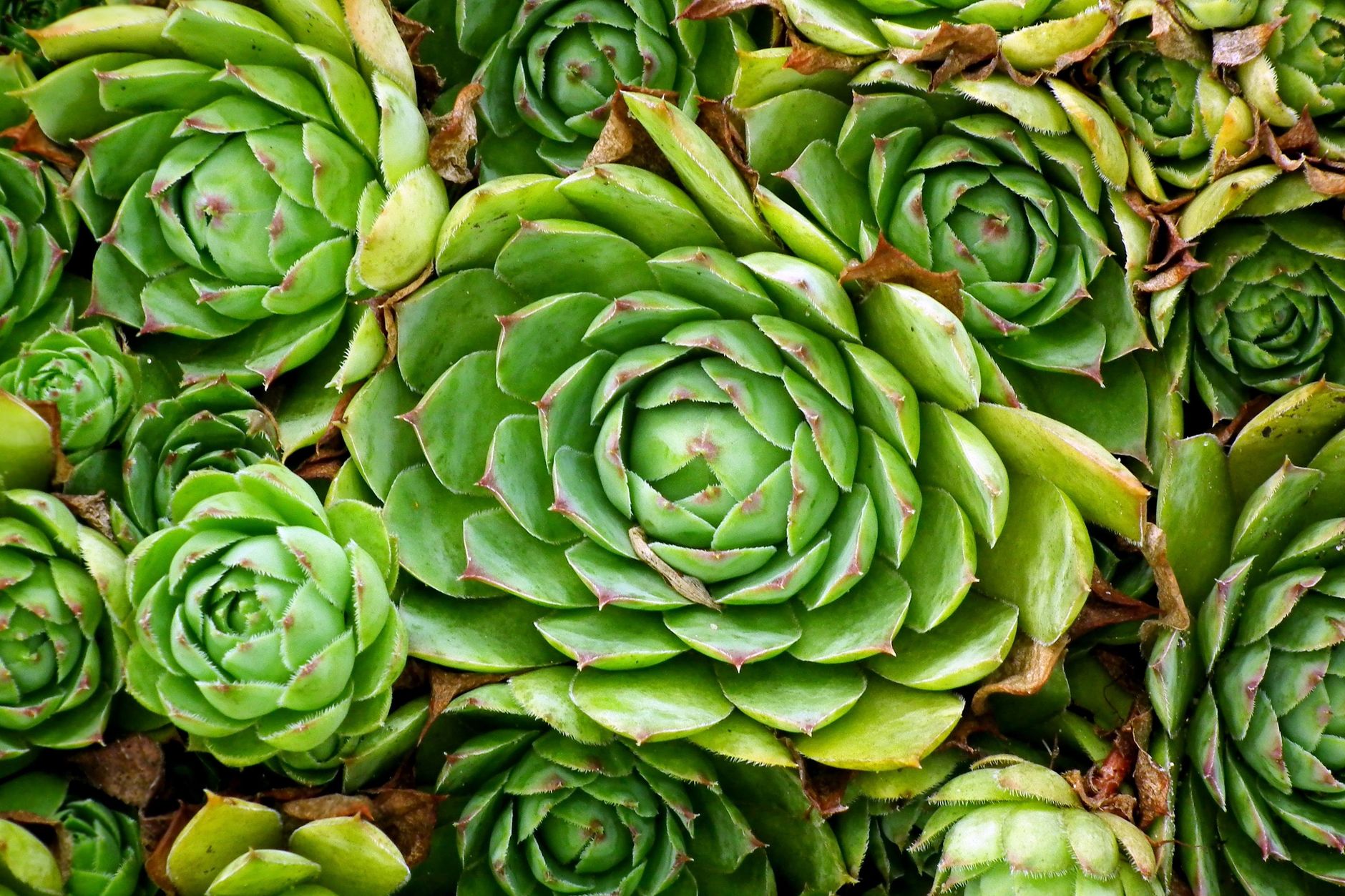
Hens and Chicks (Sempervivum): Rosette succulents, spreads, very drought-tolerant. Full sun.
Aloe: Succulent leaves, attractive flowers, drought-tolerant. Sun to part shade.
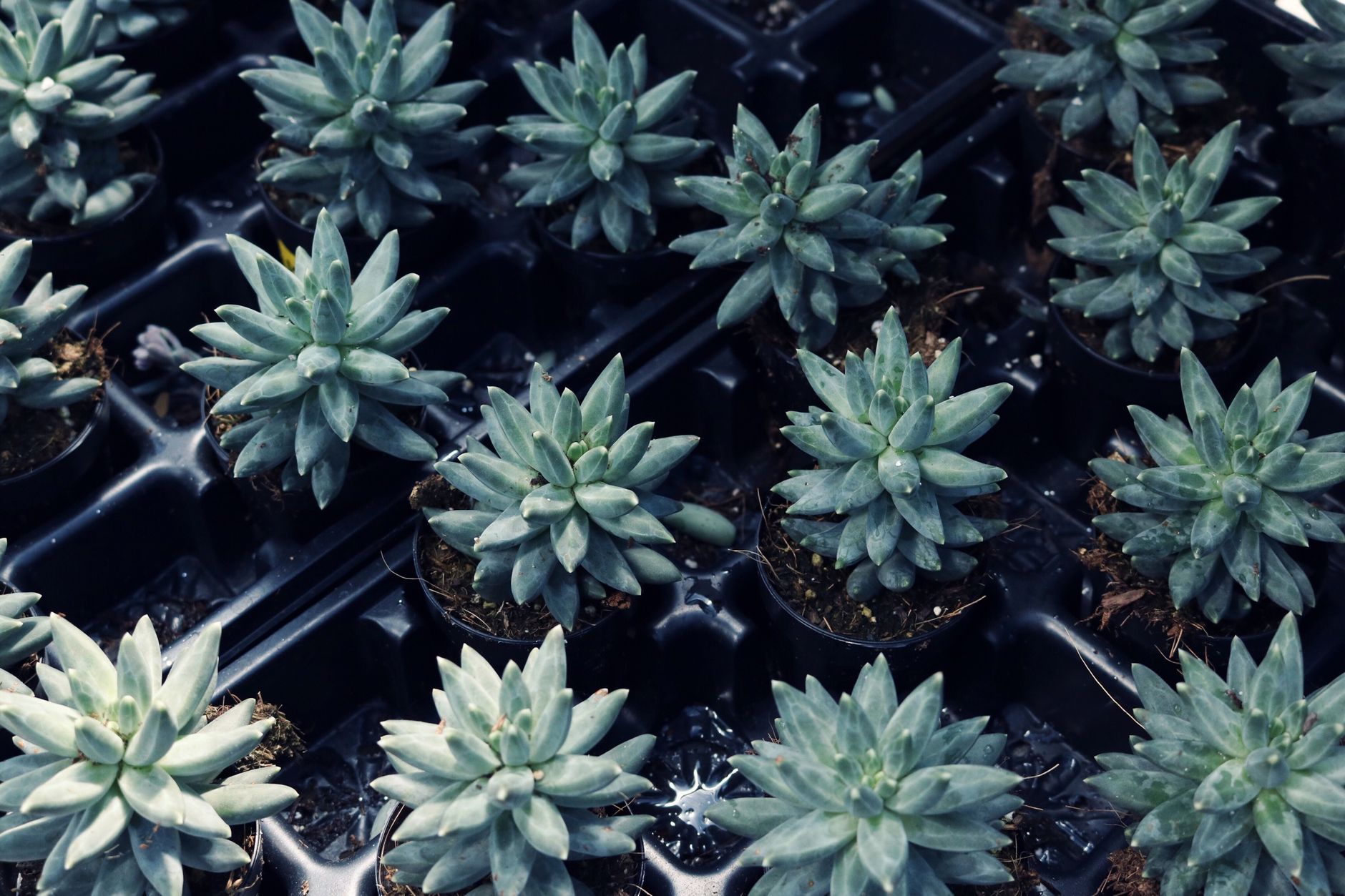
Echeveria: Rosette succulents, colorful, drought-tolerant. Sun to part shade.
Choose Drought-Tolerant Ornamental Grasses
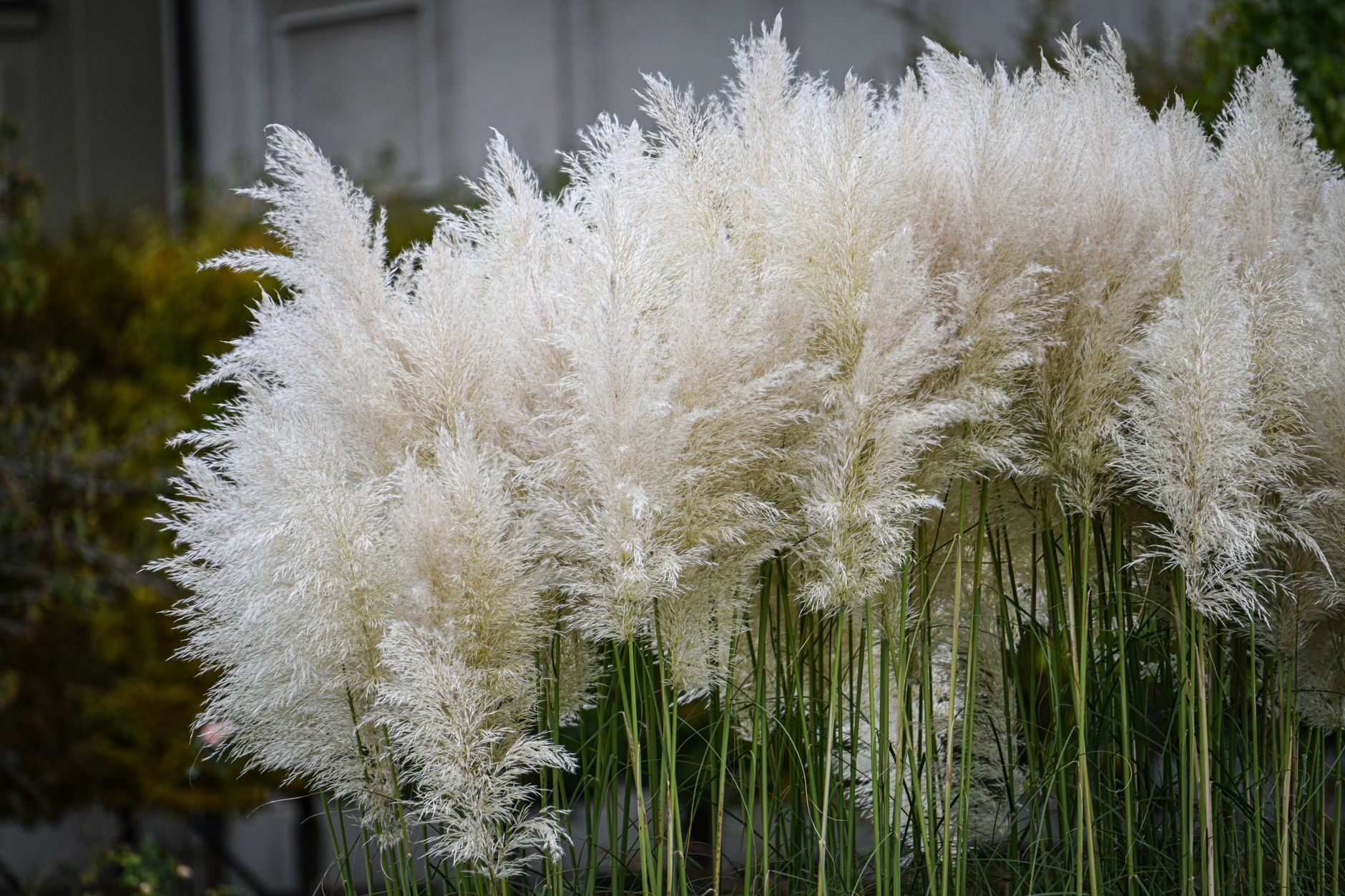
Blue Fescue (Festuca): Small, blue-green clumps, very drought-tolerant. Full sun.
Mexican Feather Grass (Nassella): Fine, airy texture, drought-tolerant. Full sun.
Switchgrass (Panicum): Tall, airy, drought-tolerant, good for mass planting. Full sun.
Little Bluestem (Schizachyrium): Blue-green in summer, bronze in fall, drought-tolerant. Full sun.
Muhly Grass (Muhlenbergia): Pink or white cloud-like flowers, drought-tolerant. Full sun.
Choose Drought-Tolerant Ground Covers
Creeping Thyme: Fragrant, low-growing, drought-tolerant, good between stepping stones. Full sun.
Creeping Phlox: Spring flowers, drought-tolerant, good for slopes. Full sun.
Sedum (Stonecrop): Low-growing succulents, drought-tolerant. Sun to part shade.
Ice Plant (Delosperma): Fleshy leaves, bright flowers, very drought-tolerant. Full sun.
Rockrose (Cistus): Mediterranean shrub, drought-tolerant, good for slopes. Full sun.
Planting and Care Tips
Soil preparation: Add compost to improve drainage and soil structure.
Planting time: Plant in spring or fall to allow roots to establish before summer heat.
Spacing: Space plants according to their mature size—crowding reduces air circulation.
Watering: Water deeply but infrequently. Encourage deep root growth.
Mulch: Apply 2-3 inches of mulch (gravel, wood chips, or crushed stone) to retain moisture.
Once established: Most drought-tolerant plants need watering only during extended dry periods.
Design Your Water-Wise Garden
Group by water needs: Group plants with similar water requirements.
Hardscaping: Use paths, patios, and rock features to reduce the area needing irrigation.
Rainwater harvesting: Install rain barrels to capture water for your garden.
Efficient irrigation: Use drip irrigation or soaker hoses to deliver water directly to roots.
Mulch: Use gravel, stone, or wood chip mulch to retain soil moisture.
Common problems and fixes
| Problem | Likely cause | What to do |
|---|---|---|
| Plants wilting despite being drought-tolerant | Not yet established or planted at the wrong time. | Water more frequently until established. Plant in spring or fall. |
| Root rot | Poor drainage or overwatering. | Improve drainage and water less frequently. |
| Plants not blooming | Too much shade or too much nitrogen. | Move to a sunnier spot and use a low-nitrogen fertilizer. |
| Weeds taking over | Not enough mulch or not weeding regularly. | Apply 2-3 inches of mulch and pull weeds weekly. |
Gardener's checklist
Test what you learned
What is a key adaptation of drought-tolerant plants?
Answer: Deep roots or fleshy leaves
Which plant is drought-tolerant?
Answer: Lavender
How should you water drought-tolerant plants?
Answer: Deeply but infrequently
What is the best mulch for a drought-tolerant garden?
Answer: Gravel or crushed stone
Which plant is a succulent and drought-tolerant?
Answer: Sedum
Common questions
Do drought-tolerant plants need any water?
Yes, they need water to become established. Once established (1-2 years), most need little to no supplemental water.
Can I grow drought-tolerant plants in containers?
Yes, many drought-tolerant plants grow well in containers. Use well-draining potting mix and water when the soil is dry.
What is xeriscaping?
Xeriscaping is a landscaping method that uses drought-tolerant plants and water-conserving techniques to reduce water use.
Are drought-tolerant plants native plants?
Many drought-tolerant plants are native to dry regions, but not all. Choose native plants for the best adaptation to your local conditions.
How much water can a drought-tolerant garden save?
A well-designed drought-tolerant garden can save 50-70% of water compared to a traditional garden.
Drought-tolerant plants are a beautiful, sustainable choice for water-wise gardens. Choose plants with deep roots, fleshy leaves, or silver foliage—they're adapted to survive with minimal water. Once established, these plants need little to no supplemental watering. Group plants by water needs, use mulch to retain moisture, and water deeply but infrequently to encourage deep root growth. With careful planning and the right plant choices, you can create a stunning, low-maintenance garden that conserves water.
Frequently asked questions
How often should a vegetable garden be watered?
Frequency depends on weather, soil and plant size. Check the soil rather than watering on a rigid schedule.
Is compost enough fertilizer?
Compost improves soil and provides nutrients slowly. Heavy-feeding crops may still need additional feeding.

The Sproutstead Editorial Team
We create clear, practical gardening and homesteading guides designed for real homes and beginner growers.
View author profile →

