
Pruning roses is essential for removing dead wood, shaping the plant, and encouraging more blooms. The best time to prune is in early spring (late February to March) when the buds begin to swell. For hybrid tea and grandiflora roses, prune to an open vase shape. For climbing roses, prune after they bloom. Always use sharp, clean pruning shears and cut at a 45-degree angle above an outward-facing bud. Remove the 3 Ds: dead, diseased, and damaged wood. Prune to open the center for better airflow. Regular pruning keeps roses healthy, vigorous, and blooming abundantly.
What you will need
Know When to Prune Roses
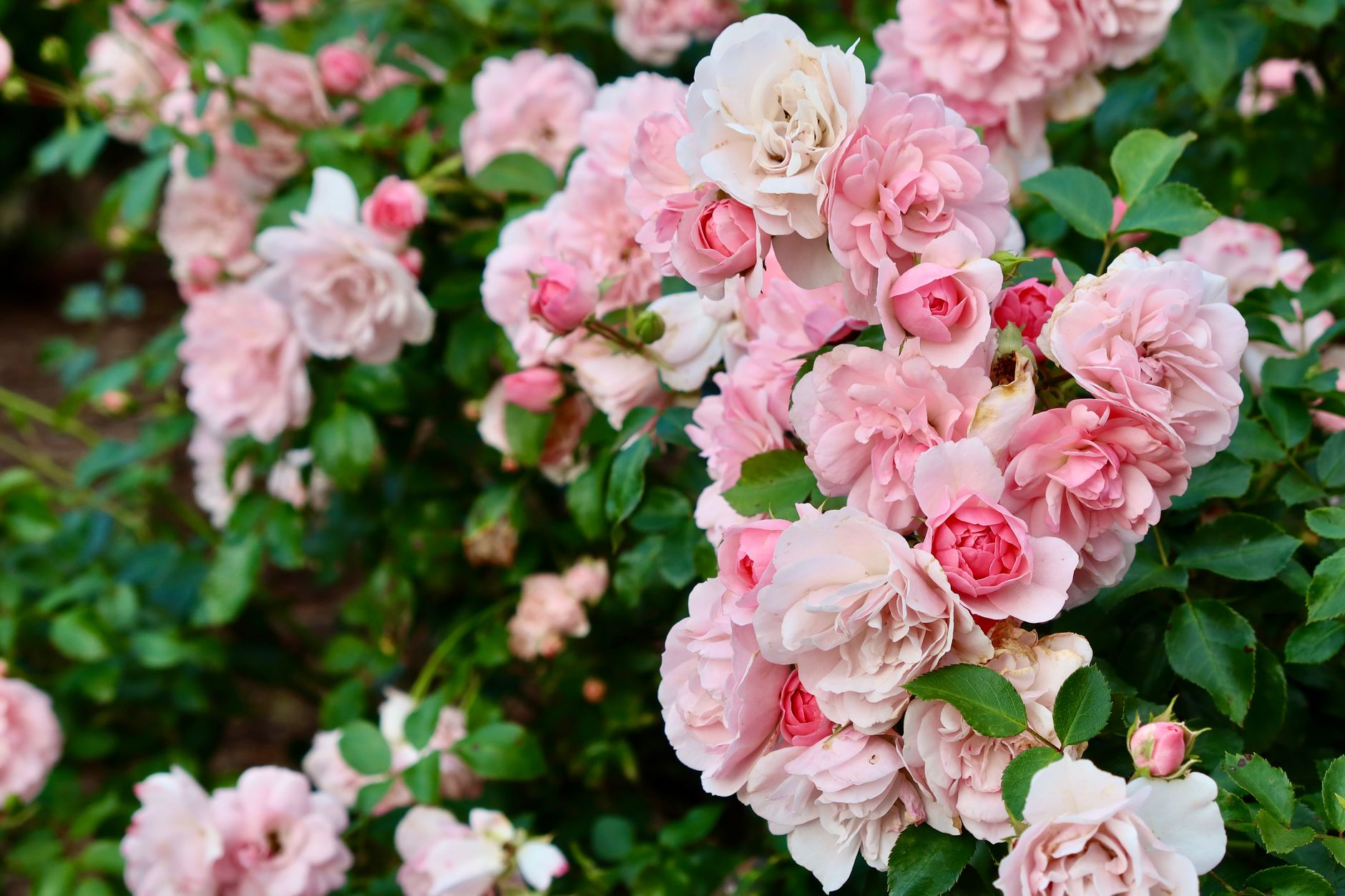
Best time: Prune in early spring (late February to March) when the buds begin to swell, but before leaves appear. This timing allows you to see the plant's structure clearly.
The forsythia test: Prune when the forsythia bushes in your area start to bloom. This is a natural indicator that it's the right time.
Avoid fall pruning: Don't prune in fall—new growth won't harden before winter.
Deadhead in summer: Remove spent blooms throughout the season to encourage more flowers.
For specific types: Climbing roses are pruned after their first flush of blooms (late spring to early summer).
Gather the Right Tools
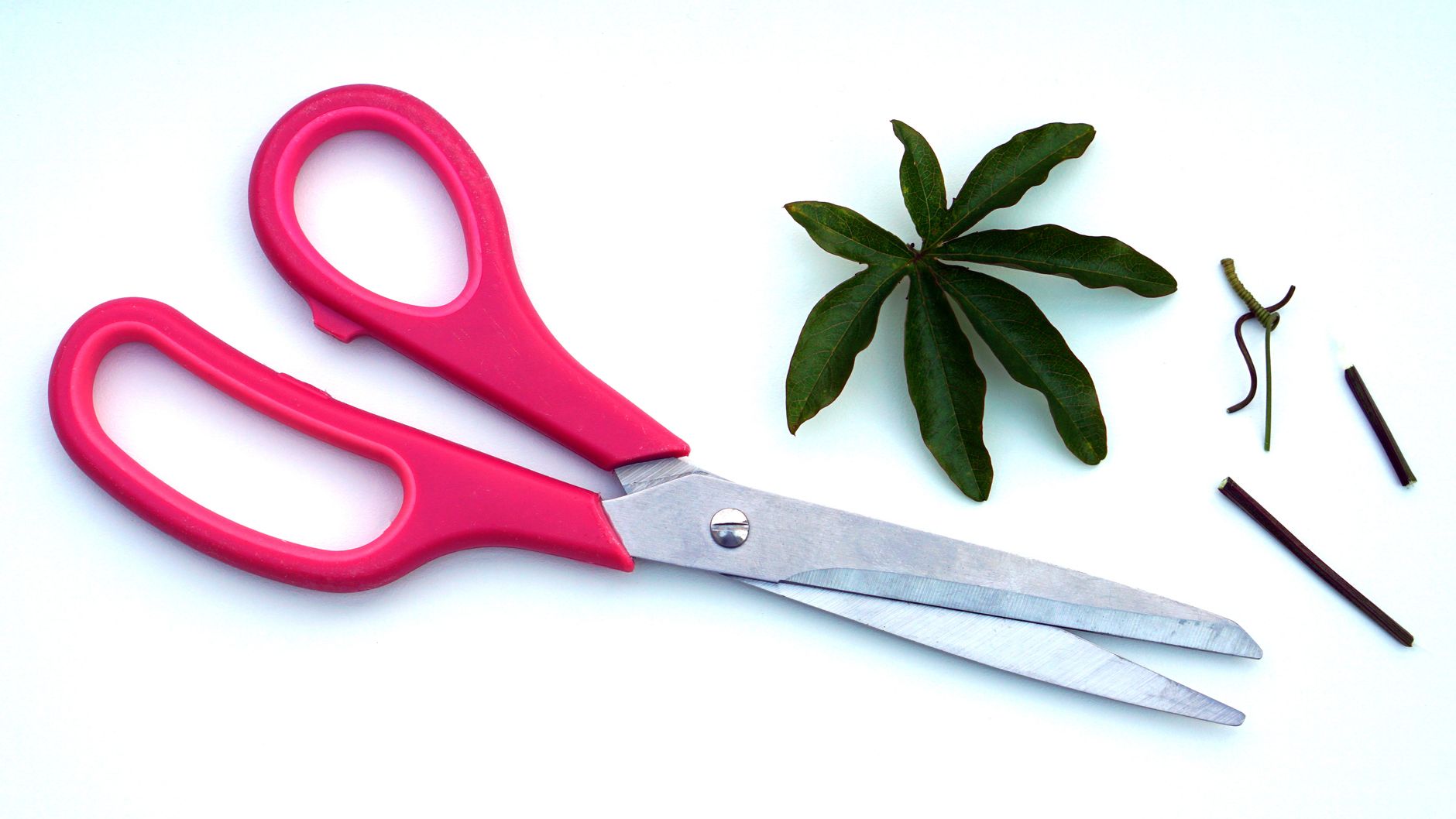
Bypass pruning shears: For canes up to 1/2 inch thick. Bypass shears make clean cuts.
Loppers: For canes 1/2 to 1.5 inches thick. Provides more leverage.
Pruning saw: For canes over 1.5 inches thick.
Gloves: Rose thorns can be sharp—use thick leather gloves.
Sharpen regularly: Keep tools sharp—clean cuts heal faster.
Sterilize: Disinfect tools between plants with rubbing alcohol or a bleach solution to prevent disease spread.
Understand the 3 Ds Rule

Dead: Gray, brittle wood with no green inside. Cut back to healthy green wood.
Diseased: Black cankers, discolored bark, or signs of fungal disease. Remove and dispose of them (don't compost).
Damaged: Broken, cracked, or split canes. Remove them to prevent further damage.
Why first: These branches are a source of disease and decay. Removing them improves plant health.
Dispose: Don't compost diseased wood—burn or dispose of it to prevent disease spread.
Cut at the Right Angle and Spot

Angle: Cut at a 45-degree angle. This allows water to run off and prevents rot.
Above a bud: Cut 1/4 inch above an outward-facing bud. This encourages new growth to grow outward, opening the center.
Outward-facing buds: Choose buds that face away from the center of the plant.
Clean cuts: Make clean, sharp cuts—ragged cuts invite disease.
Avoid inward buds: Don't cut above inward-facing buds—they'll grow toward the center, creating crowding.
Prune Hybrid Tea and Grandiflora Roses

Goal: Create an open vase shape with 3-5 strong canes.
What to remove: Remove the center canes to open the plant for better airflow.
How much: Remove 1/3 to 1/2 of the plant height.
Strong canes: Leave 3-5 strong canes (pencil-thick or thicker).
Weak canes: Remove thin, weak canes (thinner than a pencil).
After pruning: The plant should have an open, vase-like shape with canes radiating outward.
Prune Floribunda and Shrub Roses

Goal: Maintain a balanced, rounded shape.
How much: Remove 1/3 of the oldest canes to encourage new growth.
Dead wood: Remove all dead, diseased, and damaged wood.
Shaping: Lightly shape the plant, removing any crossing or inward-growing branches.
Old canes: Remove canes that are more than 3 years old.
Result: A bushier, more compact plant with abundant blooms.
Prune Climbing Roses

When: Prune climbing roses after they bloom (late spring to early summer).
Why: Climbers bloom on old wood. Spring pruning would remove the flower buds.
What to remove: Remove dead, diseased, and crossing canes.
Tie in: Tie new canes horizontally to encourage more blooms.
Old canes: Remove canes that are more than 3-4 years old.
Result: A well-structured climber with more blooms along the canes.
Prune Old Garden Roses (Once-Blooming)
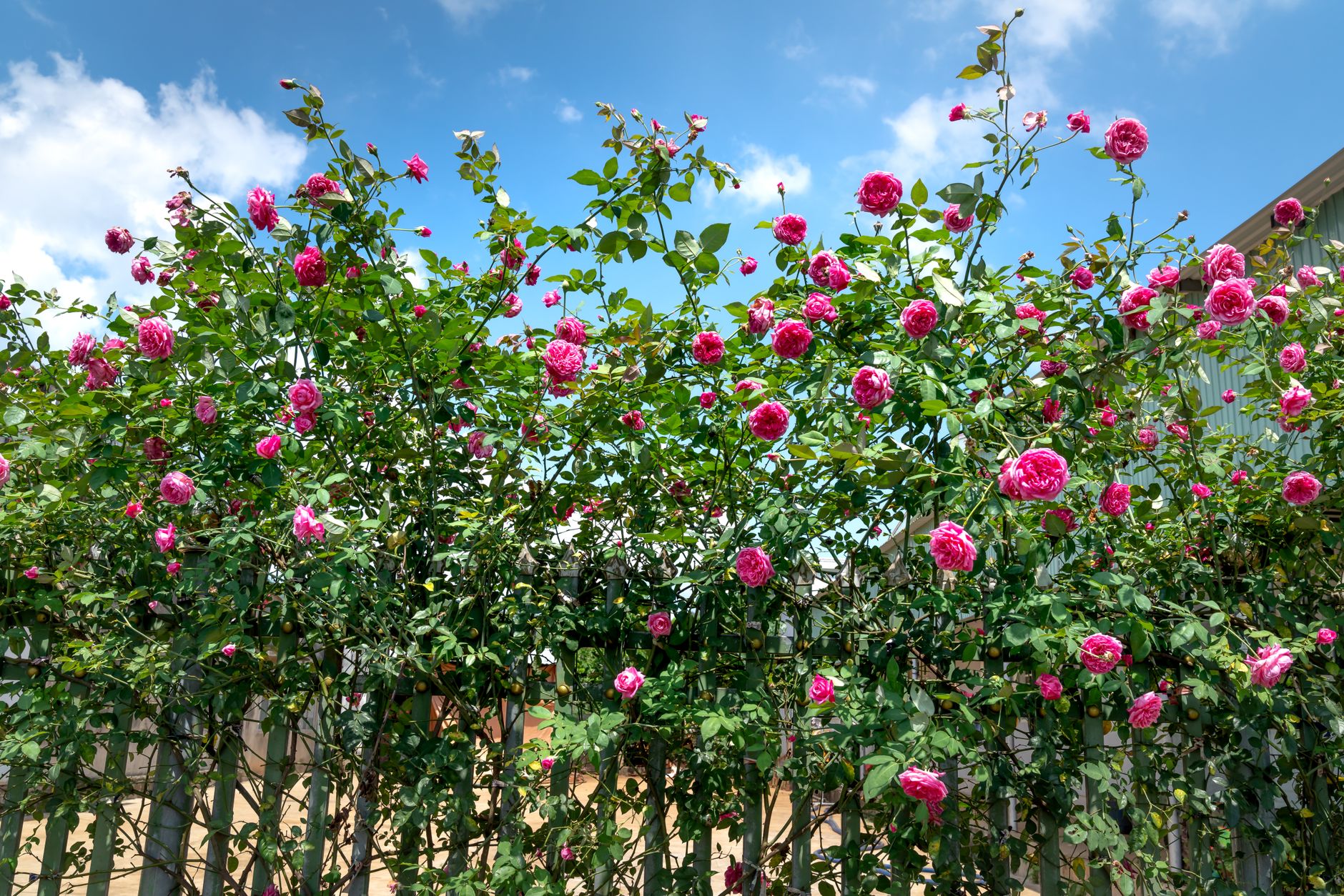
When: Prune after they bloom (in spring).
How much: Remove no more than 1/3 of the plant.
What to remove: Remove dead, diseased, and crossing canes.
Old canes: Remove 1-2 of the oldest canes each year to rejuvenate.
Shape: Lightly shape the plant.
Result: A healthy, natural-looking rose bush.
After Pruning: Clean Up and Care
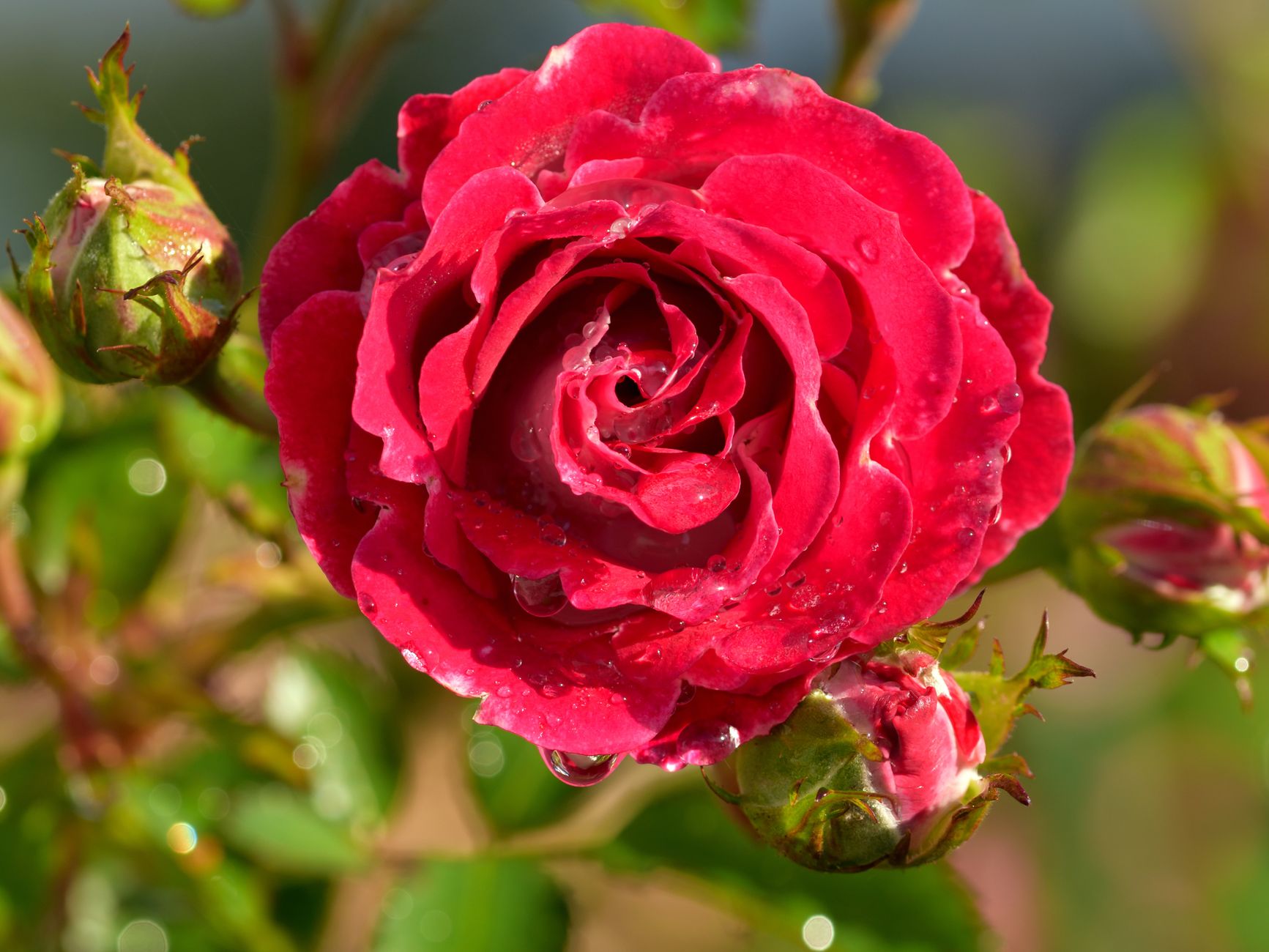
Remove debris: Gather all pruned canes and dispose of them (especially diseased wood).
Clean tools: Clean and sterilize your tools after use.
Apply fertilizer: After pruning, apply a rose-specific fertilizer to support new growth.
Mulch: Apply 2-3 inches of mulch around the base (not touching the stem).
Water: Water deeply to encourage new growth.
Monitor: Watch for new growth and signs of disease.
Common problems and fixes
| Problem | Likely cause | What to do |
|---|---|---|
| Roses not blooming well | Pruned too late or too much. | Prune at the right time. Remove only dead or weak wood. |
| Disease spreading after pruning | Not sterilizing tools or not removing diseased wood. | Sterilize tools and dispose of diseased wood. |
| Water sprouts (vigorous upright shoots) | Over-pruning or too much nitrogen. | Remove water sprouts in summer. Reduce nitrogen fertilizer. |
| Rose bush is too tall | Not pruning regularly. | Prune back by 1/3 to 1/2 in early spring. |
Gardener's checklist
Test what you learned
When is the best time to prune hybrid tea roses?
Answer: Early spring (late February to March)
What are the 3 Ds of pruning roses?
Answer: Dead, diseased, damaged
At what angle should you cut rose canes?
Answer: 45 degrees
How much should you prune hybrid tea roses?
Answer: Remove 1/3 to 1/2
When should you prune climbing roses?
Answer: After they bloom
Common questions
Can I prune roses in the fall?
It's not recommended. Fall pruning can stimulate new growth that won't harden before winter. Prune in early spring instead.
Do I need to seal pruning cuts?
Most cuts don't need sealant. In wet climates, you can use a tree wound sealant. In dry climates, it's not necessary.
How do I know if a cane is dead?
Scrape the bark lightly. If it's green underneath, it's alive. If it's brown or gray, it's dead.
Can I prune roses to keep them small?
Yes, regular pruning can control size. Prune in winter and summer to manage growth.
What is a water sprout?
A water sprout is a vigorous, upright shoot that grows from the trunk or branches. Remove them in summer as they take energy from the plant.
Pruning roses is one of the most important rose care practices. It removes dead wood, shapes the plant, and encourages more blooms. Always start by removing the 3 Ds: dead, diseased, damaged. Cut at a 45-degree angle above an outward-facing bud. Prune hybrid tea roses to an open vase shape and prune climbing roses after they bloom. Use sharp, clean tools and prune at the right time. With regular pruning, your roses will stay healthy, vigorous, and blooming abundantly.
Frequently asked questions
How often should a vegetable garden be watered?
Frequency depends on weather, soil and plant size. Check the soil rather than watering on a rigid schedule.
Is compost enough fertilizer?
Compost improves soil and provides nutrients slowly. Heavy-feeding crops may still need additional feeding.

The Sproutstead Editorial Team
We create clear, practical gardening and homesteading guides designed for real homes and beginner growers.
View author profile →

