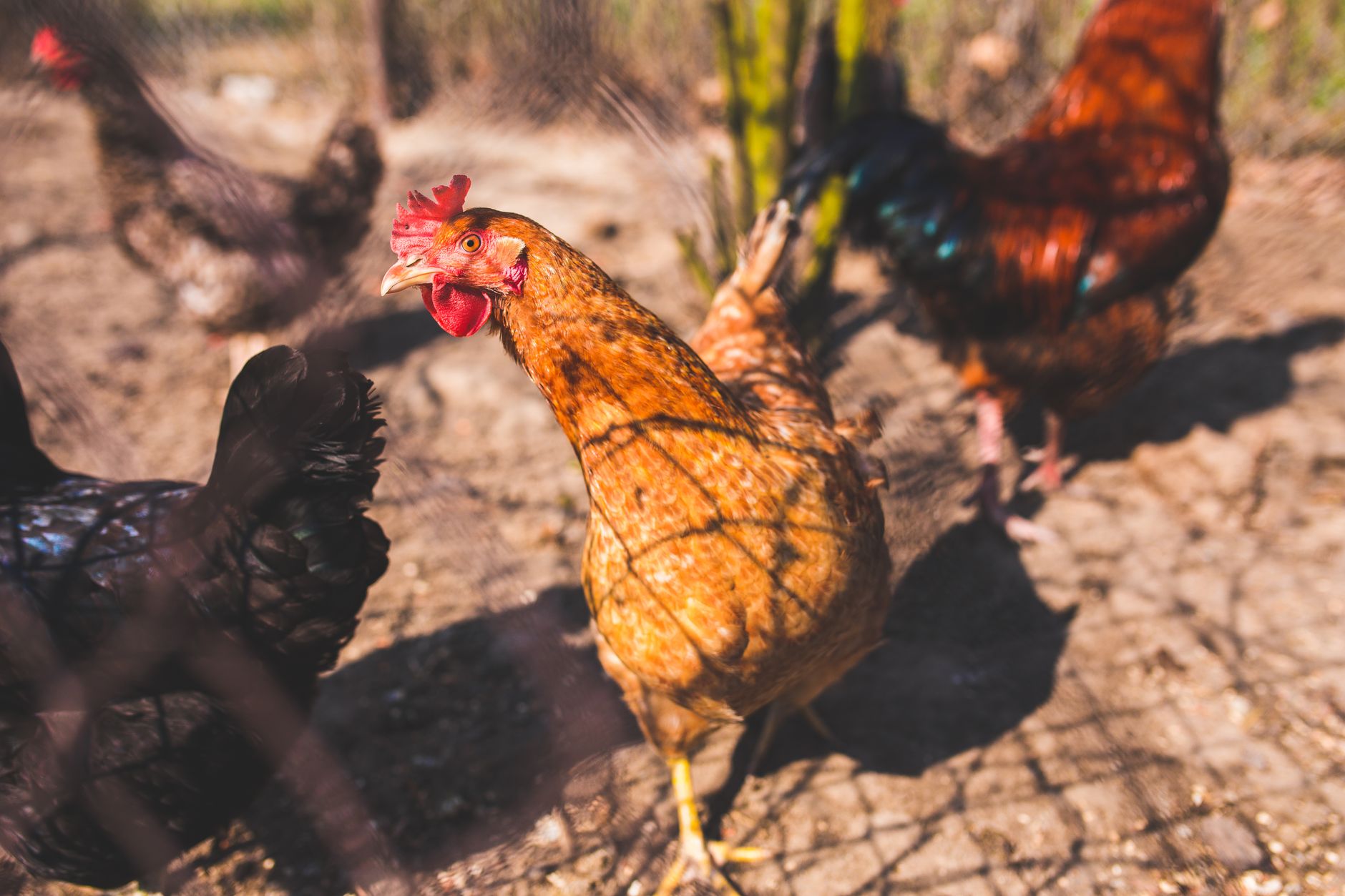
A good chicken run provides at least 8-10 square feet per chicken, is fully enclosed with 1/2-inch hardware cloth (not chicken wire), has a covered top for aerial predator protection, and includes enrichment like dust baths, perches, and shaded areas. The run should be attached to the coop with a secure pop door. For muddy areas, use sand, gravel, or wood chips for drainage. Portable runs (chicken tractors) are great for rotational grazing and fertilizing the lawn.
What you will need
Determine Run Size for Your Flock

Calculate run size: allow at least 8-10 square feet per standard chicken. For 6 chickens, that's 48-60 square feet (e.g., 6x8 feet or 8x8 feet).
For bantams, 6-8 square feet per bird is sufficient. For large breeds, 10+ square feet is better.
If you free-range your chickens part-time, the run can be smaller, but they still need space for daily exercise.
Always round up—more space reduces stress, feather pecking, and disease transmission.
If you plan to expand your flock, build the run bigger now. It's cheaper to build once than to add on later.
Choose the Right Location
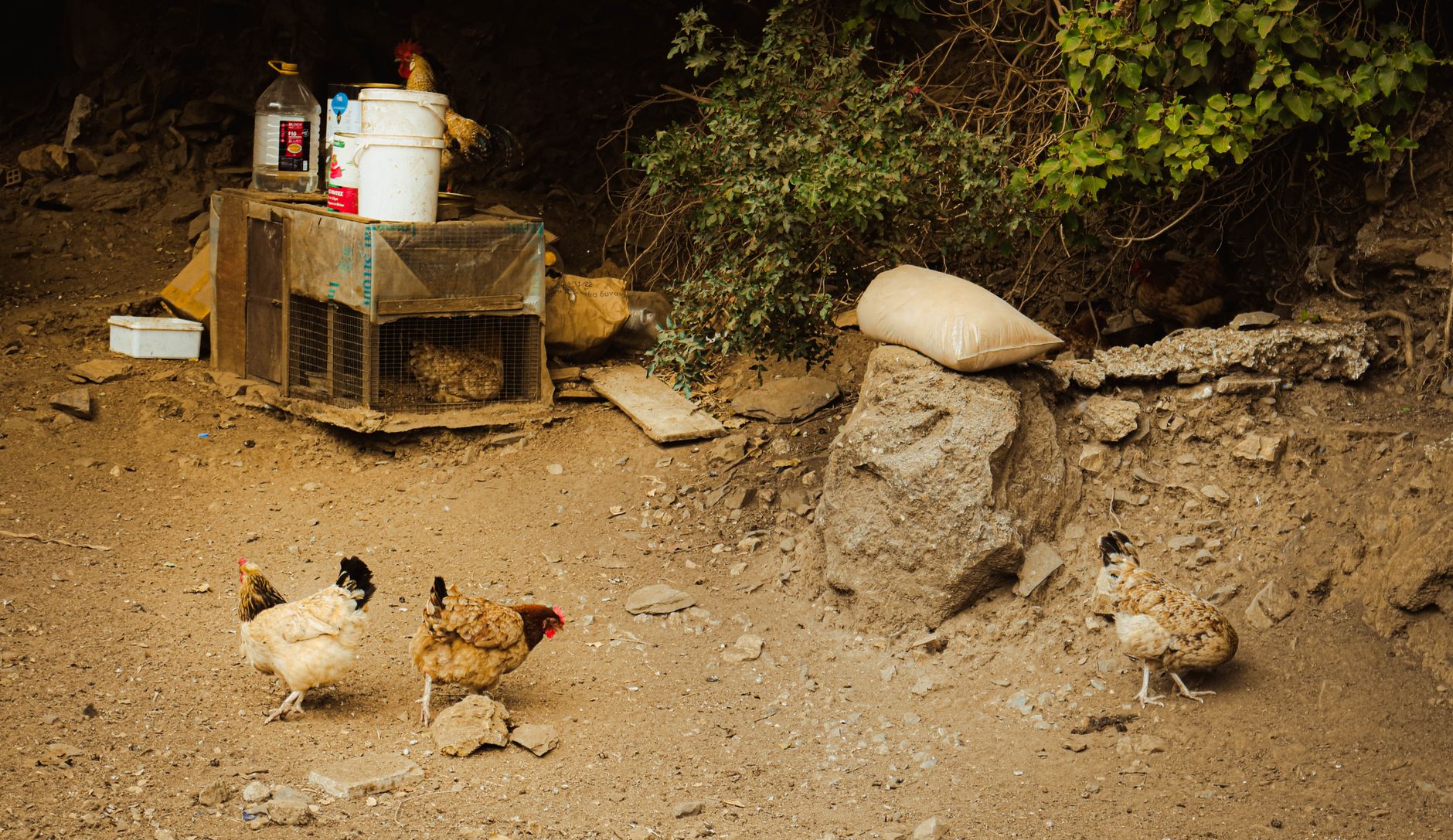
Choose a well-drained area—chickens hate mud. Avoid low spots that collect water after rain.
Position the run adjacent to the coop with the pop door connecting them. Chickens should move freely between coop and run.
Consider sun exposure: provide both sunny areas (for dust bathing) and shaded areas (for summer heat relief).
Keep the run away from property lines to avoid neighbor complaints about noise and dust.
If possible, place the run on grass. Chickens will eat the grass and fertilize the soil, creating a healthy cycle.
Choose Your Run Style

Stationary Run: Permanent enclosure attached to the coop. Most common, easiest to build, and most secure. Ideal for backyard flocks.
Chicken Tractor: Portable, floorless run that can be moved daily. Provides fresh grass and reduces parasites. Great for 6-12 birds.
Covered Run: Includes a roof or overhead netting for aerial predator protection. Essential in areas with hawks and owls.
Open Run: Simple fenced area without a top. Only suitable if you're always supervising or in areas with no aerial predators.
Multi-Level Run: Uses ramps and platforms to add vertical space—great for small footprints.
Build the Run Frame

Dig post holes 12-18 inches deep at the corners of your run. Space additional posts every 6-8 feet for support.
Set pressure-treated 4x4 posts in concrete or pack the soil tightly around them. Ensure posts are plumb (vertical) using a level.
Attach 2x4 rails horizontally between posts—one at the top, one at the bottom, and one in the middle for added strength.
Frame the door opening at one end of the run. Install a door frame with hinges for a gate.
If you're building a covered run, add rafters across the top for the roof or netting support.
Install Hardware Cloth (Not Chicken Wire!)

Cover the entire run frame with 1/2-inch hardware cloth. Use galvanized staples or screws to secure it every 4-6 inches.
Overlap seams by at least 6 inches and secure both layers together.
Critical: Bury hardware cloth 12 inches deep around the perimeter of the run to prevent digging predators. Alternatively, bend the wire outward 18 inches (an apron) and cover with soil.
Cover the top of the run with hardware cloth or heavy-duty bird netting to protect from aerial predators (hawks, owls).
Ensure there are no gaps anywhere—predators can squeeze through surprisingly small openings.
Add Flooring or Ground Cover

Grass: Natural and free, but chickens will eat it and it will eventually turn to mud. Good for tractors that are moved daily.
Sand: Excellent drainage, dries quickly, and doesn't harbor pests. Easy to scoop clean. Best option for stationary runs.
Wood chips or bark: Absorbs moisture and provides good footing. Breaks down over time and can be composted. Use hardwood chips (not cedar).
Gravel: Good drainage but hard on chickens' feet. Not recommended alone—use as a base layer under sand.
Deep litter method: Add 6-12 inches of wood shavings, straw, or leaves. Works well in combination with sand or soil.
Add Enrichment and Shade
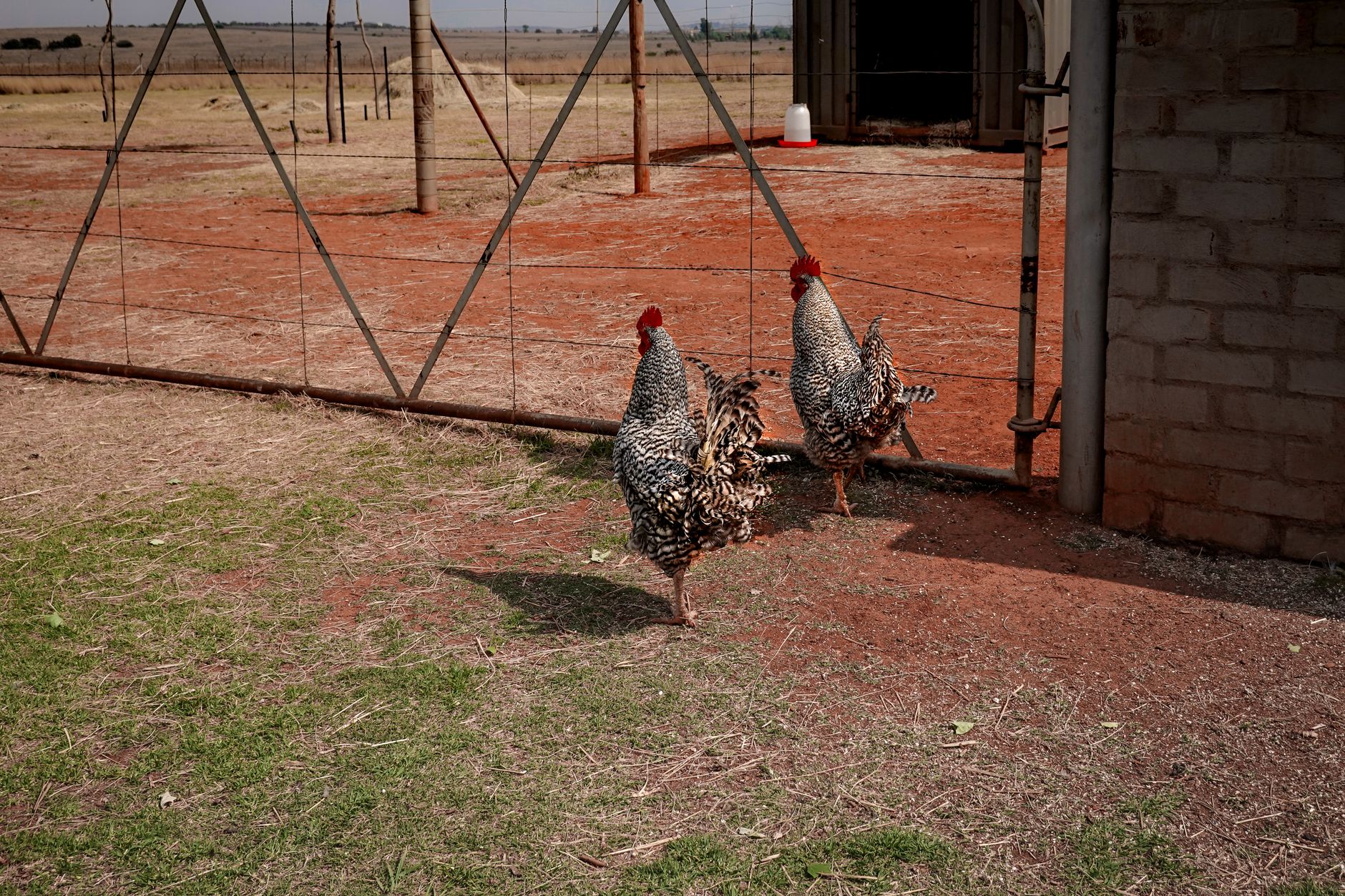
Dust bath: Create a 12x12 inch (or larger) container filled with sand, wood ash, and diatomaceous earth. Chickens will bathe daily to control parasites.
Perches: Add low perches (12-18 inches high) for resting and observation. Chickens like to survey their territory.
Shade: Provide shade using trees, shade cloth, or a roofed section. Chickens need protection from summer heat.
Foraging toys: Hang cabbage, lettuce, or corn on a string. Scatter scratch grains in the run for natural foraging behavior.
Logs and branches: Add natural features for climbing, scratching, and perching. Rotate them occasionally to keep things interesting.
Install the Pop Door and Secure It

Install the pop door between the coop and the run. This should be at least 12x12 inches for standard chickens.
A sliding door (up and down) is more secure than a swinging door and is easier to automate.
Install a predator-proof latch—raccoons can open simple hooks and hasps.
If possible, install an automatic door opener that opens at dawn and closes at dusk. This is a game-changer for daily routine.
Make sure the door closes flush with the frame. Any gap is an entry point for predators.
Common problems and fixes
| Problem | Likely cause | What to do |
|---|---|---|
| Run gets muddy in rainy weather | Poor drainage, soil compaction, or run location in a low spot. | Add 3-4 inches of sand or wood chips to improve drainage. Move the run to a higher area if possible. |
| Chickens are flying out of the run | Fence is too low (under 5-6 feet), or chickens aren't clipped. | Clip one wing (feathers, not the bone) or raise the fence height. Some breeds (like Leghorns) are determined fliers. |
| Run smells strong or attracts flies | Manure buildup or poor drainage. | Clean the run regularly, add more litter, or install a sand floor for easy waste removal. Add fly traps or diatomaceous earth. |
| Predator attacks despite hardware cloth | Gap under the door, loose wire, or a latch that wasn't secure. | Inspect every corner, seal all gaps, and upgrade to a raccoon-proof latch. Bury wire deeper if digging is suspected. |
Gardener's checklist
Test what you learned
How much run space does a chicken need?
Answer: 8-10 square feet
What is the best material for predator-proofing a run?
Answer: 1/2-inch hardware cloth
Why should you bury hardware cloth around the run?
Answer: To prevent digging predators
What is the best flooring material for a chicken run?
Answer: Sand
Common questions
Can I use chicken wire for my run?
No. Chicken wire only keeps chickens in—it does not keep predators out. Raccoons, foxes, and dogs can easily tear through it. Use 1/2-inch hardware cloth.
Do I need to cover the top of the run?
Yes, in most areas. Aerial predators like hawks and owls can kill chickens quickly. Use hardware cloth or heavy-duty bird netting.
How deep should I bury the wire?
Bury the wire 12 inches deep to prevent digging predators. Alternatively, bend the wire outward 18 inches (an apron) and cover it with soil.
Can I move a chicken run?
Yes, if you build a portable 'chicken tractor' on wheels. These are great for rotational grazing and fertilizing the lawn. They are typically smaller (for 6-12 birds) and moved daily.
What's the best way to keep the run clean?
Use a sand floor and scoop droppings daily with a cat litter scoop. Add fresh wood chips or sand as needed. This is the easiest and most effective method.
A well-designed chicken run is essential for your flock's health and happiness. It provides space to forage, exercise, and dust bathe while protecting them from predators. The key principles: use 1/2-inch hardware cloth, bury it to prevent digging, cover the top for aerial protection, and provide at least 8-10 square feet per chicken. Add enrichment like dust baths and perches, and keep the run clean with a sand floor. A good run means happier, healthier chickens and more eggs for you.
Frequently asked questions
How often should a vegetable garden be watered?
Frequency depends on weather, soil and plant size. Check the soil rather than watering on a rigid schedule.
Is compost enough fertilizer?
Compost improves soil and provides nutrients slowly. Heavy-feeding crops may still need additional feeding.

The Sproutstead Editorial Team
We create clear, practical gardening and homesteading guides designed for real homes and beginner growers.
View author profile →

