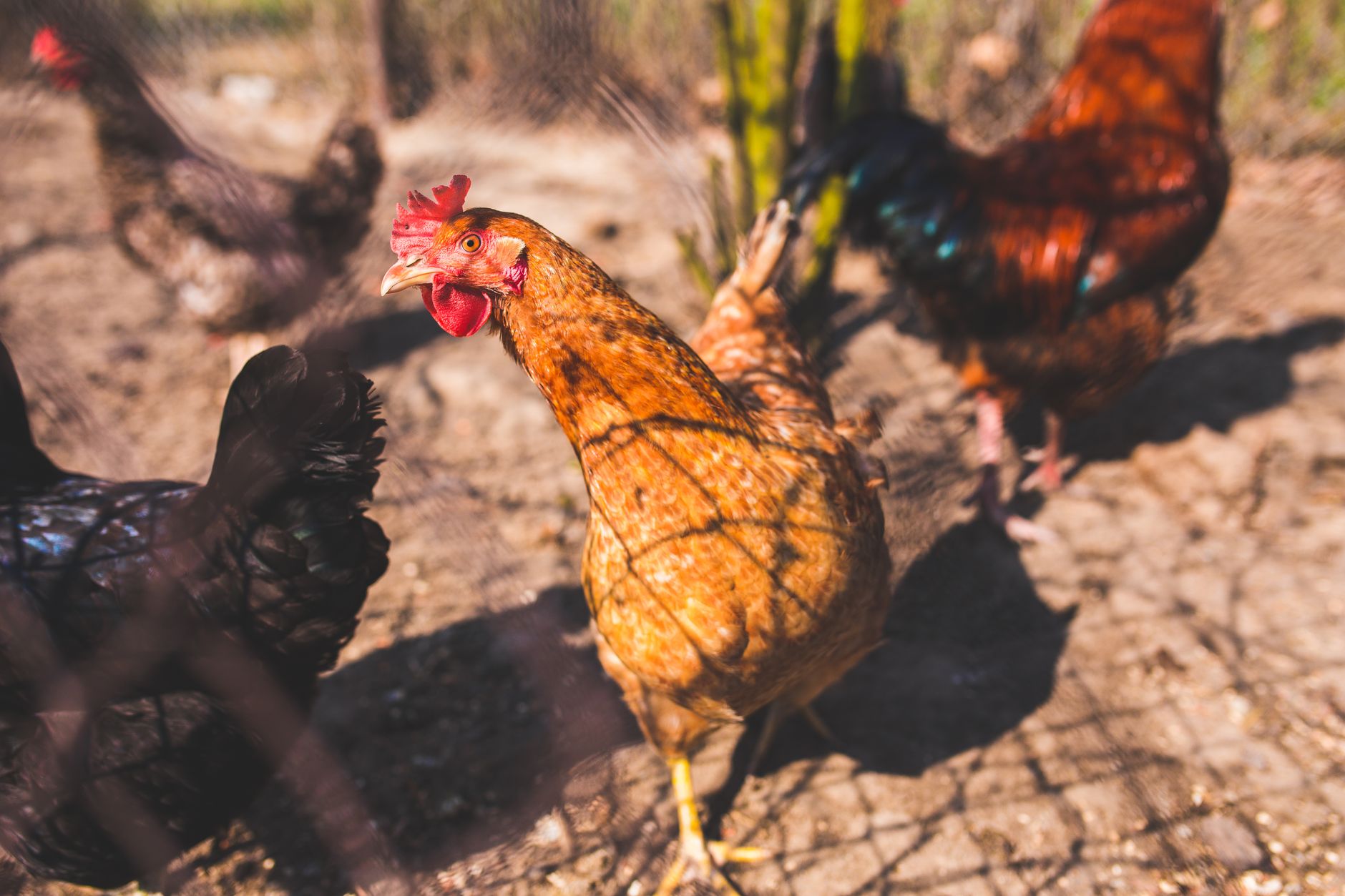
A cut flower garden is a dedicated space for growing flowers specifically for bouquets and arrangements. Choose a sunny location (6-8 hours of sun) with well-draining soil. Select a mix of annuals, perennials, and bulbs for continuous blooms from spring to fall. Plant in rows or blocks for easy harvesting. Harvest flowers in the early morning when they're most hydrated. Cut stems at an angle and place in water immediately. Popular cut flowers include zinnias, sunflowers, dahlias, cosmos, snapdragons, and roses. With careful planning, you can have fresh flowers for your home from spring until the first frost.
What you will need
Choose the Right Location
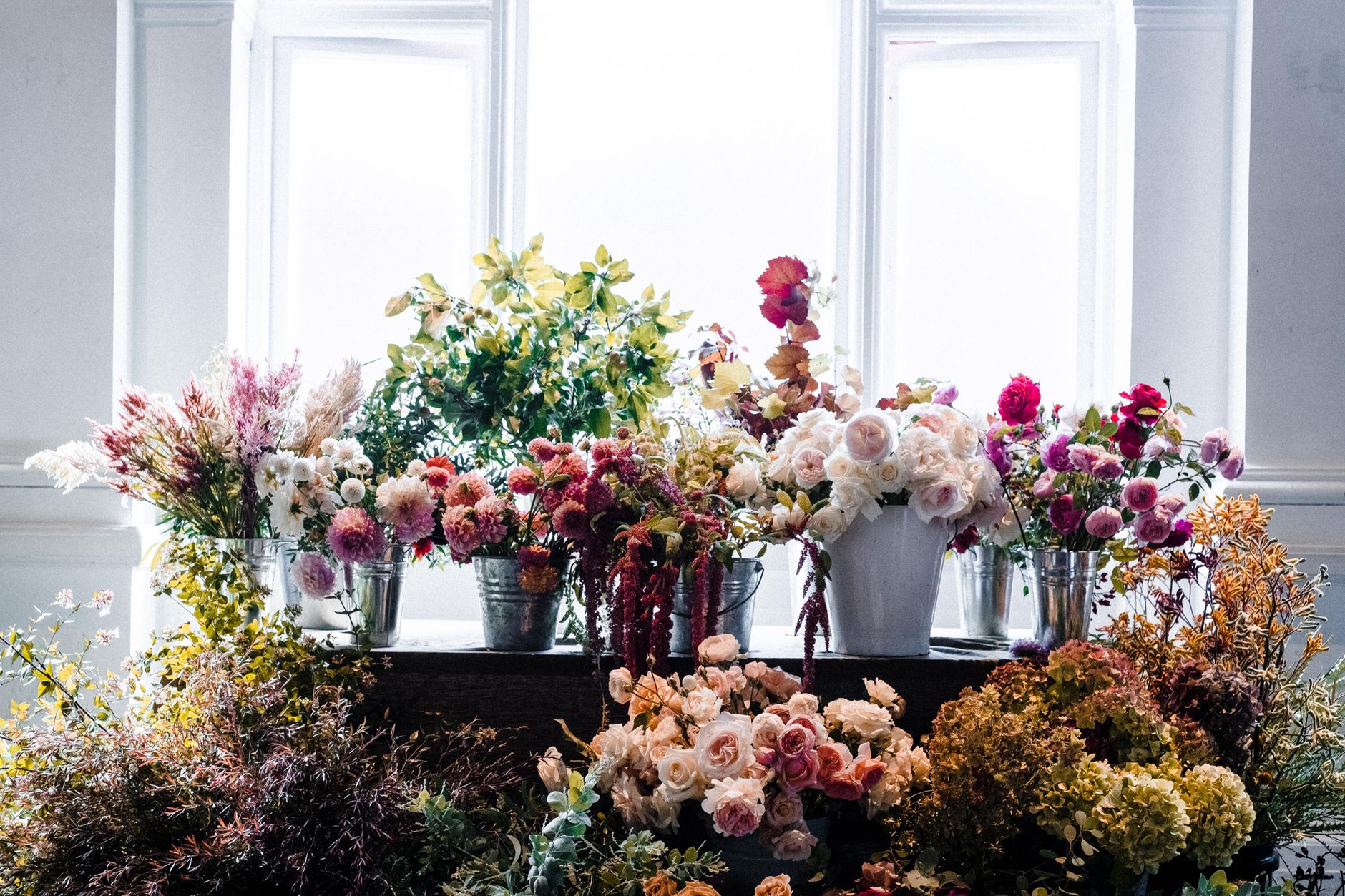
Sunlight: Most cut flowers need 6-8 hours of direct sunlight daily. More sun = more blooms.
Accessibility: Place your cut flower garden near a water source and where you can easily access it for harvesting.
Soil: Choose well-draining soil rich in organic matter. Add compost to improve soil structure.
Protection: Consider wind protection—tall flowers can be damaged by strong winds.
Space: Start with a manageable size (10x10 feet) and expand as you gain experience.
Select the Best Flowers for Cutting

Annuals for cutting: Zinnias, sunflowers, cosmos, snapdragons, celosia, amaranthus, marigolds, and statice.
Perennials for cutting: Peonies, roses, dahlias, lilies, coneflowers, black-eyed Susans, and phlox.
Bulbs for cutting: Tulips, daffodils, alliums, and gladiolus.
Filler flowers: Baby's breath, statice, and yarrow.
Foliage: Dusty miller, eucalyptus, and ferns.
Succession planting: Plant seeds every 2-3 weeks for continuous blooms.
Prepare the Soil
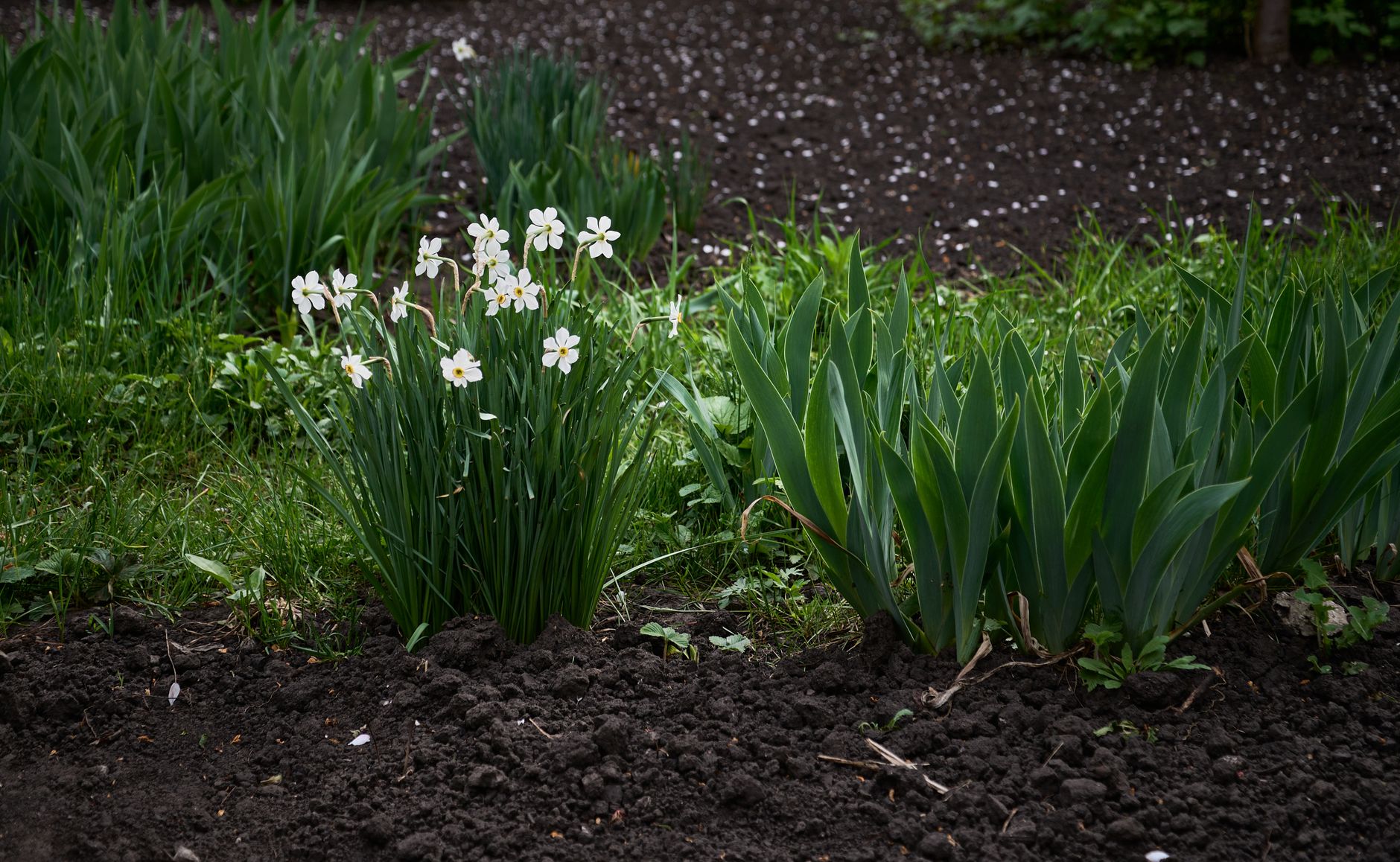
Remove weeds: Clear the area of all weeds and grass.
Loosen soil: Work the soil to a depth of 8-12 inches.
Add compost: Add 2-3 inches of compost or aged manure and mix it in.
Test pH: Aim for a pH of 6.0-7.0. Most cut flowers prefer slightly acidic to neutral soil.
Fertilize: Apply a balanced fertilizer (10-10-10) before planting.
Plan Your Garden Layout
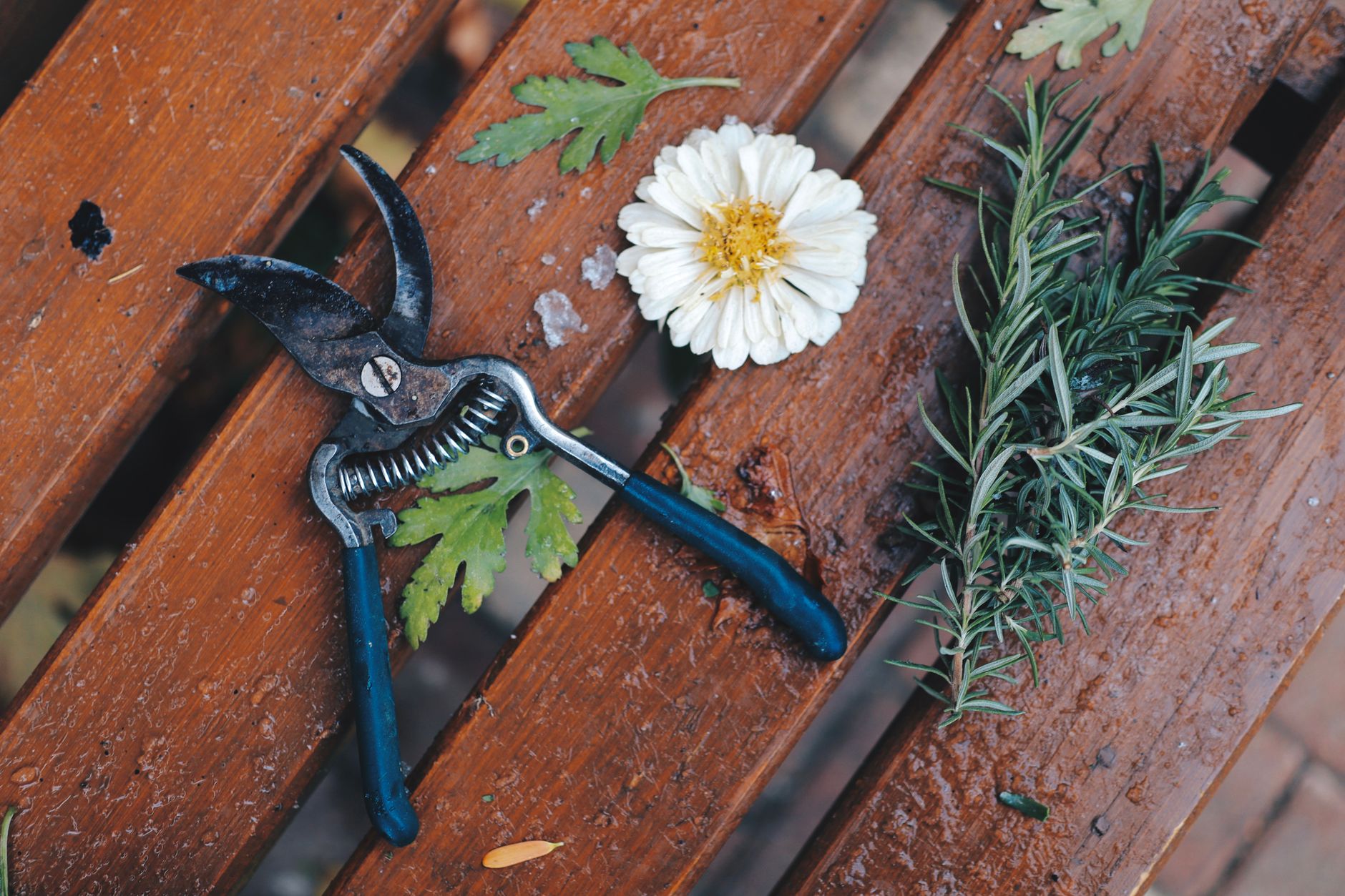
Rows vs. blocks: Plant in rows (for easy access) or blocks (for maximum production).
Spacing: Space plants according to their mature size. Overcrowding reduces air circulation and promotes disease.
Tall plants in back: Place taller varieties (sunflowers, dahlias) on the north or east side so they don't shade shorter plants.
Pathways: Leave 18-24 inches between rows for walking and harvesting.
Continuous bloom: Plant a mix of early, mid, and late-season bloomers.
Plant for Succession Blooming
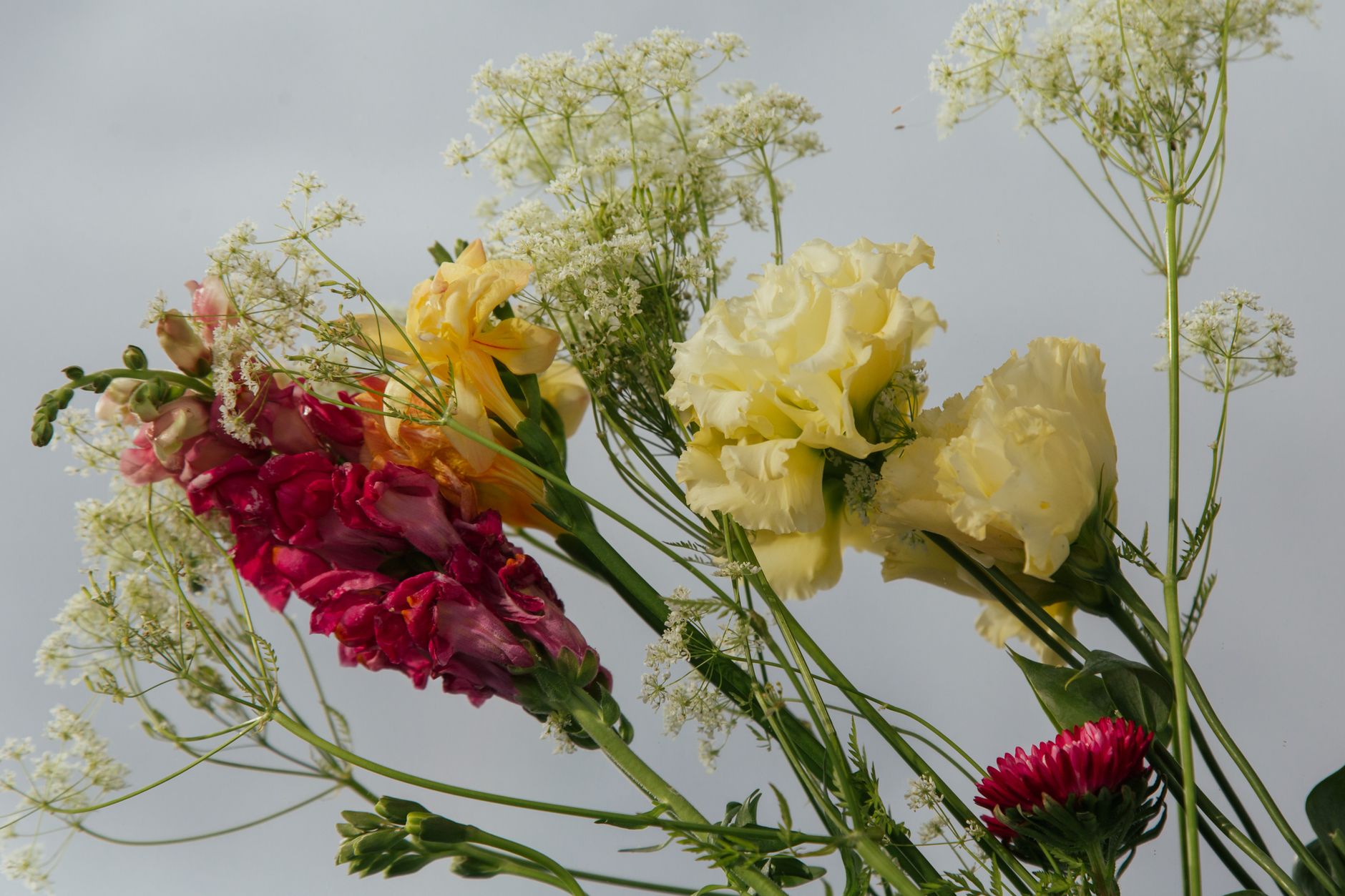
What is succession planting: Sowing seeds at intervals (every 2-3 weeks) to ensure a continuous supply of flowers.
Why it matters: It prevents gaps in your flower supply and extends the blooming season.
How to do it: Plant a new batch of fast-growing annuals (zinnias, cosmos, sunflowers) every 2-3 weeks from spring to mid-summer.
Staggered varieties: Plant early, mid, and late-season varieties of the same flower.
Overlap: The new planting should be blooming by the time the previous planting fades.
Harvest Flowers at the Right Time
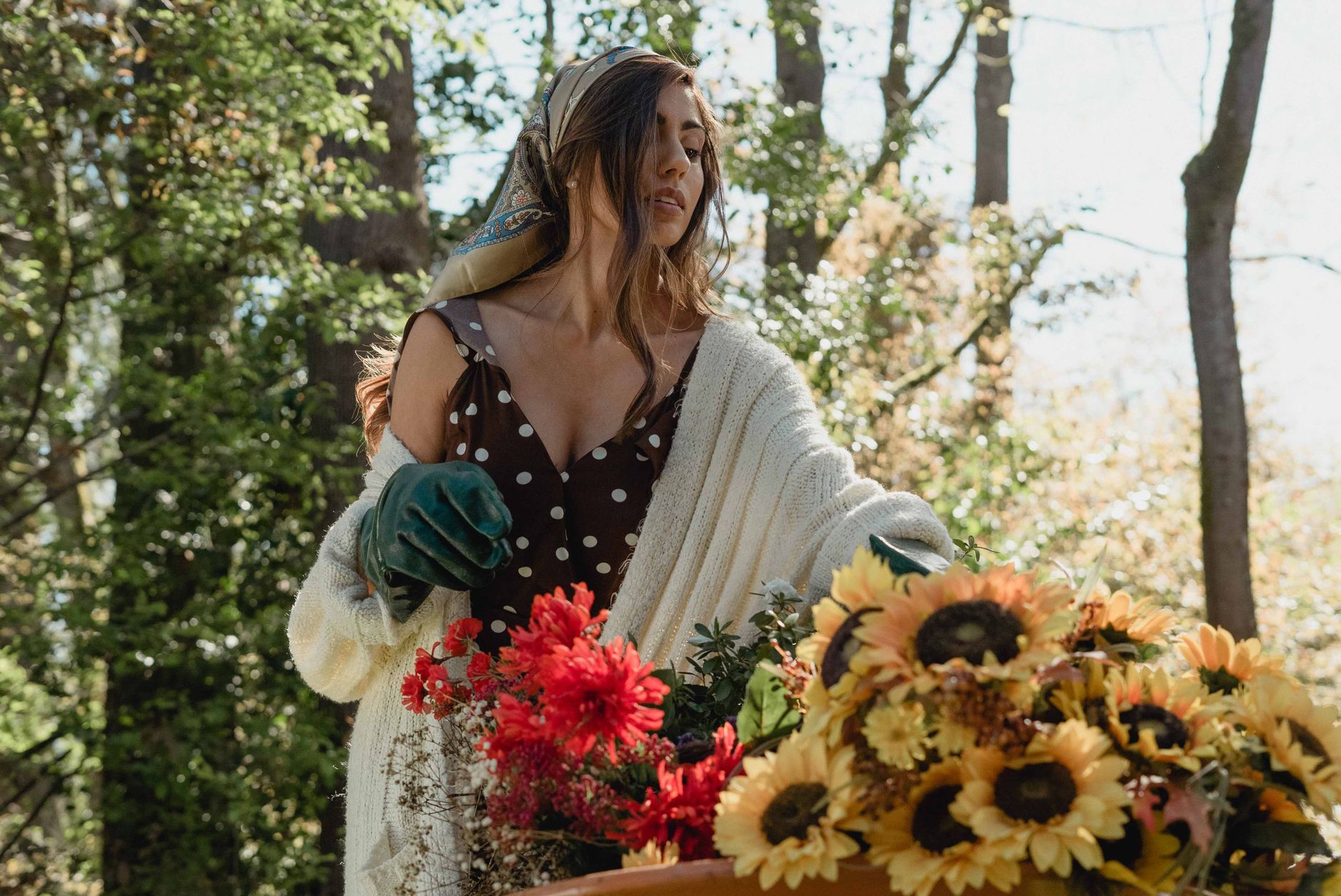
Best time: Harvest in the early morning when flowers are fully hydrated and temperatures are cool.
Stage of bloom: Harvest when flowers are at the right stage (buds for some, fully open for others).
How to cut: Use sharp shears. Cut stems at a 45-degree angle.
Immediate care: Place stems in water immediately after cutting.
Remove lower leaves: Remove leaves that will be below the waterline in the vase.
Condition Your Flowers
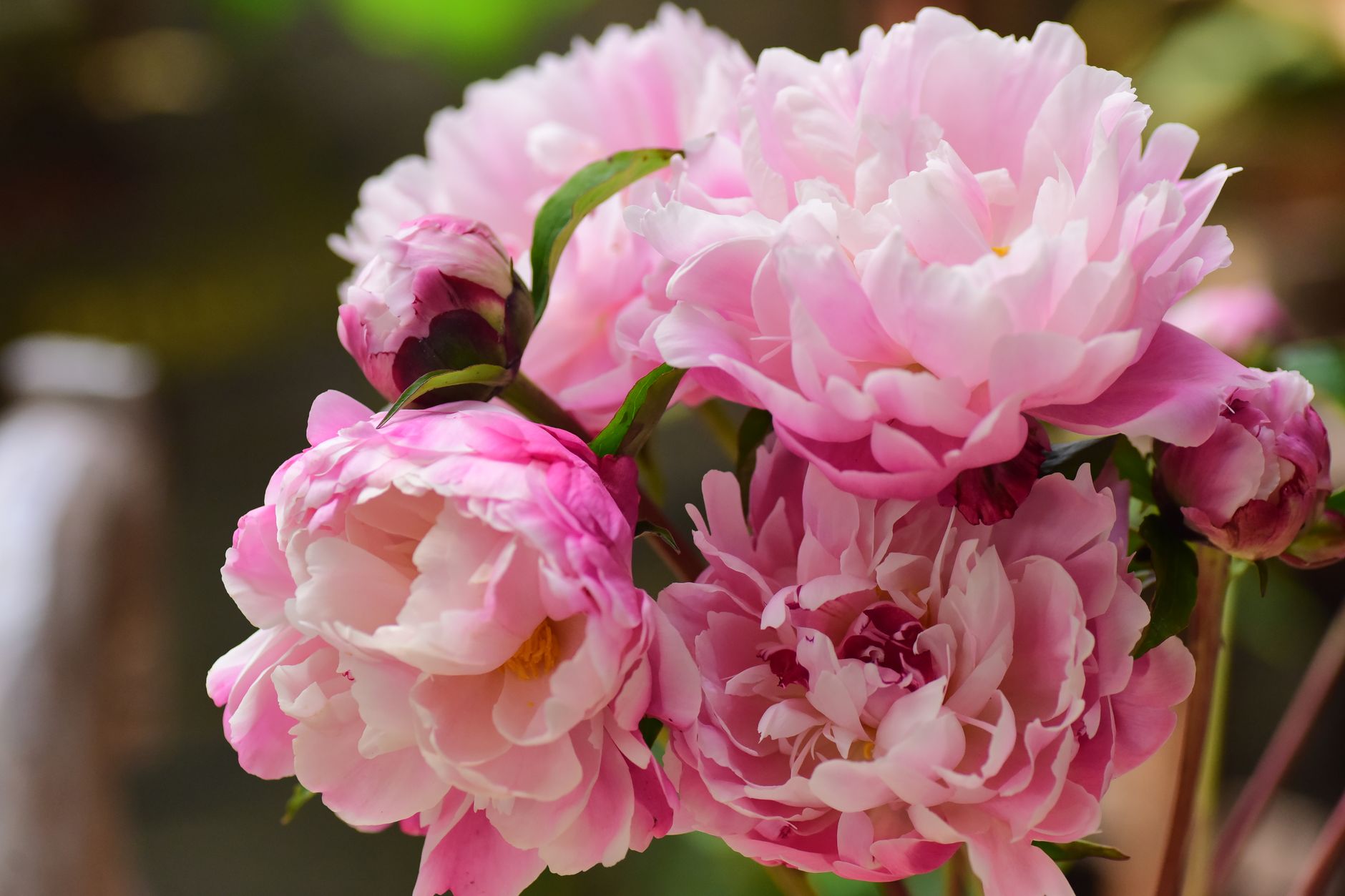
What is conditioning: The process of preparing flowers to maximize vase life.
How to do it: Place stems in warm water (100-110°F) with floral preservative.
Hydrate: Let flowers hydrate for 4-6 hours in a cool, dark place before arranging.
Why it works: Warm water is absorbed faster than cold water.
Floral preservative: Add commercial flower food or homemade (1 tsp sugar + 1 tsp bleach + 2 tsp lemon juice per quart of water).
Arrange and Enjoy Your Bouquets
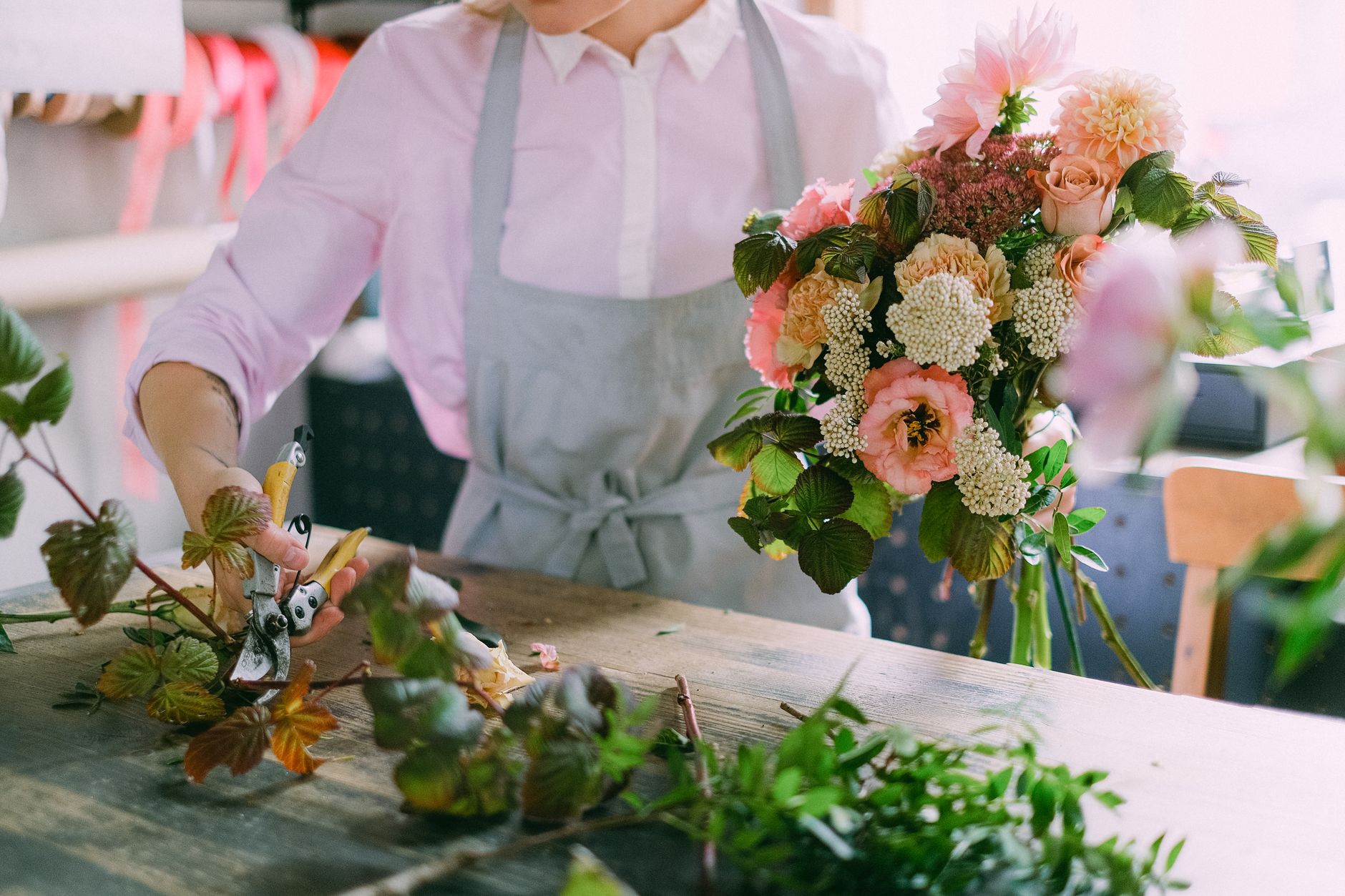
Start with a base: Choose a vase that fits your design. Add floral foam or use a grid of tape.
Focal flowers: Start with the largest or most striking flowers (peonies, sunflowers, roses).
Supporting flowers: Add flowers that complement the focal flowers (zinnias, cosmos).
Filler flowers: Add smaller flowers and foliage to fill gaps (baby's breath, statice).
Texture: Add different textures for visual interest (grasses, ferns).
Finishing: Step back and check the balance. Trim stems as needed.
Common problems and fixes
| Problem | Likely cause | What to do |
|---|---|---|
| Flowers droop soon after cutting | Cut at the wrong time or not conditioned properly. | Harvest early morning and condition in warm water with preservative. |
| Stems are too short | Not enough stem length or cutting too early. | Let plants grow taller before cutting. Cut lower on the stem. |
| Flowers don't last long in the vase | Bacteria in the water or not enough nutrients. | Change water every 2-3 days. Add floral preservative. |
| Not enough flowers to cut | Not planting enough or no succession planting. | Plant more flowers and succession plant every 2-3 weeks. |
Gardener's checklist
Test what you learned
When is the best time to harvest cut flowers?
Answer: Early morning
What angle should you cut flower stems at?
Answer: 45-degree angle
What is succession planting?
Answer: Planting seeds at intervals for continuous blooms
What does conditioning do for cut flowers?
Answer: Extends vase life
What is a good filler flower for bouquets?
Answer: Baby's breath
Common questions
How much space do I need for a cut flower garden?
Start with 10x10 feet (100 square feet). This can provide enough flowers for weekly bouquets for a family.
Can I grow cut flowers in containers?
Yes! Many cut flowers grow well in containers. Choose compact varieties and use large pots (12-18 inches).
What is the best fertilizer for cut flowers?
Use a balanced fertilizer (10-10-10) or a flower-specific fertilizer (5-10-5). Apply at planting and every 4-6 weeks during the growing season.
How long do cut flowers last in a vase?
With proper care, most cut flowers last 5-10 days. Changing water every 2-3 days and adding floral preservative extends vase life.
What are the easiest cut flowers for beginners?
Zinnias, sunflowers, cosmos, and marigolds are all easy to grow and great for cutting.
A cut flower garden brings the beauty of the outdoors inside, providing fresh bouquets from spring to fall. Choose a sunny spot, prepare the soil well, and select a mix of annuals, perennials, and bulbs for continuous blooms. Succession planting ensures a steady supply of flowers. Harvest in the early morning, cut stems at an angle, and condition flowers before arranging. With careful planning and consistent care, you'll have beautiful, homegrown flowers to enjoy and share all season long.
Frequently asked questions
How often should a vegetable garden be watered?
Frequency depends on weather, soil and plant size. Check the soil rather than watering on a rigid schedule.
Is compost enough fertilizer?
Compost improves soil and provides nutrients slowly. Heavy-feeding crops may still need additional feeding.

The Sproutstead Editorial Team
We create clear, practical gardening and homesteading guides designed for real homes and beginner growers.
View author profile →