
Dahlias are tender perennials that produce spectacular blooms from mid-summer until frost. Plant tubers in spring after the last frost in full sun (6-8 hours) with well-draining soil. Dig a hole 6-8 inches deep, place the tuber horizontally with the eye facing up, and cover with soil. Water deeply after planting and keep the soil moist. Stake tall varieties to support heavy blooms. Pinch back the center when plants reach 12 inches tall to encourage bushiness. Fertilize every 4-6 weeks. In cold climates, dig up and store tubers in fall after the first frost. Dahlias are excellent for cut flowers and come in a dazzling array of colors and forms.
What you will need
Choose the Right Dahlia Variety

Dinner Plate Dahlias: Largest blooms (8-12 inches across). Tall (3-5 feet). Need staking. Popular: Café au Lait, Kelvin Floodlight, Thomas Edison.
Cactus Dahlias: Spiky, pointed petals. Unique texture. Medium to tall. Popular: Apache, Babylon Bronze, Karma Sangria.
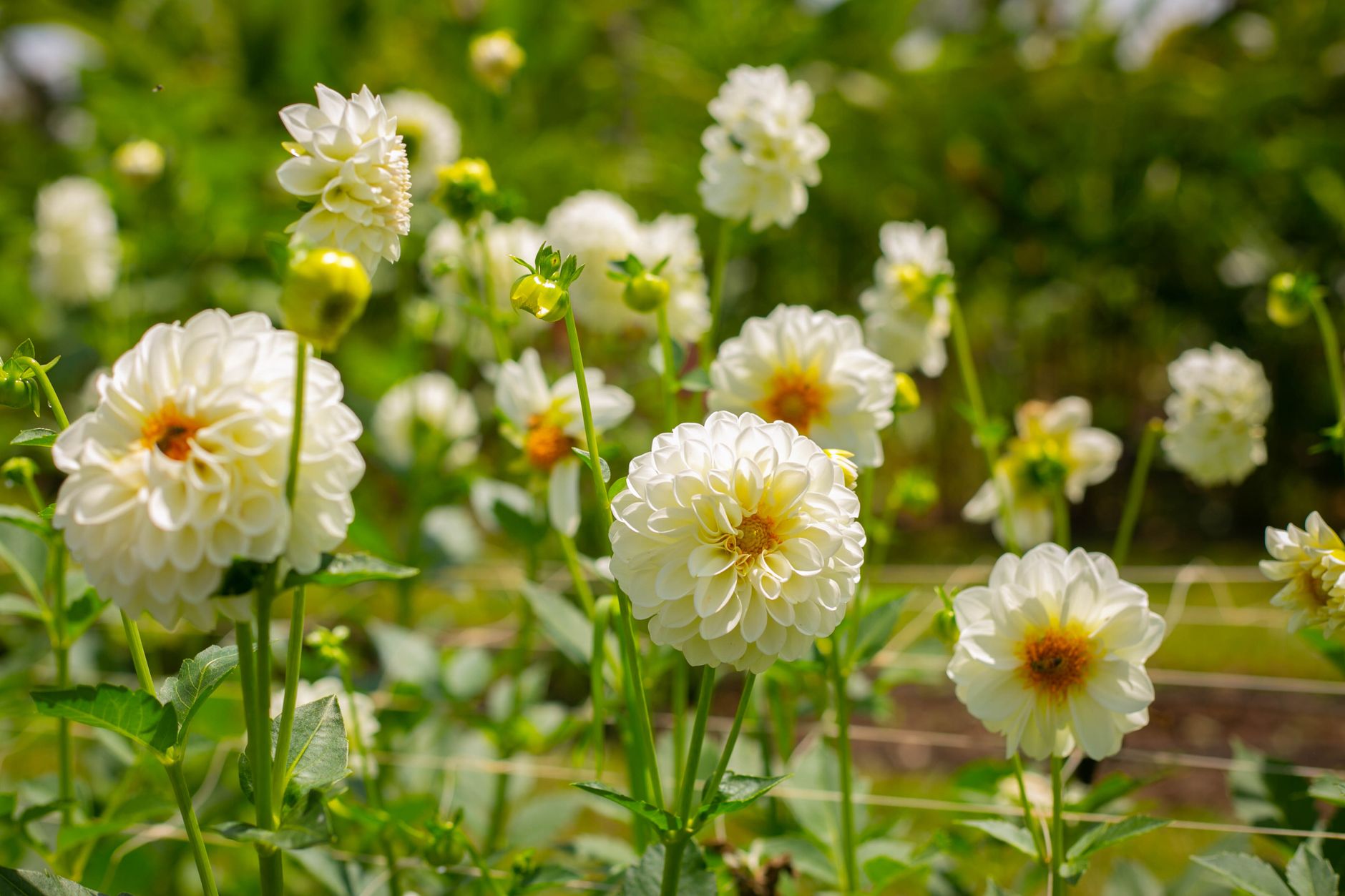
Ball Dahlias: Perfectly round, ball-shaped blooms. Medium height. Popular: Jowey Winnie, Marble Ball, Cornel Bronze.
Pompon Dahlias: Small, round, button-like blooms. Compact (1-2 feet). Popular: Moonfire, Sunfire, Blackberry Ripple.
Single Dahlias: Simple, daisy-like flowers. Good for pollinators. Popular: Bishop of Llandaff, Happy Single.
Waterlily Dahlias: Flat, open blooms that resemble waterlilies. Popular: Labyrinth, Rosita, Tendresse.
Dwarf Dahlias: Compact (1-2 feet), good for containers. Popular: Figaro, Mignon, Gallery series.
Select the Best Planting Site
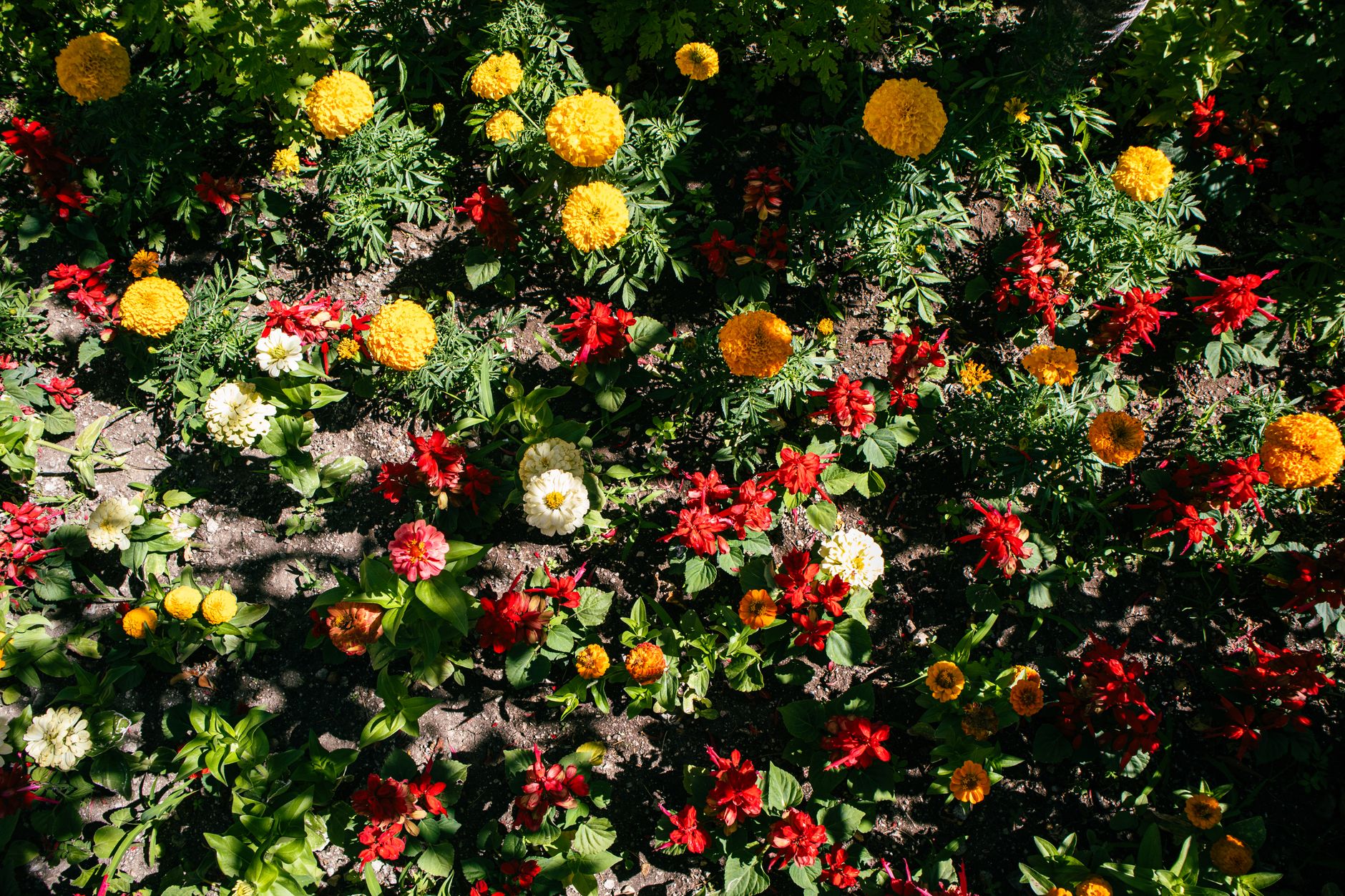
Sunlight: Dahlias need 6-8 hours of direct sunlight daily. More sun = more blooms.
Soil: Well-draining, fertile soil with a pH of 6.0-7.0. Add compost to improve drainage.
Drainage: Good drainage is essential—tubers rot in wet soil.
Air circulation: Good airflow prevents fungal diseases. Space plants 12-36 inches apart (depending on size).
Protection: Protect from strong winds, which can break tall stems.
Plant Dahlia Tubers Correctly

When to plant: Plant in spring after the last frost when the soil has warmed to 60°F.
Planting depth: Dig a hole 4-6 inches deep. Place the tuber horizontally with the eye (growing point) facing up.
Spacing: Space small varieties 12-18 inches apart, medium 18-24 inches, and large (dinner plate) 24-36 inches.
Fertilizer: Add a handful of bone meal or balanced fertilizer to the planting hole.
Don't water: Don't water until the first shoots appear (to prevent rot).
Water and Mulch
Water: Water deeply 1-2 times per week (1-2 inches).
Consistency: Consistent moisture is key—dry spells can reduce blooming.
Mulch: Apply 2-3 inches of mulch (wood chips or straw) to retain moisture and suppress weeds.
Avoid: Avoid overhead watering to prevent fungal diseases.
Stake and Support

Why stake: Tall varieties (3-5 feet) need support to prevent stems from breaking under the weight of heavy blooms.
When to stake: Install stakes at planting time to avoid damaging the tuber.
What to use: Bamboo stakes, metal plant supports, or tomato cages.
How to stake: Insert a stake next to each plant. Tie stems to the stake with soft twine as they grow.
Heavy blooms: Dinner plate dahlias especially need strong support.
Pinch for Bushier Growth

What is pinching: Removing the center growing tip to encourage side branching.
When to pinch: When plants reach 12 inches tall.
How to pinch: Cut the center stem just above the third set of leaves.
Benefits: Creates bushier, fuller plants with more blooms.
Timing: Pinch early in the season (June) for the best results.
Fertilize Regularly

When to fertilize: Apply fertilizer every 4-6 weeks from spring to mid-summer.
What to use: Use a low-nitrogen fertilizer (5-10-10 or 10-20-20) to promote blooms.
How much: Follow package instructions. Avoid high nitrogen—it promotes leaves over flowers.
Organic options: Bone meal, fish emulsion, or composted manure are excellent choices.
Stop: Stop fertilizing in August to allow the tubers to mature.
Overwinter Dahlias

When to dig: After the first frost has blackened the foliage (usually October-November).
How to dig: Cut stems to 4-6 inches. Gently dig up the tubers, being careful not to damage them.
Clean: Remove soil from the tubers and let them dry for a few days.
Storage: Store in a cool (40-50°F), dry, dark place in peat moss, vermiculite, or sawdust.
Check: Check monthly for rot or shriveling. Mist if they're drying out.
Replant: Replant in spring after the last frost.
Common problems and fixes
| Problem | Likely cause | What to do |
|---|---|---|
| Tubers not sprouting | Planted too deep, too cold, or rotting in wet soil. | Check planting depth and soil moisture. Replant if needed. |
| Plants not blooming | Too much nitrogen or not enough sun. | Use low-nitrogen fertilizer and ensure 6-8 hours of sun. |
| Powdery mildew | Poor air circulation or too much moisture. | Prune to improve airflow and apply fungicide if needed. |
| Slugs and snails | Damp conditions. | Use beer traps, diatomaceous earth, or iron phosphate bait. |
| Tubers rotting in storage | Too much moisture or not enough airflow. | Store in dry vermiculite or peat moss and check monthly. |
Gardener's checklist
Test what you learned
When should you plant dahlia tubers?
Answer: Spring (after last frost)
How deep should dahlia tubers be planted?
Answer: 4-6 inches
Why should you pinch dahlias?
Answer: To encourage bushier growth and more blooms
When should you dig up dahlias in cold climates?
Answer: After the first frost
What type of fertilizer is best for dahlias?
Answer: Low nitrogen, high phosphorus
Common questions
Do dahlias come back every year?
In USDA zones 8-11, dahlias can overwinter in the ground. In colder zones, tubers must be dug up and stored for winter.
How long do dahlias bloom?
Dahlias bloom from mid-summer (July) until the first frost (October), providing 10-14 weeks of color.
How do I get more dahlia blooms?
Pinch plants when they're 12 inches tall, fertilize regularly with low-nitrogen fertilizer, and deadhead spent blooms.
Can I grow dahlias in containers?
Yes, choose dwarf or compact varieties and use a large container (15-20 gallons). Water regularly and fertilize every 4-6 weeks.
Do dahlias attract pollinators?
Yes, single and semi-double dahlias are excellent for bees and butterflies. Double-flowered varieties have less accessible nectar.
Dahlias are spectacular, long-blooming flowers that add drama and color to any garden. Plant them in spring after the last frost, in full sun with well-draining soil. Stake tall varieties, pinch for bushiness, and fertilize regularly for continuous blooms. In cold climates, dig up and store tubers after the first frost. With their incredible variety of colors, shapes, and sizes, dahlias are one of the most rewarding flowers you can grow.
Frequently asked questions
How often should a vegetable garden be watered?
Frequency depends on weather, soil and plant size. Check the soil rather than watering on a rigid schedule.
Is compost enough fertilizer?
Compost improves soil and provides nutrients slowly. Heavy-feeding crops may still need additional feeding.

The Sproutstead Editorial Team
We create clear, practical gardening and homesteading guides designed for real homes and beginner growers.
View author profile →

