
Tulips are one of the most popular spring-blooming bulbs, known for their vibrant colors and elegant shape. Plant tulip bulbs in fall (September-November) when the soil has cooled to 60°F. Choose a sunny location (6+ hours) with well-draining soil. Plant bulbs 6-8 inches deep, with the pointed end up, spacing them 4-6 inches apart. Water after planting and mulch for winter protection. Tulips bloom in spring (April-May) for 1-2 weeks. After blooming, deadhead spent flowers but allow the foliage to die back naturally. In warmer climates, bulbs may need to be dug up and chilled for 8-12 weeks before replanting. Tulips come in a dazzling array of colors, shapes, and heights.
What you will need
Choose the Right Tulip Varieties
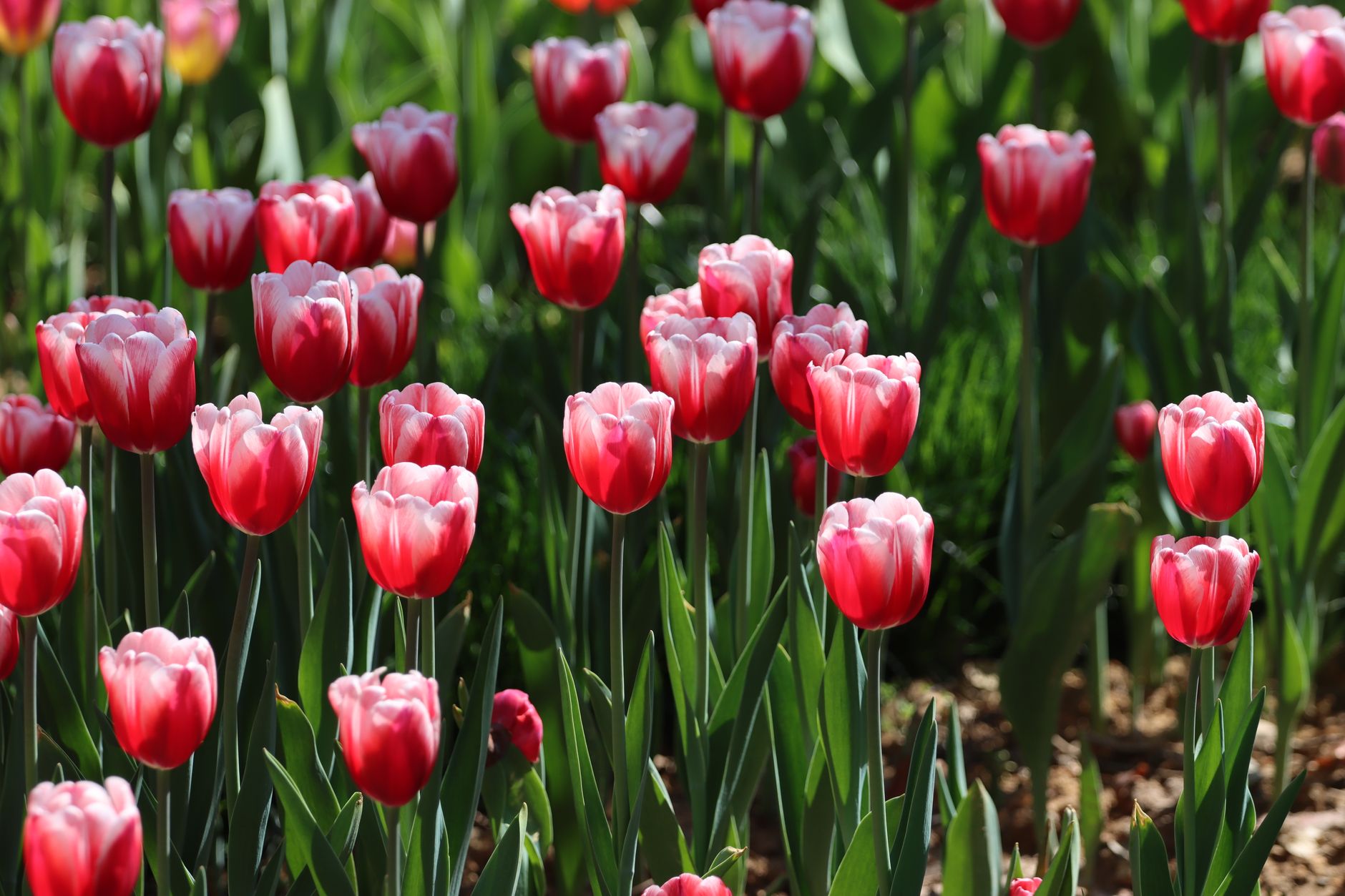
Single Early: Bloom early (April). 10-16 inches tall. Classic cup-shaped flowers. Good for containers.
Darwin Hybrid: Mid-season (April-May). 20-24 inches tall. Large, sturdy flowers. Excellent for garden beds.
Triumph: Mid-season. 16-20 inches tall. Classic tulip shape. Good for mass planting.
Parrot: Late season. 16-24 inches tall. Fringed, ruffled petals. Dramatic and showy.
Fringed: Late season. 16-20 inches tall. Fringed petal edges. Unique texture.
Double Late: Late season. 12-18 inches tall. Peony-like double blooms. Excellent for cut flowers.
Species Tulips: Early bloom. 4-12 inches tall. Small, delicate flowers. Naturalize well.
Best for beginners: Darwin Hybrid and Triumph varieties are reliable and easy to grow.
Select the Best Planting Site
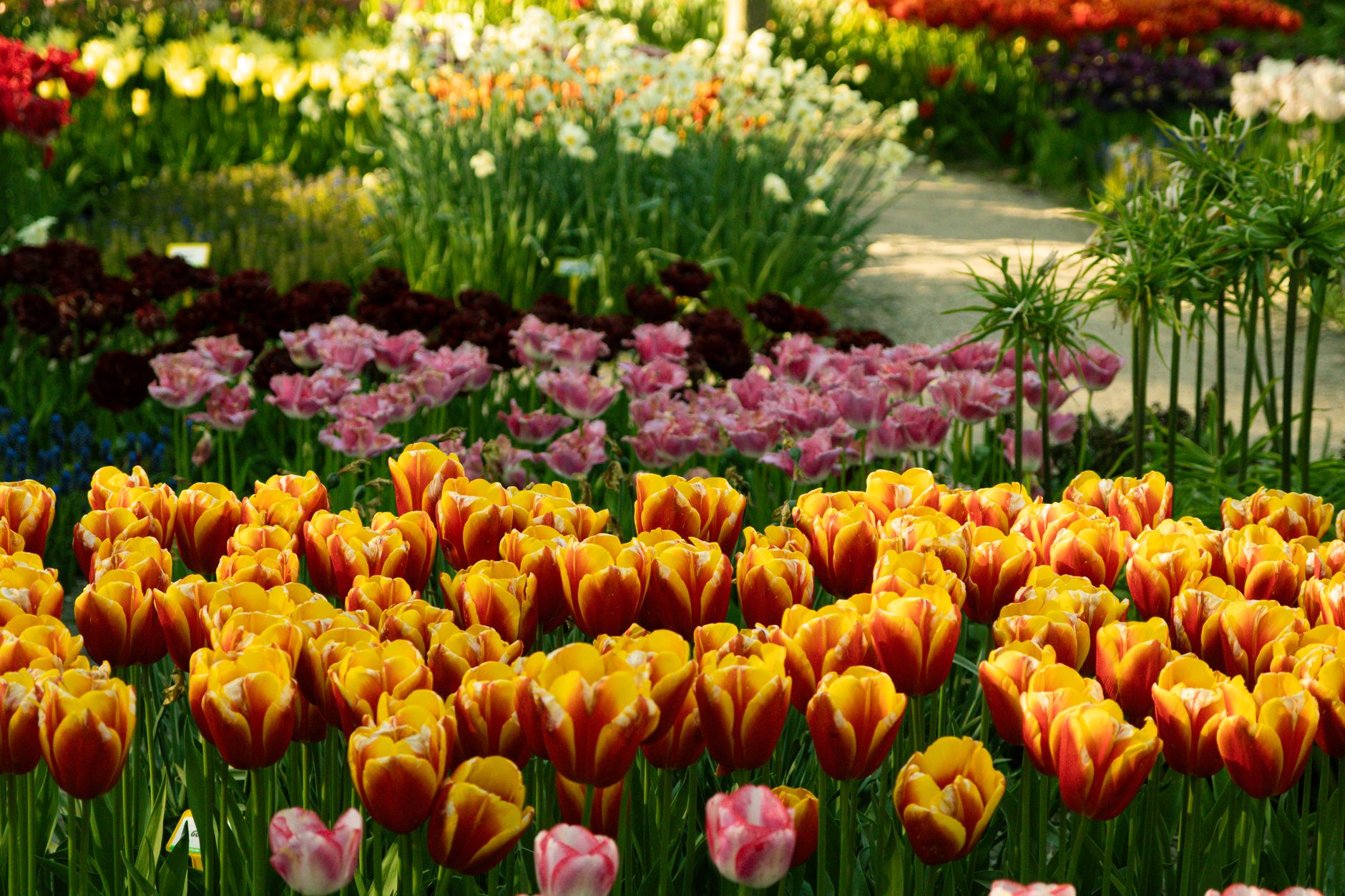
Sunlight: Tulips need 6+ hours of direct sunlight daily for the best blooms.
Soil: Well-draining, fertile soil with a pH of 6.0-7.0. Add compost to improve drainage.
Drainage: Good drainage is essential—tulip bulbs rot in wet soil.
Protection: Plant in a spot protected from strong winds.
Mass planting: Plant in groups of 15-25 bulbs for the best visual impact.
Plant Tulip Bulbs Correctly
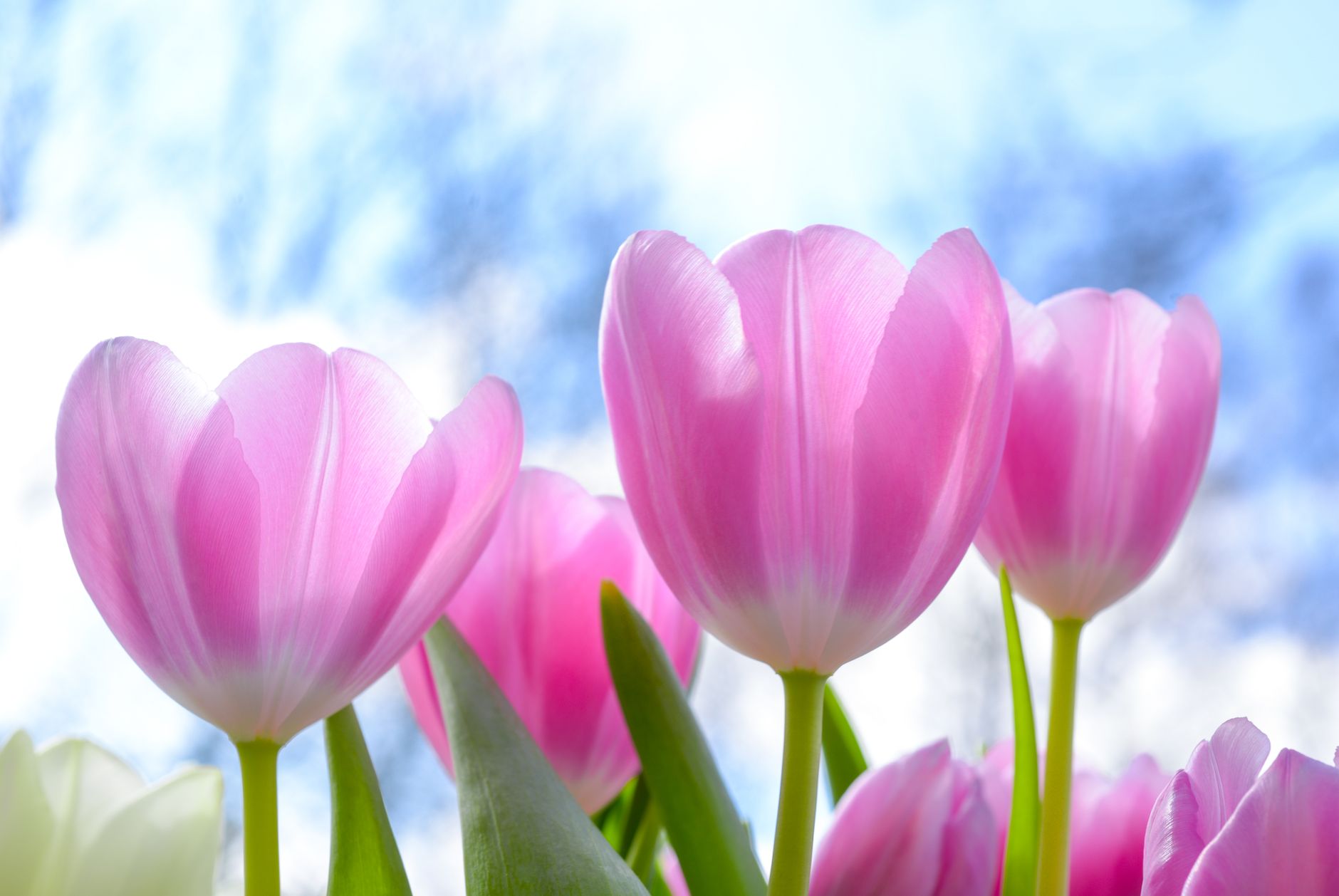
When to plant: Plant in fall when the soil temperature has cooled to 60°F (September-November).
Planting depth: Plant bulbs 6-8 inches deep (measured from the base of the bulb).
Spacing: Space bulbs 4-6 inches apart.
Planting direction: Plant with the pointed end facing up.
Water: Water well after planting to settle the soil.
Water and Mulch
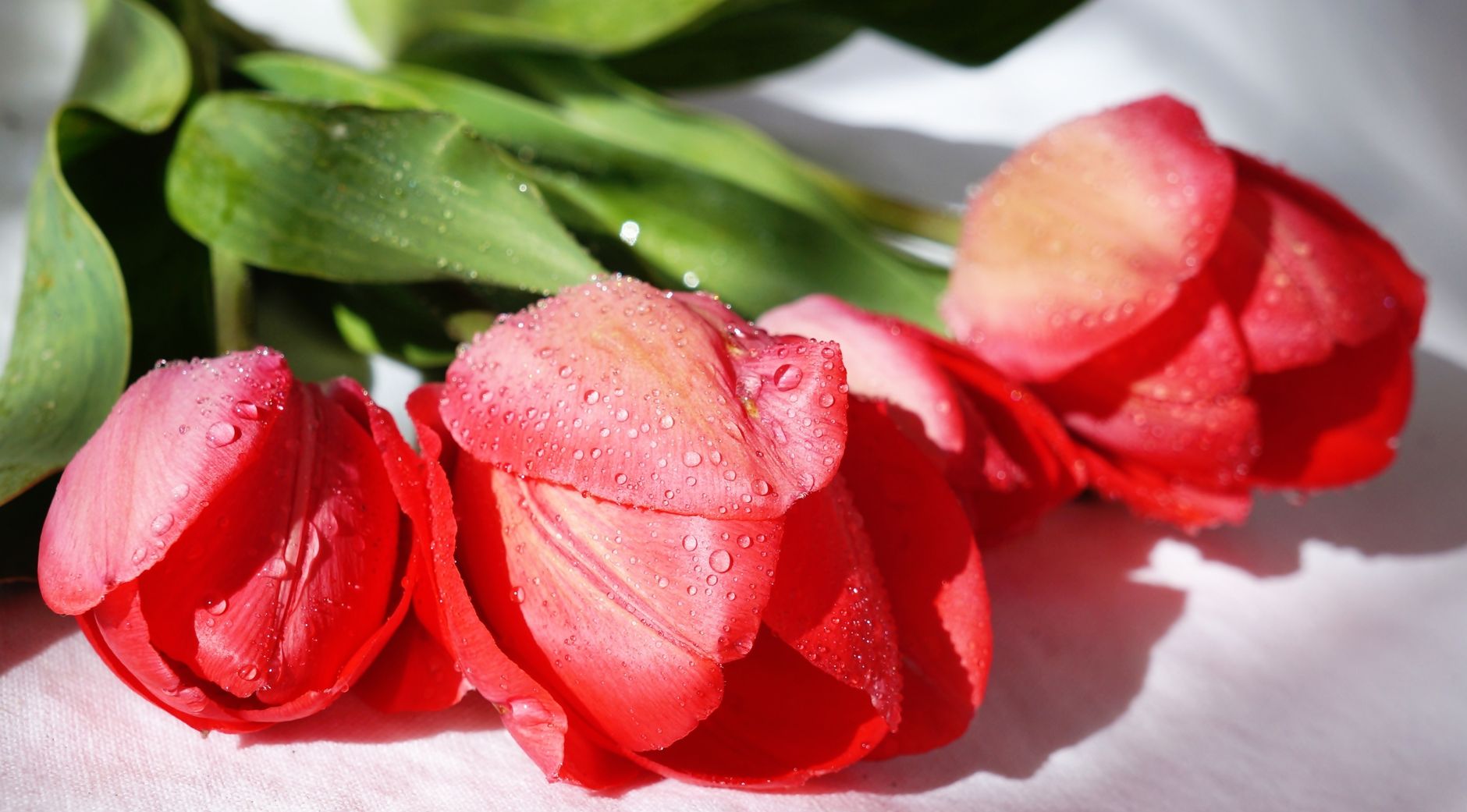
Water: Water well after planting to help roots establish.
Winter: In cold climates, apply 2-3 inches of mulch (straw, leaves, or wood chips) for winter protection.
Spring watering: Water during dry spring spells, but avoid overwatering.
After blooming: Reduce watering after flowers fade.
Fertilize Tulips
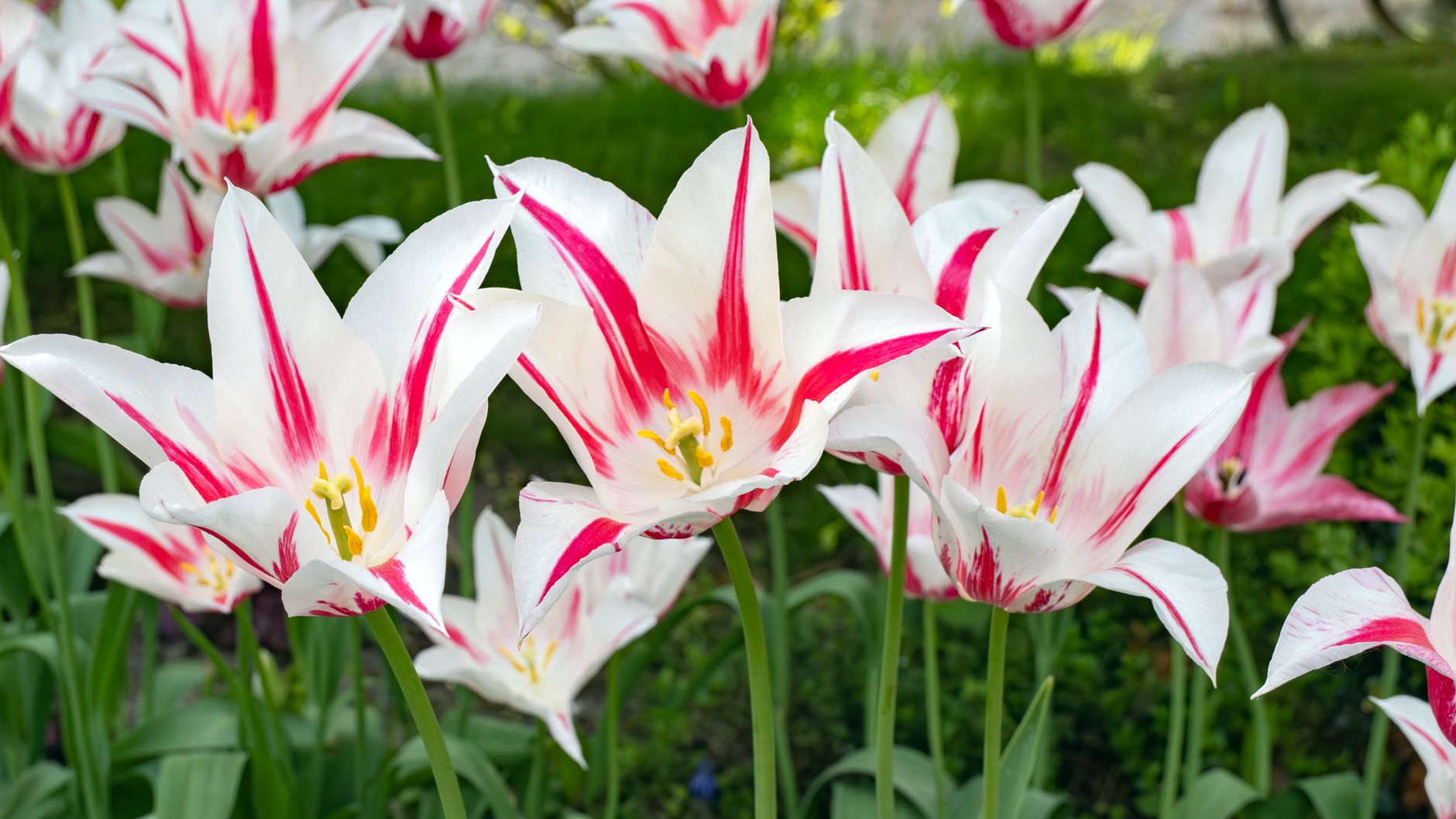
At planting: Add bone meal or bulb fertilizer to the planting hole.
Spring: Apply a balanced fertilizer (5-10-5) in spring when shoots emerge.
After blooming: Allow foliage to die back naturally—it feeds the bulb for next year.
Deadhead and Care After Blooming
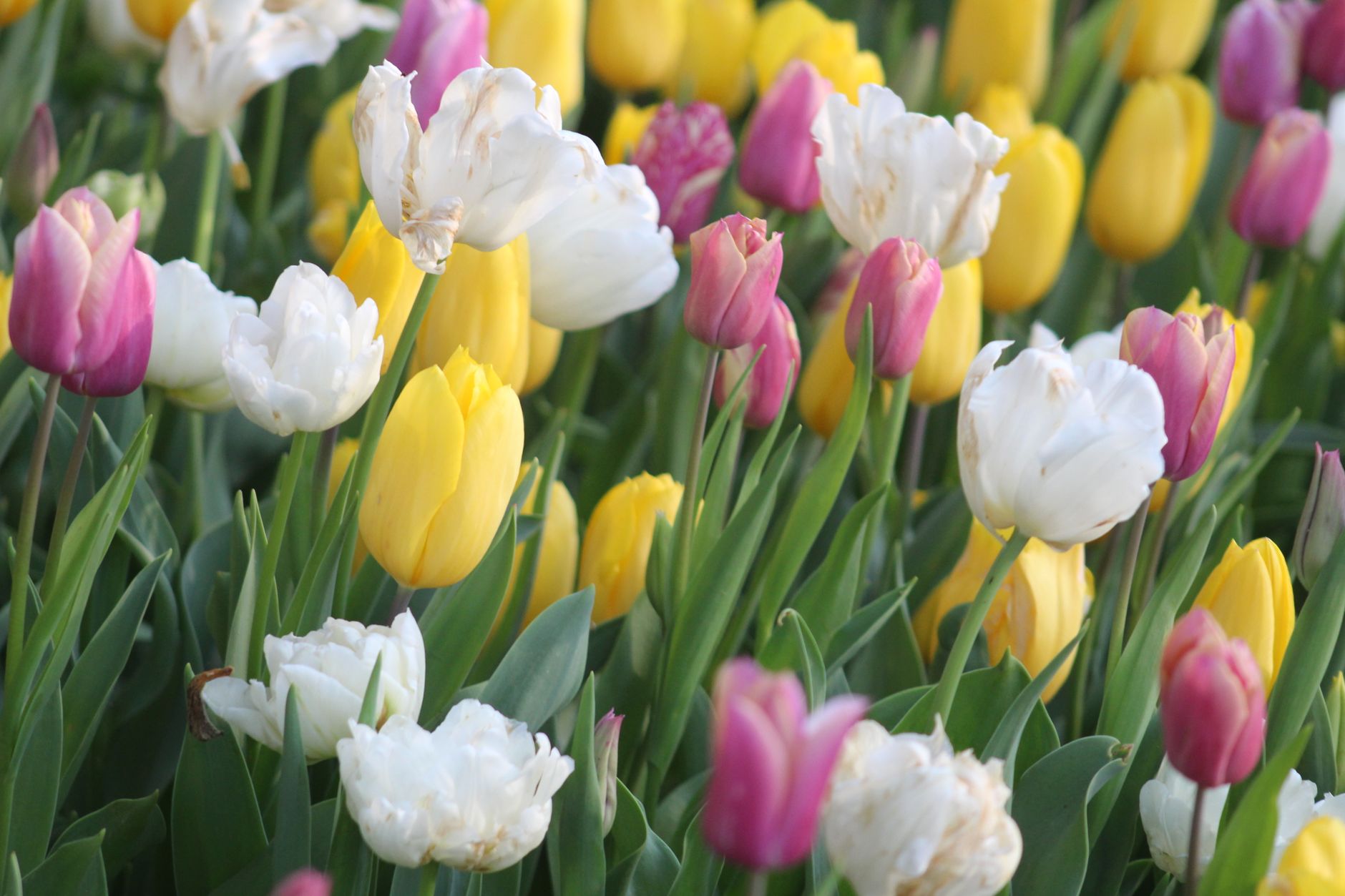
Deadhead: Remove spent flowers to prevent the plant from putting energy into seed production.
Leave foliage: Allow foliage to die back naturally—it feeds the bulb for next year.
Don't braid: Don't braid or tie back leaves—they need full sun to photosynthesize.
When to remove: Remove foliage when it turns yellow and dies back (6-8 weeks after blooming).
Lift and Store Bulbs (Optional)
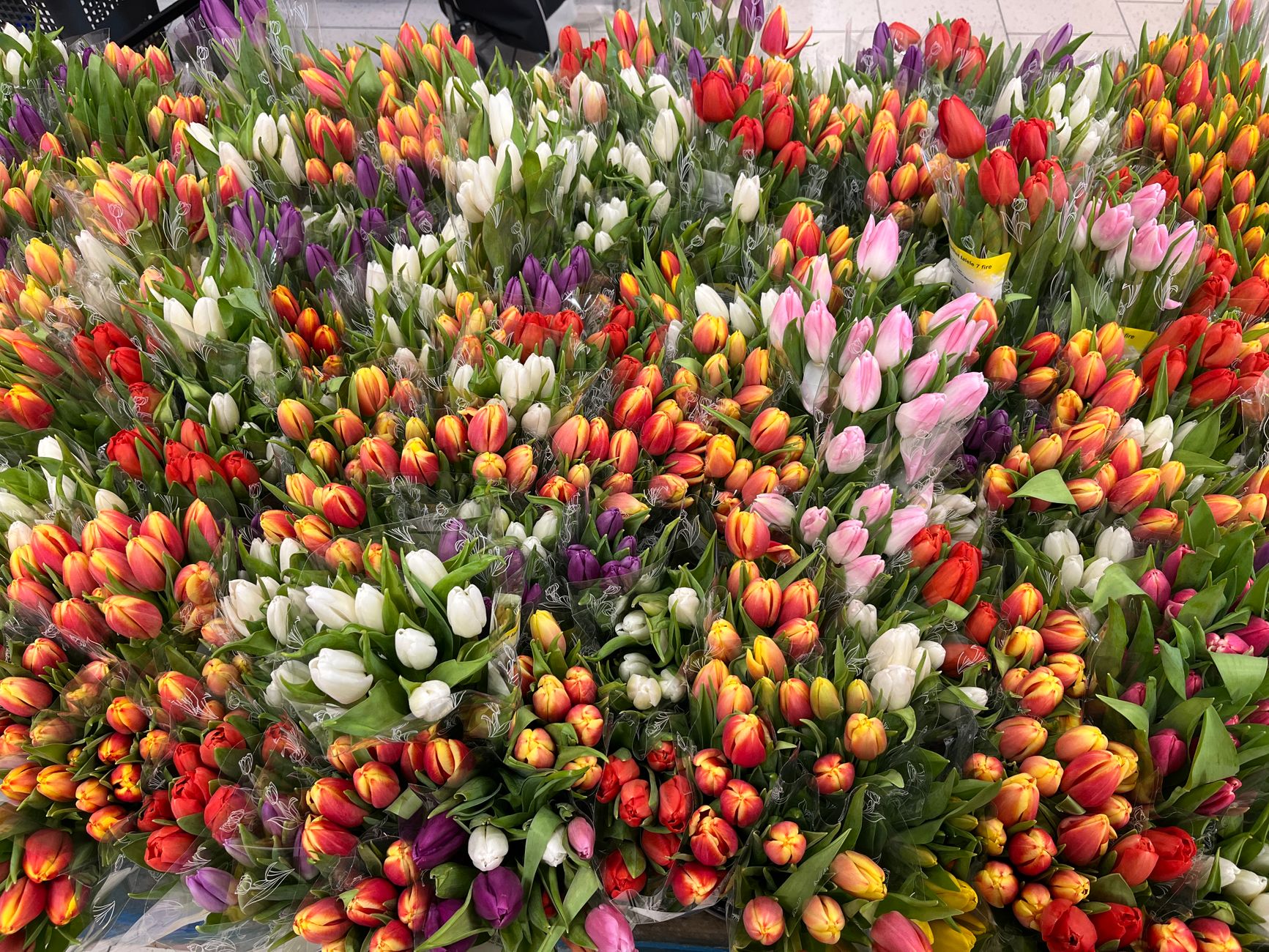
Why lift: In warmer climates (zones 8+), tulips may not get enough winter chill. Lifting and chilling bulbs ensures blooms next year.
When to lift: After foliage dies back (6-8 weeks after blooming).
How to lift: Carefully dig up bulbs, remove soil, and let them dry.
Chilling: Store bulbs in a paper bag in the refrigerator for 8-12 weeks before replanting.
Replant: Replant in fall.
Troubleshoot Common Issues
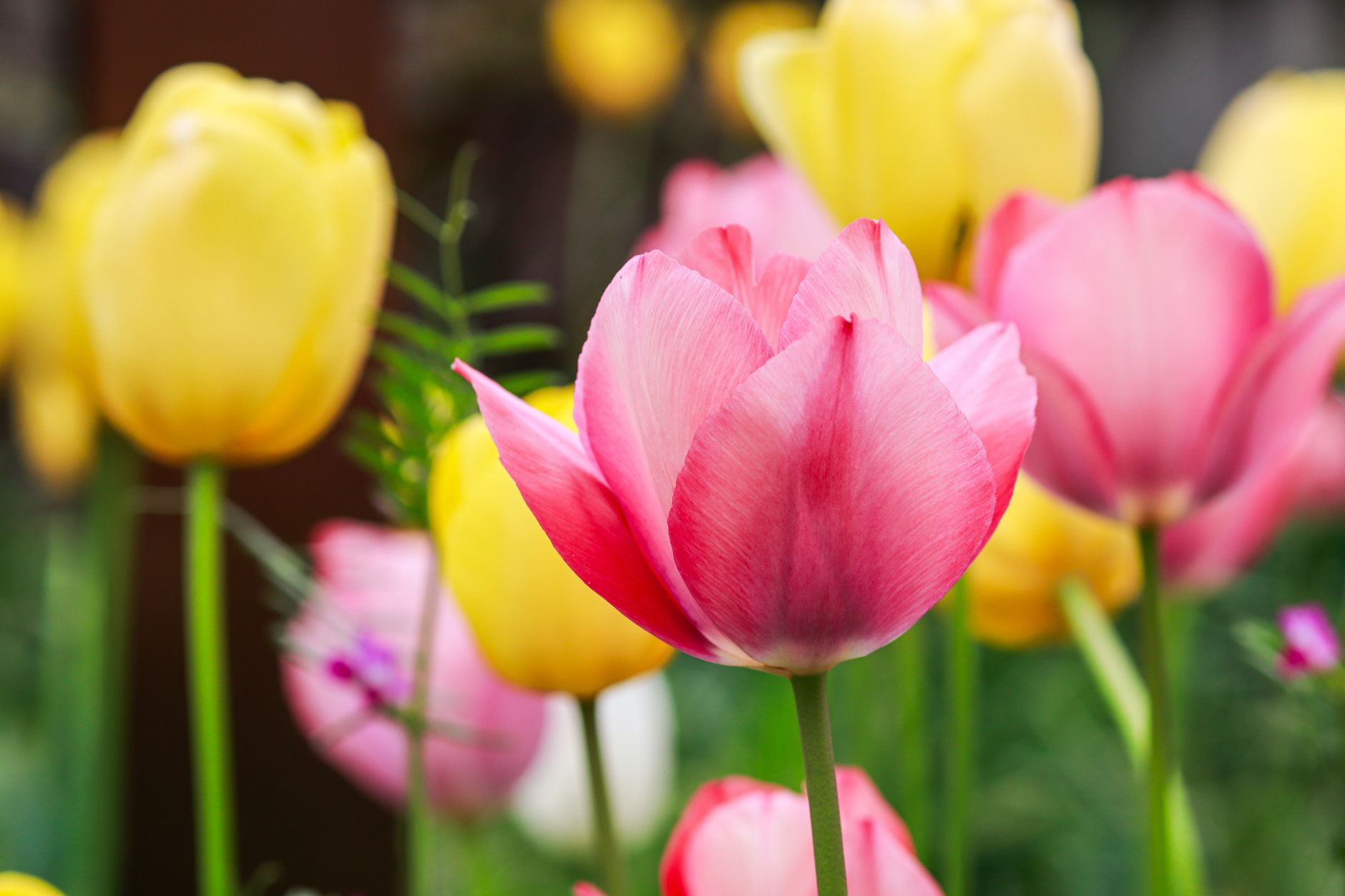
No blooms: Planted too shallow or deep, overcrowded, or not enough winter chill.
Squirrels eating bulbs: Protect with hardware cloth or chicken wire over the planting area.
Bulb rot: Poor drainage—improve drainage with compost.
Leaves yellowing: Natural die-back after blooming—allow foliage to die back.
Diseases: Remove affected bulbs and treat with fungicide.
Common problems and fixes
| Problem | Likely cause | What to do |
|---|---|---|
| No blooms | Planted too shallow or deep, or not enough winter chill. | Plant 6-8 inches deep. Chill bulbs for 8-12 weeks in warmer climates. |
| Squirrels eating bulbs | Squirrels attracted to bulbs. | Cover planting area with hardware cloth or chicken wire. |
| Bulbs rotting | Poor drainage or overwatering. | Improve drainage and reduce watering. |
| Leaves yellowing | Natural die-back after blooming. | Allow foliage to die back naturally. |
Gardener's checklist
Test what you learned
When should you plant tulip bulbs?
Answer: Fall (September-November)
How deep should tulip bulbs be planted?
Answer: 6-8 inches
What direction should tulip bulbs be planted?
Answer: Pointed end up
When should you cut back tulip foliage?
Answer: After it dies back naturally
What is the best time to fertilize tulips?
Answer: Spring (when shoots emerge)
Common questions
Do tulips come back every year?
Tulips are perennials and can come back for several years. However, many gardeners treat them as annuals and replant each fall for the best blooms.
Why didn't my tulips bloom?
Common reasons: planted too shallow or deep, not enough winter chill, or overcrowded bulbs.
Can I plant tulips in containers?
Yes! Tulips grow well in containers. Use well-draining potting mix and plant bulbs 6-8 inches deep. For winter protection, move containers to a sheltered spot.
How do I protect tulips from squirrels?
Cover planting areas with hardware cloth or chicken wire. You can also use repellents or plant bulbs in containers that squirrels can't access.
How long do tulips bloom?
Tulips bloom for 1-2 weeks in spring (April-May). The blooming period depends on the variety and weather conditions.
Tulips are the quintessential spring flower, bringing vibrant color to the garden after winter. Plant bulbs in fall, in full sun with well-draining soil. Plant at the correct depth (6-8 inches) with the pointed end up. Water after planting, mulch for winter protection, and fertilize in spring. Deadhead spent flowers but allow foliage to die back naturally. In warmer climates, lift and chill bulbs for 8-12 weeks before replanting. With proper care, tulips will reward you with stunning spring color year after year.
Frequently asked questions
How often should a vegetable garden be watered?
Frequency depends on weather, soil and plant size. Check the soil rather than watering on a rigid schedule.
Is compost enough fertilizer?
Compost improves soil and provides nutrients slowly. Heavy-feeding crops may still need additional feeding.

The Sproutstead Editorial Team
We create clear, practical gardening and homesteading guides designed for real homes and beginner growers.
View author profile →

