
Overwintering dahlias is essential in cold climates (zones below 8) to protect tubers from freezing. After the first frost, cut stems to 4-6 inches, carefully dig up the tubers, and gently brush off soil. Let them dry for a few days in a cool, frost-free place, then store in a box filled with peat moss, vermiculite, or sawdust in a cool (40-50°F), dark, dry location. Check monthly for rot or shriveling. Replant in spring after the last frost. With proper storage, dahlias can be enjoyed for many years.
What you will need
Know When to Dig Up Dahlias
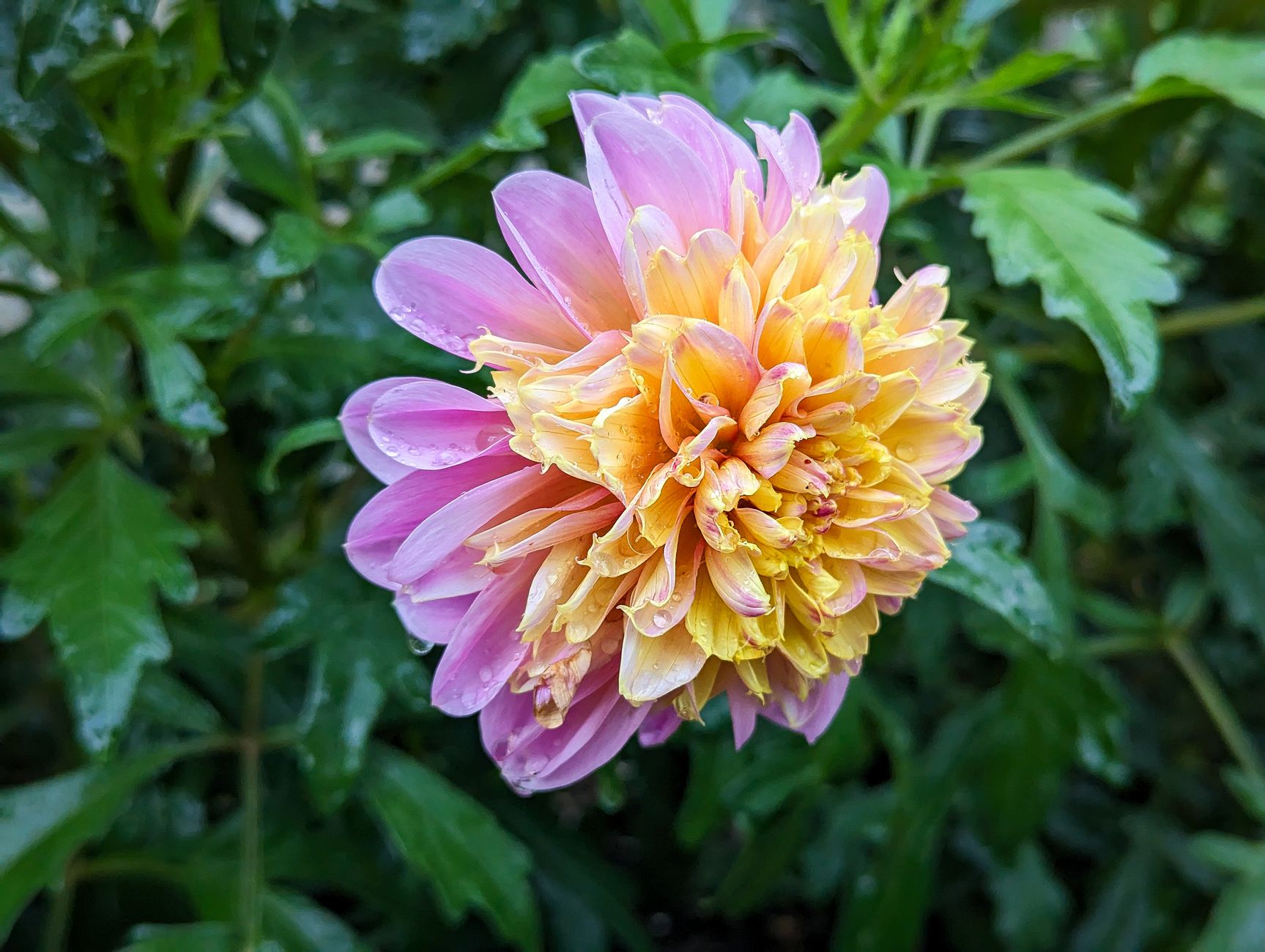
When to dig: Dig up dahlia tubers after the first frost has blackened the foliage (usually October-November).
Why wait: Waiting allows the tubers to harden off and store energy for winter.
Don't wait too long: Dig before the ground freezes solid—frozen tubers die.
Timing by zone: Zones 8-11 can often leave tubers in the ground. Zones 7 and below need to dig them up.
Check the weather: If a hard freeze is forecast, dig immediately.
Dig Up the Tubers Carefully

Cut stems: Cut the stems back to 4-6 inches above the ground.
Dig wide: Start digging 12-18 inches away from the stem to avoid damaging the tubers.
Lift gently: Use a garden fork to gently lift the tubers from the ground.
Shake off soil: Gently shake off the excess soil—don't wash with water.
Be careful: Tubers are fragile—don't pull or yank them.
Clean and Prepare the Tubers
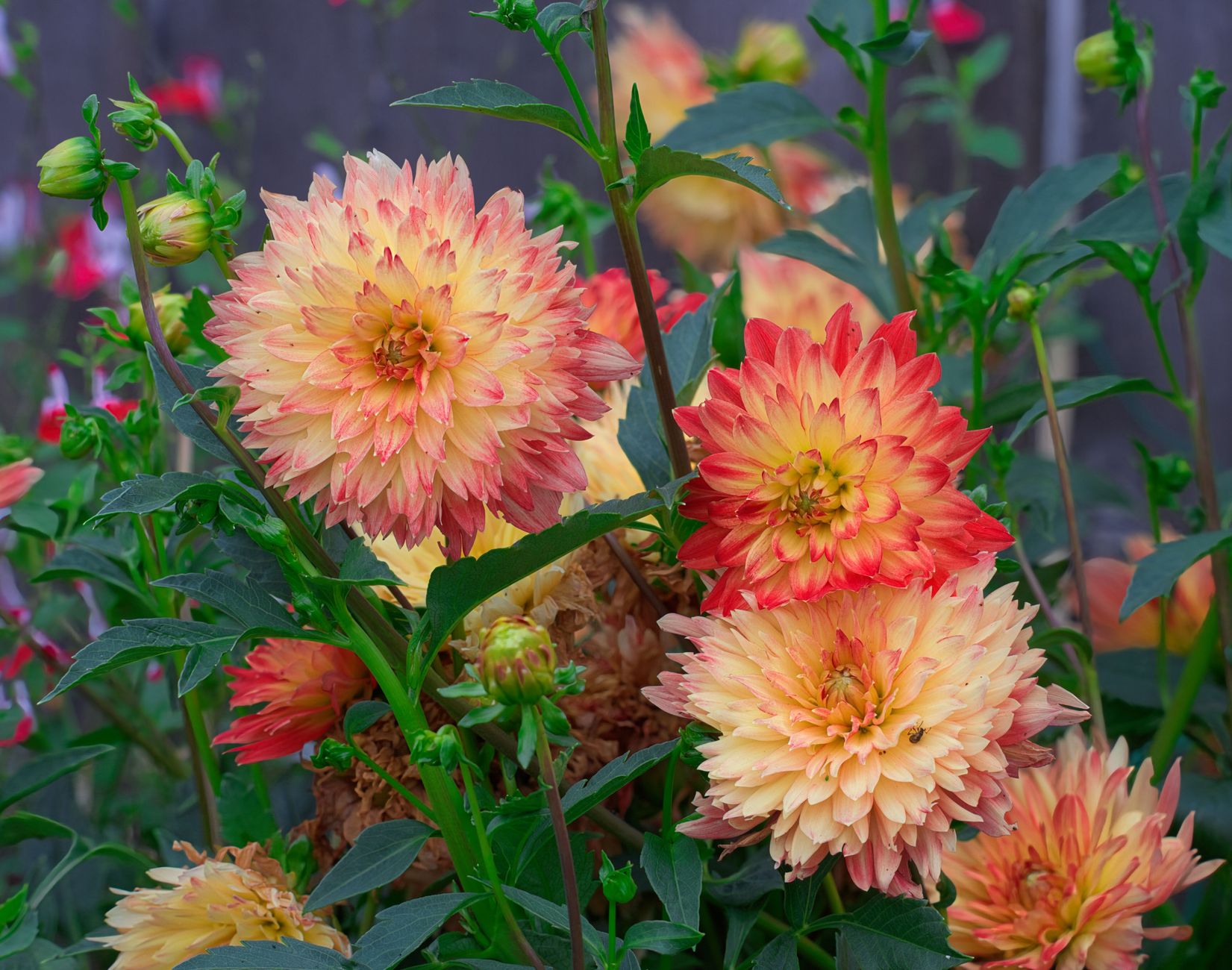
Remove soil: Gently brush off the soil with a soft brush—don't wash with water (moisture encourages rot).
Dry: Let the tubers dry for 2-3 days in a cool, frost-free place (but not in direct sun).
Label: Label each clump with the variety name and color.
Trim: Trim off thin, stringy roots and any damaged sections.
Inspect: Discard any tubers that are soft, rotten, or damaged.
Store in the Right Medium
What to use: Peat moss, vermiculite, or sawdust are excellent storage mediums.
How to pack: Place a layer of medium in the bottom of a box or crate. Place tubers on top, cover with more medium.
Don't let them touch: Make sure tubers aren't touching each other.
Moisture: The medium should be slightly damp—not wet.
Label: Label each box with the variety name and date.
Find the Right Storage Conditions
Temperature: Store at 40-50°F (4-10°C). Too warm = sprouting; too cold = freezing.
Location: A basement, garage, or crawl space works well. Avoid heated areas.
Dark: Store in a dark place—light can cause premature sprouting.
Ventilation: Ensure good air circulation to prevent mold.
Dry: The storage area should be dry—humidity causes rot.
Check Monthly
Frequency: Check tubers monthly during winter storage.
What to look for: Rot (mushy, foul-smelling) or shriveling (drying out).
Remove: Remove any rotting tubers immediately—they can spread decay.
Mist: If tubers are shriveling, lightly mist the storage medium.
Don't overwater: Too much moisture causes rot.
Replant in Spring
When to replant: Plant in spring after the last frost when the soil has warmed to 60°F.
Check tubers: Before planting, check for any rot or shriveling.
Planting depth: Plant 4-6 inches deep with the eye facing up.
Spacing: Space 18-24 inches apart.
Water: Water well after planting.
Troubleshoot Common Storage Issues
Rotting: Too much moisture or poor ventilation. Remove affected tubers and improve airflow.
Shriveling: Too dry. Mist the storage medium lightly.
Sprouting: Too warm. Move to a cooler location (40-50°F).
Mold: Poor air circulation. Improve ventilation and remove affected tubers.
Pests: Check for rodents or insects. Store in rodent-proof containers.
Common problems and fixes
| Problem | Likely cause | What to do |
|---|---|---|
| Rotting tubers | Too much moisture or poor ventilation. | Remove affected tubers and improve airflow. |
| Shriveling tubers | Too dry. | Lightly mist the storage medium. |
| Sprouting in storage | Too warm. | Move to a cooler location (40-50°F). |
| Mold | Poor air circulation. | Improve ventilation and remove affected tubers. |
Gardener's checklist
Test what you learned
When should you dig up dahlia tubers?
Answer: After the first frost
What temperature is best for storing dahlia tubers?
Answer: 40-50°F
What should you use to store dahlia tubers?
Answer: Peat moss or vermiculite
How often should you check stored dahlia tubers?
Answer: Monthly
What should you do if tubers are shriveling?
Answer: Lightly mist the storage medium
Common questions
Do I need to overwinter dahlias?
In zones 8-11, dahlias can be left in the ground. In zones 7 and below, tubers must be dug up and stored for winter.
Can I store dahlia tubers in the refrigerator?
Yes, but keep them in a paper bag with peat moss or vermiculite. The refrigerator is cooler than ideal (40-50°F is best).
How long can dahlia tubers be stored?
Dahlias can be stored for 4-6 months over winter. Check monthly for rot or shriveling.
What if my dahlia tubers sprout in storage?
Sprouting is caused by temperatures above 50°F. Move them to a cooler location. Plant them in pots if they sprout before spring.
Can I divide dahlia tubers before storing?
Yes, but it's easier to divide them in spring before planting. Store them as whole clumps to reduce the risk of rot.
Overwintering dahlias is essential in cold climates to protect tubers from freezing. Dig up tubers after the first frost, brush off soil (don't wash), and store in peat moss, vermiculite, or sawdust at 40-50°F in a cool, dark, dry place. Check monthly for rot or shriveling and remove any affected tubers. With proper storage, your dahlias will survive winter and provide spectacular blooms year after year.
Frequently asked questions
How often should a vegetable garden be watered?
Frequency depends on weather, soil and plant size. Check the soil rather than watering on a rigid schedule.
Is compost enough fertilizer?
Compost improves soil and provides nutrients slowly. Heavy-feeding crops may still need additional feeding.

The Sproutstead Editorial Team
We create clear, practical gardening and homesteading guides designed for real homes and beginner growers.
View author profile →

