
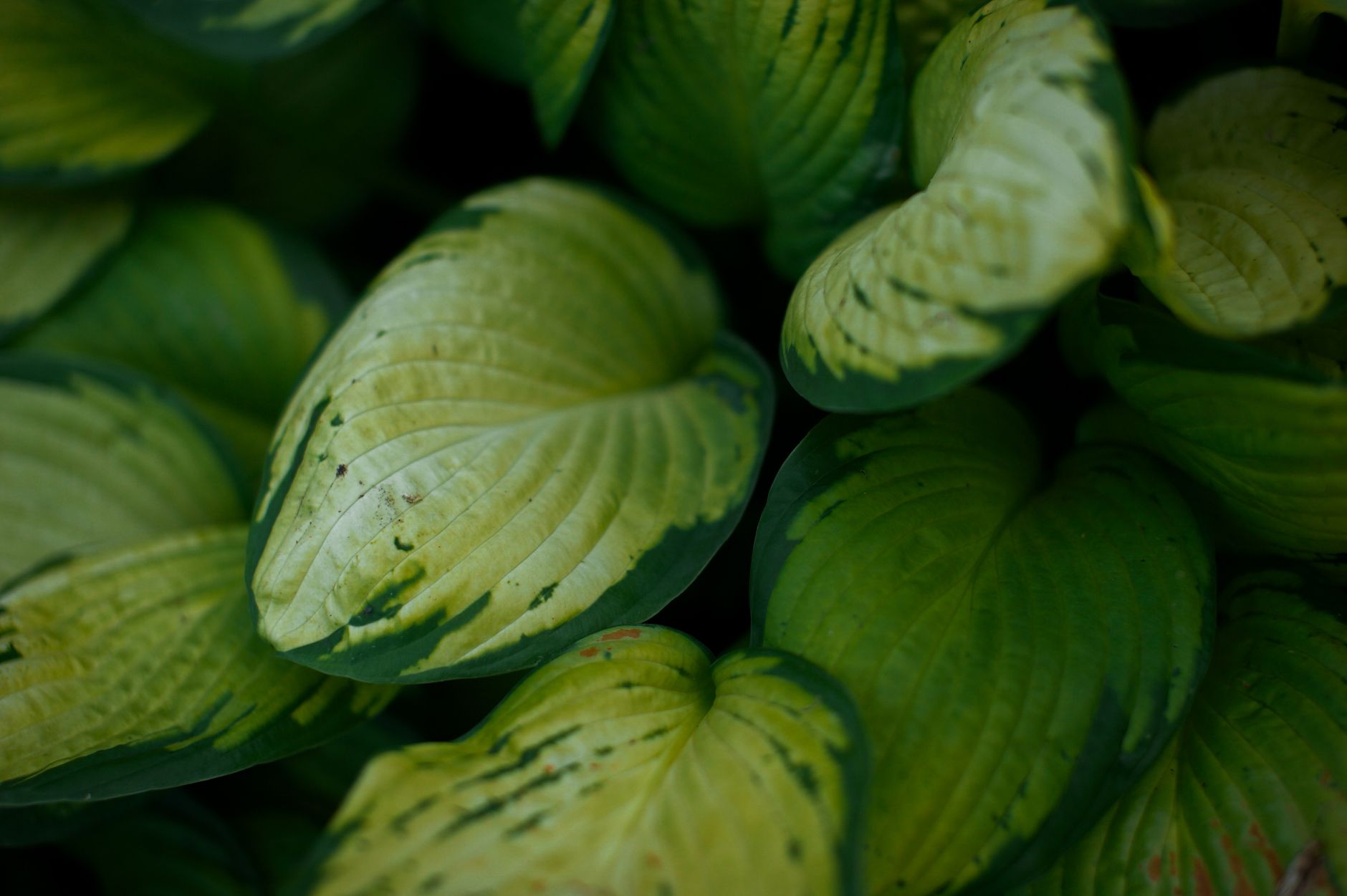
Hostas are the most popular shade-loving perennials, prized for their stunning foliage in a range of colors—green, blue, gold, and variegated. Plant in spring or fall in partial to full shade (2-6 hours of sun) with well-draining, moist soil. Space plants 1-4 feet apart depending on variety. Water deeply once a week, mulch to retain moisture, and fertilize in spring. Divide every 3-5 years to prevent overcrowding. Protect from deer and slugs—they love hostas. Hostas are low-maintenance and provide lush foliage from spring to fall. They also produce spikes of white or lavender flowers in summer.
What you will need
Choose the Right Hosta Varieties

Blue Hostas: Powder-blue foliage. Good for shade. Popular: Blue Angel (large), Blue Mouse Ears (small), Halcyon.
Variegated Hostas: Green and white or yellow edges. Good for brightening shade. Popular: Patriot, Francee, Guacamole, Fire and Ice.
Gold/Yellow Hostas: Bright golden foliage. Good for morning sun. Popular: Sum and Substance (large), Gold Standard, August Moon.
Small Hostas: Compact (6-12 inches). Good for containers and rock gardens. Popular: Mouse Ears, Blue Mouse Ears, Tiny Tears.
Large Hostas: 24-36 inches tall and 36-60 inches wide. Good for back of borders. Popular: Blue Angel, Sum and Substance, Empress Wu.
Fragrant Hostas: Fragrant flowers. Popular: Guacamole, Fragrant Bouquet, Royal Standard.
Select the Best Planting Site

Sunlight: Hostas prefer partial to full shade (2-6 hours of sun). Morning sun with afternoon shade is ideal. Blue hostas need more shade.
Soil: Well-draining, moist soil rich in organic matter. Add compost to improve soil structure.
Drainage: Good drainage is important—hostas don't like wet feet.
Protection: Protect from strong winds, which can damage large leaves.
Spacing: Space plants according to their mature size—1-4 feet apart.
Plant Hostas Correctly

When to plant: Plant in spring or fall when the soil is moist.
Planting depth: Plant at the same depth as the nursery pot. The crown should be level with the soil surface.
Spacing: Space small varieties 12-18 inches apart, medium 18-24 inches, large 24-36 inches.
Soil preparation: Mix compost into the planting hole.
Water: Water well after planting.
Water and Mulch

Water: Water deeply once a week (1 inch per week). Hostas prefer consistently moist soil.
Mulch: Apply 2-3 inches of mulch (wood chips, shredded bark, or compost) to retain moisture and suppress weeds.
Avoid: Avoid overhead watering to prevent fungal diseases.
Fertilize Hostas
When to fertilize: Apply in early spring when shoots emerge.
What to use: Use a balanced fertilizer (10-10-10) or a slow-release fertilizer.
How much: Follow package instructions. Don't over-fertilize—it can burn leaves.
Organic options: Compost or aged manure are excellent alternatives.
Divide and Transplant

When to divide: Divide every 3-5 years in spring or fall when plants are dormant.
How to divide: Dig up the plant, divide the root clump into sections with at least 3-5 shoots each.
Replant: Replant immediately at the same depth.
Why divide: Dividing rejuvenates the plant and prevents overcrowding.
Protect from Pests
Deer: Deer love hostas. Use deer repellent, fencing, or plant deer-resistant varieties.
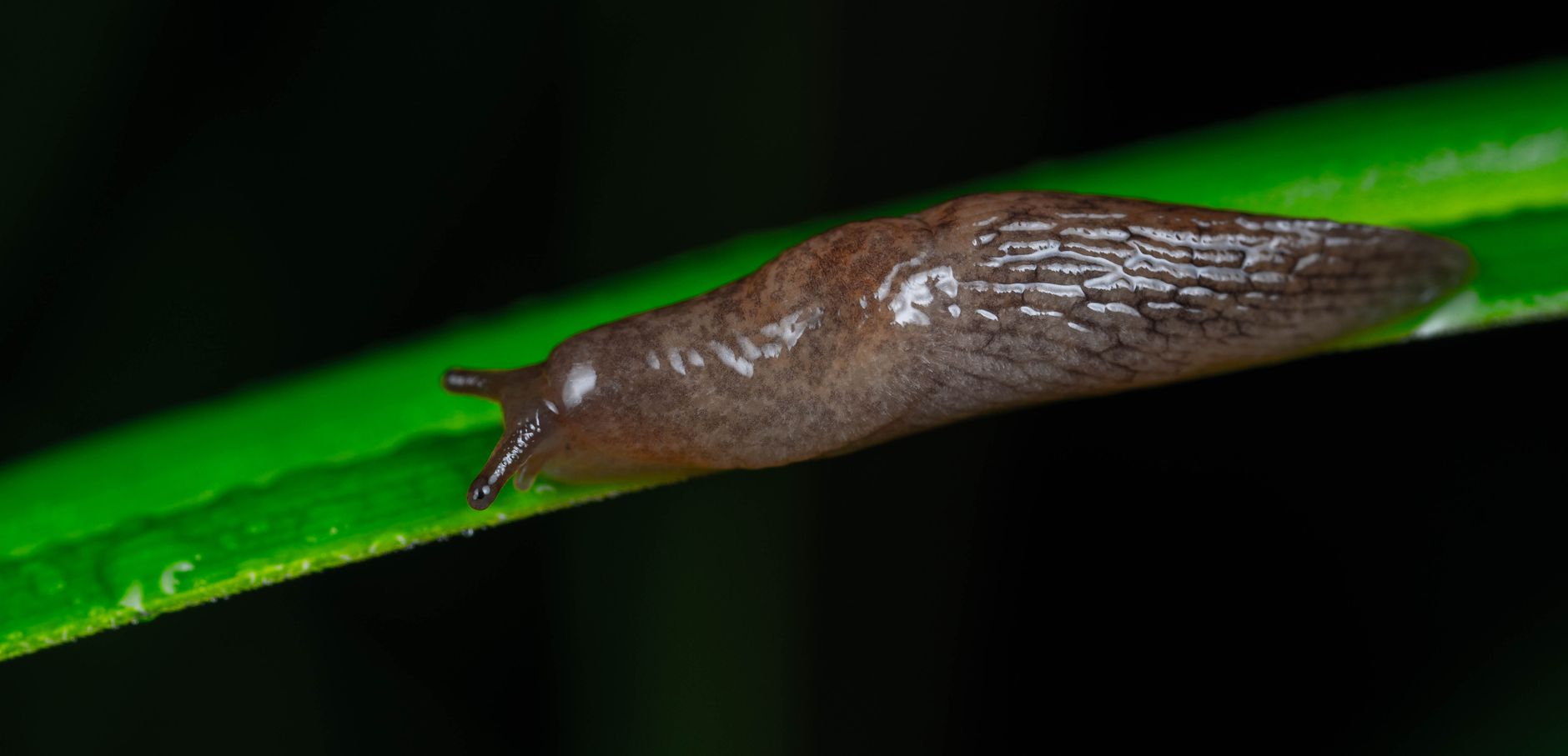
Slugs and snails: Common in shade. Use beer traps, diatomaceous earth, or iron phosphate slug baits.
Protection: Use copper tape around pots or plant beds to deter slugs.
Healthy plants: Keep plants healthy—they're more resistant to pests.
Troubleshoot Common Issues

Yellow leaves: Too much sun or overwatering.
Brown leaf edges: Too much sun or lack of water.
Holes in leaves: Slugs or snails.
Leaves eaten by deer: Use deer repellent or fencing.
Poor growth: Poor soil or not enough water.
Common problems and fixes
| Problem | Likely cause | What to do |
|---|---|---|
| Yellow leaves | Too much sun or overwatering. | Move to more shade and reduce watering. |
| Brown leaf edges | Too much sun or lack of water. | Move to more shade and water deeply. |
| Holes in leaves | Slugs or snails. | Use beer traps or diatomaceous earth. |
| Leaves eaten by deer | Deer browsing. | Use deer repellent or fencing. |
Gardener's checklist
Test what you learned
How much sun do hostas prefer?
Answer: Partial to full shade (2-6 hours)
What is the most common pest of hostas?
Answer: Slugs and deer
How often should hostas be divided?
Answer: Every 3-5 years
Which hosta variety has blue foliage?
Answer: Blue Angel
What type of hosta is best for containers?
Answer: Small hostas (Mouse Ears)
Common questions
Do hostas come back every year?
Yes, hostas are perennials and come back year after year. They die back in winter and re-emerge in spring.
Can hostas grow in full sun?
Hostas prefer shade. Some varieties (gold and variegated) can tolerate morning sun, but too much sun burns the leaves.
How do I keep slugs off hostas?
Use beer traps, diatomaceous earth, iron phosphate slug baits, or copper tape around plants.
How do I protect hostas from deer?
Use deer repellent, fencing, or plant deer-resistant varieties. Some gardeners use motion-activated sprinklers.
Can I grow hostas in containers?
Yes! Small and medium varieties are excellent for containers. Use well-draining potting mix and water regularly.
Hostas are the most popular shade-loving perennials, prized for their stunning foliage. Plant them in partial to full shade with well-draining, moist soil. Water deeply once a week, mulch to retain moisture, and fertilize in spring. Divide every 3-5 years to prevent overcrowding. Protect from deer and slugs—they love hostas. With proper care, hostas will provide lush, beautiful foliage from spring to fall.
Frequently asked questions
How often should a vegetable garden be watered?
Frequency depends on weather, soil and plant size. Check the soil rather than watering on a rigid schedule.
Is compost enough fertilizer?
Compost improves soil and provides nutrients slowly. Heavy-feeding crops may still need additional feeding.

The Sproutstead Editorial Team
We create clear, practical gardening and homesteading guides designed for real homes and beginner growers.
View author profile →

