
Begonias are versatile, shade-loving plants prized for their colorful flowers and attractive foliage. Choose from three main types: tuberous (large flowers), fibrous (ever-blooming), and rhizomatous (beautiful foliage). Plant in partial shade (2-6 hours of filtered sun) with well-draining, rich soil. Plant tubers in spring after the last frost, 1-2 inches deep with the concave side up. Water regularly (1 inch per week), fertilize every 2-4 weeks, and deadhead spent flowers. In cold climates, dig up and store tubers in fall. Begonias are excellent for containers, hanging baskets, and shade gardens, providing color from spring until frost.
What you will need
Choose the Right Begonia Type

Tuberous Begonias: Large, showy flowers (2-5 inches). Excellent for containers and hanging baskets. Dormant in winter—store tubers. Popular: Nonstop, Apricot, Picotee.
Fibrous (Wax) Begonias: Small, continuous blooms. Good for beds and borders. Evergreen in mild climates. Popular: Wax Begonia, Dragon Wing, Cocktail.
Rhizomatous Begonias: Grown for their beautiful foliage. Good for shade gardens. Popular: Rex Begonia, Iron Cross, Tiger Paw.
Rieger Begonias: Winter-blooming houseplants. Bright, colorful flowers. Good for indoor gardening.
Which is best? Tuberous for large flowers, fibrous for continuous color, rhizomatous for foliage.
Select the Best Planting Site

Sunlight: Begonias prefer partial shade (2-6 hours of filtered sun). Too much sun burns leaves.
Soil: Well-draining, rich soil with a pH of 5.5-6.5. Add compost to improve soil fertility.
Drainage: Good drainage is important—begonias don't like wet feet.
Containers: Begonias are excellent for containers and hanging baskets.
Protection: Protect from strong winds.
Plant Begonias Correctly

When to plant: Plant tubers in spring after the last frost when the soil has warmed.
Planting depth: Plant tubers 1-2 inches deep with the concave (dented) side up.
Spacing: Space tubers 8-12 inches apart.
Water: Water lightly after planting—begonia tubers rot in wet soil.
Transplants: If using transplants, plant at the same depth as the nursery pot.
Water and Mulch
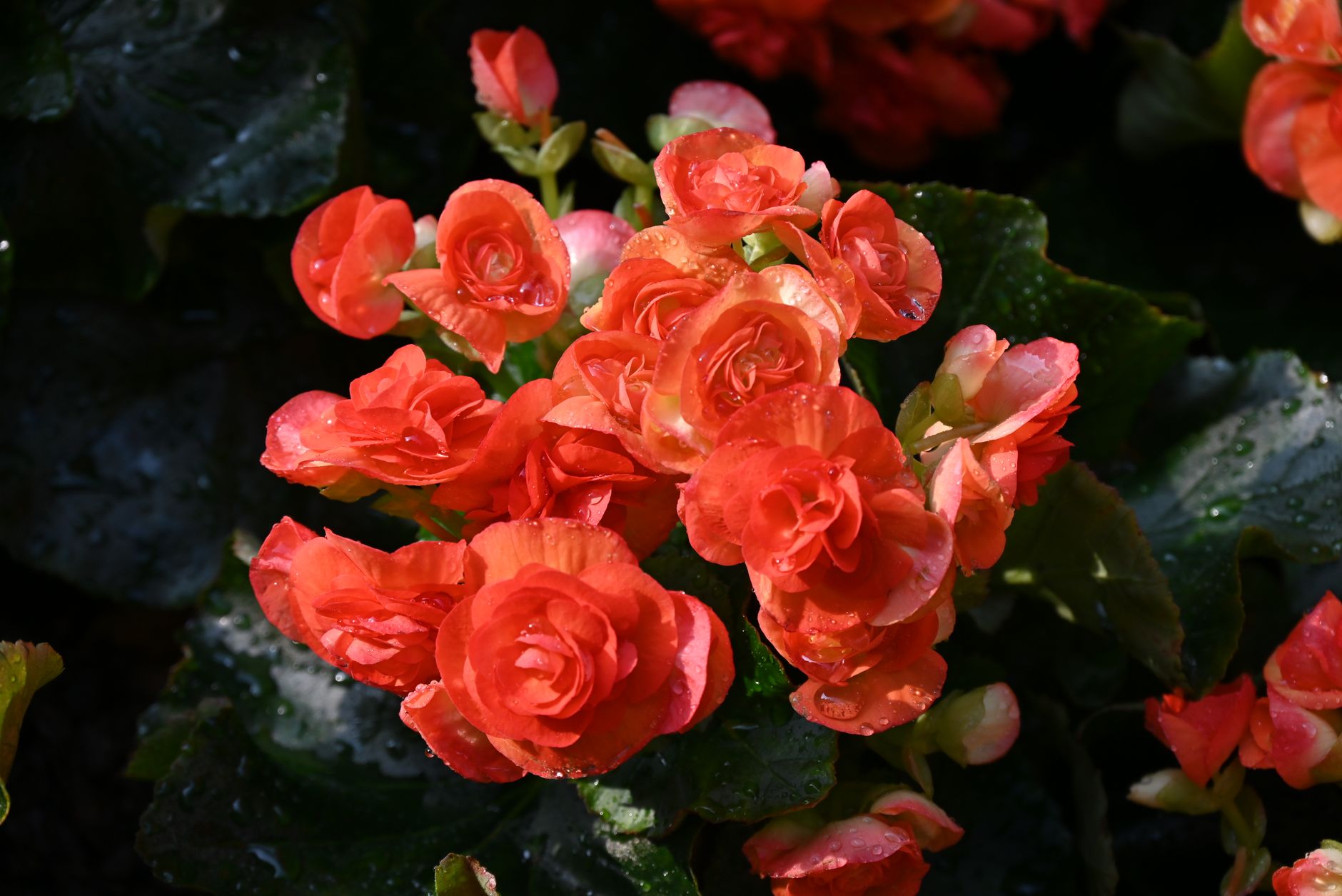
Water: Water regularly (1 inch per week). Keep the soil evenly moist—not waterlogged.
Avoid: Avoid overhead watering to prevent fungal diseases.
Mulch: Apply 2-3 inches of mulch (wood chips or shredded bark) to retain moisture and suppress weeds.
Consistency: Begonias prefer consistent moisture—don't let them dry out.
Fertilize Begonias

When to fertilize: Apply fertilizer every 2-4 weeks during the growing season.
What to use: Use a balanced fertilizer (10-10-10) or a bloom-boosting fertilizer (5-10-5).
How much: Follow package instructions.
Organic options: Compost tea or fish emulsion are excellent alternatives.
Stop fertilizing: Stop fertilizing in late summer to allow plants to prepare for dormancy.
Deadhead and Pinch

Deadhead: Remove spent flowers to encourage more blooms.
Pinch: Pinch back leggy growth to encourage bushier plants.
Frequency: Deadhead weekly during the blooming season.
Cutting: Use clean pruners or your fingers for soft stems.
Overwinter Begonias
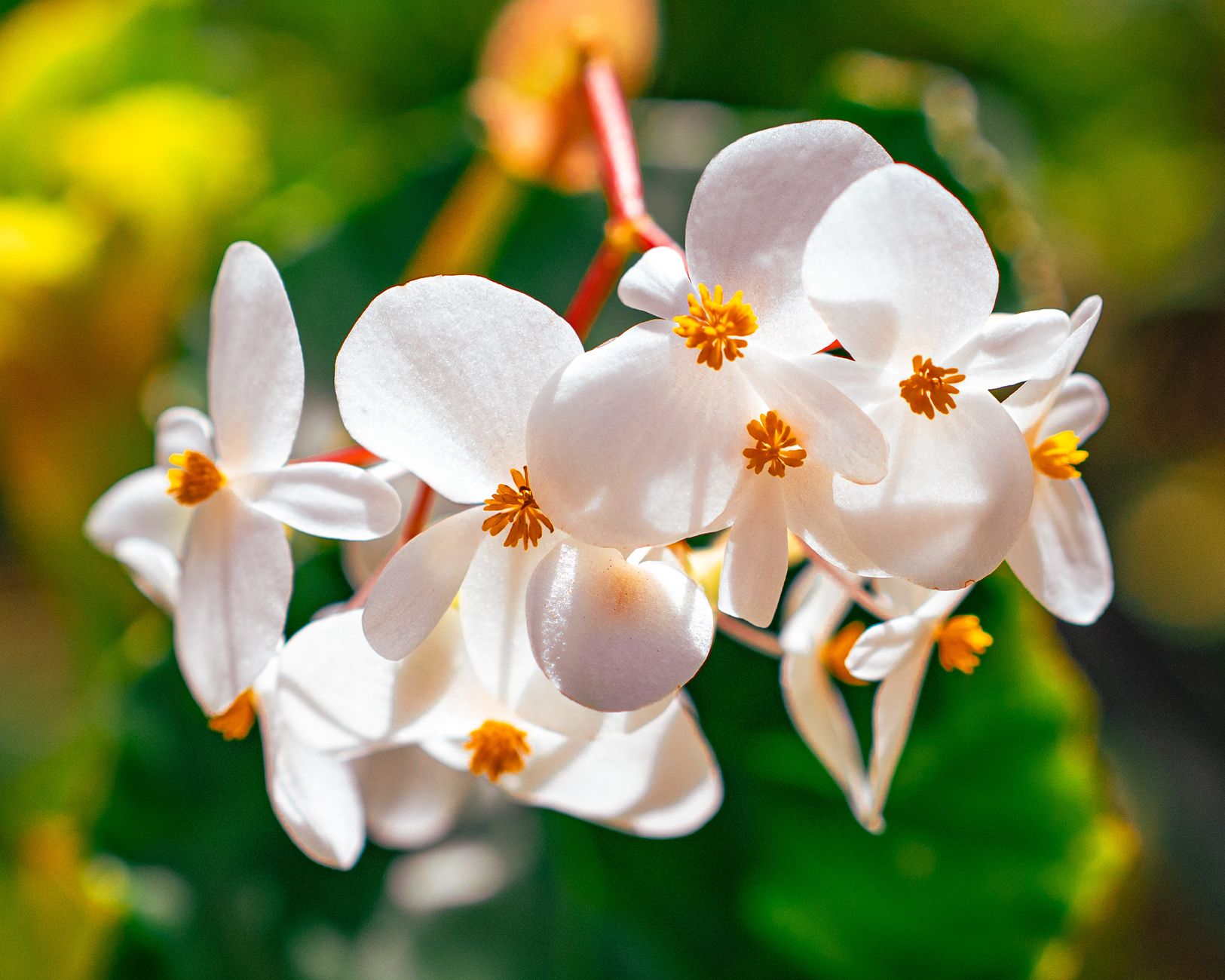
When to dig: After the first frost when foliage dies back.
How to dig: Cut stems to 4-6 inches. Gently dig up tubers.
Clean: Remove soil and let tubers dry for a few days.
Storage: Store in a cool (45-55°F), dry, dark place in peat moss or sawdust.
Replant: Replant in spring after the last frost.
Troubleshoot Common Issues

Powdery mildew: Poor air circulation. Improve airflow and apply fungicide.
Aphids: Spray with insecticidal soap or neem oil.
Botrytis (gray mold): Remove affected leaves and improve air circulation.
Yellow leaves: Overwatering or too much sun.
No blooms: Too much nitrogen or not enough light.
Common problems and fixes
| Problem | Likely cause | What to do |
|---|---|---|
| Powdery mildew | Poor air circulation. | Improve airflow and apply fungicide. |
| Yellow leaves | Overwatering or too much sun. | Reduce watering and move to more shade. |
| No blooms | Too much nitrogen or not enough light. | Use bloom-boosting fertilizer and ensure 2-6 hours of light. |
| Aphids | Pests attracted to stressed plants. | Spray with insecticidal soap or neem oil. |
Gardener's checklist
Test what you learned
Which begonia type has large, showy flowers?
Answer: Tuberous
How much sun do begonias need?
Answer: Partial shade (2-6 hours filtered)
How deep should begonia tubers be planted?
Answer: 1-2 inches
What side of the begonia tuber goes up?
Answer: Concave (dented)
When should you dig up begonia tubers in cold climates?
Answer: After the first frost
Common questions
Are begonias perennials or annuals?
Begonias are tender perennials. In cold climates, they are grown as annuals or tubers are dug up and stored for winter.
Can begonias grow in full sun?
Begonias prefer partial shade. Too much sun can burn the leaves and reduce flowering.
How long do begonias bloom?
Begonias bloom from summer to fall (June-October) with regular deadheading.
Can I grow begonias in containers?
Yes! Begonias are excellent for containers and hanging baskets. Use well-draining potting mix.
How do I store begonia tubers for winter?
After the first frost, dig up tubers, clean off soil, and store in a cool, dry, dark place (45-55°F) in peat moss or sawdust.
Begonias are versatile, shade-loving plants prized for their colorful flowers and attractive foliage. Plant tubers 1-2 inches deep with the concave side up in partial shade with well-draining, rich soil. Water regularly, fertilize every 2-4 weeks, and deadhead spent flowers for continuous blooms. In cold climates, dig up and store tubers after the first frost. With proper care, begonias will provide beautiful color from spring until frost.
Frequently asked questions
How often should a vegetable garden be watered?
Frequency depends on weather, soil and plant size. Check the soil rather than watering on a rigid schedule.
Is compost enough fertilizer?
Compost improves soil and provides nutrients slowly. Heavy-feeding crops may still need additional feeding.

The Sproutstead Editorial Team
We create clear, practical gardening and homesteading guides designed for real homes and beginner growers.
View author profile →

