
Zinnias are one of the easiest and most rewarding annuals to grow. They produce vibrant, long-lasting blooms from summer until the first frost. Plant seeds directly in the garden in spring after the last frost, in full sun (6-8 hours) with well-draining soil. Plant seeds 1/4 inch deep and 6-18 inches apart (depending on variety). Water deeply once a week, fertilize lightly, and deadhead spent flowers to encourage continuous blooming. Zinnias are excellent for cut flowers and attract butterflies and pollinators. Choose from dwarf varieties (6-12 inches) for borders, medium (18-24 inches) for beds, or tall (3-4 feet) for cutting gardens.
What you will need
Choose the Right Zinnia Varieties

Dwarf Zinnias (6-12 inches): Perfect for borders, edging, and containers. Varieties: Thumbelina, Lilliput, Persian Carpet.
Medium Zinnias (18-24 inches): Ideal for garden beds and mass planting. Varieties: Dreamland, Zinnia elegans, Oklahoma.
Tall Zinnias (3-4 feet): Excellent for cutting gardens and back of borders. Varieties: State Fair, Benary's Giant, California Giant.
Cactus-Flowered: Unique, spiky petals. Good for cut flowers. Varieties: Cactus Mix, Senora.
Dahlia-Flowered: Large, double blooms resembling dahlias. Varieties: Dahlia Flowered Mix.
Colors: Available in every color except blue—red, orange, yellow, pink, purple, white, and green.
Select the Best Planting Site
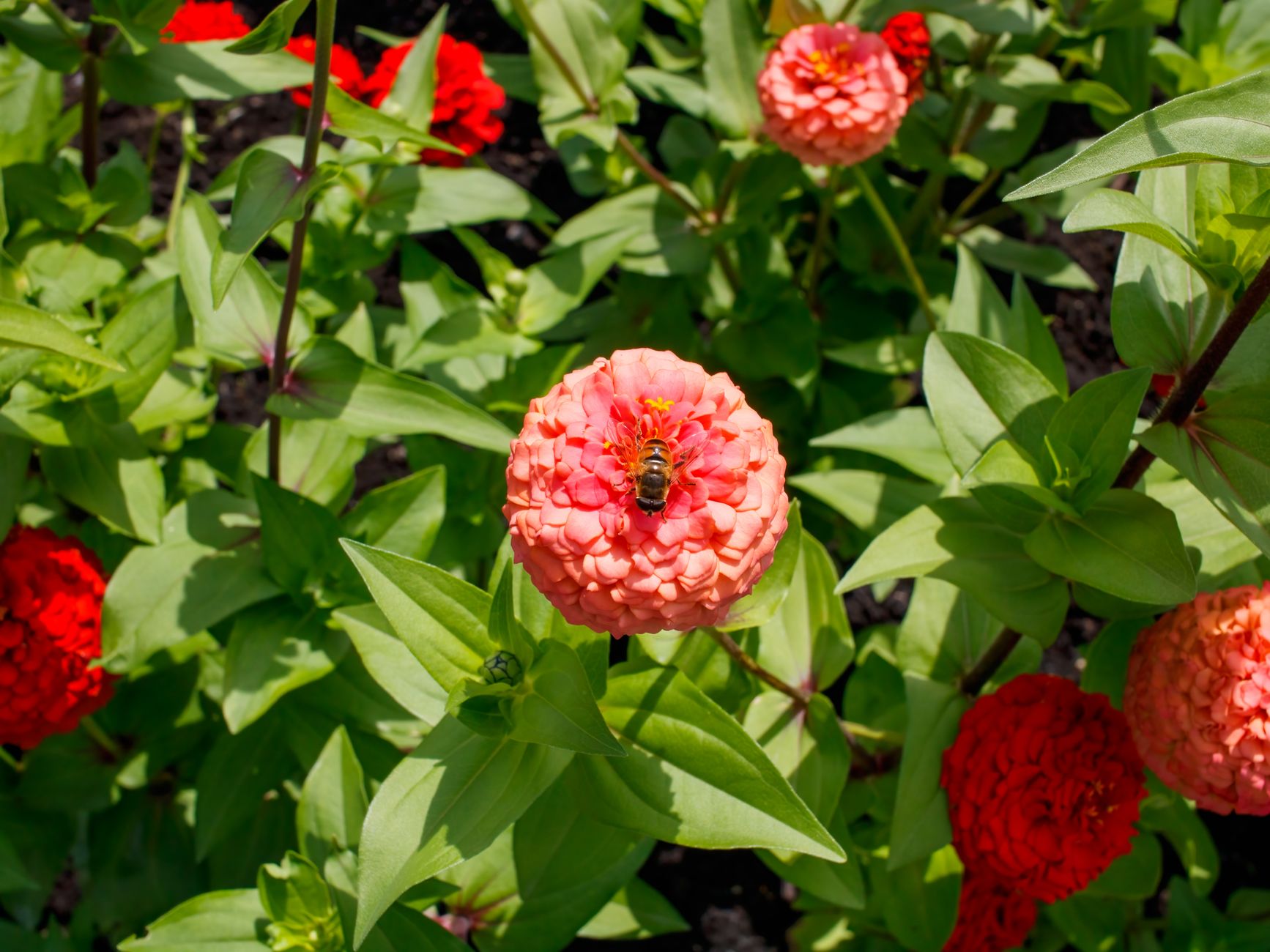
Sunlight: Zinnias need 6-8 hours of direct sunlight daily. More sun = more blooms.
Soil: Well-draining, fertile soil with a pH of 5.5-7.5. Add compost to improve soil fertility.
Drainage: Good drainage is important—zinnias don't like wet feet.
Air circulation: Good airflow prevents powdery mildew. Space plants properly.
Protection: Plant in a spot protected from strong winds.
Plant Zinnia Seeds

When to plant: Plant seeds in spring after the last frost when the soil has warmed to 60-70°F.
Planting depth: Plant seeds 1/4 inch deep.
Spacing: Dwarf: 6-8 inches apart. Medium: 12-18 inches apart. Tall: 18-24 inches apart.
Thinning: If multiple seeds germinate, thin to the strongest plants.
Water: Water gently after planting and keep the soil moist until germination (5-10 days).
Water and Mulch

Water: Water deeply once a week (1 inch per week).
Avoid overhead watering: Water at the base to prevent powdery mildew.
Mulch: Apply 2-3 inches of mulch (wood chips or straw) to retain moisture and suppress weeds.
Drought tolerance: Once established, zinnias are somewhat drought-tolerant.
Fertilize Zinnias

When to fertilize: Apply at planting and again mid-season (July).
What to use: Use a balanced fertilizer (10-10-10). Zinnias are not heavy feeders.
How much: Follow package instructions.
Organic options: Compost, aged manure, or fish emulsion are excellent alternatives.
Avoid over-fertilizing: Too much nitrogen promotes leaves at the expense of flowers.
Deadhead for Continuous Blooms

Why deadhead: Removing spent flowers redirects energy into producing more blooms.
How to deadhead: Cut the stem back to the nearest leaf or side shoot.
Frequency: Deadhead weekly during the blooming season.
Cut flowers: Regular cutting for bouquets also encourages more blooms.
Harvest for Cut Flowers
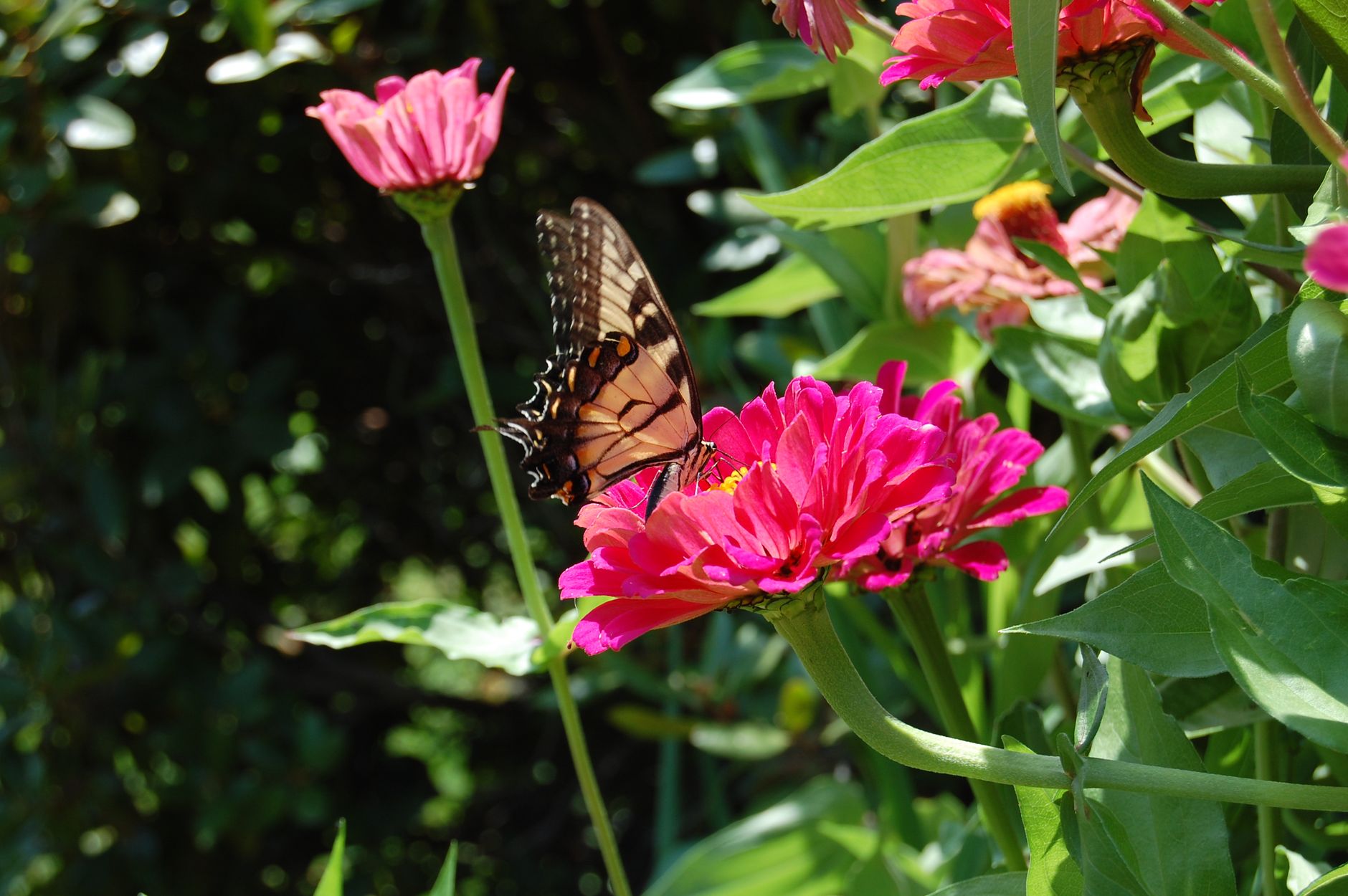
When to harvest: Harvest when flowers are fully open.
How to cut: Cut stems in the morning when flowers are hydrated.
Vase life: Zinnias last 7-10 days in a vase with flower food.
Conditioning: Place stems in warm water with flower food for 2-3 hours before arranging.
Troubleshoot Common Issues

Powdery mildew: Most common problem. Improve air circulation and avoid overhead watering.
Aphids: Spray with insecticidal soap or neem oil.
Japanese beetles: Hand-pick or use insecticidal soap.
No blooms: Too much nitrogen or not enough sun.
Leggy growth: Not enough sun or overcrowding.
Common problems and fixes
| Problem | Likely cause | What to do |
|---|---|---|
| Powdery mildew | Poor air circulation or overhead watering. | Improve air circulation and water at the base. |
| No blooms | Too much nitrogen or not enough sun. | Use balanced fertilizer and ensure 6-8 hours of sun. |
| Aphids | Pests attracted to stressed plants. | Spray with insecticidal soap or neem oil. |
| Leggy growth | Not enough sun or overcrowding. | Move to full sun and space plants properly. |
Gardener's checklist
Test what you learned
When should you plant zinnia seeds?
Answer: Spring (after last frost)
How deep should zinnia seeds be planted?
Answer: 1/4 inch
What is the most common problem with zinnias?
Answer: Powdery mildew
How long do zinnias last in a vase?
Answer: 7-10 days
How often should you deadhead zinnias?
Answer: Weekly
Common questions
Do zinnias come back every year?
Zinnias are annuals—they grow from seed each year. However, they often self-seed, so new plants may appear the following year.
How long do zinnias bloom?
Zinnias bloom from summer (June) until the first frost (October), providing 12-16 weeks of color.
Can I grow zinnias in containers?
Yes! Choose dwarf varieties and use a large container (10-12 inches deep). Water regularly and deadhead for continuous blooms.
Do zinnias attract pollinators?
Yes! Zinnias attract butterflies, bees, and other pollinators. They're excellent for pollinator gardens.
How do I prevent powdery mildew on zinnias?
Space plants properly for good air circulation, water at the base (avoid overhead watering), and apply a fungicide if needed.
Zinnias are one of the easiest and most rewarding annuals to grow. Direct sow seeds in spring after the last frost, in full sun with well-draining soil. Deadhead spent flowers weekly for continuous blooms, water at the base to prevent powdery mildew, and harvest cut flowers in the morning for the longest vase life. With their vibrant colors and long vase life, zinnias are a must-have for any garden.
Frequently asked questions
How often should a vegetable garden be watered?
Frequency depends on weather, soil and plant size. Check the soil rather than watering on a rigid schedule.
Is compost enough fertilizer?
Compost improves soil and provides nutrients slowly. Heavy-feeding crops may still need additional feeding.

The Sproutstead Editorial Team
We create clear, practical gardening and homesteading guides designed for real homes and beginner growers.
View author profile →

