
Full sun perennials are plants that thrive in 6+ hours of direct sunlight daily. They're perfect for sunny borders, cottage gardens, and pollinator gardens. Top choices include: coneflower (Echinacea), black-eyed Susan (Rudbeckia), daylily (Hemerocallis), lavender, salvia, coreopsis, yarrow, Russian sage, sedum, blanket flower (Gaillardia), and butterfly weed (Asclepias). Most are drought-tolerant once established, low-maintenance, and attract pollinators. Plant them in spring or fall, water deeply once a week until established, and deadhead spent flowers to encourage reblooming. These perennials come back year after year, providing reliable color from early summer through fall.
What you will need
Top Full Sun Perennials

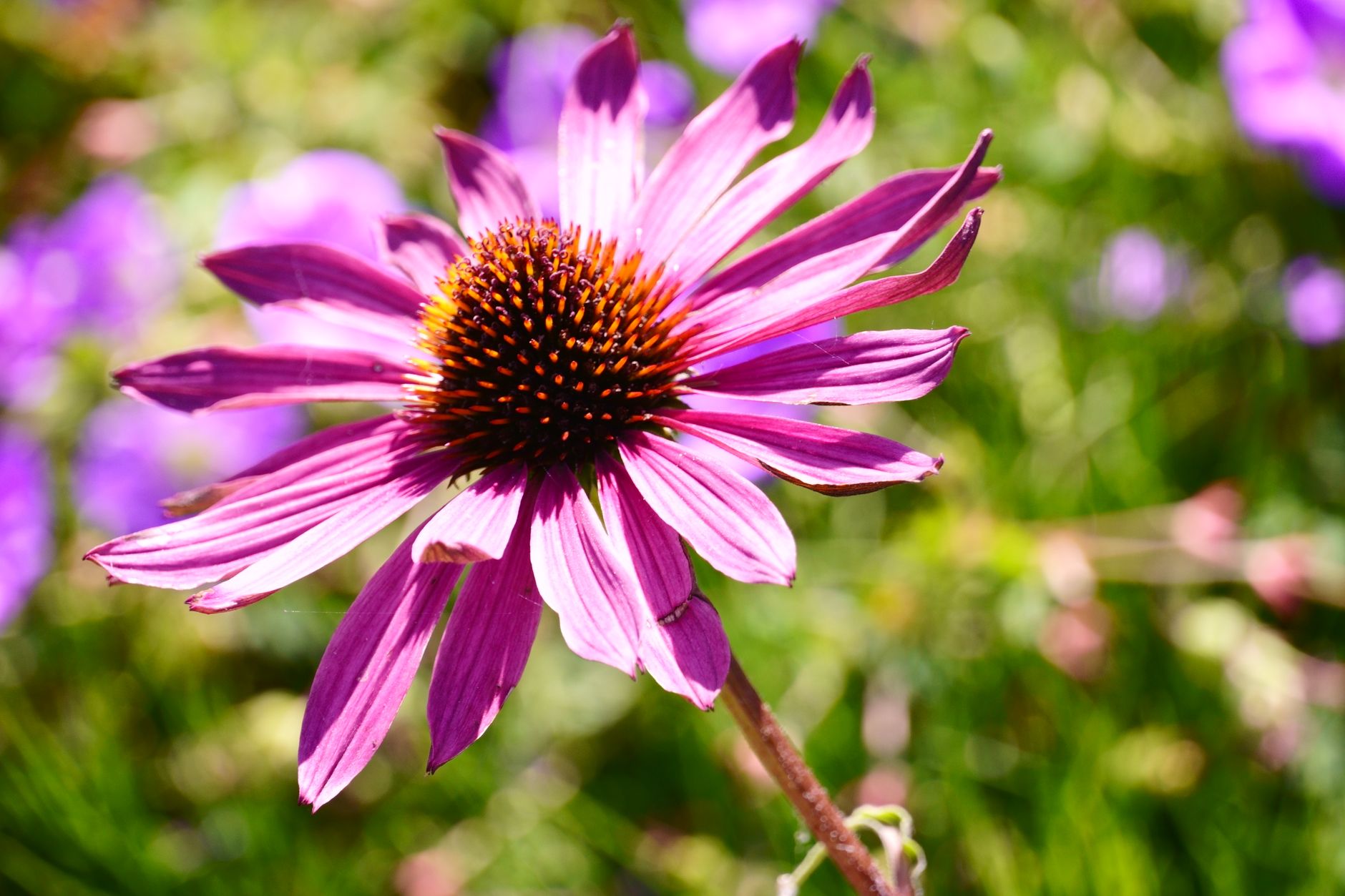
Coneflower (Echinacea): Blooms June-September. Pink, purple, white, or orange. Drought-tolerant. Attracts pollinators. Height: 2-4 feet.
Black-eyed Susan (Rudbeckia): Blooms July-September. Golden yellow with dark centers. Very hardy. Height: 2-3 feet.
Daylily (Hemerocallis): Blooms June-August (some rebloom). Wide range of colors. Each flower lasts a day but blooms continuously. Height: 1-4 feet.
Lavender: Blooms June-August. Fragrant purple flowers. Attracts bees and butterflies. Drought-tolerant. Height: 1-3 feet.
Salvia (Sage): Blooms June-September. Blue, purple, pink, or red spikes. Attracts pollinators. Height: 1-3 feet.
Coreopsis: Blooms June-September. Bright yellow, gold, or orange daisy-like flowers. Drought-tolerant. Height: 1-2 feet.
Yarrow (Achillea): Blooms June-September. Flat clusters of yellow, pink, red, or white flowers. Drought-tolerant. Height: 1-3 feet.
Russian Sage: Blooms July-September. Airy lavender-blue flowers. Very drought-tolerant. Height: 3-5 feet.
Sedum (Stonecrop): Blooms August-October. Pink, red, or white flowers. Succulent foliage. Height: 1-2 feet.
Blanket Flower (Gaillardia): Blooms June-September. Red and yellow daisy-like flowers. Drought-tolerant. Height: 1-2 feet.
Butterfly Weed (Asclepias): Blooms June-August. Orange flowers. Attracts monarch butterflies. Height: 1-3 feet.
Select the Best Planting Site
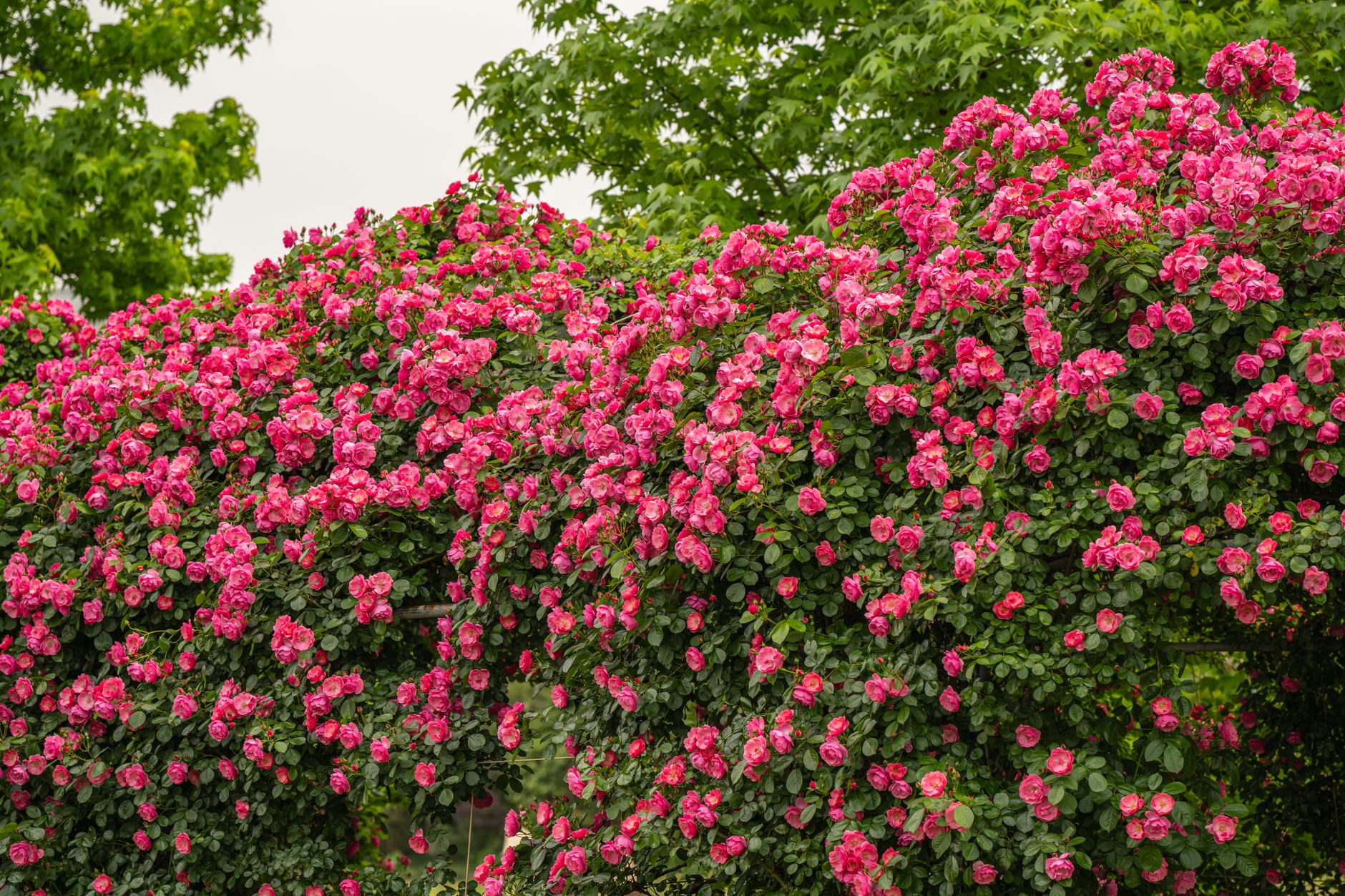
Sunlight: Choose a spot with 6+ hours of direct sunlight daily.
Soil: Well-draining, fertile soil with a pH of 6.0-7.0.
Drainage: Good drainage is important—most full sun perennials are drought-tolerant.
Space: Plant in groups of 3-5 for the best visual impact.
Viewing: Place them where you can enjoy them—near a patio, walkway, or window.
Plant for Succession Bloom
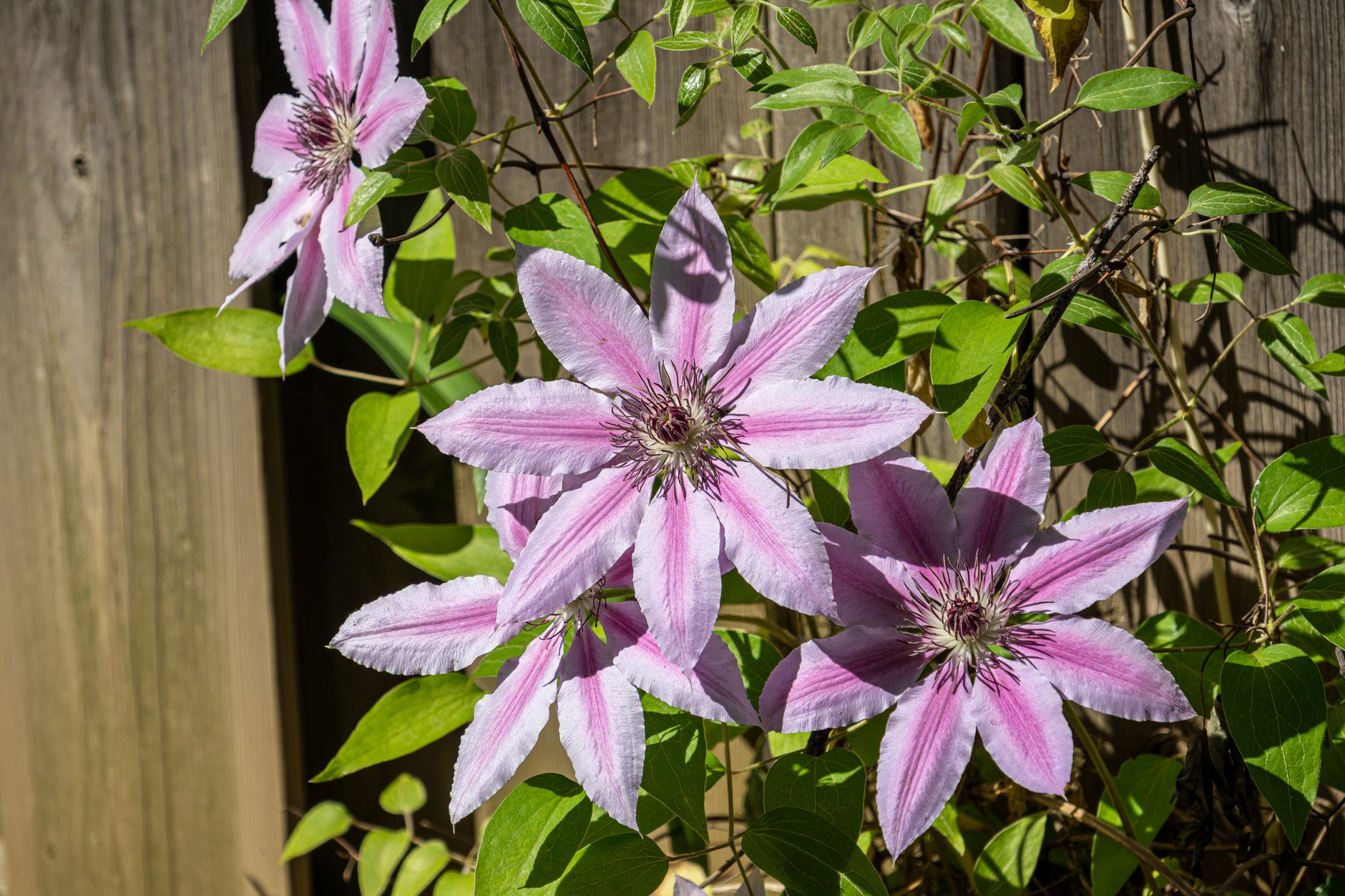
Early summer (June): Daylilies (early varieties), salvia, yarrow, and butterfly weed.
Mid-summer (July): Coneflowers, black-eyed Susans, daylilies (mid varieties), lavender, coreopsis, and blanket flower.
Late summer (August-September): Russian sage, sedum, late coneflowers, and ornamental grasses.
Design tips: Plant in drifts of 3-5 plants for a natural look.
Continuous bloom: Deadheading spent flowers encourages reblooming.
Prepare the Soil
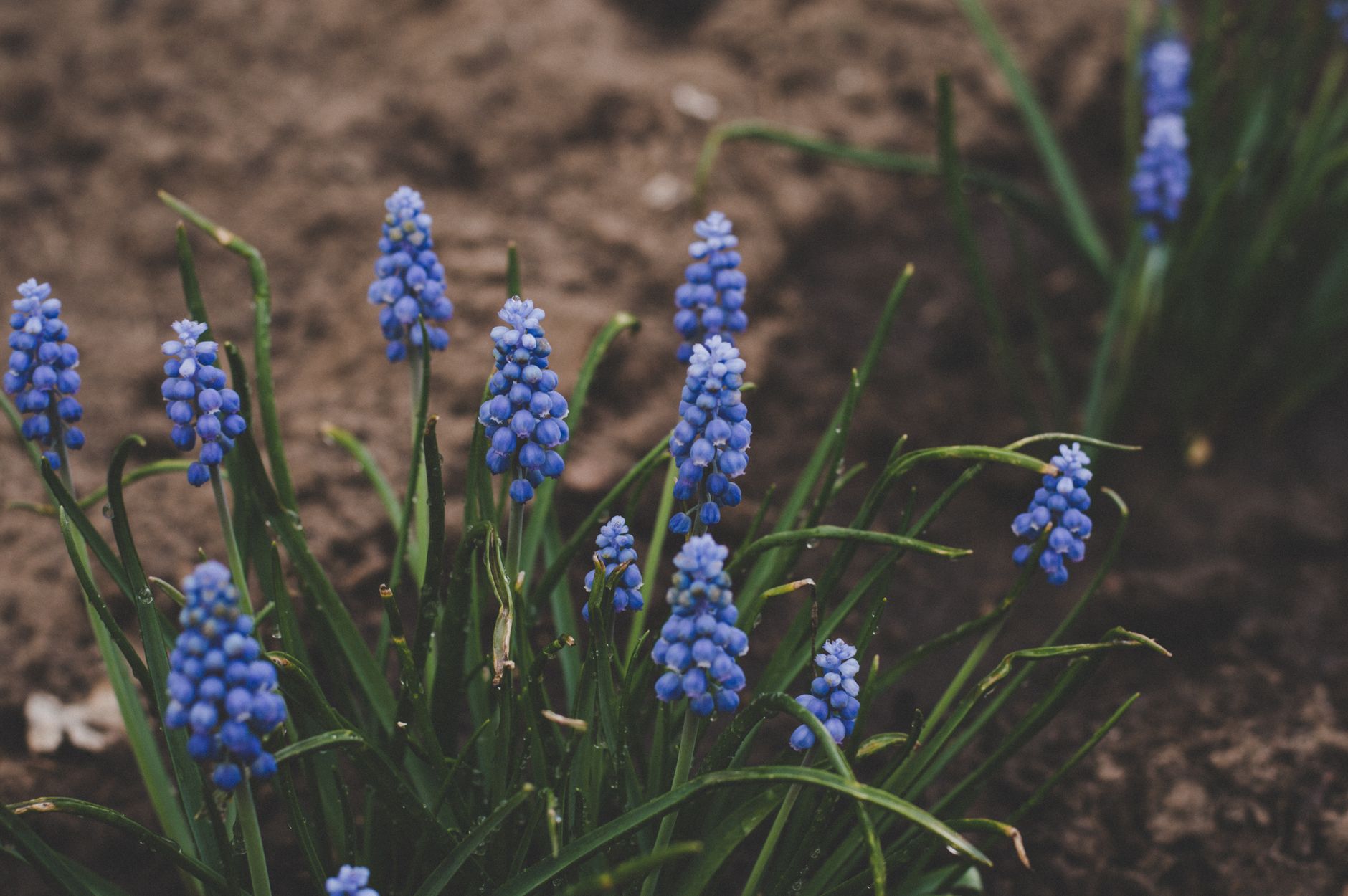
Remove weeds: Clear the area of all weeds and grass.
Loosen soil: Work the soil to a depth of 8-12 inches.
Add compost: Add 2-3 inches of compost or aged manure and mix it in.
Test pH: Most perennials prefer pH 6.0-7.0.
Fertilize: Apply a balanced fertilizer before planting.
Water and Mulch
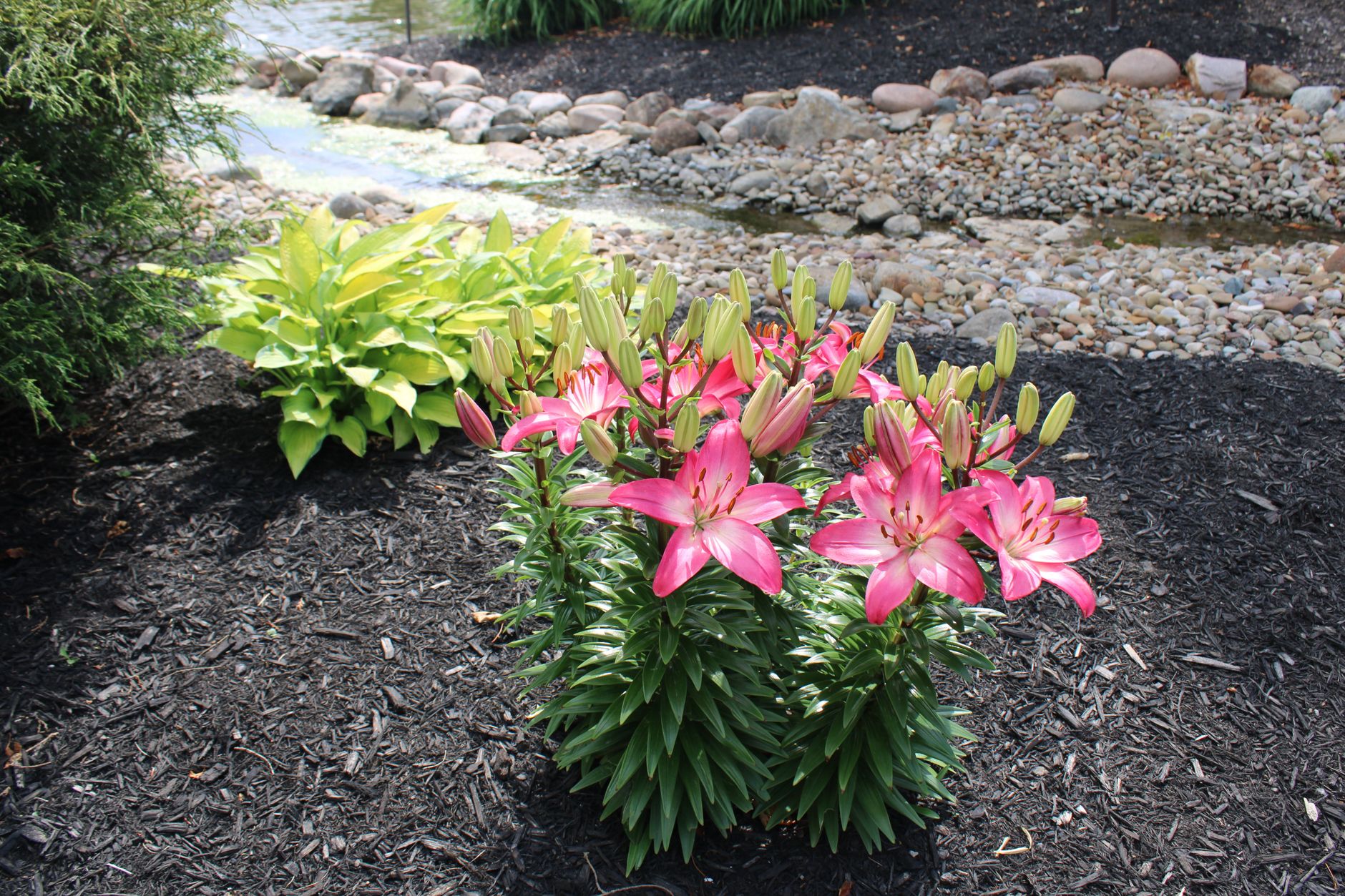
Water: Water deeply once a week (1 inch per week) during dry spells.
Drought tolerance: Most full sun perennials are drought-tolerant once established.
Mulch: Apply 2-3 inches of mulch (wood chips, straw, or compost).
Why mulch: Mulch retains moisture, suppresses weeds, and moderates soil temperature.
Avoid: Keep mulch away from plant stems to prevent rot.
Deadhead for More Blooms
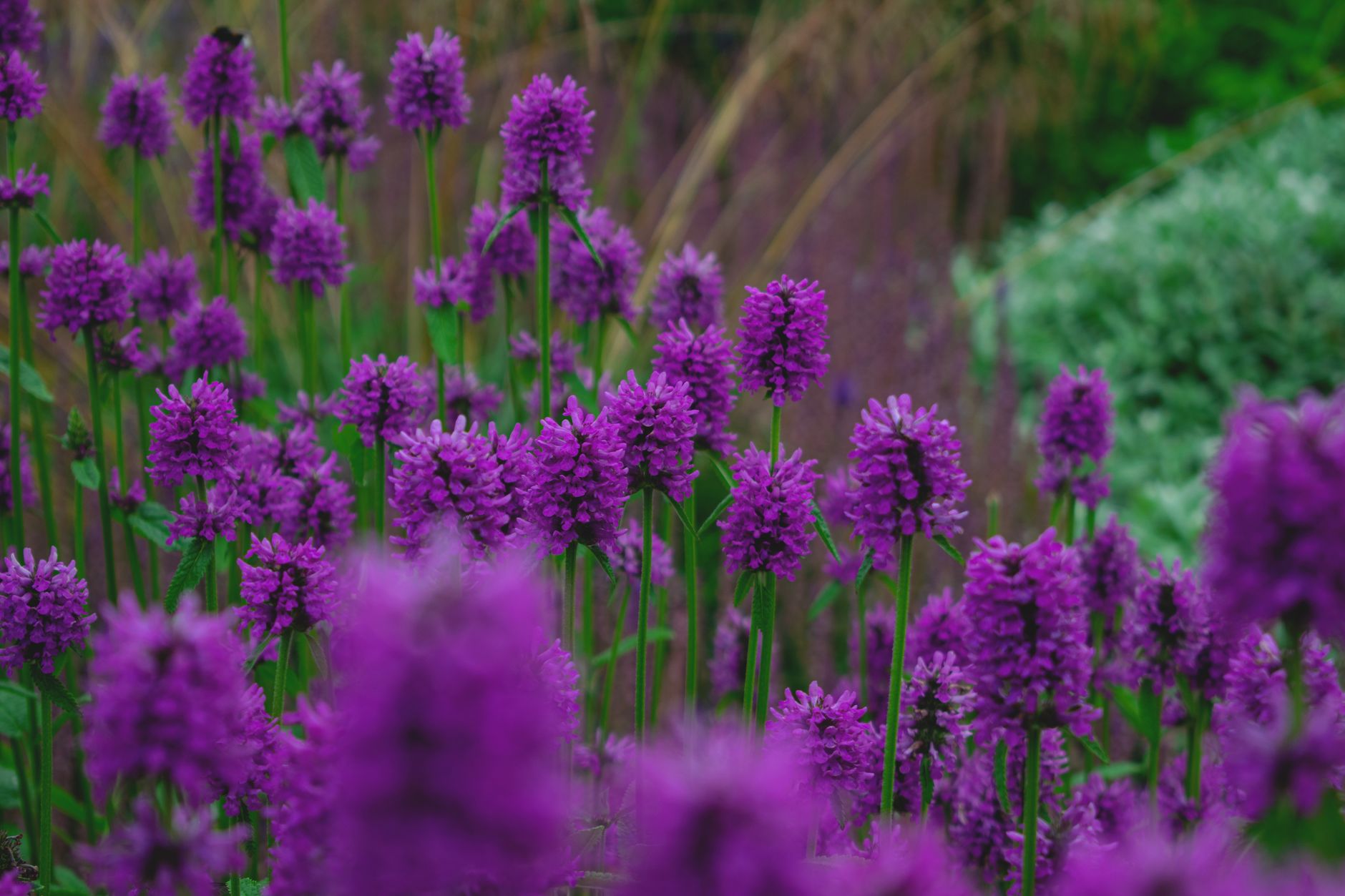
Why deadhead: Removing spent flowers redirects energy into producing more blooms.
How to deadhead: Cut spent flower stems back to the nearest leaf or side shoot.
Which plants: Coneflowers, black-eyed Susans, coreopsis, yarrow, and salvia benefit from deadheading.
Frequency: Deadhead weekly during the blooming season.
Fertilize for Continuous Blooms
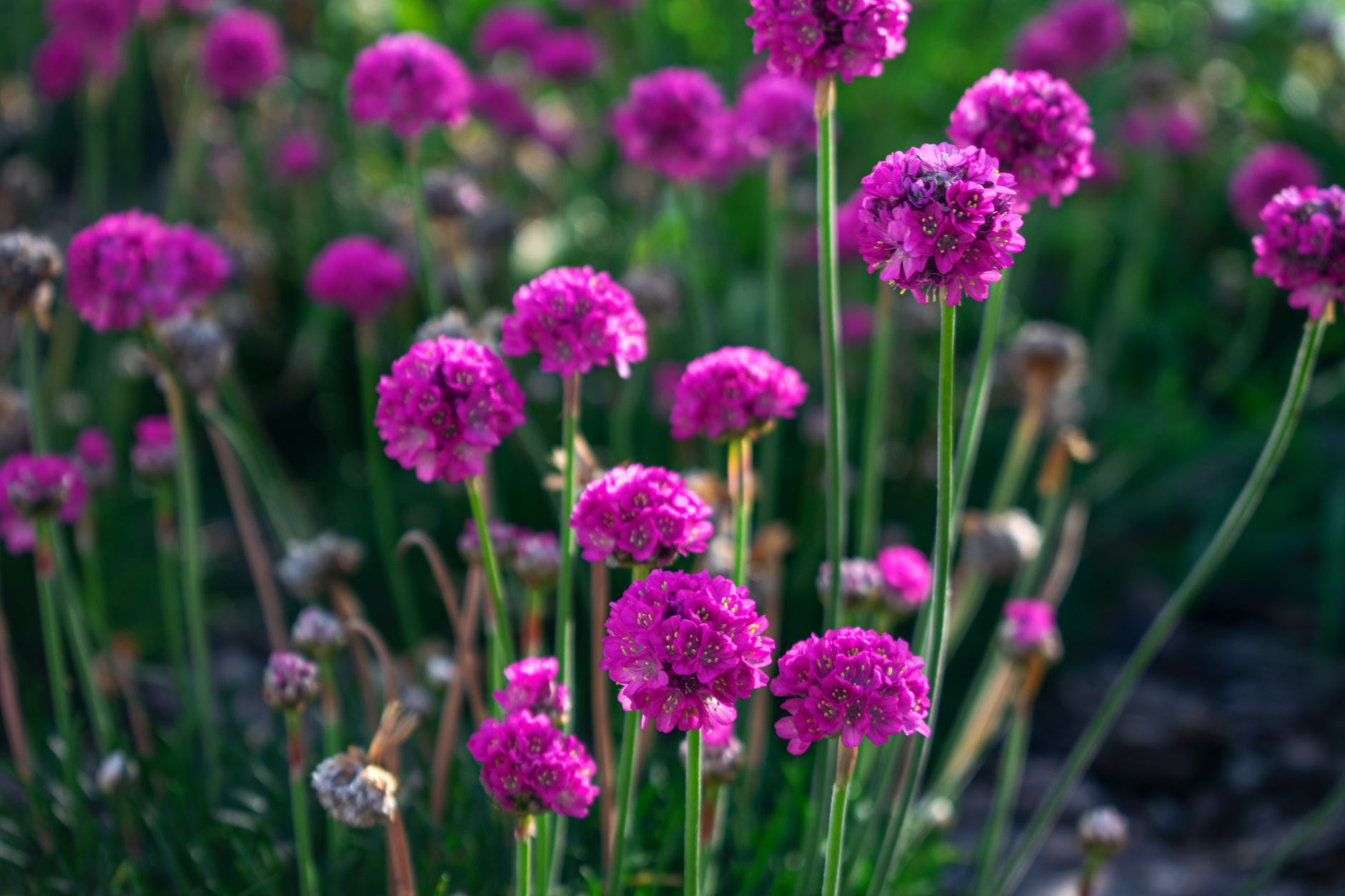
When to fertilize: Apply in early spring and again in mid-summer (June-July).
What to use: Use a balanced fertilizer (10-10-10) or a flower-specific fertilizer (5-10-5).
How much: Apply 1/4 to 1/2 cup per plant. Sprinkle around the base and water in.
Organic options: Compost, aged manure, or fish emulsion are excellent alternatives.
Troubleshoot Common Issues
Poor blooming: Too much shade or too much nitrogen.
Leggy growth: Not enough sun or too much fertilizer.
Powdery mildew: Poor air circulation. Prune to improve airflow.
Japanese beetles: Hand-pick or use insecticidal soap.
Aphids: Spray with insecticidal soap or neem oil.
Common problems and fixes
| Problem | Likely cause | What to do |
|---|---|---|
| Plants not blooming | Too much shade or too much nitrogen. | Move to a sunnier spot or reduce nitrogen. |
| Leggy growth | Not enough sun or too much fertilizer. | Move to full sun and reduce fertilizer. |
| Powdery mildew | Poor air circulation. | Prune to improve airflow and apply fungicide if needed. |
| Pests (aphids, beetles) | Pests attracted to stressed plants. | Spray with insecticidal soap or neem oil. |
Gardener's checklist
Test what you learned
How much sun do full sun perennials need?
Answer: 6+ hours
Which perennial is drought-tolerant and blooms from June-September?
Answer: Coneflower
What is deadheading?
Answer: Removing spent flowers
How often should you water full sun perennials?
Answer: Deeply once a week
Which plant is a full sun perennial?
Answer: Black-eyed Susan
Common questions
What perennials bloom the longest in full sun?
Coneflower (Echinacea), black-eyed Susan (Rudbeckia), coreopsis, yarrow, and blanket flower (Gaillardia) are among the longest-blooming perennials, flowering from June to September.
Can full sun perennials tolerate drought?
Yes, most full sun perennials are drought-tolerant once established. However, they perform best with regular watering (1 inch per week).
Do full sun perennials come back every year?
Yes, perennials come back year after year. They die back in winter and re-emerge in spring.
How often should I divide perennials?
Divide perennials every 3-4 years to rejuvenate the plants and prevent overcrowding.
What are the easiest full sun perennials for beginners?
Black-eyed Susan, coneflower, daylily, and lavender are all easy to grow and perfect for beginners.
Full sun perennials are the backbone of a sunny garden, providing reliable color from early summer through fall. Choose a mix of coneflowers, black-eyed Susans, daylilies, lavender, and coreopsis for continuous blooms. Plant in full sun (6+ hours), water deeply once a week, and deadhead spent flowers to encourage reblooming. With proper care, these perennials will come back year after year, providing vibrant color and attracting pollinators to your garden.
Frequently asked questions
How often should a vegetable garden be watered?
Frequency depends on weather, soil and plant size. Check the soil rather than watering on a rigid schedule.
Is compost enough fertilizer?
Compost improves soil and provides nutrients slowly. Heavy-feeding crops may still need additional feeding.

The Sproutstead Editorial Team
We create clear, practical gardening and homesteading guides designed for real homes and beginner growers.
View author profile →

