
Growing wildflowers is one of the easiest and most rewarding gardening projects. Choose a sunny location (6+ hours) with well-draining soil. Remove existing grass and weeds, then prepare the soil by loosening the top 1-2 inches. Choose a wildflower seed mix suited to your region (native species are best). Sow seeds in spring (after last frost) or fall. Mix seeds with sand for even distribution, scatter over the prepared area, and lightly rake in. Water gently and keep the soil moist until germination (7-21 days). Wildflowers are low-maintenance—water during dry spells, and allow plants to self-seed for next year. A wildflower meadow attracts pollinators, birds, and butterflies while providing year-round beauty with minimal effort.
What you will need
Choose the Right Wildflower Seed Mix
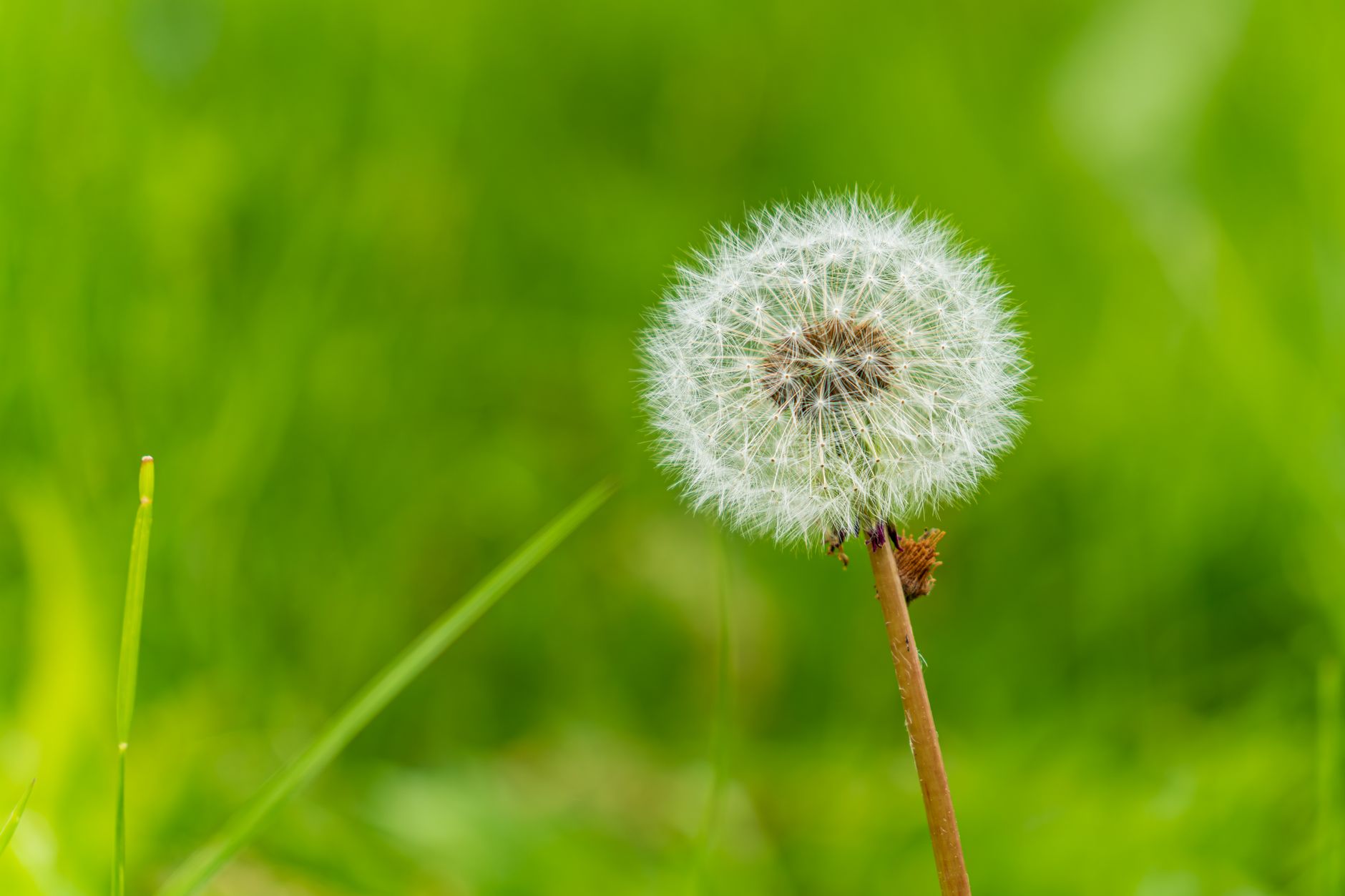
Native species: Choose a seed mix that includes plants native to your region. Native wildflowers are adapted to local climate and soil, and they support local pollinators.
Region-specific: Look for mixes labeled for your region (Northeast, Southeast, Midwest, Southwest, Pacific Northwest, etc.).
Pollinator mix: Includes flowers that attract bees, butterflies, and hummingbirds.
Dry or wet site: Choose a mix suited to your soil moisture (dry, moist, or wet).
Annual vs. perennial: Annuals bloom quickly in the first year; perennials take longer to establish but come back year after year.
Avoid: Avoid mixes that include invasive species or non-native plants.
Select the Best Location
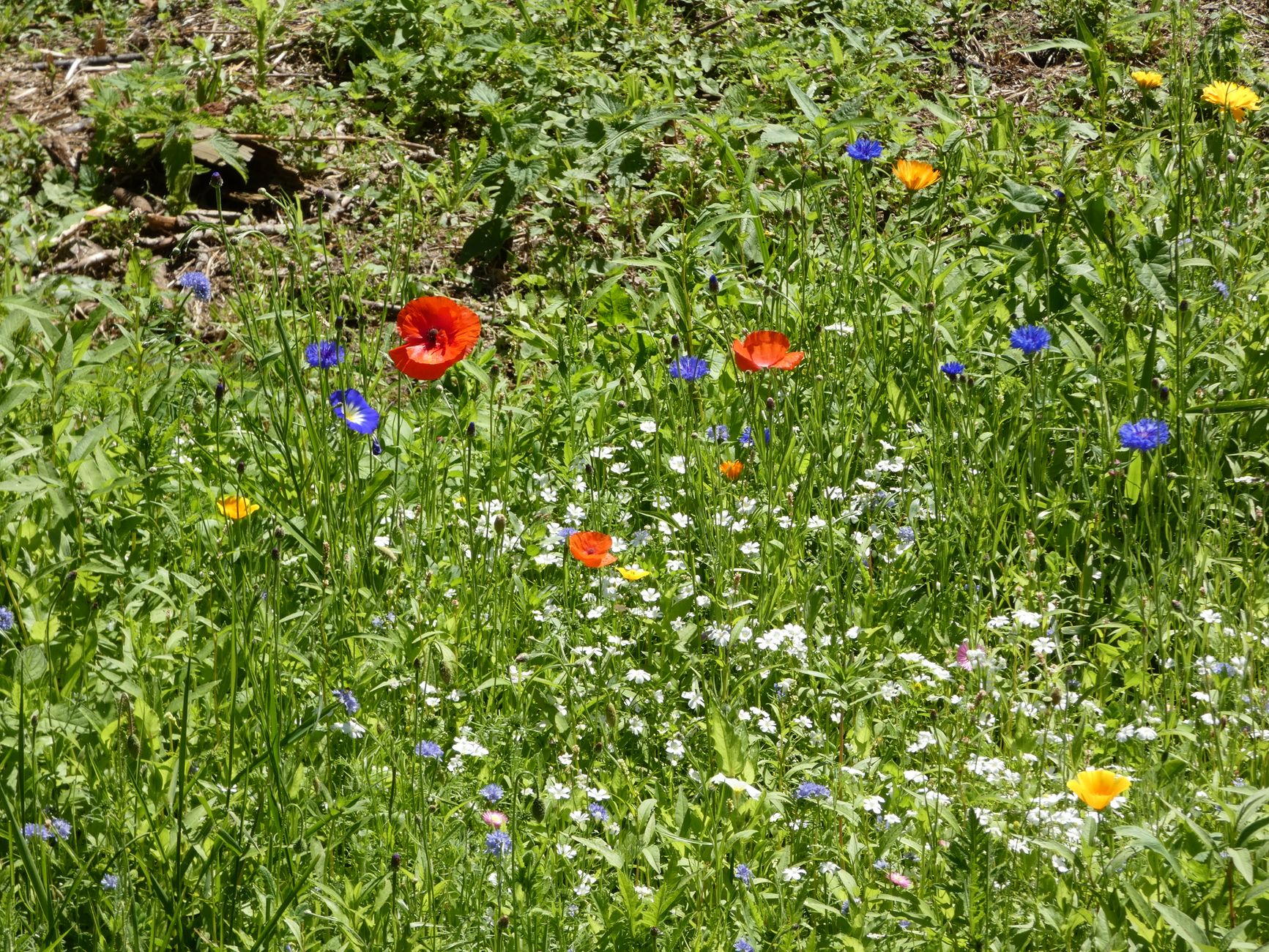
Sunlight: Wildflowers need 6+ hours of direct sunlight daily.
Soil: Well-draining, low to moderate fertility soil. Rich soil favors grasses over wildflowers.
Drainage: Good drainage is important—most wildflowers don't like wet feet.
Size: Start with a manageable area (10x10 feet or larger) and expand over time.
Accessibility: Choose a spot where you can enjoy the meadow and access it for maintenance.
Prepare the Soil
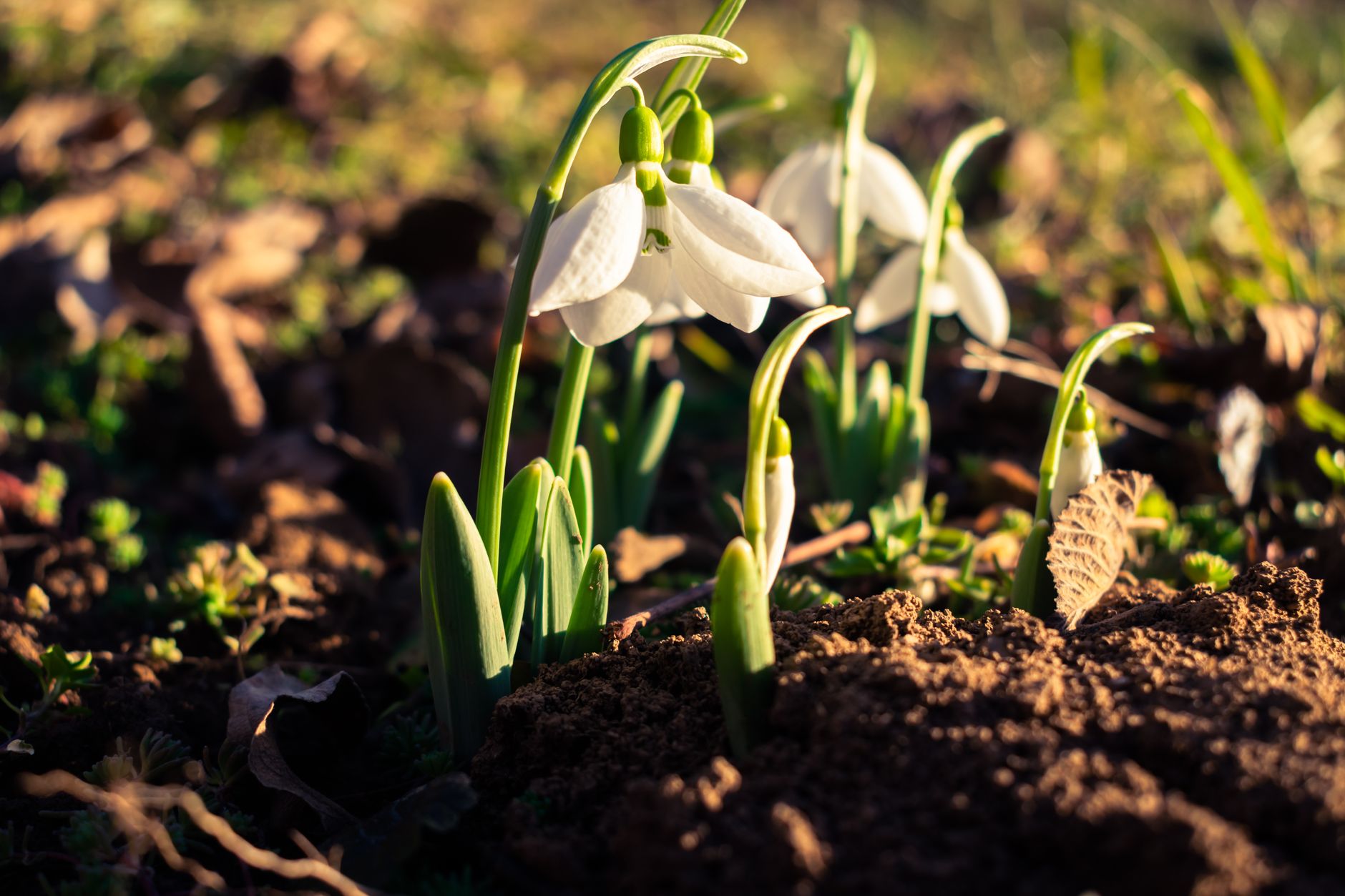
Remove existing vegetation: Clear the area of grass, weeds, and debris.
Methods: Use a sod cutter, tiller, or smother with cardboard and mulch.
Smothering: Cover the area with cardboard or black plastic for 4-6 weeks to kill grass and weeds.
Loosen soil: Loosen the top 1-2 inches of soil with a rake or hoe. Do not till deeply—wildflower seeds need soil contact but don't like deep tilling.
Avoid fertilizer: Wildflowers prefer low-fertility soil. Don't add fertilizer—it encourages weeds.
Sow the Seeds
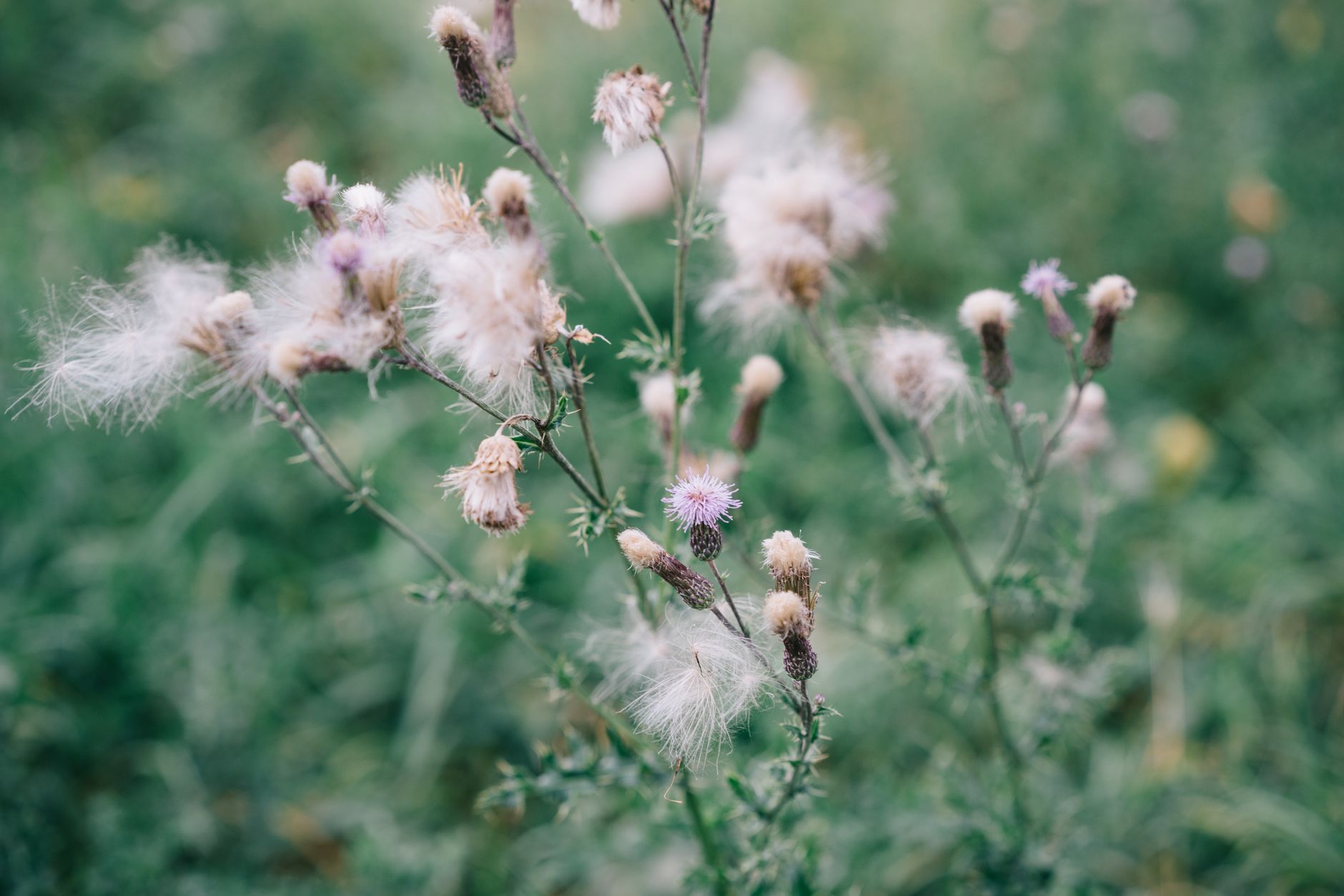
When to sow: Sow in spring (after last frost) or fall. Fall sowing allows seeds to stratify over winter.
Mixing: Mix seeds with sand (1 part seeds to 4 parts sand) for even distribution.
Scattering: Scatter the seed mixture evenly over the prepared area.
Raking: Lightly rake the seeds into the top 1/4 inch of soil.
Rolling: Press the seeds into the soil with a roller or by walking over the area.
Water: Water gently to settle the seeds.
Water and Care
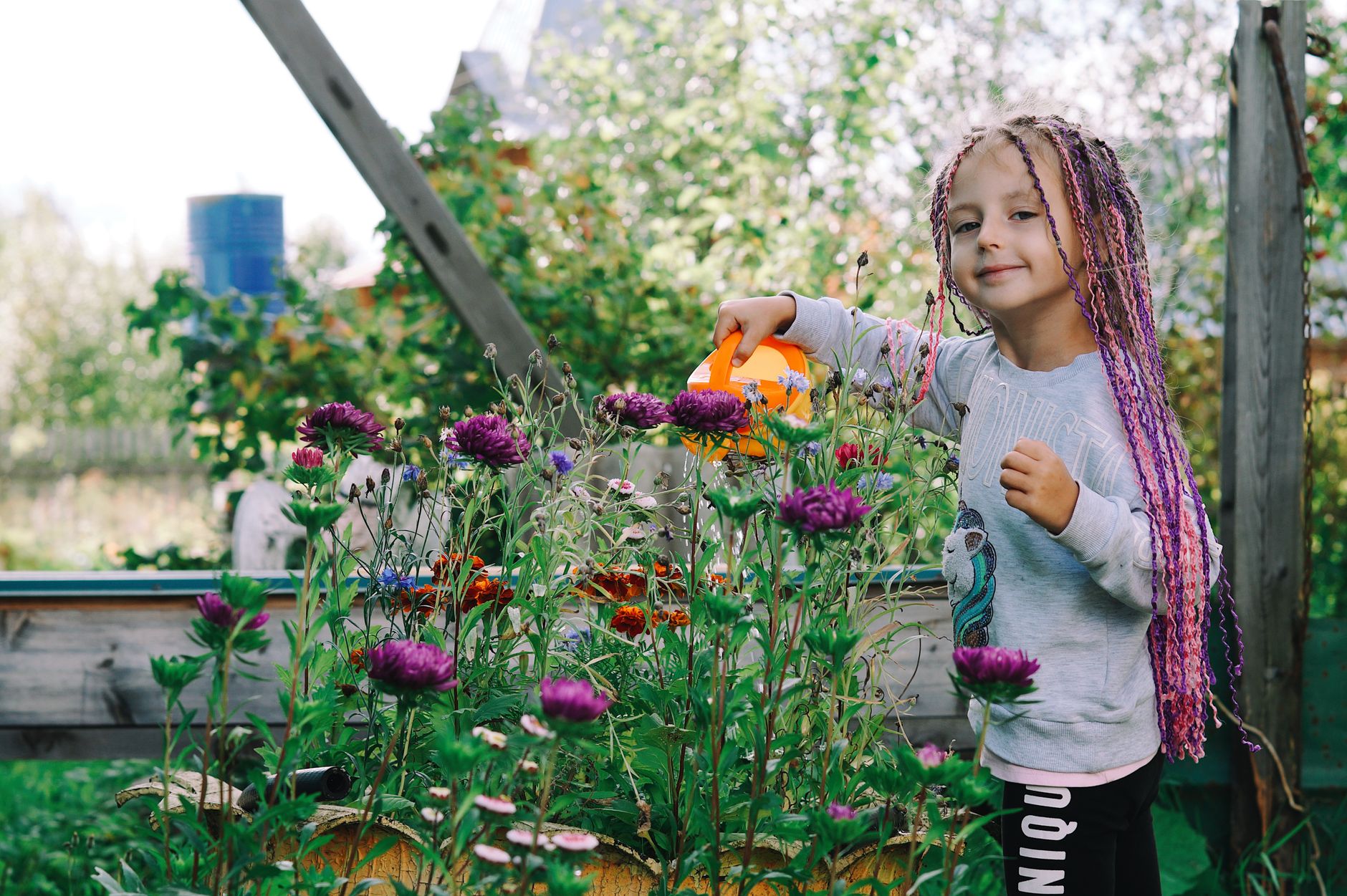
Water: Water gently and keep the soil moist until germination (7-21 days).
After germination: Water during dry spells (1 inch per week).
Mulch: Apply a thin layer of straw or hay (1/2 inch) to retain moisture and prevent weeds.
Weeds: Remove weeds by hand—don't use herbicides.
Fertilizer: Avoid fertilizer—wildflowers prefer low-nutrient soil.
Maintain Your Wildflower Meadow
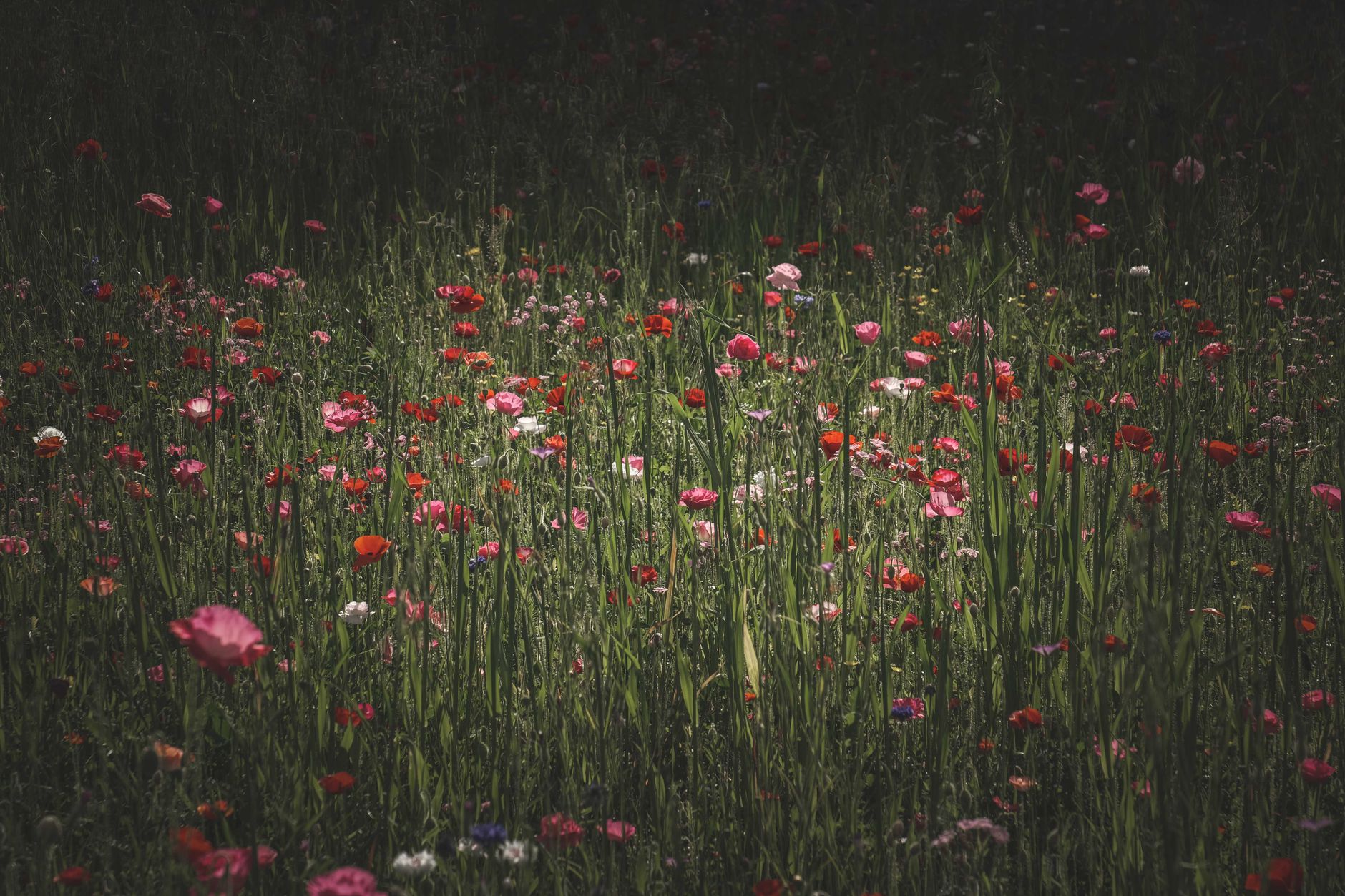
Weeding: Remove invasive weeds by hand—don't let them go to seed.
Mowing: Mow once a year in late winter or early spring (before new growth starts). Mow to 4-6 inches.
Self-seeding: Allow plants to self-seed for natural regeneration.
Thinning: If the meadow becomes too dense, thin out some plants to maintain diversity.
Overseeding: Overseed every 2-3 years to fill gaps and maintain density.
Encourage Pollinators
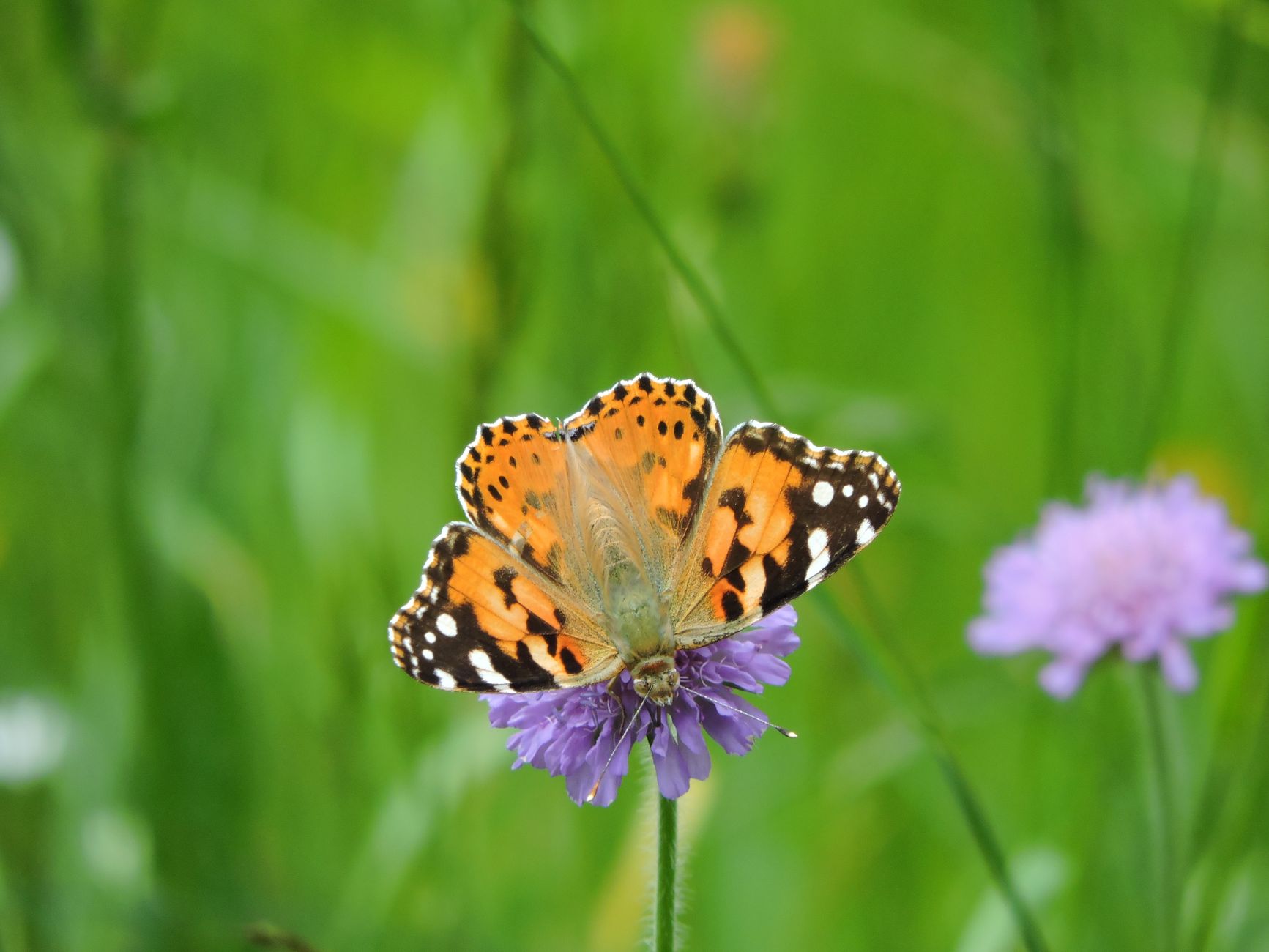
Plant diversity: Include a mix of flower shapes and colors to attract different pollinators.
Native species: Native plants are best for supporting native pollinators.
Continuous bloom: Include early, mid, and late-season bloomers.
Avoid pesticides: Don't use pesticides—they harm pollinators.
Troubleshoot Common Issues
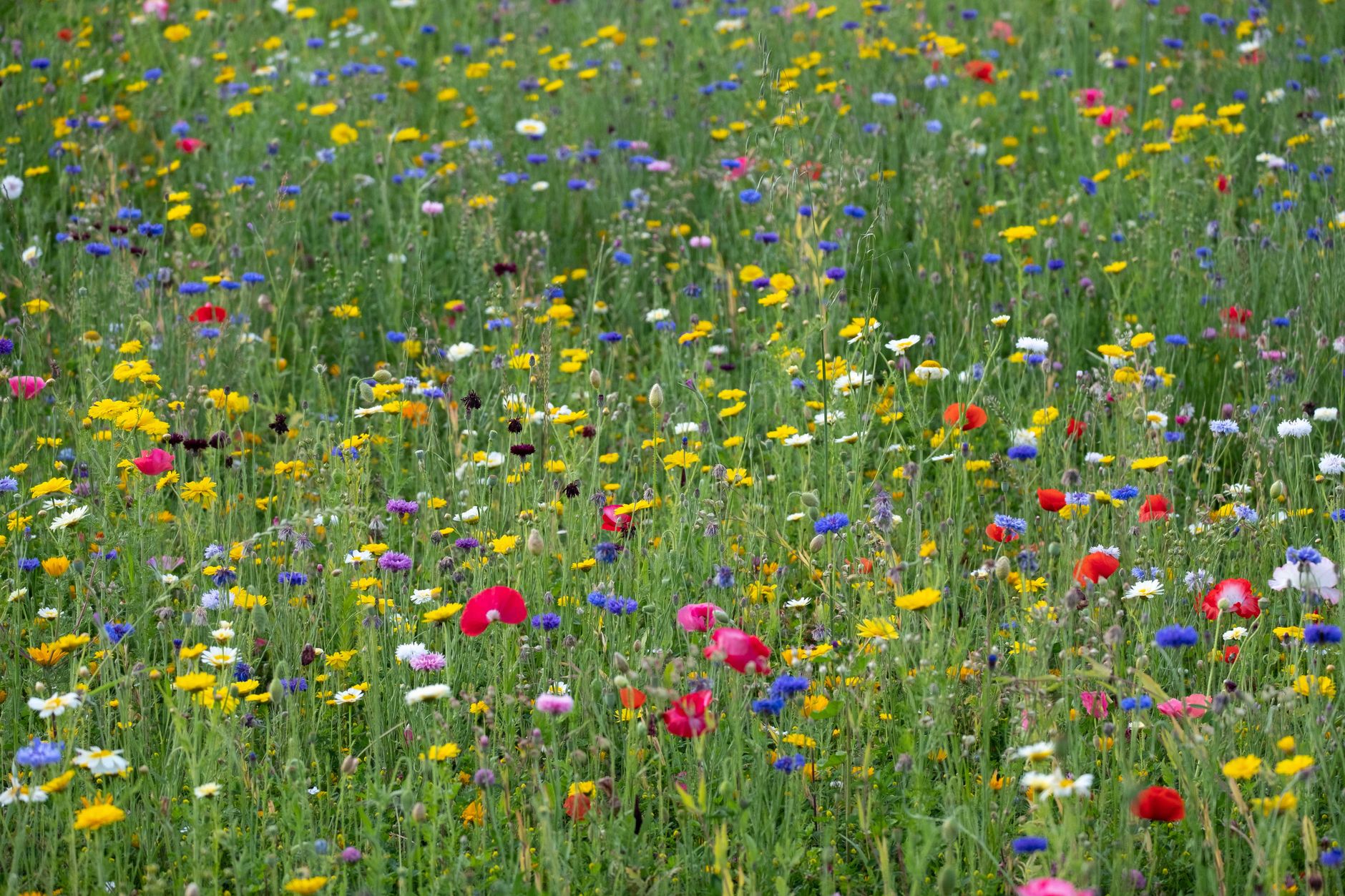
Weeds: Hand-pull weeds before they go to seed. Use mulch or smothering for future control.
Poor germination: Seeds may have been buried too deep, or soil too dry.
No blooms: Too much nitrogen (fertilizer), or seeds were annuals that need reseeding.
Invasive species: Remove invasives immediately—they can take over quickly.
Common problems and fixes
| Problem | Likely cause | What to do |
|---|---|---|
| Poor germination | Seeds buried too deep or soil too dry. | Lightly rake seeds in and keep soil moist. |
| Weeds taking over | Not removing weeds before planting. | Hand-pull weeds and apply mulch. |
| No blooms | Too much nitrogen or annual seeds that need reseeding. | Avoid fertilizer and allow self-seeding. |
| Invasive species | Non-native seeds or plants. | Remove invasives and choose native mixes. |
Gardener's checklist
Test what you learned
What is the best way to distribute wildflower seeds?
Answer: Mix with sand and scatter
How deep should wildflower seeds be planted?
Answer: 1/4 inch (lightly raked)
When is the best time to sow wildflower seeds?
Answer: Spring or Fall
How often should a wildflower meadow be mowed?
Answer: Once a year
What kind of fertilizer do wildflowers need?
Answer: None (low-fertility)
Common questions
How long does it take for wildflowers to bloom?
Annual wildflowers bloom within 60-90 days. Perennials may take 1-2 years to establish and bloom.
Can I plant wildflowers in containers?
Yes! Choose compact wildflower mixes and use large containers (12-15 inches deep) with well-draining soil.
Do wildflowers come back every year?
Perennial wildflowers come back year after year. Annuals self-seed and return the following year if allowed to go to seed.
How do I keep weeds out of my wildflower meadow?
Prepare soil thoroughly before planting, hand-pull weeds regularly, and mow once a year in late winter.
What are the best wildflowers for pollinators?
Coneflower, black-eyed Susan, butterfly weed, milkweed, goldenrod, aster, and lupine are excellent for pollinators.
A wildflower meadow brings color, beauty, and pollinators to any landscape. Choose a native seed mix suited to your region, prepare the soil by removing weeds and loosening the top 1-2 inches, and scatter seeds mixed with sand. Water gently and keep the soil moist until germination. Wildflowers are low-maintenance—water during dry spells, hand-pull weeds, and mow once a year in late winter. With proper care, your wildflower meadow will provide year-round beauty and support local pollinators.
Frequently asked questions
How often should a vegetable garden be watered?
Frequency depends on weather, soil and plant size. Check the soil rather than watering on a rigid schedule.
Is compost enough fertilizer?
Compost improves soil and provides nutrients slowly. Heavy-feeding crops may still need additional feeding.

The Sproutstead Editorial Team
We create clear, practical gardening and homesteading guides designed for real homes and beginner growers.
View author profile →

