
Shade-loving perennials thrive in areas with limited sunlight, adding lush foliage and beautiful flowers to shady corners. Top choices include: hostas (foliage), ferns (texture), astilbes (plume flowers), heucheras (colorful foliage), bleeding hearts (heart-shaped flowers), foxgloves (tall spikes), and pulmonarias (silvery leaves). Most prefer moist, well-draining soil and need 1 inch of water per week. Plant in spring or fall, mulch to retain moisture, and fertilize in spring. These perennials come back year after year, providing color and interest in the shadiest spots. Choose plants based on your shade level: deep shade, partial shade, or dappled shade.
What you will need
Top Shade Perennials

Hostas: The most popular shade plant. Foliage in green, blue, gold, or variegated. Spikes of white or lavender flowers. Height: 6-36 inches. Zones: 3-9.
Ferns: Lush, feathery foliage. Excellent for texture. Varieties: Japanese painted fern, ostrich fern, maidenhair fern. Height: 12-36 inches. Zones: 3-9.
Astilbes: Plume-like flowers in pink, red, white, or purple. Good for moist shade. Height: 12-36 inches. Zones: 4-8.
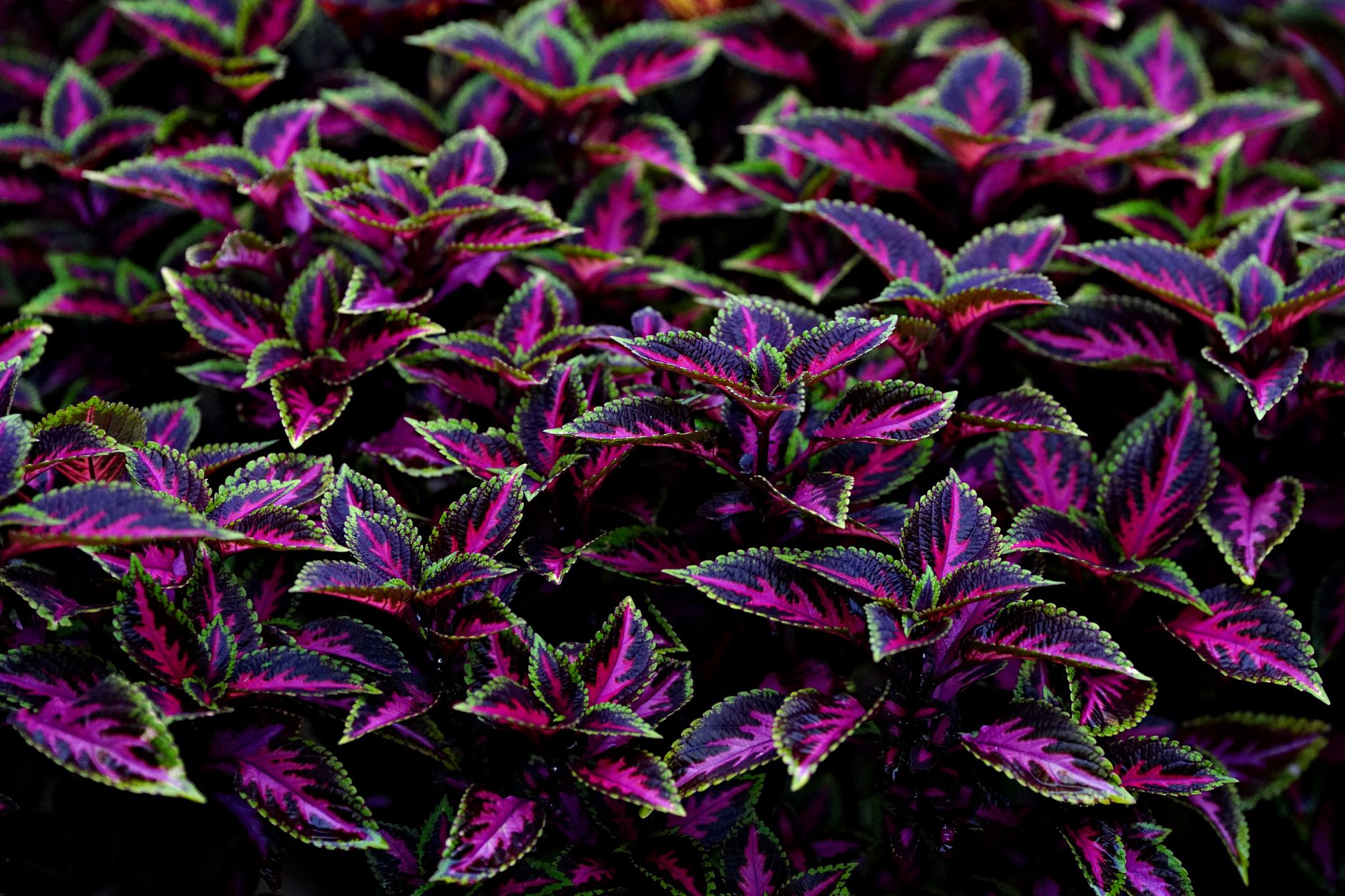
Heucheras (Coral Bells): Colorful foliage in purple, bronze, lime, or silver. Small flowers. Height: 8-18 inches. Zones: 4-9.
Bleeding Hearts: Heart-shaped pink or white flowers in spring. Fern-like foliage. Height: 12-24 inches. Zones: 3-9.
Foxgloves: Tall spikes of bell-shaped flowers in pink, purple, white, or yellow. Height: 2-5 feet. Zones: 4-8.
Pulmonaria (Lungwort): Silvery-spotted foliage. Pink, blue, or purple flowers. Height: 8-12 inches. Zones: 3-8.
Tiarella (Foamflower): Foamy white or pink flower spikes. Attractive foliage. Height: 6-12 inches. Zones: 4-9.
Hellebores (Lenten Rose): Early spring flowers in white, pink, purple, or green. Evergreen foliage. Height: 12-18 inches. Zones: 4-9.
Choose Plants for Your Shade Level
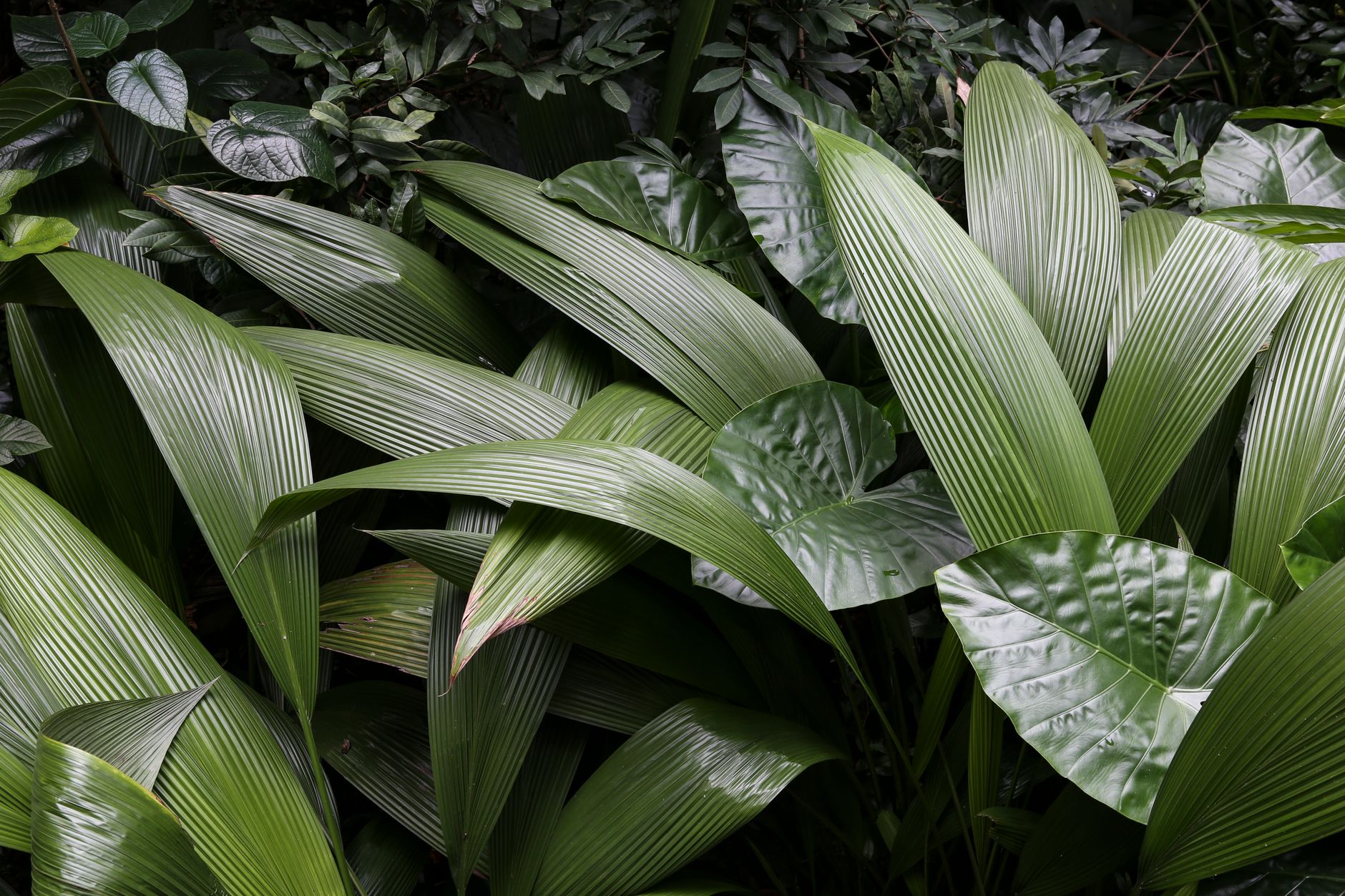
Deep shade (less than 2 hours of sun): Hostas, ferns, hellebores, and mosses.
Partial shade (2-4 hours of sun): Astilbes, heucheras, bleeding hearts, and tiarellas.
Dappled shade (filtered sun): Foxgloves, columbines, and woodland phlox.
Full shade (no direct sun): Impatiens (annual), begonias (annual), and ferns.
Observe: Spend a day observing how much sun your area receives before choosing plants.
Select the Best Planting Site

Sunlight: Choose a spot with the appropriate shade level for your plants.
Soil: Moist, well-draining soil rich in organic matter. Add compost to improve soil structure.
Drainage: Good drainage is important—shade plants don't like wet feet.
Space: Plant in groups of 3-5 for the best visual impact.
Viewing: Place them where you can enjoy them—near a patio, walkway, or window.
Plant for Year-Round Interest

Spring (March-May): Bleeding hearts, hellebores, spring-blooming hostas, and columbines.
Summer (June-August): Astilbes, heucheras (foliage), ferns, and summer-blooming hostas.
Fall (September-November): Autumn ferns, golden-leaved hostas, and late-blooming toad lilies.
Winter: Evergreen ferns and hellebores provide winter interest.
Design tips: Plant in drifts of 3-5 plants for a natural look.
Prepare the Soil

Remove weeds: Clear the area of all weeds and grass.
Loosen soil: Work the soil to a depth of 8-12 inches.
Add compost: Add 2-3 inches of compost or aged manure and mix it in.
Test pH: Most shade perennials prefer pH 6.0-7.0.
Fertilize: Apply a balanced fertilizer before planting.
Water and Mulch

Water: Water deeply once a week (1 inch per week) during dry spells.
Moisture: Shade perennials prefer consistently moist soil—don't let them dry out.
Mulch: Apply 2-3 inches of mulch (wood chips, shredded bark, or compost).
Why mulch: Mulch retains moisture, suppresses weeds, and moderates soil temperature.
Avoid: Keep mulch away from plant stems to prevent rot.
Fertilize Shade Perennials
When to fertilize: Apply in early spring when new growth appears.
What to use: Use a balanced fertilizer (10-10-10) or a slow-release fertilizer.
How much: Follow package instructions. Don't over-fertilize—shade plants are not heavy feeders.
Organic options: Compost, aged manure, or fish emulsion are excellent alternatives.
Troubleshoot Common Issues

Yellow leaves: Overwatering or nutrient deficiency.
Slugs and snails: Common in shade. Use beer traps or diatomaceous earth.
Powdery mildew: Poor air circulation. Prune to improve airflow.
Plants not thriving: Wrong shade level or poor soil.
Poor blooms: Too much shade or too much nitrogen.
Common problems and fixes
| Problem | Likely cause | What to do |
|---|---|---|
| Yellow leaves | Overwatering or nutrient deficiency. | Reduce watering and apply balanced fertilizer. |
| Slugs and snails | Damp conditions in shade. | Use beer traps or diatomaceous earth. |
| Powdery mildew | Poor air circulation. | Prune to improve airflow. |
| Plants not thriving | Wrong shade level or poor soil. | Choose plants for your shade level and amend the soil. |
Gardener's checklist
Test what you learned
Which plant is the most popular shade perennial?
Answer: Hosta
Which shade perennial has colorful foliage?
Answer: Heuchera
How much sun do shade perennials need?
Answer: Less than 4 hours
What is a common pest in shade gardens?
Answer: Slugs and snails
When should you fertilize shade perennials?
Answer: Spring
Common questions
What perennials grow best in deep shade?
Hostas, ferns, hellebores, and mosses are excellent choices for deep shade.
Can shade perennials bloom?
Yes! Astilbes, bleeding hearts, foxgloves, and pulmonarias all produce beautiful flowers in the shade.
How do I keep slugs out of my shade garden?
Use beer traps, diatomaceous earth, or iron phosphate slug baits. Remove debris where slugs hide.
Do shade perennials need a lot of water?
Shade perennials need about 1 inch of water per week. Mulching helps retain moisture.
What is the best fertilizer for shade perennials?
A balanced fertilizer (10-10-10) or slow-release fertilizer applied in spring.
Shade perennials bring lush foliage and beautiful flowers to the shadiest corners of your garden. Choose plants based on your shade level—hostas and ferns for deep shade, astilbes and heucheras for partial shade. Plant in moist, well-draining soil, water deeply once a week, and mulch to retain moisture. Fertilize in spring with a balanced fertilizer. With proper care, these perennials will come back year after year, providing color and interest in the shade.
Frequently asked questions
How often should a vegetable garden be watered?
Frequency depends on weather, soil and plant size. Check the soil rather than watering on a rigid schedule.
Is compost enough fertilizer?
Compost improves soil and provides nutrients slowly. Heavy-feeding crops may still need additional feeding.

The Sproutstead Editorial Team
We create clear, practical gardening and homesteading guides designed for real homes and beginner growers.
View author profile →

