
Clematis is a spectacular climbing vine that produces large, showy flowers from spring to fall. Choose the right variety for your space: large-flowered hybrids (for showy blooms), small-flowered species (for natural look), or evergreen types (winter interest). Plant in full sun to part shade (6+ hours of sun is ideal, but roots need shade). Dig a hole twice as wide as the root ball, plant 2-3 inches deeper than the nursery pot, and water well. Provide support (trellis, arbor, or fence) for the vine to climb. Prune according to your clematis type—some bloom on old wood, others on new wood. With proper care, clematis will reward you with stunning blooms for years.
What you will need
Choose the Right Clematis Variety
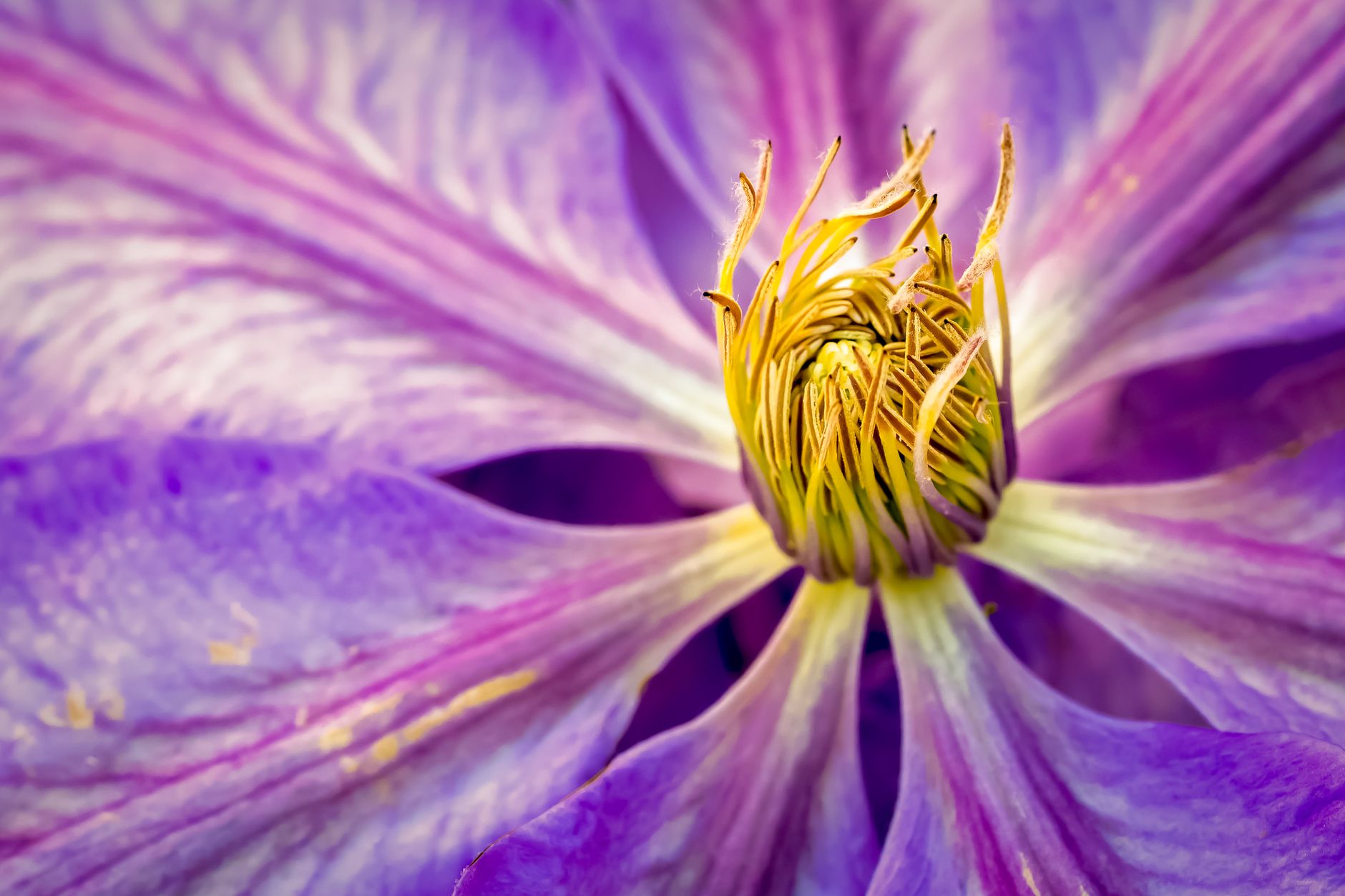
Large-Flowered Hybrids: The most popular type. Large, showy flowers (4-8 inches across). Bloom in spring, summer, or both. Popular: Jackmanii (deep purple), Nelly Moser (pink with dark stripe), The President (deep blue-purple), Niobe (deep red).
Small-Flowered Species: More delicate, smaller flowers. Often fragrant. Good for naturalizing. Popular: Sweet Autumn Clematis (white, fragrant, fall-blooming), Montana (pink, spring-blooming), Vitalba (white, small).
Evergreen Types: Retain leaves in winter. Good for screening. Popular: Armandii (white, fragrant, spring-blooming), Freemontii.
Height: 6-15 feet depending on variety. Choose a height that fits your trellis or arbor.
Colors: Available in purple, pink, red, white, blue, and bi-colors.
Select the Best Planting Site
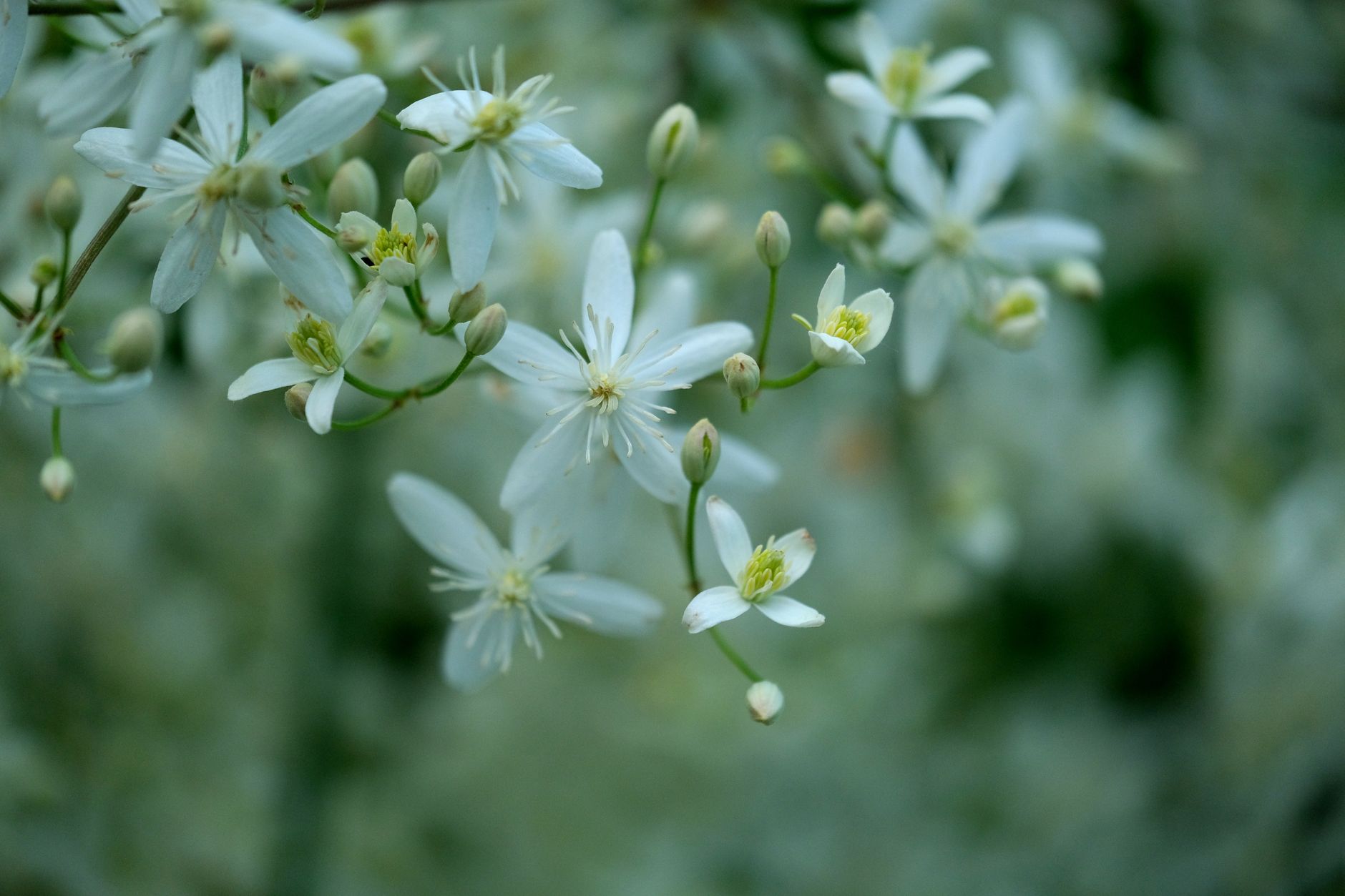
Sunlight: Clematis needs 6+ hours of sun for the best blooms. Some afternoon shade is beneficial in hot climates.
Roots: Clematis roots need to be cool and shaded. Plant near a low-growing shrub or use mulch to shade roots.
Soil: Well-draining, fertile soil with a pH of 6.0-7.0. Add compost to improve drainage.
Drainage: Good drainage is essential—clematis roots rot in wet soil.
Support: Clematis needs a trellis, arbor, fence, or pergola to climb. Install it before planting to avoid root damage.
Plant Clematis Correctly
When to plant: Plant in spring or fall when the soil is moist.
Planting depth: The most important factor. Plant clematis 2-3 inches deeper than it was in the nursery pot. This encourages new shoots to form from below the soil line.
Spacing: Space plants 3-5 feet apart (depending on variety).
Soil preparation: Mix compost into the planting hole.
Water: Water well after planting and keep the soil moist.
Provide Support and Mulch

Support: Clematis is a climber—provide a trellis, arbor, fence, or pergola.
Install before planting: Install the support before planting to avoid damaging the roots.
Training: Train the vine onto the support by gently tying it with soft twine.
Mulch: Apply 2-3 inches of mulch (wood chips or compost) to keep roots cool and moist.
Keep away from stems: Keep mulch away from the stems to prevent rot.
Water and Fertilize

Water: Water deeply once a week (1-2 inches). Keep the soil consistently moist.
Fertilizer: Apply a balanced fertilizer (10-10-10) in spring and summer.
Organic options: Compost, aged manure, or rose fertilizer are excellent alternatives.
Stop fertilizing: Stop fertilizing in late summer to allow the plant to prepare for winter.
Prune at the Right Time

Group 1 (Spring Bloomers): Blooms on old wood. Prune lightly after flowering (summer). Remove dead and weak stems. Examples: Montana, Armandii, Evergreen.
Group 2 (Large-Flowered Hybrids): Blooms on old and new wood. Prune in late winter/early spring (February-March). Remove dead wood and thin out stems. Prune to strong buds. Examples: Jackmanii, Nelly Moser, The President, Niobe.
Group 3 (Summer Bloomers): Blooms on new wood. Prune hard in late winter (February-March). Cut back to 12-18 inches above the ground. Examples: Sweet Autumn Clematis, Viticella, Texensis.
When in doubt: Prune lightly—it's better to under-prune than over-prune.
Protect from Pests and Diseases

Clematis wilt: A fungal disease that causes sudden wilting. Remove affected stems and improve air circulation.
Powdery mildew: Common in humid weather. Improve air circulation and apply fungicide if needed.
Aphids: Spray with insecticidal soap or neem oil.
Slugs and snails: Use beer traps or diatomaceous earth.
Healthy plants: Keep plants healthy with proper watering and fertilizing—they're more resistant to pests.
Troubleshoot Common Issues

No blooms: Pruned at the wrong time (Group 1 pruned in winter), too much shade, or too much nitrogen.
Clematis wilt: Remove affected stems and improve air circulation.
Slow growth: Not enough water, poor soil, or roots disturbed.
Yellow leaves: Overwatering or nutrient deficiency.
Pests: Spray with insecticidal soap or neem oil.
Common problems and fixes
| Problem | Likely cause | What to do |
|---|---|---|
| No blooms | Pruned at the wrong time or too much shade. | Know your pruning group and ensure 6+ hours of sun. |
| Clematis wilt | Fungal disease. | Remove affected stems and improve air circulation. |
| Slow growth | Not enough water or poor soil. | Water deeply and add compost. |
| Yellow leaves | Overwatering or nutrient deficiency. | Reduce watering and apply balanced fertilizer. |
Gardener's checklist
Test what you learned
How deep should clematis be planted?
Answer: 2-3 inches deeper than nursery pot
What does clematis need to climb?
Answer: Trellis or support
When should Group 2 clematis be pruned?
Answer: Late winter/early spring
What is a common fungal disease in clematis?
Answer: Clematis wilt
How much sun does clematis need?
Answer: 6+ hours
Common questions
Can clematis grow in containers?
Yes! Choose smaller varieties and use a large container (15-20 gallons). Provide a trellis for support and water regularly.
How long do clematis live?
Clematis can live 20-30+ years with proper care.
Do clematis need to be cut back every year?
It depends on the pruning group. Group 1 (light pruning after flowering), Group 2 (light pruning in late winter), Group 3 (hard pruning in late winter).
Why did my clematis suddenly wilt?
Clematis wilt is a fungal disease that causes sudden wilting. Remove affected stems and improve air circulation.
Can I grow clematis in shade?
Clematis needs at least 6 hours of sun for the best blooms. Some varieties tolerate part shade but will produce fewer flowers.
Clematis is one of the most spectacular climbing plants, producing large, showy flowers from spring to fall. Choose the right variety for your space, plant 2-3 inches deeper than the nursery pot, and provide support. Prune according to your clematis type—Group 1 (after flowering), Group 2 (late winter), or Group 3 (late winter). Keep roots cool with mulch and water deeply once a week. With proper care, clematis will reward you with stunning blooms for years.
Frequently asked questions
How often should a vegetable garden be watered?
Frequency depends on weather, soil and plant size. Check the soil rather than watering on a rigid schedule.
Is compost enough fertilizer?
Compost improves soil and provides nutrients slowly. Heavy-feeding crops may still need additional feeding.

The Sproutstead Editorial Team
We create clear, practical gardening and homesteading guides designed for real homes and beginner growers.
View author profile →

