
Peonies are long-lived perennials that produce large, fragrant flowers in spring to early summer. Plant in fall (September-October) or early spring in full sun (6-8 hours) with well-draining soil (pH 6.0-7.0). Plant the tuberous roots with the 'eyes' (buds) facing up and only 1-2 inches deep—planting too deep prevents blooming. Water deeply once a week, fertilize in spring, and provide support for heavy blooms. Peonies bloom for 7-10 days and can live 50+ years with proper care. They're excellent for cut flowers, cottage gardens, and borders.
What you will need
Choose the Right Peony Type
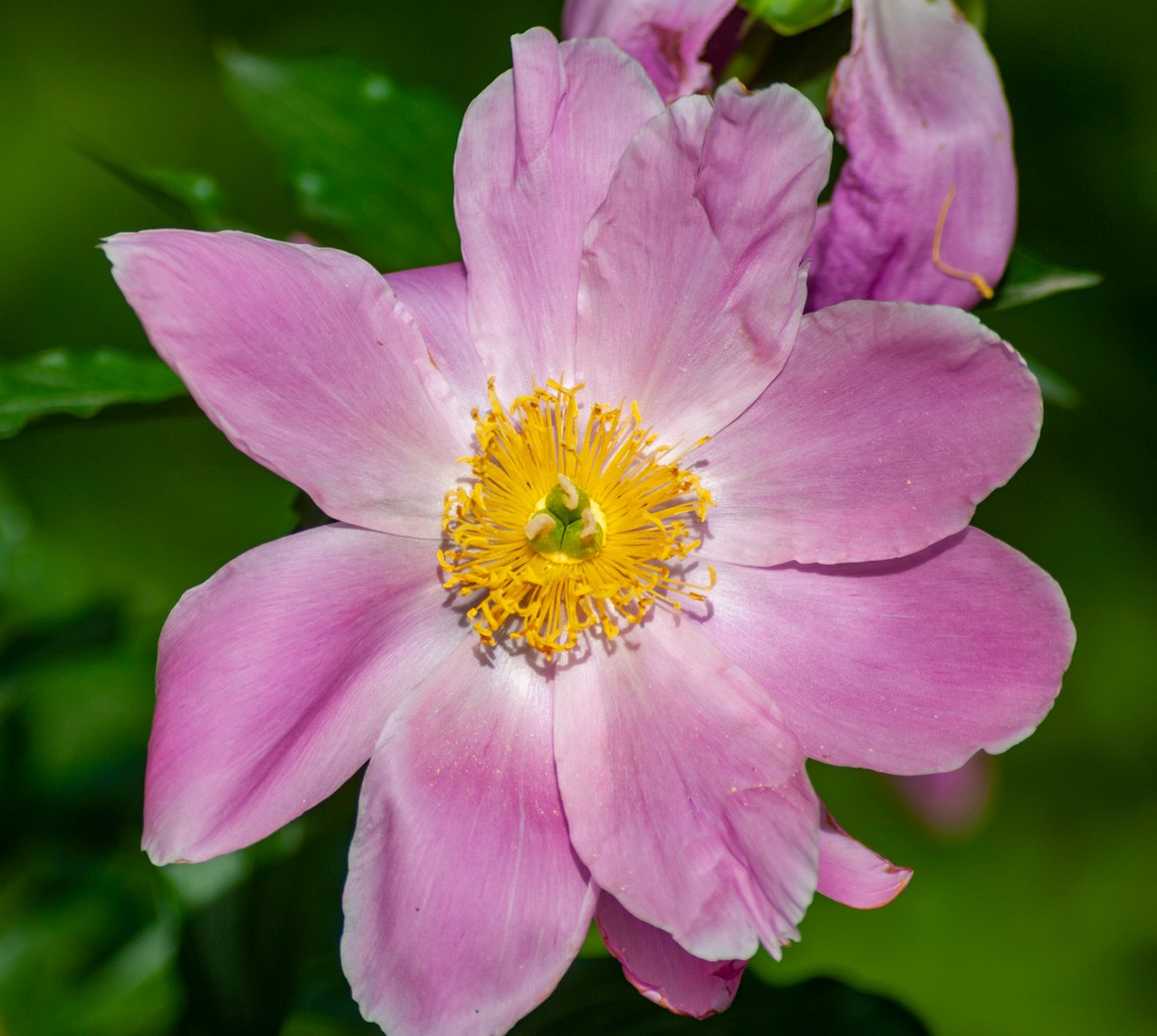
Herbaceous Peonies: The most common type. Die back to the ground in winter and re-emerge in spring. Wide range of colors and forms. Popular varieties: Festiva Maxima, Sarah Bernhardt, Coral Charm, Karl Rosenfield.
Tree Peonies: Woody shrubs that don't die back in winter. Large, spectacular flowers. More expensive and slower-growing. Popular varieties: Shimane Chojuraku, Rockii, Kamata-Fuji.
Intersectional (Itoh) Peonies: A cross between herbaceous and tree peonies. Large flowers, sturdy stems, and a longer bloom time. Popular varieties: Bartzella (yellow), Julia Rose, First Arrival.
Best for beginners: Herbaceous peonies are the easiest and most widely available.
Choose the Best Location
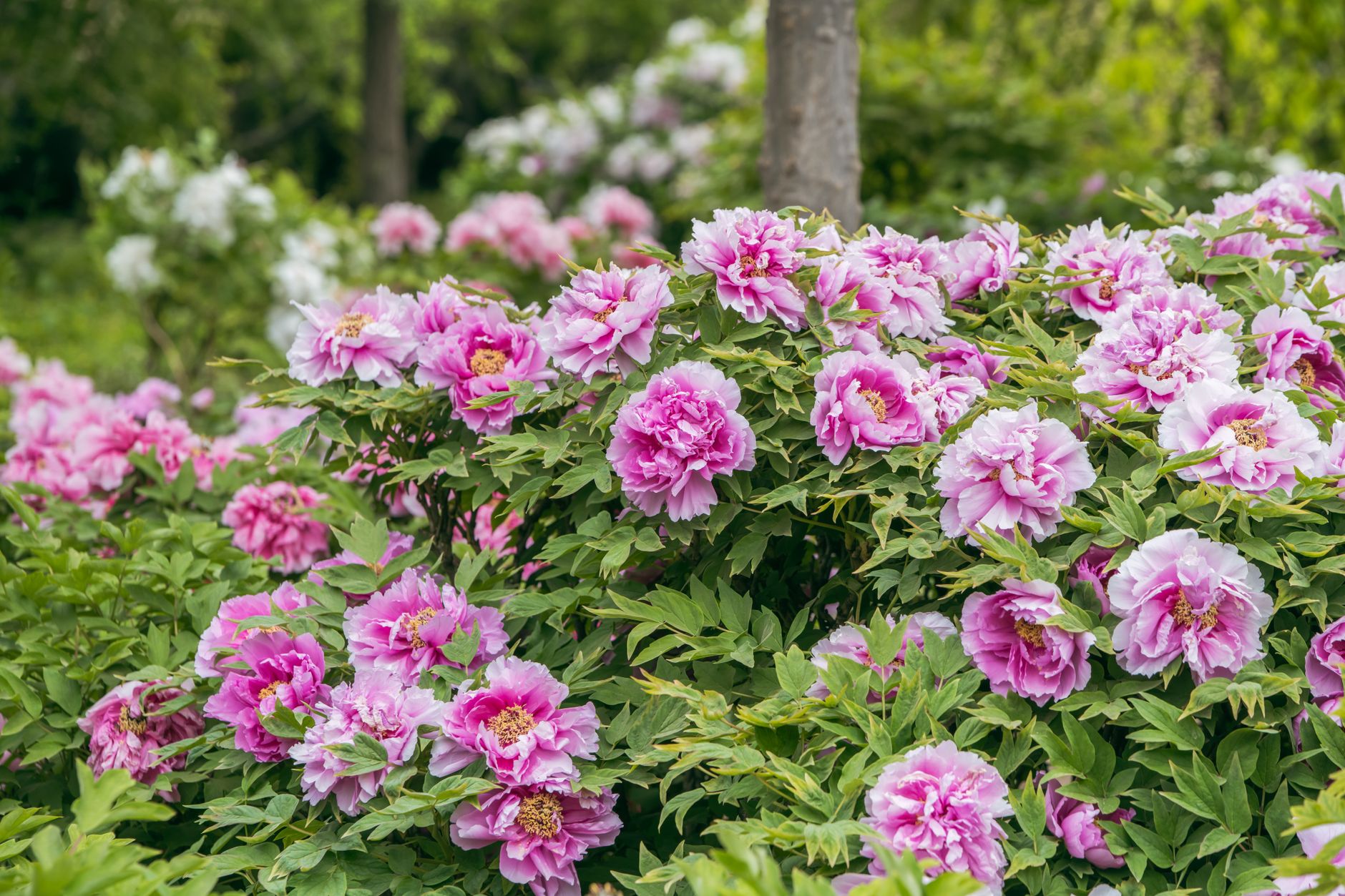
Sunlight: Peonies need 6-8 hours of direct sunlight daily. More sun = more flowers.
Soil: Well-draining, fertile soil with a pH of 6.0-7.0. Add compost to improve drainage.
Air circulation: Good airflow prevents fungal diseases. Space plants 3-4 feet apart.
Drainage: Peonies don't like wet feet. If you have heavy clay, plant in raised beds.
Avoid: Planting too close to trees or shrubs (they compete for nutrients).
Plant Peonies Correctly
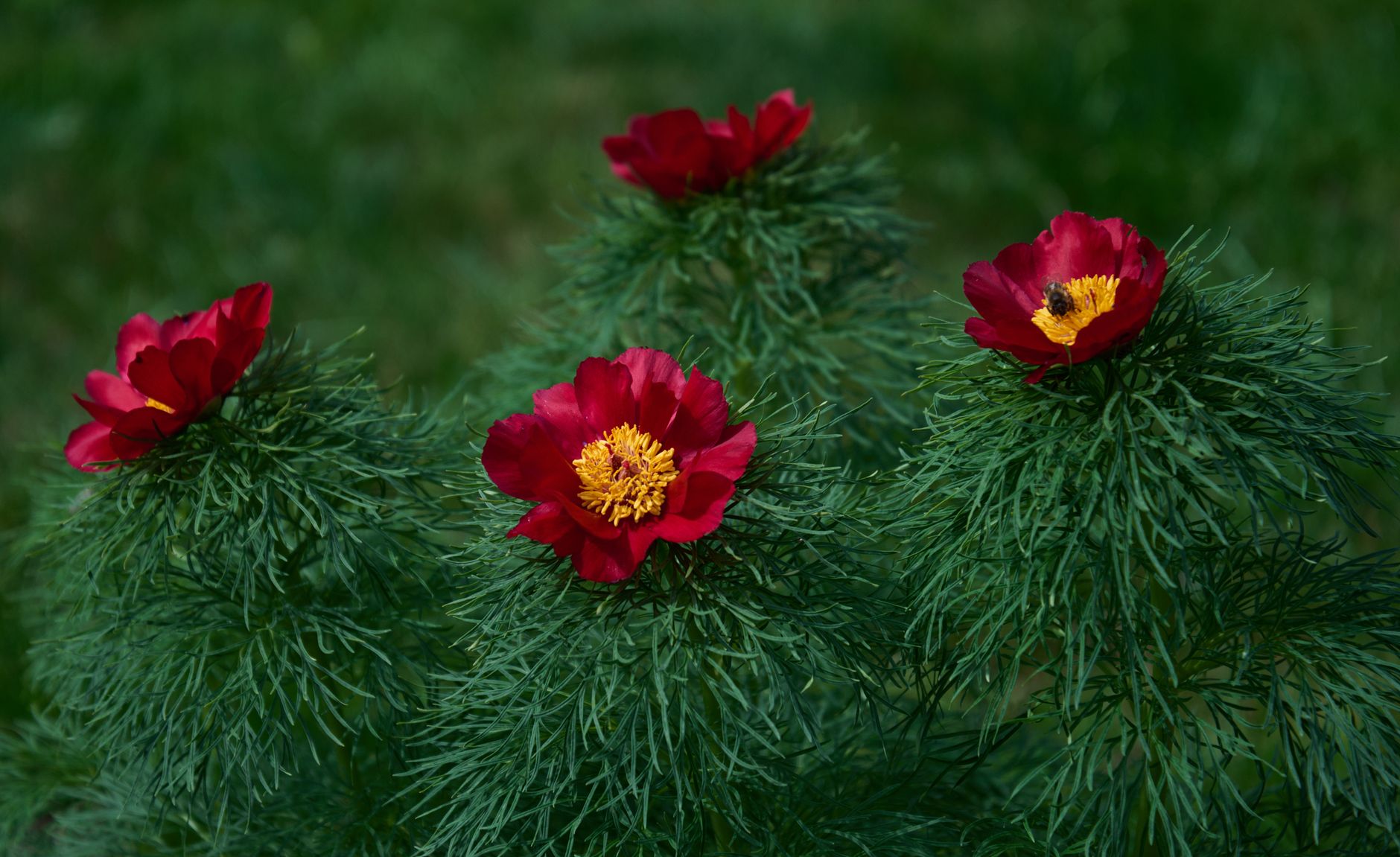
When to plant: Plant in fall (September-October) or early spring. Fall is best.
Planting depth: The most critical factor. Plant the eyes (buds) 1-2 inches below the soil surface. Planting too deep prevents blooming.
Spacing: Space plants 3-4 feet apart for good air circulation.
Planting: Dig a hole wide enough for the roots. Place the tuber with the eyes facing up. Backfill with soil and water thoroughly.
Water: Water well after planting and keep the soil moist until established.
Water and Mulch

Water: Water deeply once a week during dry spells. Peonies need about 1 inch of water per week.
Avoid overhead watering: Water at the base to prevent fungal diseases.
Mulch: Apply 2-3 inches of mulch (wood chips or straw) around the plants. Keep mulch away from the stems.
Why mulch: Mulch retains moisture, suppresses weeds, and moderates soil temperature.
Established plants: Once established, peonies are drought-tolerant.
Fertilize Peonies

When to fertilize: Apply fertilizer in early spring when new shoots appear and again after blooming.
What to use: Use a balanced fertilizer (10-10-10) or bone meal (high in phosphorus for blooms).
How much: Apply 1/4 to 1/2 cup per plant. Sprinkle around the base and water in.
Organic options: Compost, aged manure, or bone meal are excellent alternatives.
Don't over-fertilize: Too much nitrogen promotes leaves at the expense of flowers.
Provide Support for Heavy Blooms
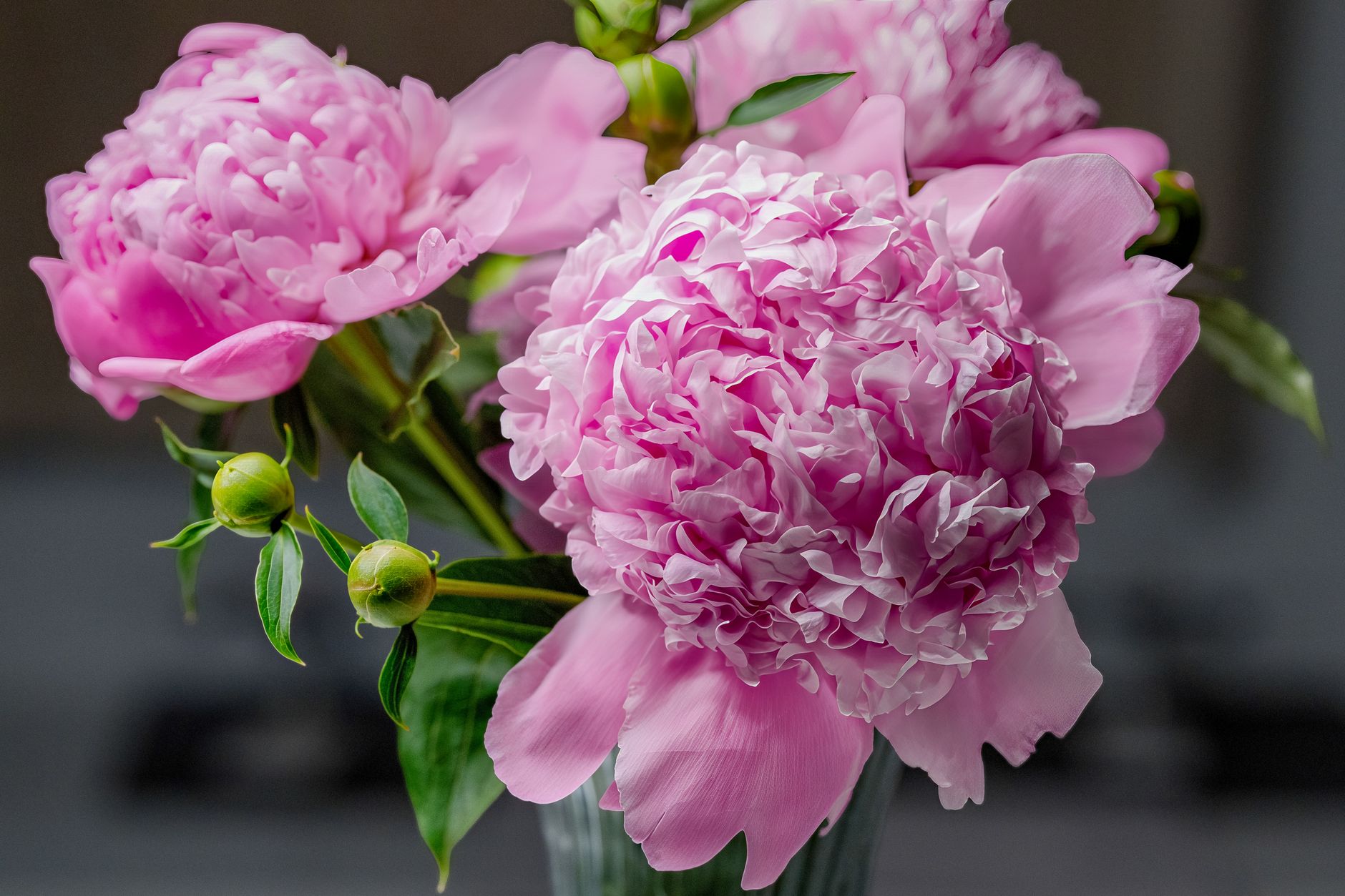
Why support: Peony flowers are large and heavy. Without support, they flop over, especially after rain.
What to use: Peony rings (metal support cages), stakes, or tomato cages.
When to install: Install support in early spring when shoots are 6-8 inches tall.
How to use: Place the ring over the plant and let the stems grow through it.
Alternative: Use individual stakes tied with soft twine.
Prune and Deadhead

Deadhead: Remove spent flowers to encourage more blooms and prevent seed production.
Cutting back: For herbaceous peonies, cut back the foliage to the ground in fall after it dies back.
Tree peonies: Prune tree peonies in early spring (remove dead or damaged wood).
Leave some foliage: Let the foliage die back naturally—it feeds the roots.
Clean up: Remove all debris in fall to prevent disease.
Divide and Transplant

When to divide: Divide every 5-10 years in fall (September-October).
How to divide: Dig up the plant, divide the roots into sections with 3-5 eyes each.
Replant: Replant immediately at the same depth (eyes 1-2 inches below soil).
Why divide: Dividing rejuvenates the plant and encourages more blooms.
Patience: It may take 2-3 years for divided peonies to bloom again.
Common problems and fixes
| Problem | Likely cause | What to do |
|---|---|---|
| Peonies not blooming | Planted too deep, too much shade, or not enough phosphorus. | Check planting depth, sun exposure, and apply bone meal. |
| Buds turning brown and not opening | Botrytis blight (fungal disease). | Improve air circulation, remove affected buds, and apply fungicide. |
| Leaves with brown spots | Fungal disease (leaf blotch). | Remove affected leaves and improve air circulation. |
| Ants on peony buds | Ants are attracted to the sweet nectar on buds—they don't harm the plant. | No treatment needed—ants are harmless. |
Gardener's checklist
Test what you learned
What is the most critical factor for peony planting?
Answer: Planting depth
How deep should peony eyes be planted?
Answer: 1-2 inches below soil
When do peonies bloom?
Answer: Spring to early summer
How long can peonies live?
Answer: 50+ years
What type of peony dies back in winter?
Answer: Herbaceous peony
Common questions
Do peonies need full sun?
Yes, peonies need 6-8 hours of full sun daily for the best blooms. In hot climates, some afternoon shade is beneficial.
How long do peonies take to bloom after planting?
Peonies can take 2-3 years to bloom after planting. Established plants bloom reliably every spring.
Do ants hurt peonies?
No, ants are attracted to the sweet nectar on peony buds and do not harm the plant. They're harmless.
Can I grow peonies in containers?
Yes, but choose a large container (15-20 gallons) and use well-draining potting mix. Water regularly and protect from winter cold.
When should I cut back peonies?
For herbaceous peonies, cut back the foliage to the ground in fall after it dies back. Tree peonies are pruned in early spring.
Peonies are beloved for their large, fragrant flowers and incredible longevity—they can live 50+ years with proper care. Plant them in fall, in full sun with well-draining soil. The most critical factor is planting depth: eyes should be 1-2 inches below the soil surface. Provide support for heavy blooms, water deeply once a week, and fertilize in spring. With the right care, your peonies will reward you with stunning blooms for decades.
Frequently asked questions
How often should a vegetable garden be watered?
Frequency depends on weather, soil and plant size. Check the soil rather than watering on a rigid schedule.
Is compost enough fertilizer?
Compost improves soil and provides nutrients slowly. Heavy-feeding crops may still need additional feeding.

The Sproutstead Editorial Team
We create clear, practical gardening and homesteading guides designed for real homes and beginner growers.
View author profile →

