
Sunflowers are easy-to-grow annuals that produce cheerful, giant blooms in summer and fall. Plant seeds directly in the garden in spring after the last frost, in full sun (6-8 hours) with well-draining soil. Plant seeds 1-2 inches deep and 6-24 inches apart (depending on variety). Water deeply once a week, fertilize lightly, and stake giant varieties for support. Sunflowers are drought-tolerant and attract pollinators and birds. They bloom 70-100 days after planting and are excellent for cut flowers, birdseed, and kids' gardens. Choose from giant sunflowers (10-15 feet tall), medium (4-6 feet), or dwarf (1-3 feet) varieties.
What you will need
Choose the Right Sunflower Variety
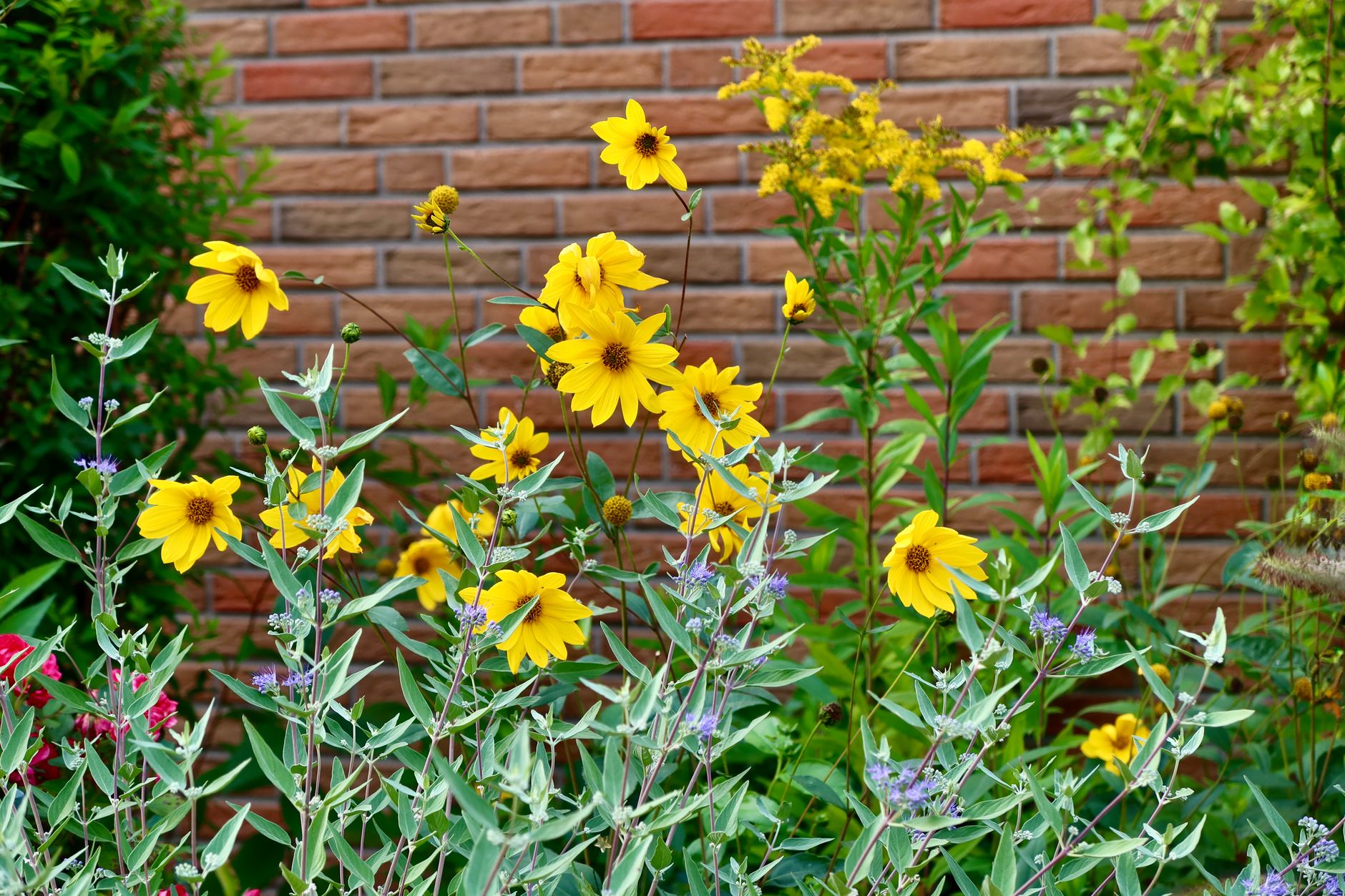
Giant Sunflowers (10-15 feet): Mammoth Russian, American Giant, Kong. Produces enormous single blooms. Excellent for height and seeds.
Medium Sunflowers (4-6 feet): Lemon Queen, Velvet Queen, Autumn Beauty. Branching, producing multiple blooms. Great for cut flowers.
Dwarf Sunflowers (1-3 feet): Teddy Bear, Dwarf Sunspot, Suntastic. Compact, good for containers and small spaces. Produces cute, fluffy blooms.
Branching Sunflowers: Produce multiple blooms per plant. Great for bouquets. Varieties: Lemon Queen, Autumn Beauty, Italian White.
Pollen-Free Sunflowers: ProCut, Sunrich. Ideal for cut flowers—no pollen to drop on tables.
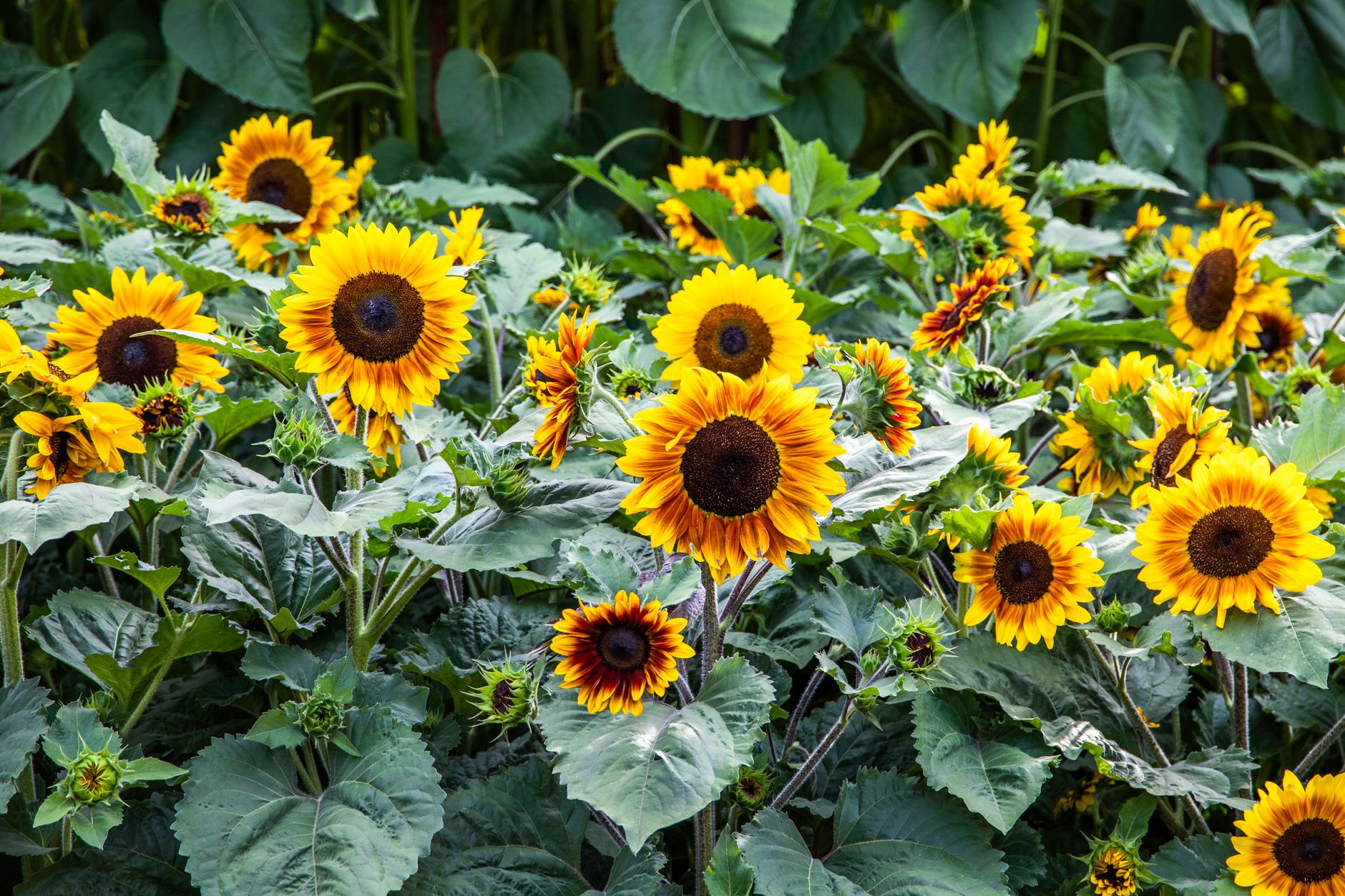
Colored Sunflowers: Red, orange, or burgundy varieties like Moulin Rouge, Chianti, and Claret.
Select the Best Planting Site
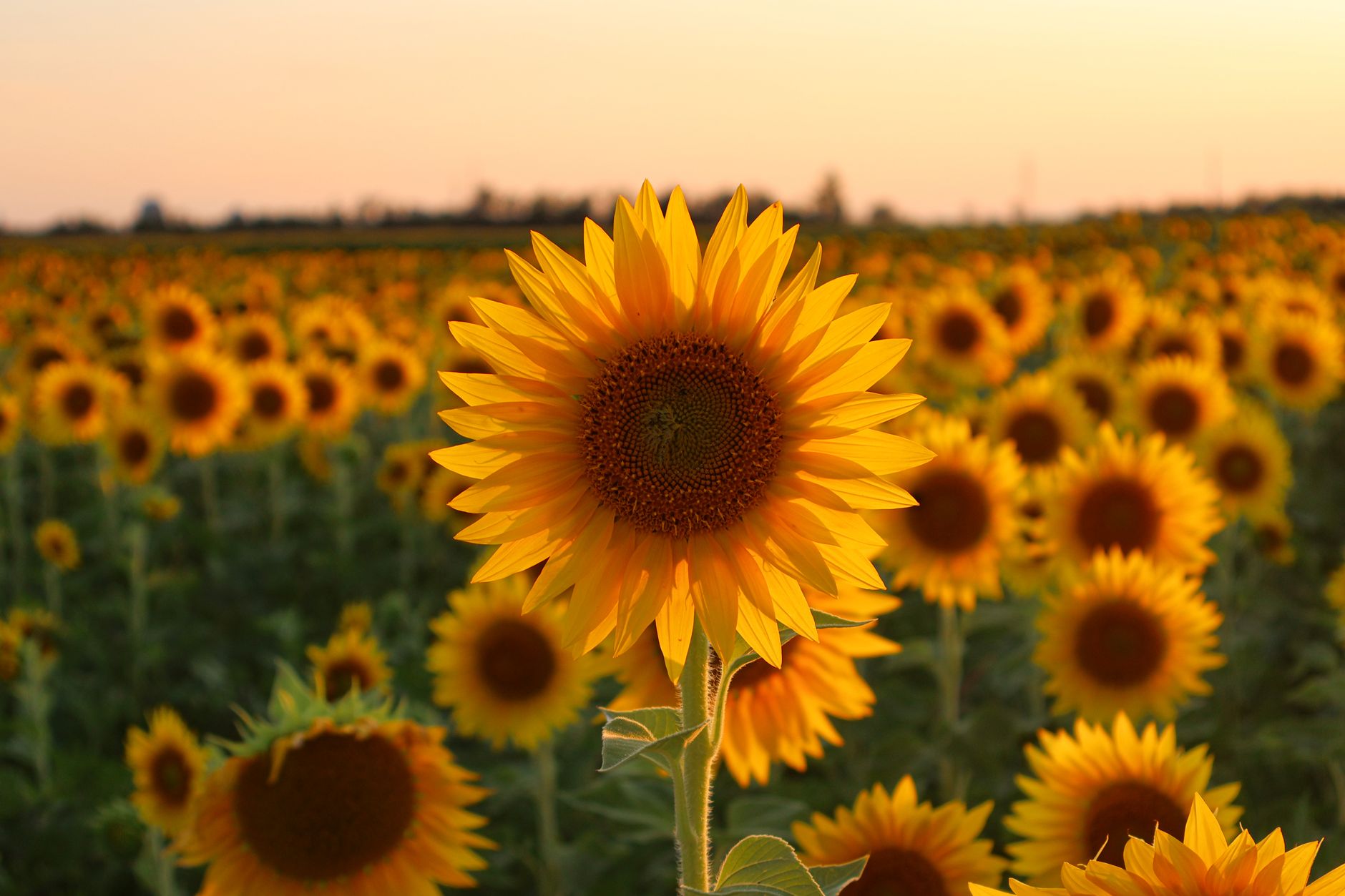
Sunlight: Sunflowers need 6-8 hours of direct sunlight daily. More sun = bigger blooms.
Soil: Well-draining, fertile soil with a pH of 6.0-7.5. Add compost to improve soil fertility.
Drainage: Good drainage is important—sunflowers don't like wet feet.
Wind protection: Tall varieties need protection from strong winds. Plant near a fence or stake them.
Space: Sunflowers have deep roots and don't like to be transplanted. Direct sow in the garden.
Plant Sunflower Seeds
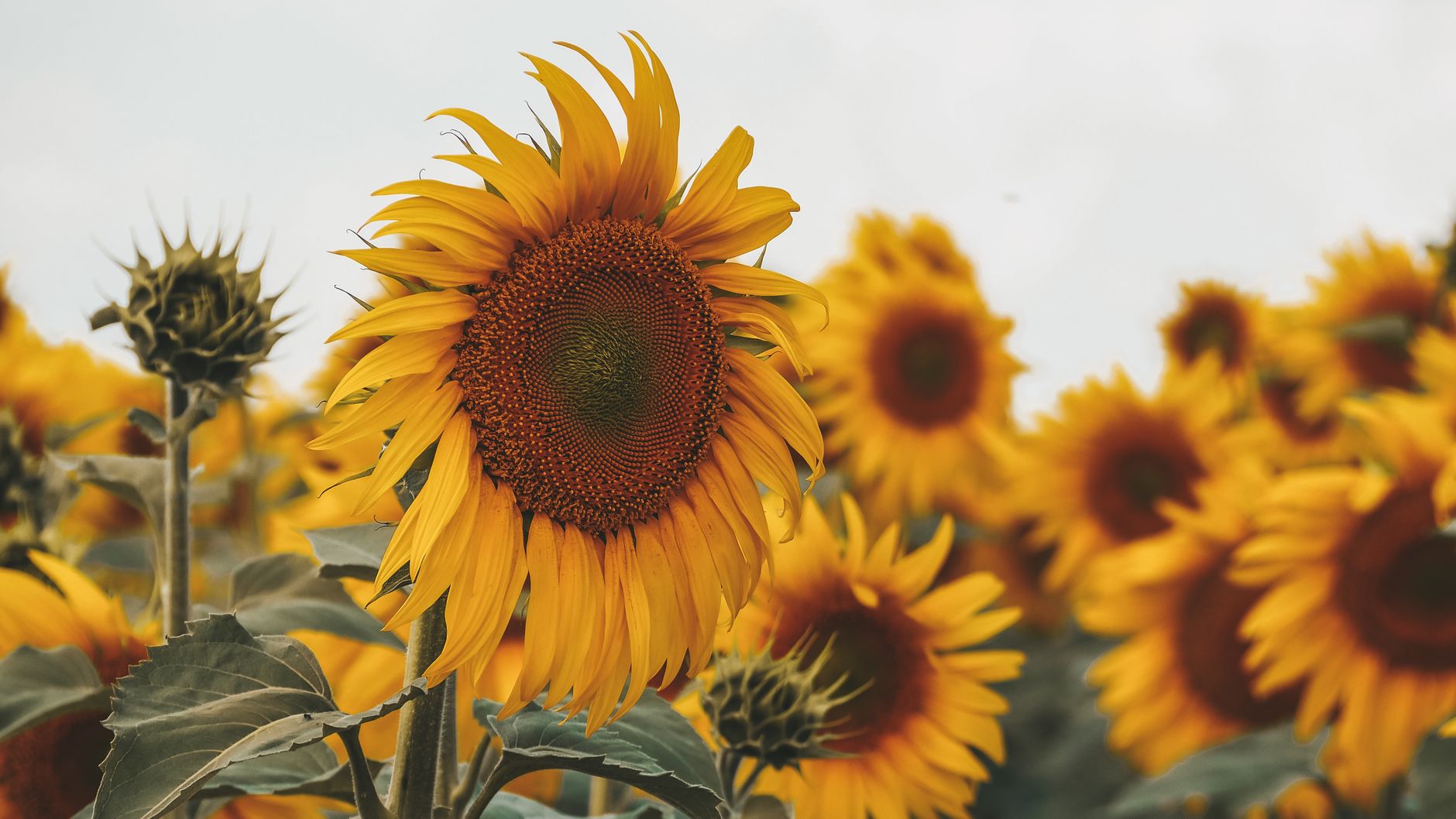
When to plant: Plant in spring after the last frost when the soil has warmed to 50-60°F.
Planting depth: Plant seeds 1-2 inches deep.
Spacing: Giant varieties: 24-36 inches apart. Medium: 12-18 inches apart. Dwarf: 6-12 inches apart.
Direct sow: Sunflowers don't transplant well—direct sow in the garden.
Water: Water well after planting and keep the soil moist until germination.
Thinning: If multiple seeds germinate, thin to the strongest plant.
Water and Mulch
Water: Water deeply once a week (1 inch per week). Deep watering encourages deep roots.
Drought tolerance: Once established, sunflowers are somewhat drought-tolerant.
Mulch: Apply 2-3 inches of mulch (wood chips or straw) to retain moisture and suppress weeds.
Avoid: Avoid overwatering—sunflowers don't like wet feet.
Fertilize Sunflowers
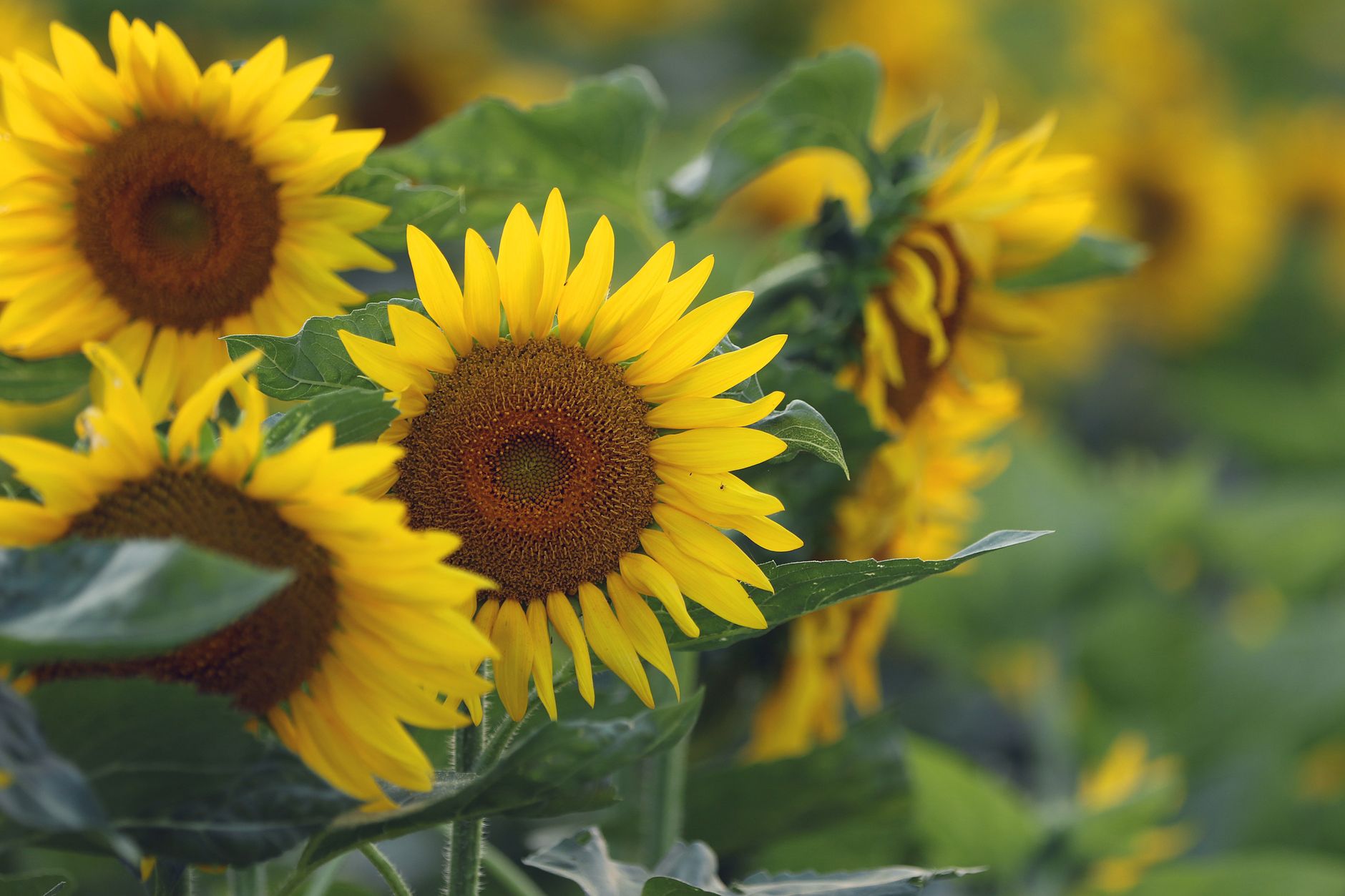
When to fertilize: Apply at planting and again when plants are 1-2 feet tall.
What to use: Use a balanced fertilizer (10-10-10). Sunflowers are not heavy feeders.
How much: Follow package instructions. Too much nitrogen can cause leggy growth.
Organic options: Compost, aged manure, or fish emulsion are excellent alternatives.
Stake Tall Varieties
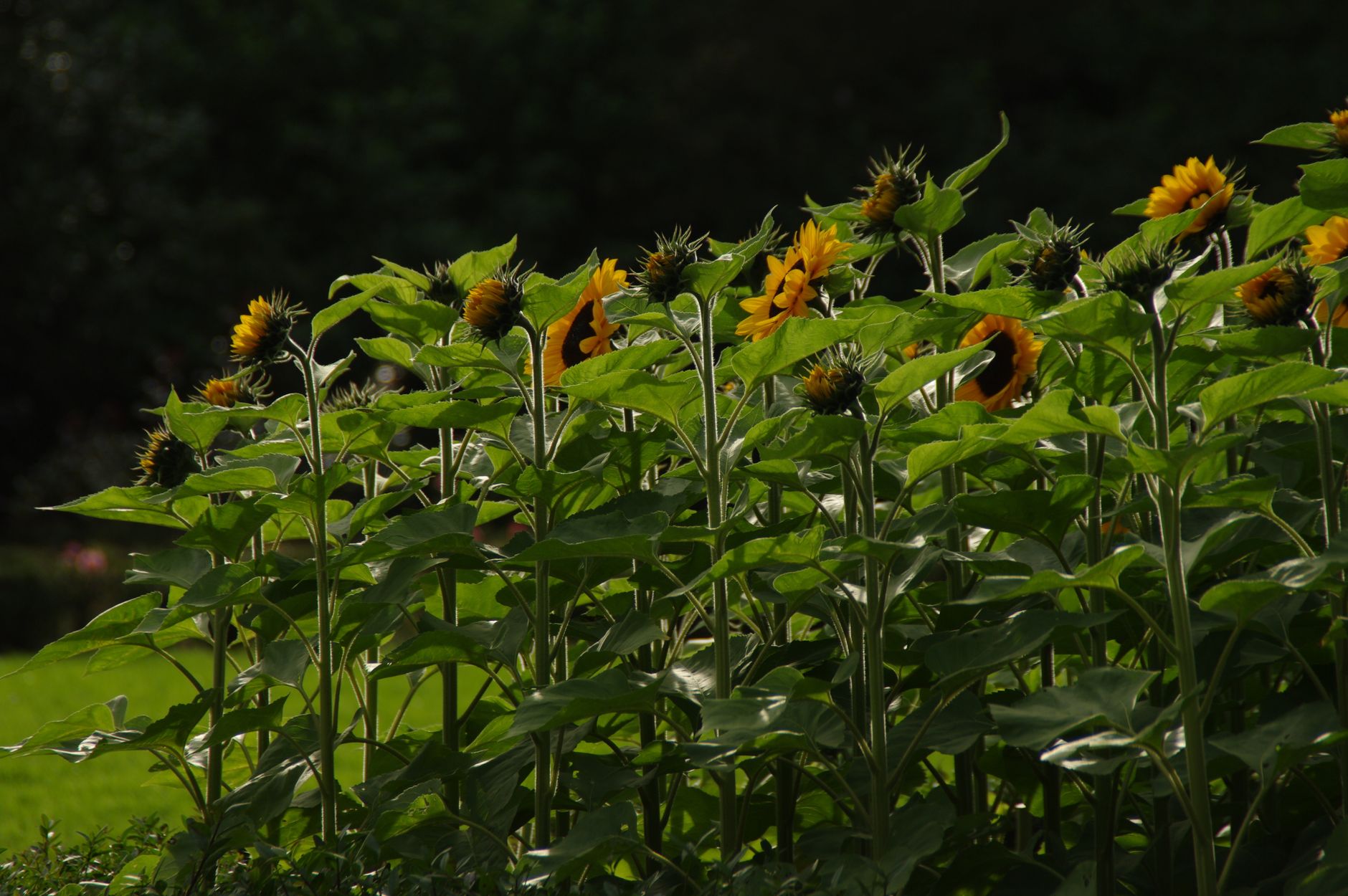
Why stake: Tall varieties (10-15 feet) can topple in wind or under the weight of heavy blooms.
When to stake: Install stakes when plants are young to avoid root damage.
What to use: Bamboo stakes, wooden posts, or a sturdy fence.
How to stake: Tie the stem loosely to the stake with soft twine.
Harvest Sunflowers
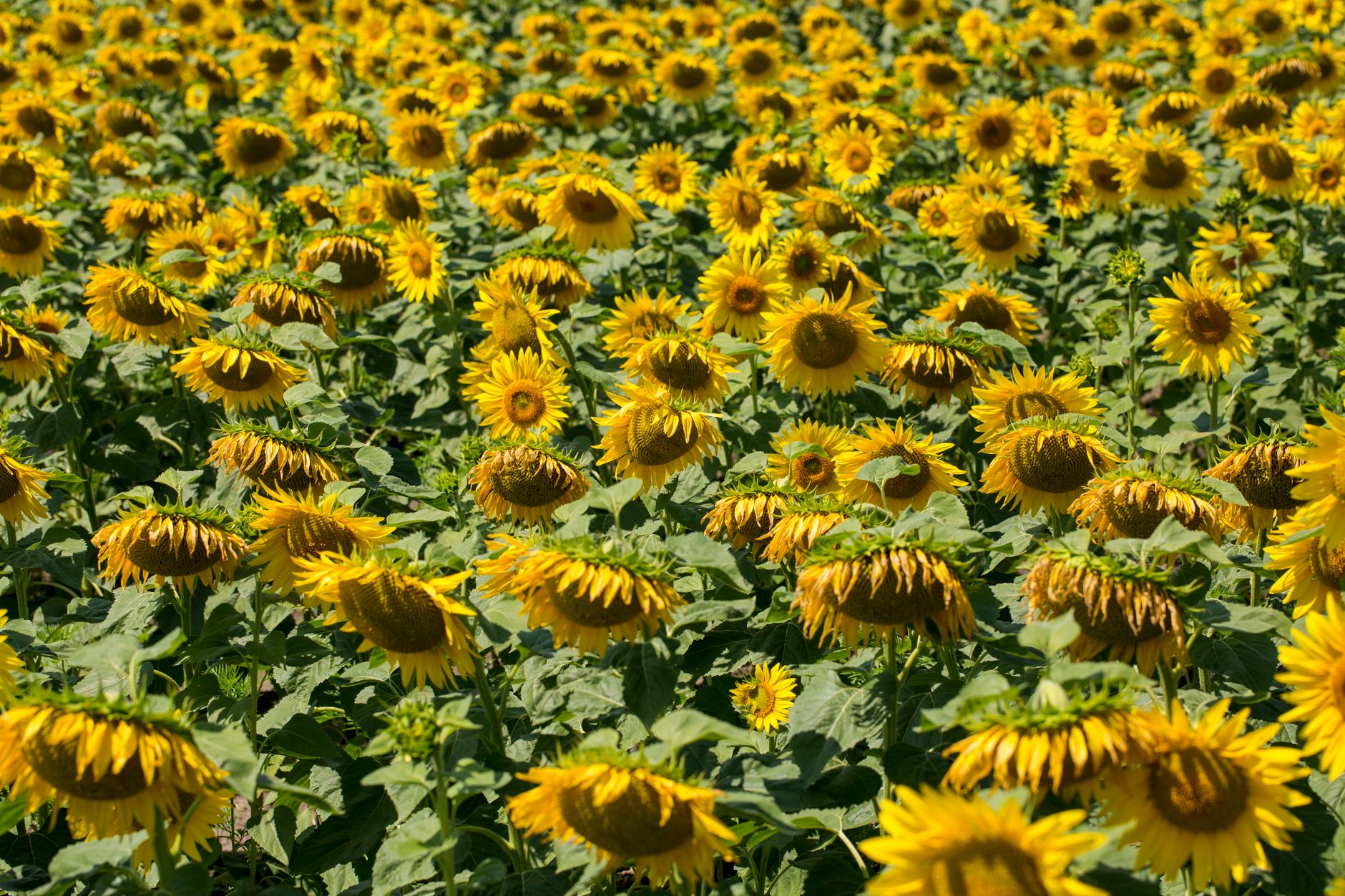
For cut flowers: Harvest when the petals are just beginning to open. Cut stems early in the morning.
Vase life: Sunflowers last 5-10 days in a vase with flower food.
For seeds: Harvest when the back of the flower head turns yellow and the seeds are plump.
How to harvest seeds: Cut the head, hang upside down in a dry place, and rub the seeds off.
Roasting: Roast seeds at 300°F for 10-15 minutes for a tasty snack.
Troubleshoot Common Issues
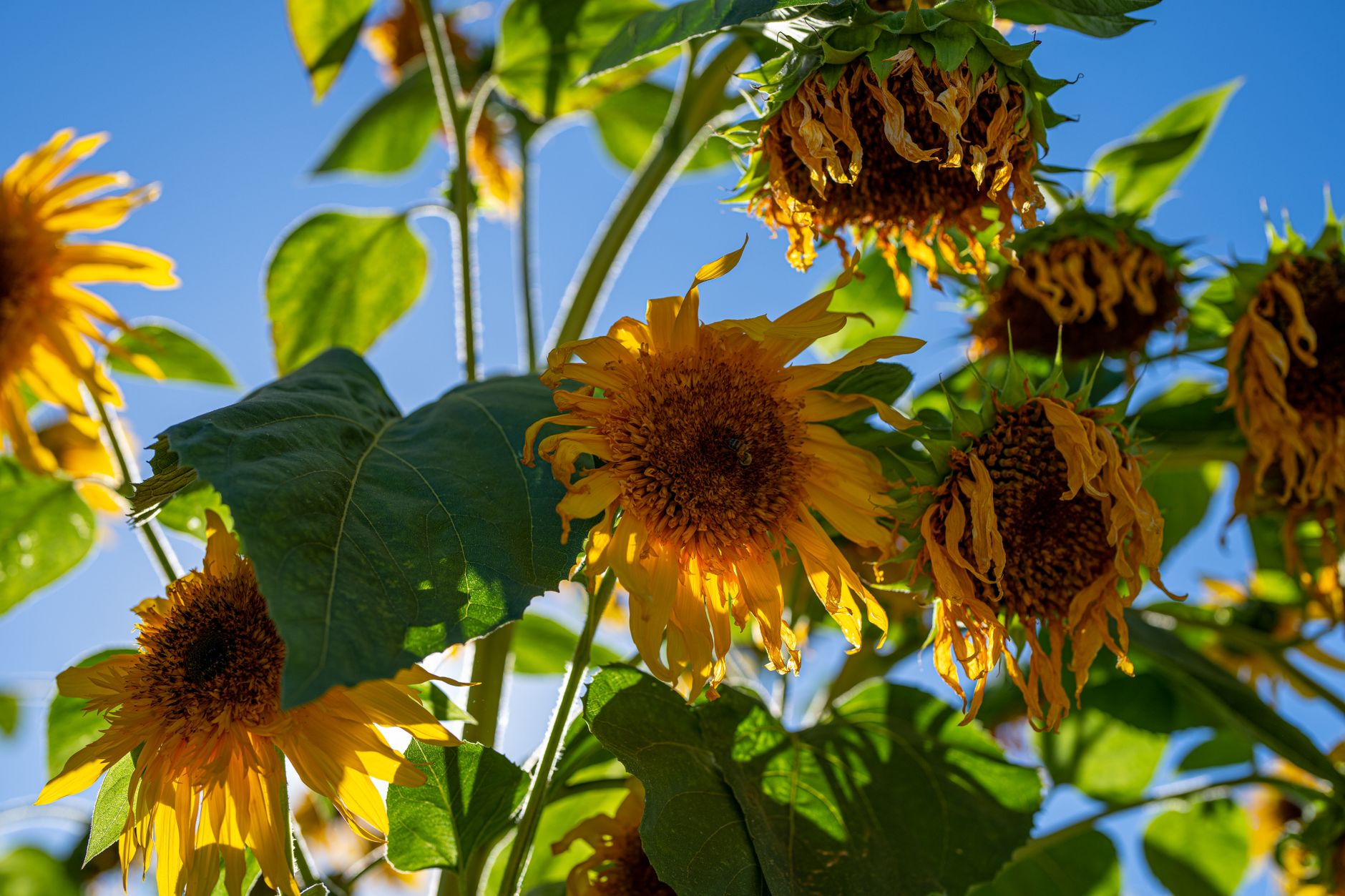
Birds eating seeds: Cover flower heads with paper bags or netting when seeds are ripening.
Powdery mildew: Poor air circulation—space plants properly.
Stem bending: Tall varieties need staking—install stakes early.
Sunflower moths: Remove affected heads and dispose of them.
Squirrels: Protect ripening heads with netting or paper bags.
Common problems and fixes
| Problem | Likely cause | What to do |
|---|---|---|
| Seeds not germinating | Soil too cold or planted too deep. | Wait for soil to warm to 50-60°F. Plant seeds 1-2 inches deep. |
| Plants toppling over | No staking or weak stems. | Stake tall varieties early. |
| Leaves yellowing | Nutrient deficiency or overwatering. | Apply balanced fertilizer and reduce watering. |
| Powdery mildew | Poor air circulation. | Space plants properly and prune lower leaves. |
| Birds eating seeds | Ripening seeds attracting birds. | Cover heads with netting or paper bags. |
Gardener's checklist
Test what you learned
When should you plant sunflower seeds?
Answer: Spring (after last frost)
How deep should sunflower seeds be planted?
Answer: 1-2 inches
What is the best time to harvest sunflowers for cut flowers?
Answer: When petals are just beginning to open
Which sunflower variety grows 10-15 feet tall?
Answer: Mammoth
How often should you water sunflowers?
Answer: Deeply once a week
Common questions
Do sunflowers come back every year?
Sunflowers are annuals—they grow from seed each year. However, they often self-seed, so new plants may appear the following year.
How long do sunflowers take to bloom?
Sunflowers bloom 70-100 days after planting, depending on the variety.
Can I grow sunflowers in containers?
Yes, choose dwarf varieties like Teddy Bear or Dwarf Sunspot and use a large container (10-15 gallons).
Do sunflowers attract pollinators?
Yes, sunflowers attract bees, butterflies, and birds. They're excellent for pollinator gardens.
How do I harvest sunflower seeds?
Harvest when the back of the flower head turns yellow. Cut the head, hang upside down in a dry place, and rub the seeds off.
Sunflowers are cheerful, easy-to-grow flowers that brighten any garden. Direct sow seeds in spring after the last frost, in full sun with well-draining soil. Water deeply once a week and stake tall varieties for support. Choose from giant sunflowers for height, medium for cut flowers, or dwarf for containers. Harvest cut flowers when petals are just opening, and seeds when the back of the head turns yellow. With their sunny disposition and easy care, sunflowers are a must-have for any garden.
Frequently asked questions
How often should a vegetable garden be watered?
Frequency depends on weather, soil and plant size. Check the soil rather than watering on a rigid schedule.
Is compost enough fertilizer?
Compost improves soil and provides nutrients slowly. Heavy-feeding crops may still need additional feeding.

The Sproutstead Editorial Team
We create clear, practical gardening and homesteading guides designed for real homes and beginner growers.
View author profile →

