Low maintenance landscaping is about working smarter, not harder. Start with good design: group plants by water and sun needs, use hardscaping (paths, patios, rocks) to reduce lawn and garden beds, and choose low-maintenance plants like drought-tolerant perennials, ornamental grasses, and evergreens. Use mulch (2-4 inches) to suppress weeds and retain moisture. Install drip irrigation or soaker hoses for efficient watering. Choose plants that don't need deadheading, staking, or frequent pruning. With the right design and plant choices, you can have a beautiful landscape that requires minimal time and effort.
What you will need
Design for Low Maintenance

Group plants by needs: Group plants with similar water and sun requirements together. This makes watering and care more efficient.
Reduce lawn area: Lawns require the most maintenance (mowing, watering, fertilizing). Replace lawn with hardscaping, ground covers, or plant beds.
Hardscaping: Use paths, patios, and rock features to reduce the area needing planting and maintenance.
Mulch: Use 2-4 inches of mulch in all plant beds to suppress weeds and retain moisture.
Simplify: Choose a few key plants and repeat them for a cohesive look rather than planting a wide variety.
Choose Low-Maintenance Plants

Drought-tolerant perennials: Lavender, coneflower, black-eyed Susan, yarrow, sedum, coreopsis, and Russian sage.
Ornamental grasses: Blue fescue, switchgrass, muhly grass, and little bluestem. They need little water and no pruning.
Evergreens: Juniper, boxwood, dwarf conifers, and holly. Provide year-round structure with minimal care.
Ground covers: Creeping thyme, sedum, vinca, and juniper. They suppress weeds and reduce lawn area.
Shrubs: Butterfly bush, lilac, potentilla, and spirea. They're hardy and need little pruning.
What to avoid: High-maintenance plants that need deadheading, staking, frequent pruning, or heavy fertilization.
Use Hardscaping to Reduce Maintenance

Patios and terraces: Create outdoor living spaces that require no maintenance.
Paths and walkways: Use stone, gravel, or pavers for paths. They eliminate the need for lawn or plants.
Rock features: Incorporate rocks, boulders, or gravel beds for visual interest with zero maintenance.
Raised beds: Use raised beds for easier access and better drainage.
Retaining walls: Use walls to create level areas and add visual interest.
Mulch for Weed Suppression

Why mulch: Mulch suppresses weeds, retains moisture, moderates soil temperature, and improves soil health.
How much: Apply 2-4 inches of mulch in all plant beds.
What to use: Wood chips, bark, gravel, or stone. Organic mulches improve soil; inorganic mulches are more permanent.
When: Apply in spring and refresh every 1-2 years.
Avoid: Keep mulch away from plant stems to prevent rot.
Install Efficient Irrigation
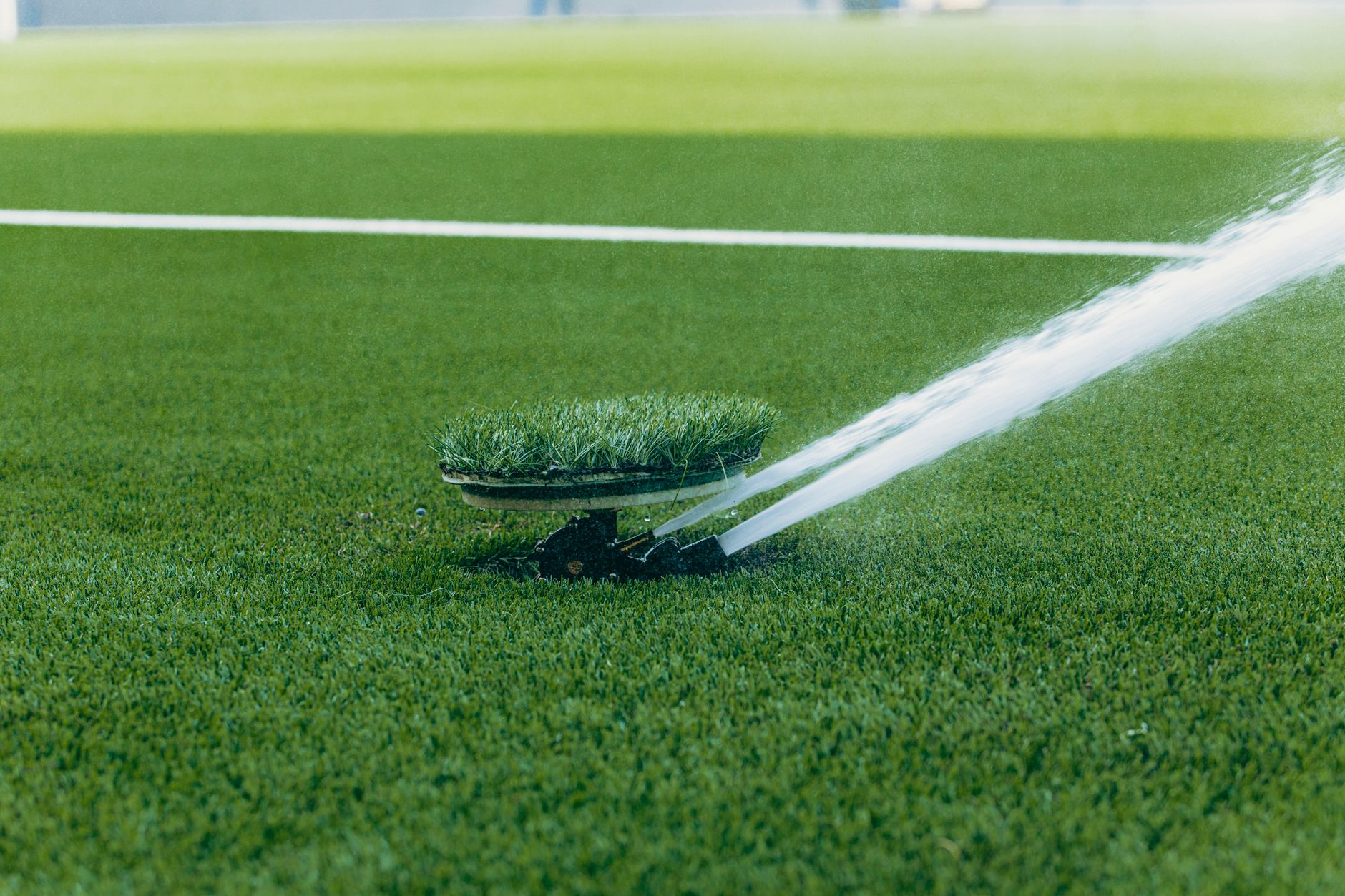
Drip irrigation: Delivers water directly to plant roots, reducing water waste and disease.
Soaker hoses: Easy to install and effective for watering beds.
Timers: Use automatic timers to water on a schedule—set it and forget it.
Water savings: Drip irrigation saves up to 50% water compared to overhead sprinklers.
Group plants: Group plants with similar water needs to avoid overwatering or underwatering.
Choose Ground Covers Over Lawn

Why ground covers: They suppress weeds, need less water, and don't require mowing.
Best ground covers: Creeping thyme (fragrant, drought-tolerant), sedum (succulent), vinca (shade-tolerant), and juniper (evergreen).
Lawn reduction: Replace lawn areas with ground covers or plant beds to reduce mowing time.
Slopes: Ground covers are excellent for slopes where mowing is difficult.
Choose Low-Maintenance Trees

Crabapple: Beautiful spring flowers, small fruit, moderate cleanup.
Japanese Maple: Slow-growing, beautiful foliage, minimal pruning.
Serviceberry: Spring flowers, edible berries, fall color.
Dogwood: Spring flowers, attractive fall color, moderate cleanup.
Redbud: Spring flowers, heart-shaped leaves, low maintenance.
Avoid: Trees with messy fruit, excessive leaf drop, or brittle branches.
Troubleshoot Low-Maintenance Landscaping Issues

Weeds: Use more mulch or landscape fabric. Hand-pull weeds before they seed.
Poor drainage: Improve with raised beds or French drains.
Plants outgrowing space: Prune or replace with smaller varieties.
Aesthetic issues: Refresh mulch, add hardscaping elements, or update plant choices.
Common problems and fixes
| Problem | Likely cause | What to do |
|---|---|---|
| Weeds taking over | Not enough mulch or not using landscape fabric. | Apply 2-4 inches of mulch and use landscape fabric in high-weed areas. |
| Plants looking stressed | Not enough water or poor drainage. | Install drip irrigation and improve drainage with raised beds. |
| Too much maintenance time | Too many high-maintenance plants or too much lawn. | Replace high-maintenance plants with low-maintenance options and reduce lawn area. |
| Aesthetic concerns | Poor design or planting choices. | Add hardscaping elements, group plants, and refresh mulch. |
Gardener's checklist
Test what you learned
What is one of the best investments in low-maintenance landscaping?
Answer: Mulch
How much mulch should you apply to suppress weeds?
Answer: 2-4 inches
What type of irrigation saves water and time?
Answer: Drip irrigation
What is a low-maintenance alternative to lawn?
Answer: All of the above
Which plant is low-maintenance?
Answer: Lavender
Common questions
What is the most important factor in low-maintenance landscaping?
Good design—grouping plants by needs, using hardscaping, and reducing lawn area is the foundation of low-maintenance landscaping.
How can I reduce lawn maintenance?
Replace lawn with ground covers, hardscaping, or plant beds. Mow high (3-4 inches) and water deeply but infrequently.
What are the best low-maintenance plants?
Drought-tolerant perennials (lavender, coneflower), ornamental grasses, and evergreens (juniper, boxwood) are excellent choices.
How do I keep weeds out of my garden?
Use 2-4 inches of mulch, landscape fabric, and hand-pull weeds before they go to seed.
Can I have a beautiful landscape with low maintenance?
Yes! With good design, the right plant choices, and efficient irrigation, you can have a stunning landscape that requires minimal time and effort.
Low maintenance landscaping is about working smarter, not harder. Start with good design: group plants by needs, use hardscaping, and reduce lawn area. Choose drought-tolerant perennials, ornamental grasses, and evergreens. Use 2-4 inches of mulch to suppress weeds, and install drip irrigation for efficient watering. With the right design and plant choices, you can have a beautiful landscape that requires minimal time and effort.
Frequently asked questions
How often should a vegetable garden be watered?
Frequency depends on weather, soil and plant size. Check the soil rather than watering on a rigid schedule.
Is compost enough fertilizer?
Compost improves soil and provides nutrients slowly. Heavy-feeding crops may still need additional feeding.

The Sproutstead Editorial Team
We create clear, practical gardening and homesteading guides designed for real homes and beginner growers.
View author profile →