
Snapdragons are cool-weather annuals that produce spikes of colorful, dragon-shaped flowers from spring to fall. Plant seeds or transplants in early spring, after the last frost, in full sun (6-8 hours) with well-draining soil. Plant seeds 1/8 inch deep (don't cover—they need light to germinate). Space plants 6-12 inches apart. Water deeply once a week, fertilize every 4-6 weeks, and deadhead spent flowers to encourage continuous blooming. Pinch young plants to encourage bushiness. Snapdragons are excellent for cut flowers and come in a wide range of colors—pink, red, orange, yellow, white, and purple. They attract pollinators and add vertical interest to any garden.
What you will need
Choose the Right Snapdragon Varieties

Tall Snapdragons (24-36 inches): Excellent for cut flowers and back of borders. Varieties: Rocket, Sonnet, Potomac. Good for cutting gardens.
Medium Snapdragons (12-24 inches): Ideal for garden beds and mass planting. Varieties: Snapshot, Liberty, Montego.
Dwarf Snapdragons (6-12 inches): Perfect for borders, edging, and containers. Varieties: Chantilly, Tahiti, Floral Showers.
Double Snapdragons: Fully double flowers resembling small roses. Varieties: Madame Butterfly, Double Azalea.
Colors: Available in pink, red, orange, yellow, white, purple, and bi-colors.
Which is best? Tall varieties for cut flowers, medium for garden beds, dwarf for containers and borders.
Select the Best Planting Site

Sunlight: Snapdragons need 6-8 hours of direct sunlight daily. More sun = more blooms.
Soil: Well-draining, fertile soil with a pH of 6.0-7.0. Add compost to improve soil fertility.
Drainage: Good drainage is important—snapdragons don't like wet feet.
Cool weather: Snapdragons prefer cool weather (55-65°F). In hot climates, afternoon shade is beneficial.
Protection: Plant in a spot protected from strong winds.
Plant Snapdragon Seeds

When to plant: Plant seeds in early spring after the last frost. In mild climates, plant in fall for winter/spring blooms.
Planting depth: Plant seeds 1/8 inch deep (surface sow). Don't cover—they need light to germinate.
Spacing: Dwarf: 6-8 inches apart. Medium: 10-12 inches apart. Tall: 12-14 inches apart.
Starting indoors: Start seeds indoors 6-8 weeks before the last frost for earlier blooms.
Water: Water gently after planting and keep the soil moist until germination (10-20 days).
Water and Mulch

Water: Water deeply once a week (1 inch per week).
Avoid overhead watering: Water at the base to prevent fungal diseases.
Mulch: Apply 2-3 inches of mulch (wood chips or straw) to retain moisture and suppress weeds.
Consistency: Snapdragons prefer consistently moist soil—don't let them dry out.
Pinch for Bushier Growth
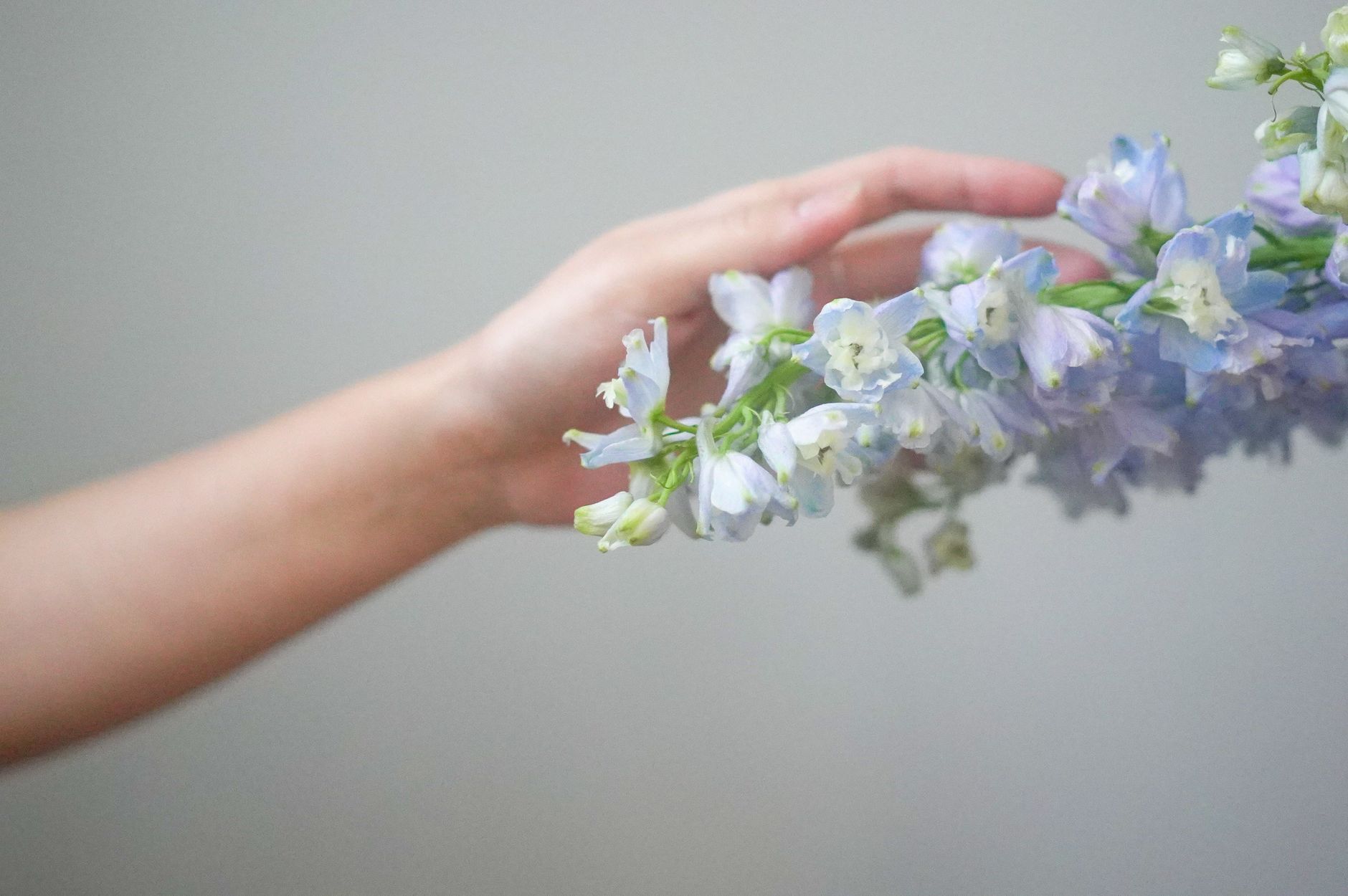
What is pinching: Removing the center growing tip to encourage side branching.
When to pinch: When plants are 4-6 inches tall.
How to pinch: Use your fingers or pruners to remove the top 1-2 inches of the main stem.
Benefits: Creates bushier, fuller plants with more flower spikes.
Result: More blooms and a more compact plant.
Fertilize Snapdragons

When to fertilize: Apply fertilizer every 4-6 weeks during the growing season.
What to use: Use a balanced fertilizer (10-10-10).
How much: Follow package instructions.
Organic options: Compost tea or fish emulsion are excellent alternatives.
Deadhead and Cut for Arrangements

Why deadhead: Removing spent flowers redirects energy into producing more flower spikes.
How to deadhead: Cut the spent flower spike back to the nearest leaf or side shoot.
Cut flowers: Snapdragons are excellent for cut flowers. Cut stems when the lower flowers are open.
Vase life: Snapdragons last 5-10 days in a vase with flower food.
Continuous blooms: Regular cutting encourages more blooms.
Troubleshoot Common Issues

Rust: A fungal disease causing orange spots. Improve air circulation and apply fungicide.
Aphids: Spray with insecticidal soap or neem oil.
Powdery mildew: Improve air circulation and avoid overhead watering.
Leggy growth: Not enough sun or overcrowding.
No blooms: Too much nitrogen or not enough sun.
Common problems and fixes
| Problem | Likely cause | What to do |
|---|---|---|
| Rust (orange spots on leaves) | Fungal disease. | Improve air circulation and apply fungicide. |
| Aphids | Pests attracted to stressed plants. | Spray with insecticidal soap or neem oil. |
| Leggy growth | Not enough sun or overcrowding. | Move to full sun and space plants properly. |
| No blooms | Too much nitrogen or not enough sun. | Use balanced fertilizer and ensure 6-8 hours of sun. |
Gardener's checklist
Test what you learned
How deep should snapdragon seeds be planted?
Answer: 1/8 inch (don't cover)
Why should you pinch snapdragons?
Answer: To encourage bushier growth and more blooms
What is a common fungal disease in snapdragons?
Answer: Rust
How often should you deadhead snapdragons?
Answer: Weekly
What is the best snapdragon variety for cut flowers?
Answer: Tall
Common questions
Are snapdragons perennials or annuals?
Snapdragons are short-lived perennials, but they're usually grown as annuals. In mild climates (zones 8-10), they may overwinter and bloom again.
How long do snapdragons bloom?
Snapdragons bloom from spring to fall (May-October) with regular deadheading. They may slow down in hot summer weather.
Can I grow snapdragons in containers?
Yes! Dwarf and medium varieties are excellent for containers. Use a 10-12 inch pot with well-draining soil.
Do snapdragons attract pollinators?
Yes! Snapdragons attract bees, butterflies, and hummingbirds.
How do I keep snapdragons blooming all summer?
Deadhead spent flowers weekly, fertilize every 4-6 weeks, and water consistently. In hot climates, provide afternoon shade.
Snapdragons are beloved for their unique flower shapes and vibrant colors. Plant seeds in early spring—they need light to germinate, so don't cover them. Pinch young plants at 4-6 inches for bushier growth and more blooms. Water at the base, deadhead spent flowers weekly, and fertilize every 4-6 weeks for continuous blooms. With their vertical flower spikes and wide range of colors, snapdragons are a must-have for any garden.
Frequently asked questions
How often should a vegetable garden be watered?
Frequency depends on weather, soil and plant size. Check the soil rather than watering on a rigid schedule.
Is compost enough fertilizer?
Compost improves soil and provides nutrients slowly. Heavy-feeding crops may still need additional feeding.

The Sproutstead Editorial Team
We create clear, practical gardening and homesteading guides designed for real homes and beginner growers.
View author profile →

