
Ranunculus are prized for their rose-like, multi-layered blooms in brilliant colors. Plant corms (bulbs) in fall in mild climates (zones 8-10) or in late winter/early spring in colder climates (zones 4-7). Soak corms in water for 4-6 hours before planting. Plant in full sun (6+ hours) with well-draining soil, 2-3 inches deep with the claws pointing down. Space 6-8 inches apart. Water regularly and fertilize every 2-3 weeks. Bloom in spring (April-June) for 4-6 weeks. Excellent for cut flowers—stems last 7-10 days in a vase. In colder climates, dig up and store corms after foliage dies back.
What you will need
Choose the Right Ranunculus Varieties
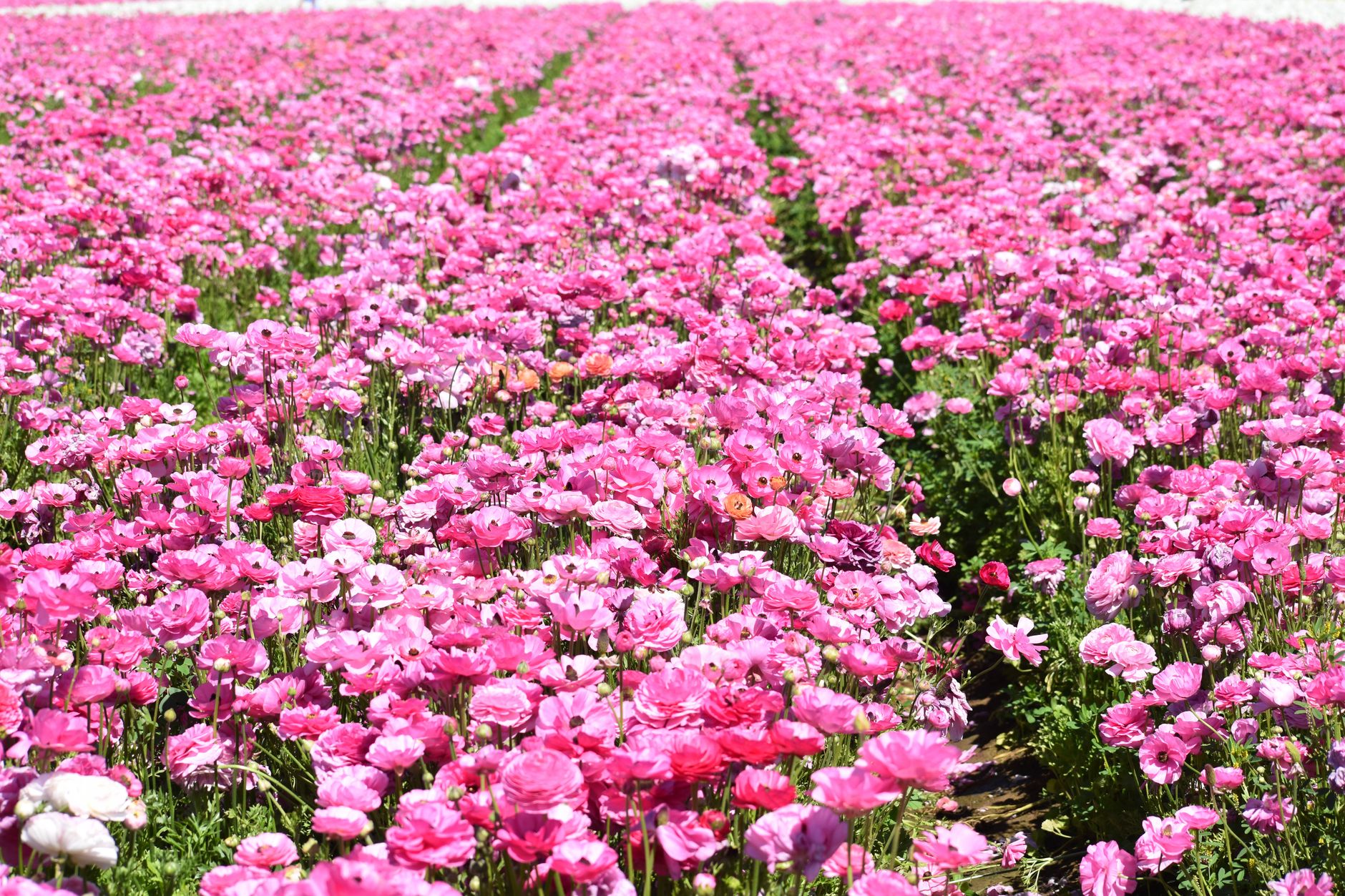
Tecolote: The most popular variety. Large, rose-like blooms (4-6 inches across). Excellent for cut flowers. Available in many colors.
Cloni: Unique, intensely colored blooms. Good for warm climates. Strong stems.
Bloomingdale: Compact plants (12-14 inches). Large blooms. Good for containers.
Amandine: Early-blooming variety. Large, double flowers. Good for cut flowers.
Colors: Available in white, pink, red, orange, yellow, peach, and purple.
Height: Most varieties grow 12-18 inches tall.
Select the Best Planting Site
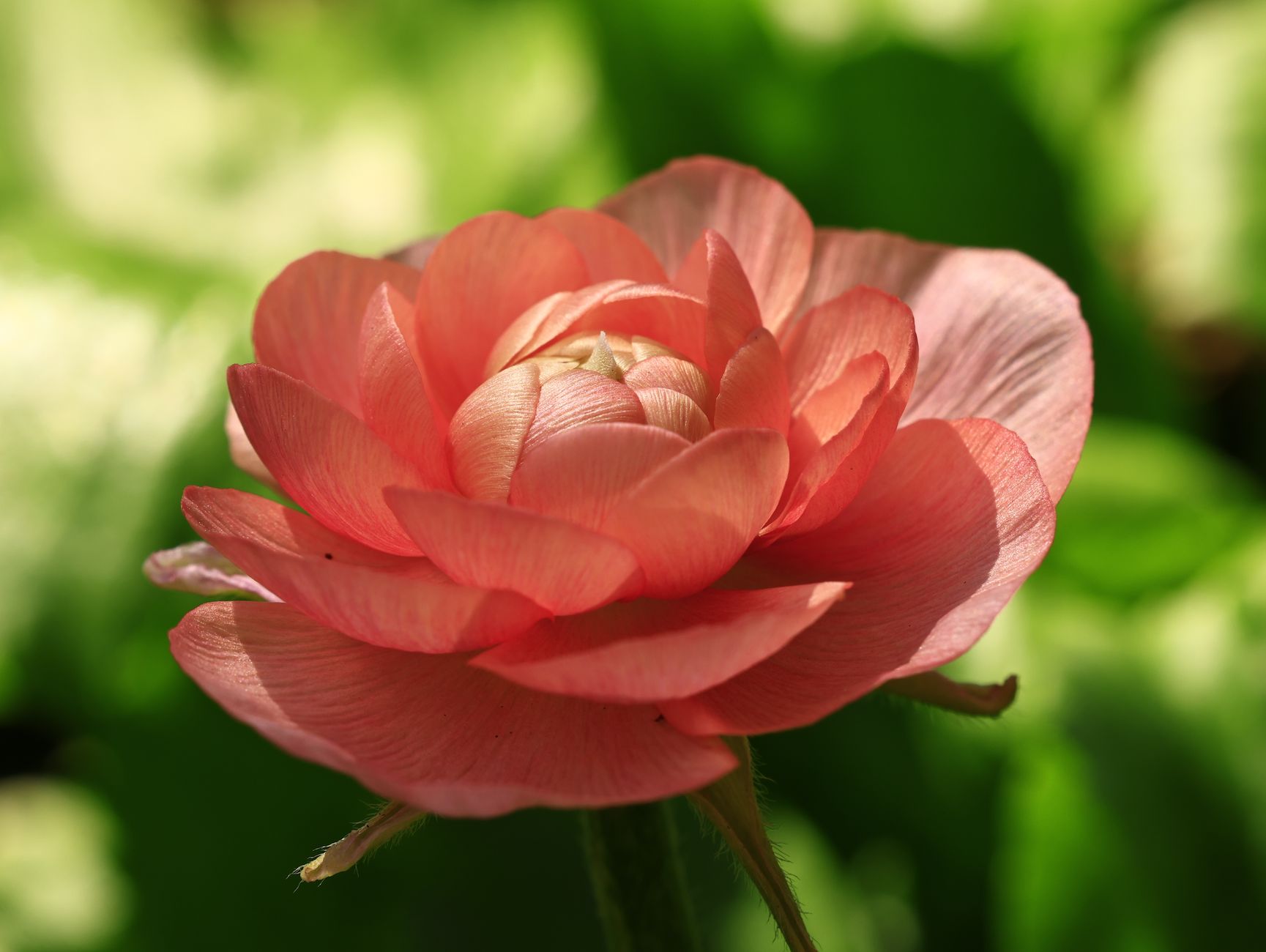
Sunlight: Ranunculus need 6+ hours of direct sunlight daily for the best blooms.
Soil: Well-draining, fertile soil with a pH of 6.0-7.0. Add compost to improve drainage.
Drainage: Good drainage is essential—corms rot in wet soil.
Protection: Plant in a spot protected from strong winds.
Containers: Ranunculus also grow well in containers (12-15 inch pots).
Soak Corms Before Planting
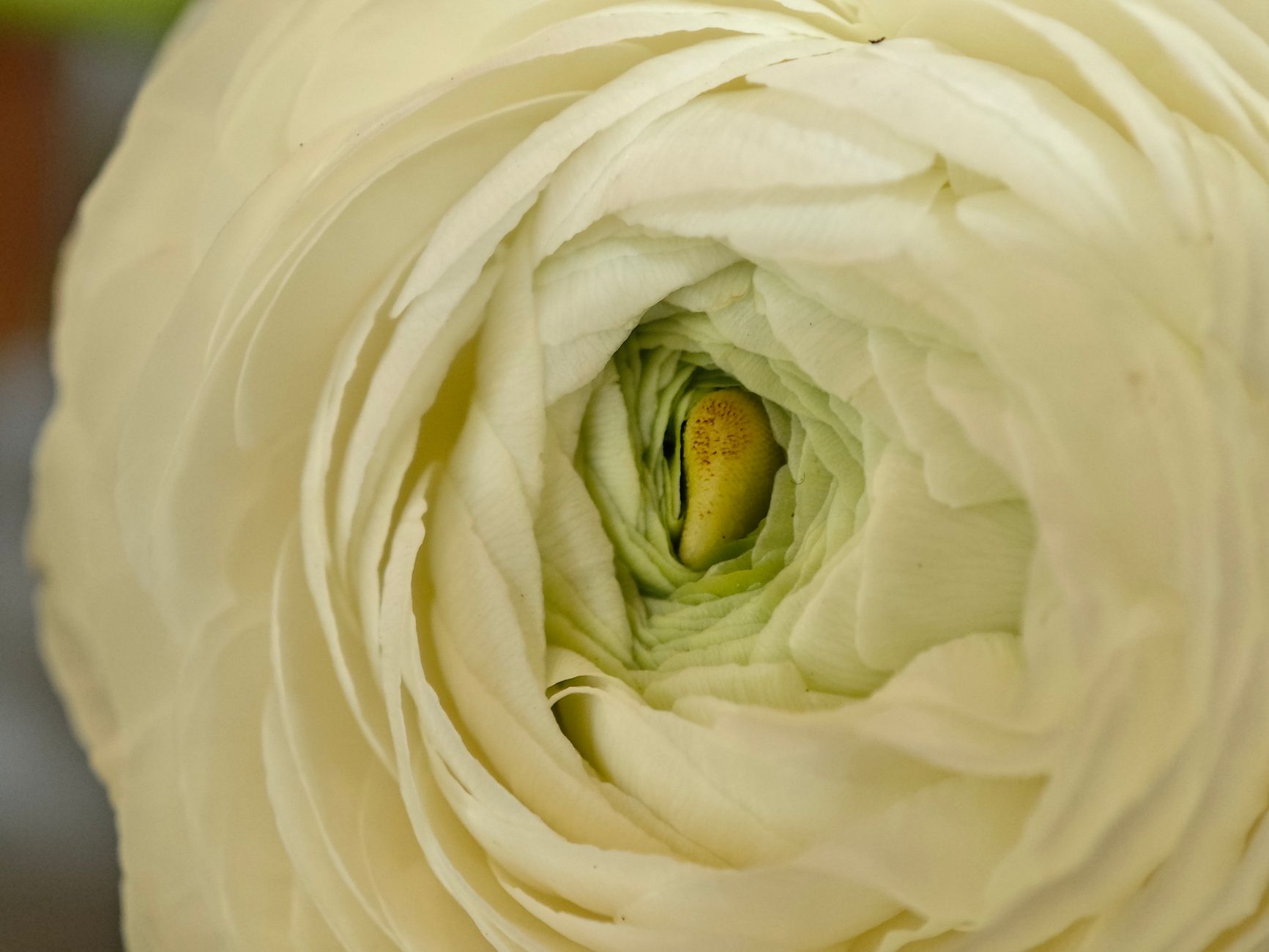
Why soak: Soaking rehydrates the corms and triggers growth.
How to soak: Place corms in water for 4-6 hours (or overnight).
After soaking: Plant immediately—don't let them dry out.
Signs of readiness: Corms will plump up and feel firm.
Important: Don't soak for more than 12 hours—they can rot.
Plant Ranunculus Corms Correctly
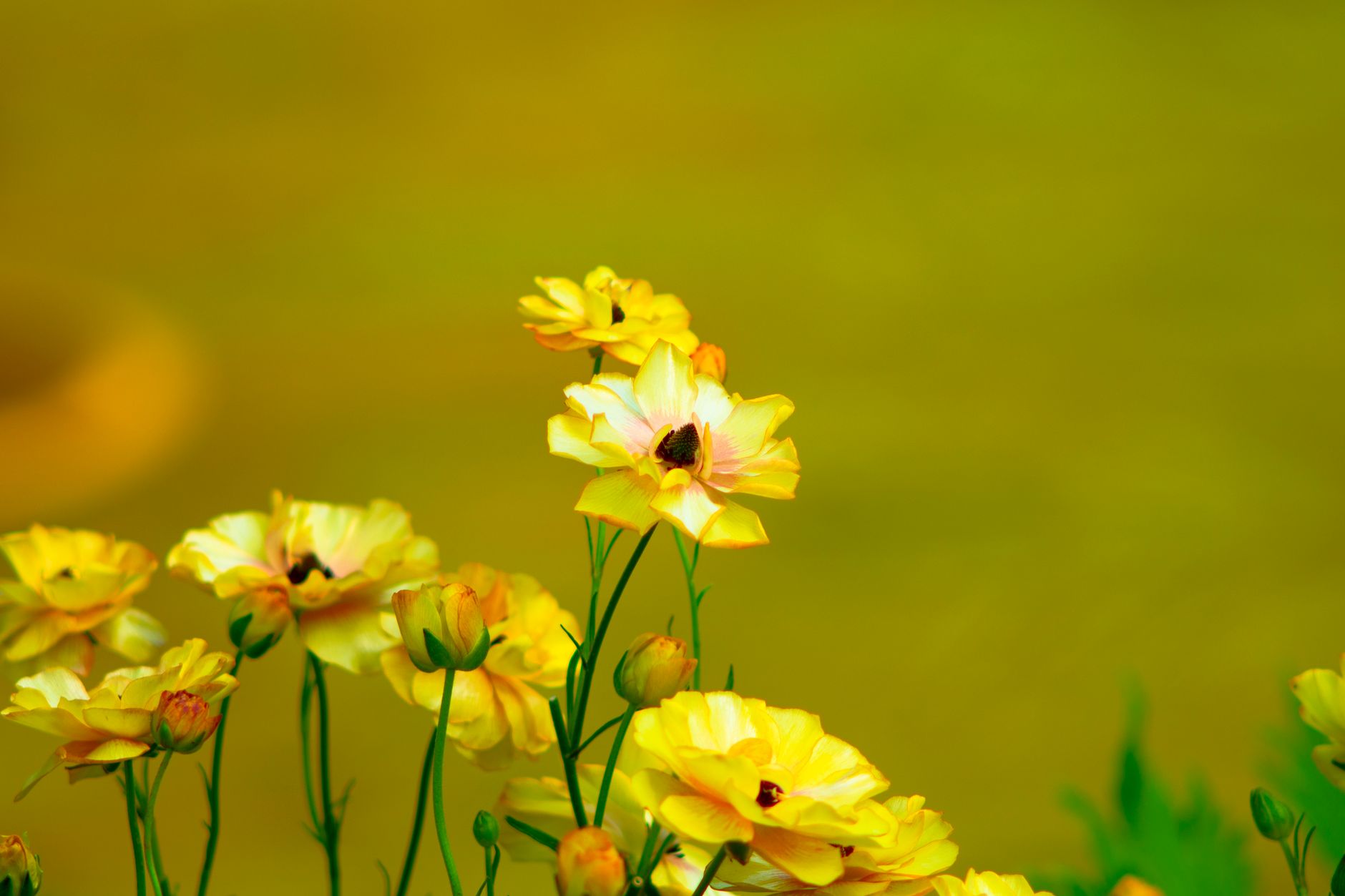
Planting time (mild climates): Plant in fall (September-November) for spring blooms.
Planting time (cold climates): Plant in late winter or early spring (February-March) after the soil can be worked.
Planting depth: Plant corms 2-3 inches deep.
Direction: Plant with the claws (roots) pointing down and the pointy side up.
Spacing: Space corms 6-8 inches apart.
Water: Water well after planting.
Water and Fertilize
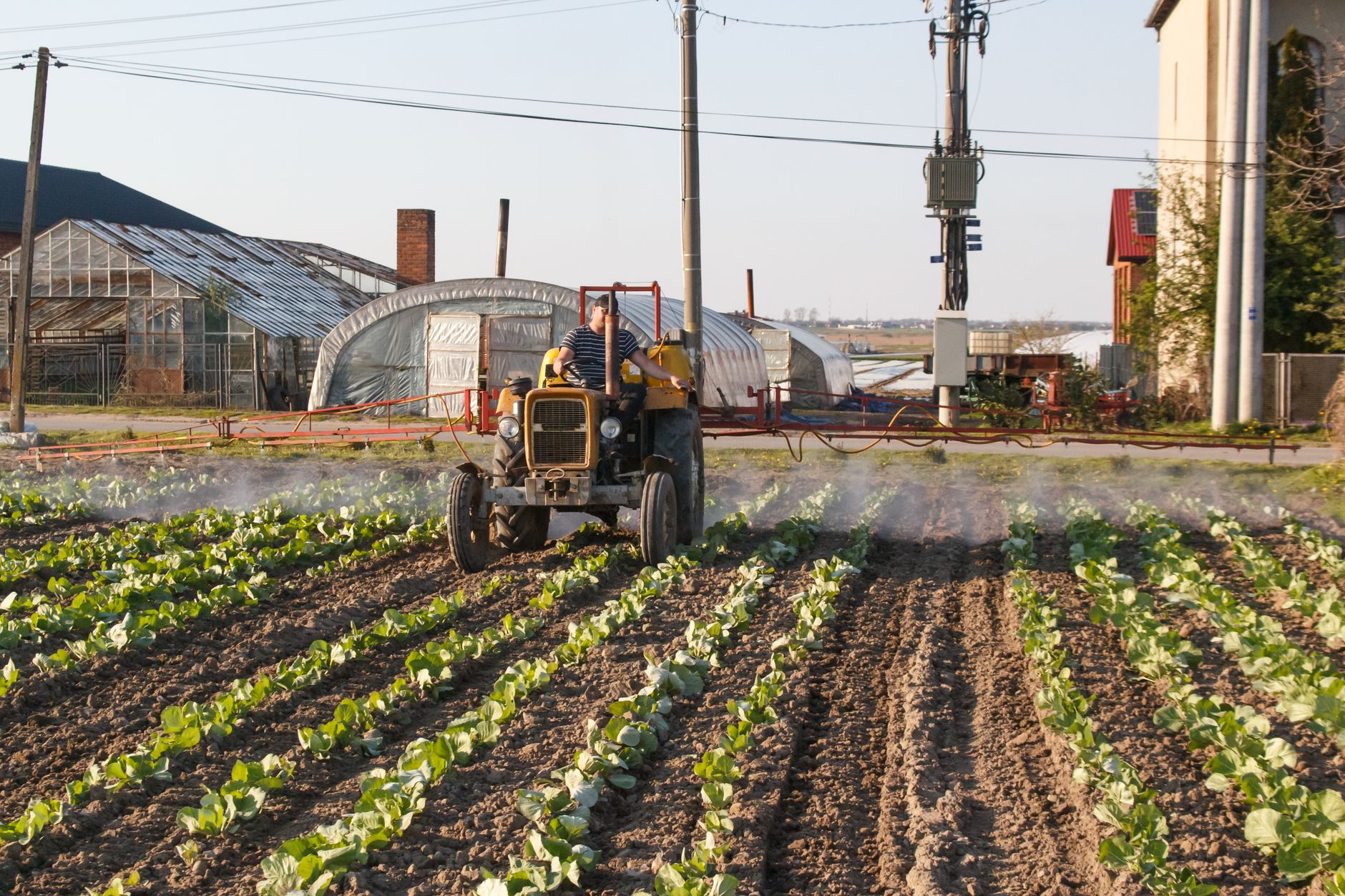
Water: Water regularly to keep the soil evenly moist—not waterlogged.
Fertilize: Apply a balanced fertilizer (10-10-10) every 2-3 weeks during the growing season.
Stop fertilizing: Stop fertilizing when flowers begin to open.
Organic options: Compost tea or fish emulsion are excellent alternatives.
Mulch and Support
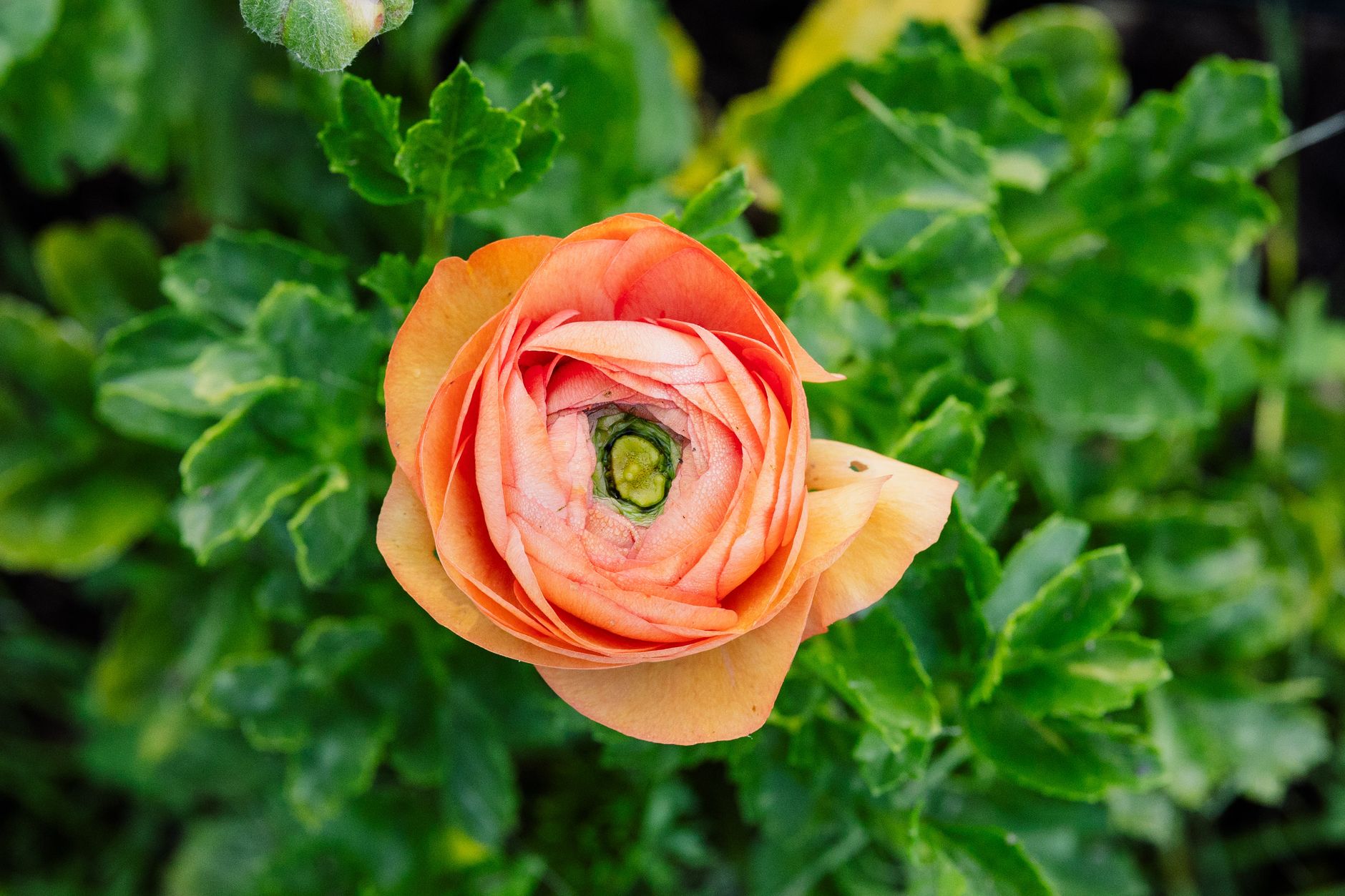
Mulch: In mild climates, apply 2-3 inches of mulch (straw or leaves) for winter protection.
Support: Tall varieties may need support—use small stakes or plant supports.
Deadheading: Remove spent flowers to encourage more blooms.
Harvest for Cut Flowers

When to harvest: Harvest when buds are colored but still closed (marshmallow stage).
How to cut: Cut stems in the morning when flowers are hydrated.
Vase life: Ranunculus last 7-10 days in a vase with flower food.
Storing: Store in a cool place away from direct sunlight.
Lift and Store Corms
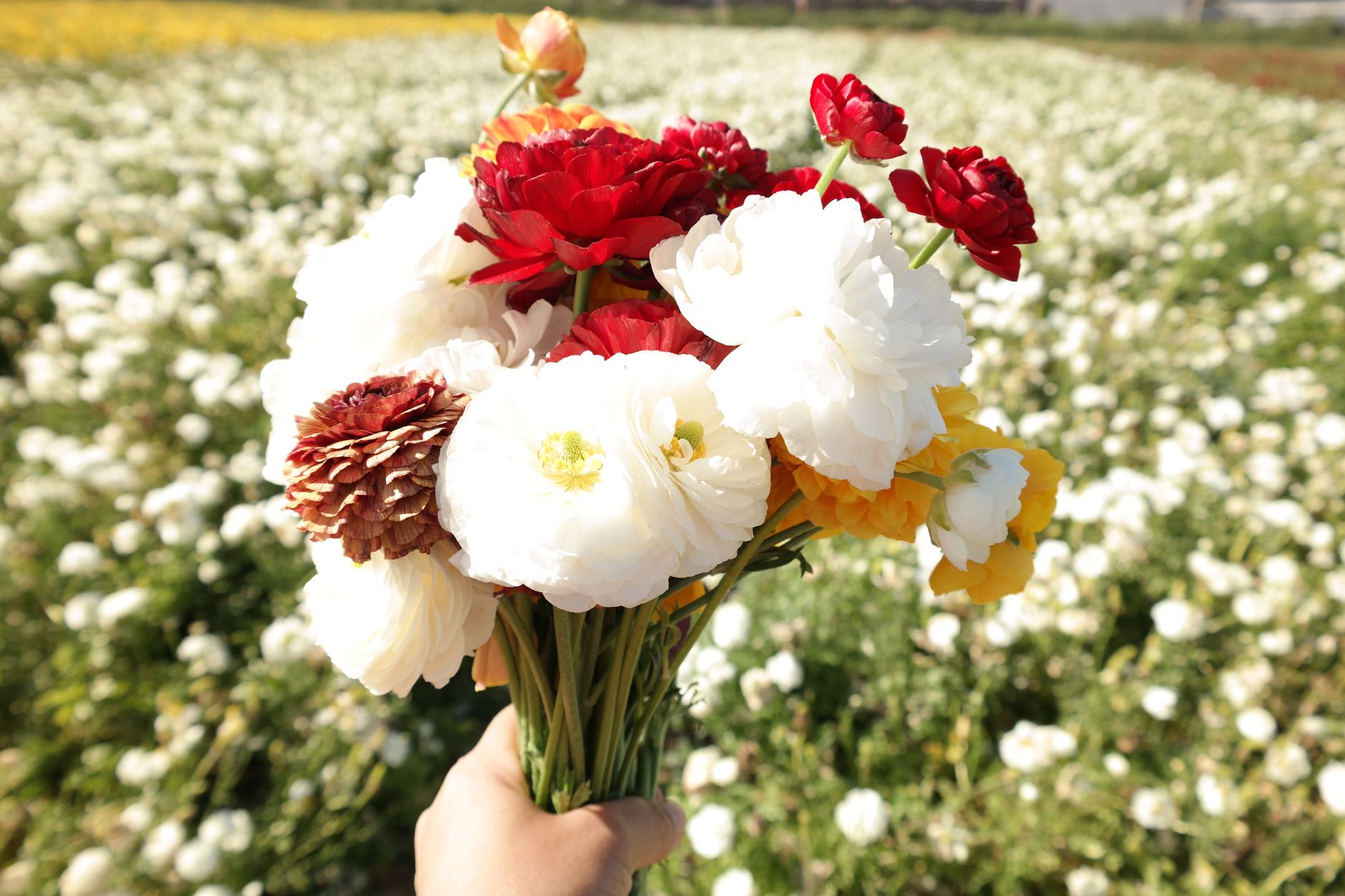
When to lift: After foliage dies back (6-8 weeks after blooming).
How to lift: Carefully dig up corms, remove soil, and let them dry.
Storage: Store in a cool, dry, dark place in a paper bag or box with peat moss.
Replant: Replant in fall (mild climates) or early spring (cold climates).
Common problems and fixes
| Problem | Likely cause | What to do |
|---|---|---|
| Corms not sprouting | Not soaked before planting or planted upside down. | Soak corms and plant with claws down. |
| Corms rotting | Poor drainage or overwatering. | Improve drainage and reduce watering. |
| No blooms | Planted too deep or not enough sun. | Plant 2-3 inches deep and ensure 6+ hours of sun. |
| Short stems | Not enough water or nutrients. | Water regularly and fertilize every 2-3 weeks. |
Gardener's checklist
Test what you learned
How long should you soak ranunculus corms before planting?
Answer: 4-6 hours
How should ranunculus corms be planted?
Answer: Claws down
How deep should ranunculus corms be planted?
Answer: 2-3 inches
What is the best time to plant ranunculus in mild climates?
Answer: Fall (September-November)
When should you harvest ranunculus for cut flowers?
Answer: When buds are colored but still closed
Common questions
Are ranunculus perennials?
Ranunculus are tender perennials. In mild climates (zones 8-10), they can overwinter in the ground. In colder climates (zones 4-7), they are grown as annuals or lifted and stored for winter.
How long do ranunculus bloom?
Ranunculus bloom for 4-6 weeks in spring (April-June), depending on the variety and weather conditions.
Can I grow ranunculus in containers?
Yes! Ranunculus grow well in containers (12-15 inch pots). Use well-draining potting mix and water regularly.
How do I store ranunculus corms for winter?
After foliage dies back, dig up corms, clean off soil, and store in a cool, dry place in a paper bag or box with peat moss.
How long do ranunculus last in a vase?
Ranunculus last 7-10 days in a vase with flower food. Change water every 2-3 days for the longest vase life.
Ranunculus are prized for their rose-like, multi-layered blooms in brilliant colors. Soak corms in water for 4-6 hours before planting. Plant in full sun with well-draining soil, 2-3 inches deep with the claws pointing down. Water regularly, fertilize every 2-3 weeks, and harvest cut flowers when buds are colored but still closed for the longest vase life. In colder climates, lift and store corms after foliage dies back. With proper care, ranunculus will reward you with stunning blooms in spring.
Frequently asked questions
How often should a vegetable garden be watered?
Frequency depends on weather, soil and plant size. Check the soil rather than watering on a rigid schedule.
Is compost enough fertilizer?
Compost improves soil and provides nutrients slowly. Heavy-feeding crops may still need additional feeding.

The Sproutstead Editorial Team
We create clear, practical gardening and homesteading guides designed for real homes and beginner growers.
View author profile →

