To make your grass greener, focus on the four key factors: mowing, watering, fertilizing, and soil health. Mow at the correct height (3-4 inches for most cool-season grasses), and never remove more than one-third of the blade length. Water deeply but infrequently (1 inch per week) to encourage deep root growth. Fertilize with a balanced fertilizer in spring and fall. Test your soil pH and add lime to correct acidity. Aerate compacted soil to improve oxygen and nutrient uptake. Overseed bare patches to thicken the lawn. With consistent care, your grass will become greener, healthier, and more vibrant.
What you will need
Mow at the Correct Height

Optimal height: Mow cool-season grasses (fescue, bluegrass, ryegrass) at 3-4 inches. Warm-season grasses (Bermuda, zoysia) at 1-2 inches.
The one-third rule: Never remove more than one-third of the grass blade in a single mowing.
Sharp blades: Keep mower blades sharp—dull blades tear grass, causing brown tips and disease.
Mowing frequency: Mow regularly during the growing season (once a week or more).
Leave clippings: Grass clippings return nutrients to the soil—leave them on the lawn (mulching).
Water Deeply but Infrequently
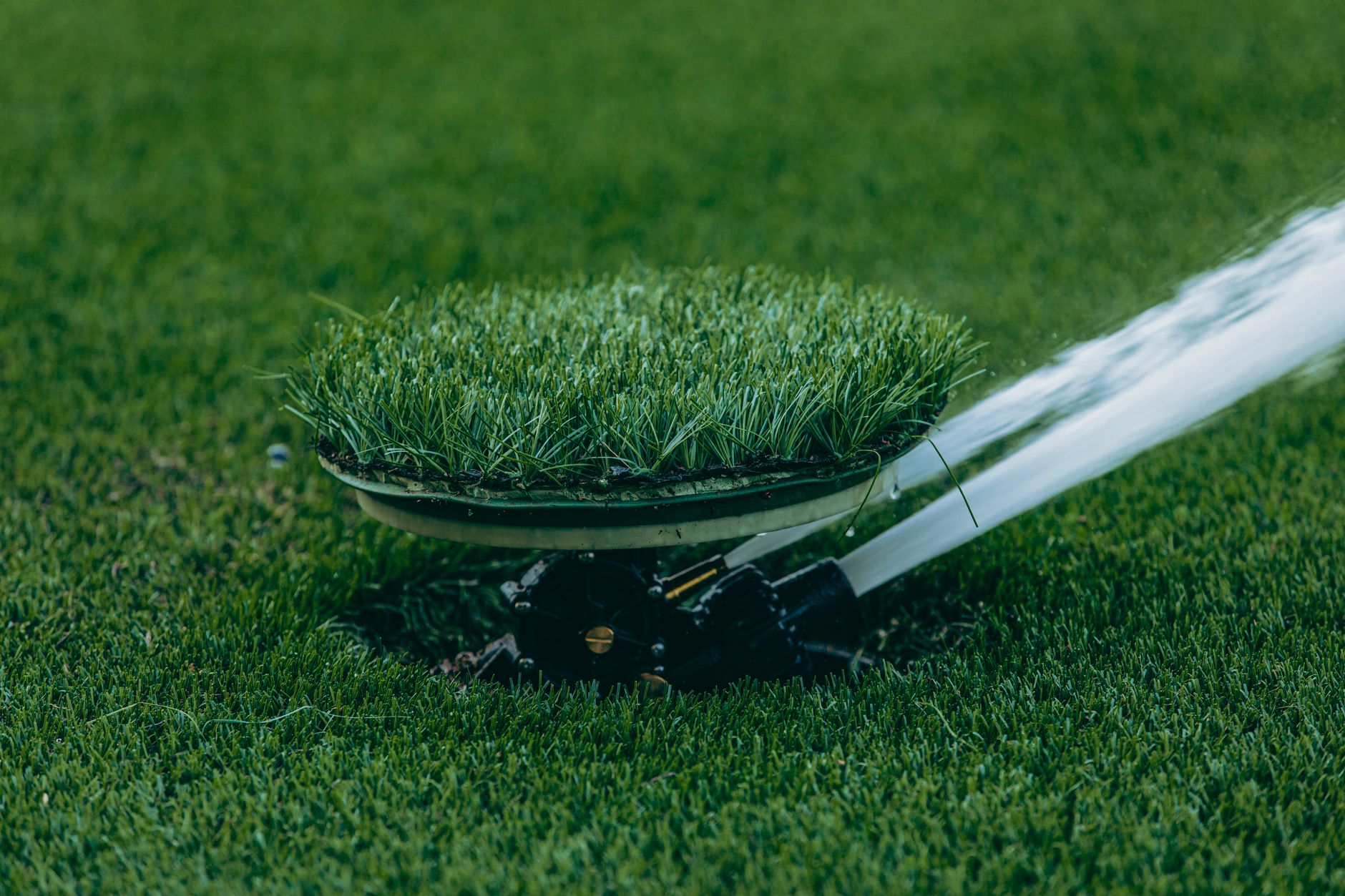
How much: Water 1 inch per week (including rainfall).
How to water: Water deeply and infrequently (1-2 times per week) to encourage deep root growth.
When to water: Water in the early morning to reduce evaporation and prevent fungal disease.
Check moisture: Stick a screwdriver into the soil—it should go in easily 4-6 inches. If not, you need more water.
Avoid: Frequent, shallow watering encourages shallow roots and weak grass.
Fertilize Properly

When to fertilize: Apply fertilizer in spring (April-May) and fall (September-October).
What to use: Use a balanced fertilizer (10-10-10) or a lawn-specific fertilizer.
How much: Follow package instructions—over-fertilizing can burn the lawn.
Slow-release: Use slow-release fertilizer for steady, consistent feeding.
Organic options: Compost, aged manure, or organic lawn fertilizers are excellent alternatives.
Test and Adjust Soil pH

Ideal pH: Grass grows best at pH 6.0-7.0 (slightly acidic to neutral).
Testing: Test your soil pH with a home test kit or send a sample to a local extension office.
Low pH (acidic): Add lime to raise pH. Follow package instructions.
High pH (alkaline): Add sulfur or aluminum sulfate to lower pH.
Benefits: Correct pH makes nutrients available to the grass, resulting in greener growth.
Aerate Compacted Soil

Why aerate: Aeration reduces soil compaction, allowing air, water, and nutrients to reach grass roots.
When to aerate: Aerate in fall (cool-season grasses) or spring (warm-season grasses).
How to aerate: Use a core aerator (removes plugs of soil).
Frequency: Aerate once a year for compacted lawns, every 2-3 years for healthy lawns.
After aeration: Leave the soil plugs on the lawn—they'll break down and improve soil.
Overseed Bare Patches

Why overseed: Overseeding fills bare patches, thickens the lawn, and crowds out weeds.
When to overseed: Overseed in fall (cool-season grasses) or spring (warm-season grasses).
How to overseed: Rake bare areas, spread seed, and cover lightly with soil.
Water: Keep the soil moist until the seed germinates (7-21 days).
Frequency: Overseed every 2-3 years to maintain a thick lawn.
Manage Weeds and Pests
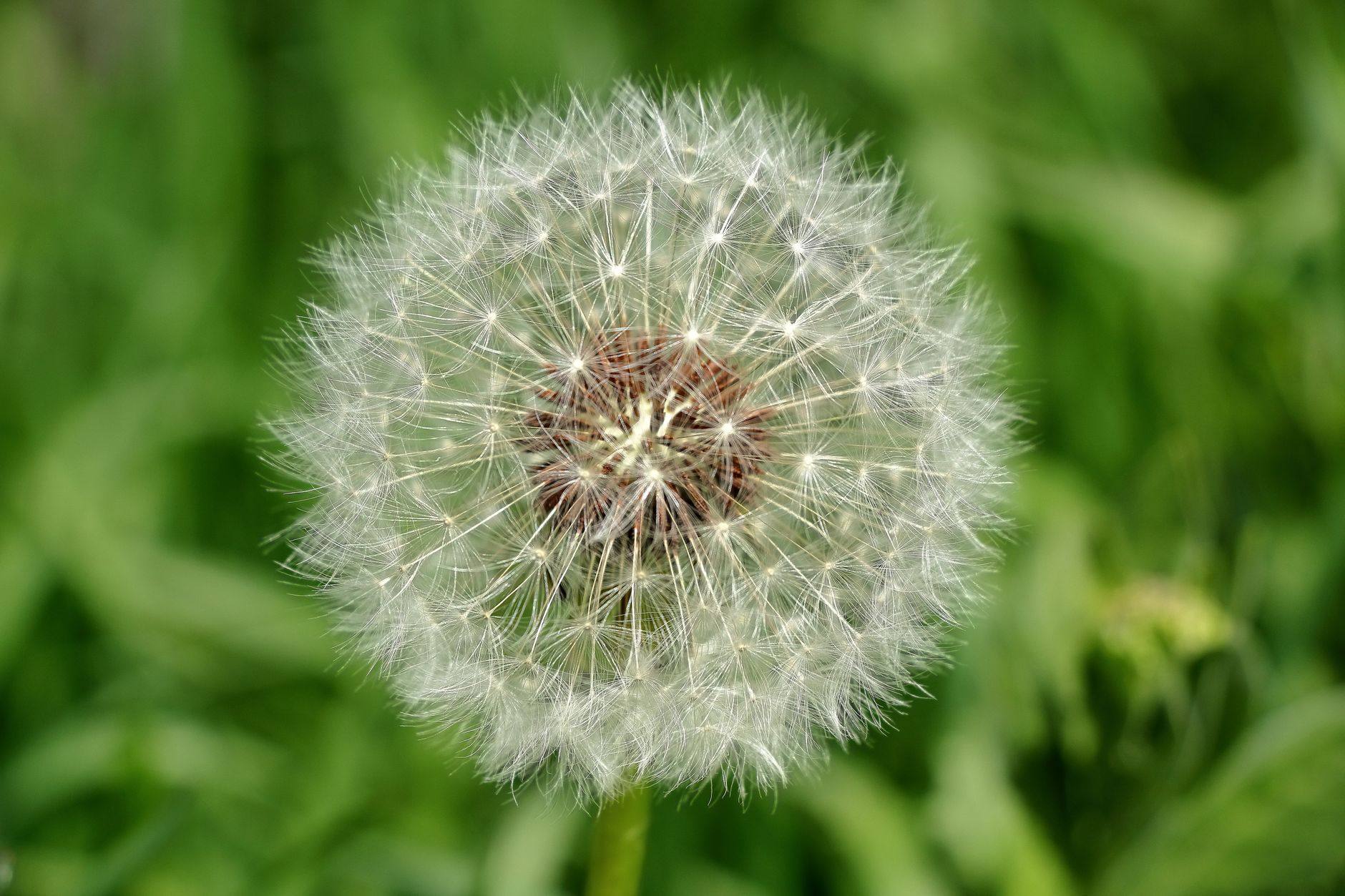
Weeds: Use pre-emergent herbicides in spring to prevent weed seeds from germinating.
Spot treatment: Treat weeds with a broadleaf herbicide or hand-pull them.
Grubs: Apply beneficial nematodes or milky spore to control grubs.
Healthy lawn: A thick, healthy lawn is the best defense against weeds and pests.
Mowing: Mow high to shade out weed seedlings.
Troubleshoot Common Lawn Issues

Yellow grass: Nitrogen deficiency, overwatering, or compacted soil.
Brown patches: Overwatering, disease, or dog urine.
Weeds: Thin lawn, poor nutrition, or compacted soil.
Moss: Too much shade, acidic soil, or poor drainage.
Fungus: Overwatering or poor air circulation.
Common problems and fixes
| Problem | Likely cause | What to do |
|---|---|---|
| Yellow grass | Nitrogen deficiency or compacted soil. | Apply nitrogen-rich fertilizer and aerate. |
| Brown patches | Overwatering, disease, or dog urine. | Reduce watering and treat with fungicide if needed. |
| Weeds | Thin lawn or poor nutrition. | Fertilize and overseed bare patches. |
| Moss | Too much shade or acidic soil. | Add lime, improve drainage, and increase sunlight. |
Gardener's checklist
Test what you learned
What is the optimal mowing height for cool-season grasses?
Answer: 3-4 inches
How much water does a lawn need per week?
Answer: 1 inch
When should you fertilize a cool-season lawn?
Answer: Spring and fall
What is the ideal soil pH for grass?
Answer: 6.0-7.0
How often should you aerate a compacted lawn?
Answer: Once a year
Common questions
Why is my grass turning yellow?
Yellow grass is often caused by nitrogen deficiency, overwatering, compacted soil, or dog urine. Apply nitrogen-rich fertilizer, adjust watering, and aerate.
How often should I water my lawn?
Water 1 inch per week, deeply and infrequently (1-2 times per week). Early morning is the best time to water.
What is the best fertilizer for green grass?
A balanced fertilizer (10-10-10) or a lawn-specific fertilizer with a higher nitrogen content. Apply in spring and fall.
How do I fix compacted soil?
Aerate the lawn with a core aerator once a year. This reduces compaction and improves water, air, and nutrient flow to roots.
How can I make my lawn greener naturally?
Mow at the right height, water deeply, fertilize with organic options, aerate, and overseed bare patches. Compost and grass clippings also help.
A green, healthy lawn is achievable with consistent care. Mow at the correct height (3-4 inches for cool-season grasses), water deeply but infrequently (1 inch per week), and fertilize in spring and fall. Test your soil pH and adjust as needed—grasses prefer pH 6.0-7.0. Aerate compacted soil annually and overseed bare patches every 2-3 years. With the right care, your lawn will become greener, thicker, and more vibrant.
Frequently asked questions
How often should a vegetable garden be watered?
Frequency depends on weather, soil and plant size. Check the soil rather than watering on a rigid schedule.
Is compost enough fertilizer?
Compost improves soil and provides nutrients slowly. Heavy-feeding crops may still need additional feeding.

The Sproutstead Editorial Team
We create clear, practical gardening and homesteading guides designed for real homes and beginner growers.
View author profile →