
A shade garden is a beautiful, tranquil space that thrives in areas with limited sunlight. Choose plants suited to your shade level: deep shade (hostas, ferns), partial shade (astilbes, heucheras), or dappled shade (foxgloves, bleeding hearts). Layer plants by height: tall in back (ferns, astilbes), medium in middle (hostas, heucheras), short in front (impatiens, creeping Jenny). Add hardscaping features like paths, seating, and water features to create a retreat. Shade gardens are low-maintenance and perfect for areas under trees, along north-facing walls, or in shadowy corners. With the right plants and design, your shade garden can be a lush, peaceful oasis.
What you will need
Understand Your Shade Level
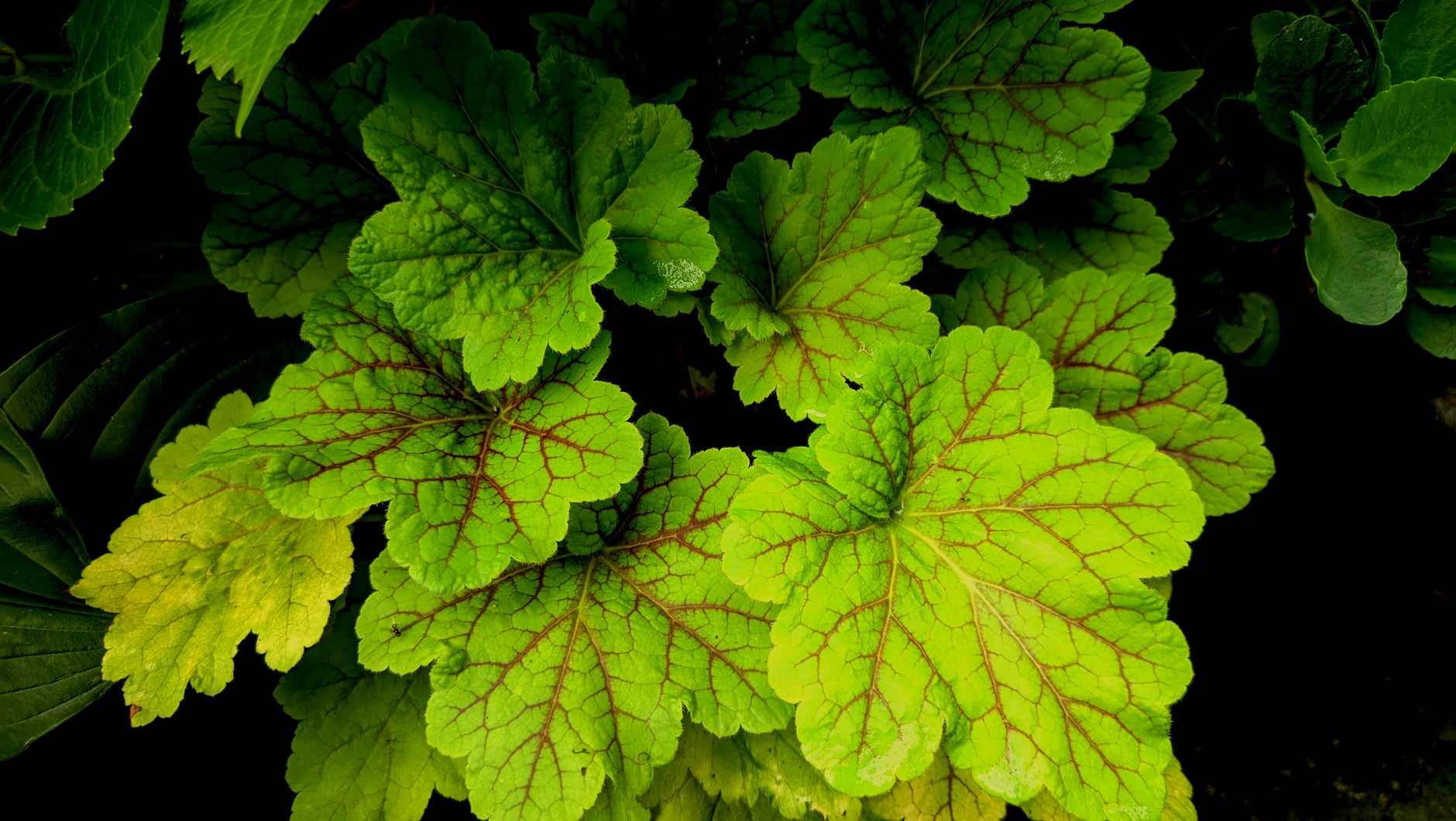
Deep shade: Less than 2 hours of direct sun. Areas under dense trees or north-facing walls. Plants: hostas, ferns, mosses, ivy.
Partial shade: 2-4 hours of direct sun (usually morning sun). Areas under open trees or east-facing. Plants: astilbes, heucheras, foxgloves, bleeding hearts.
Dappled shade: Filtered sunlight throughout the day. Areas under trees with light canopies. Plants: columbines, woodland phlox, trilliums.
Full shade: No direct sun but bright indirect light. Plants: impatiens, begonias, ferns.
Observe: Spend a day observing how much sun your area receives before choosing plants.
Choose the Best Shade-Loving Plants
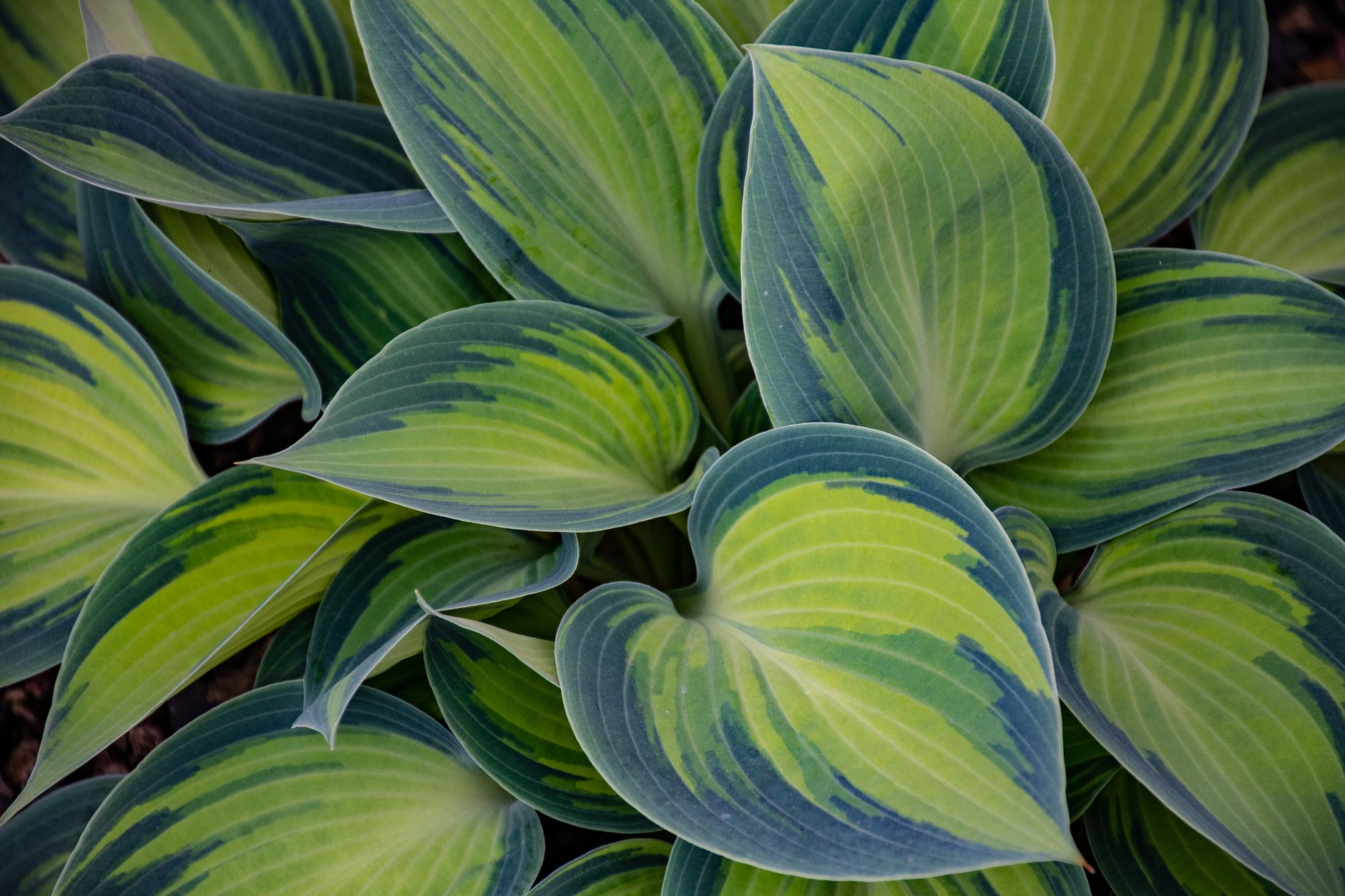
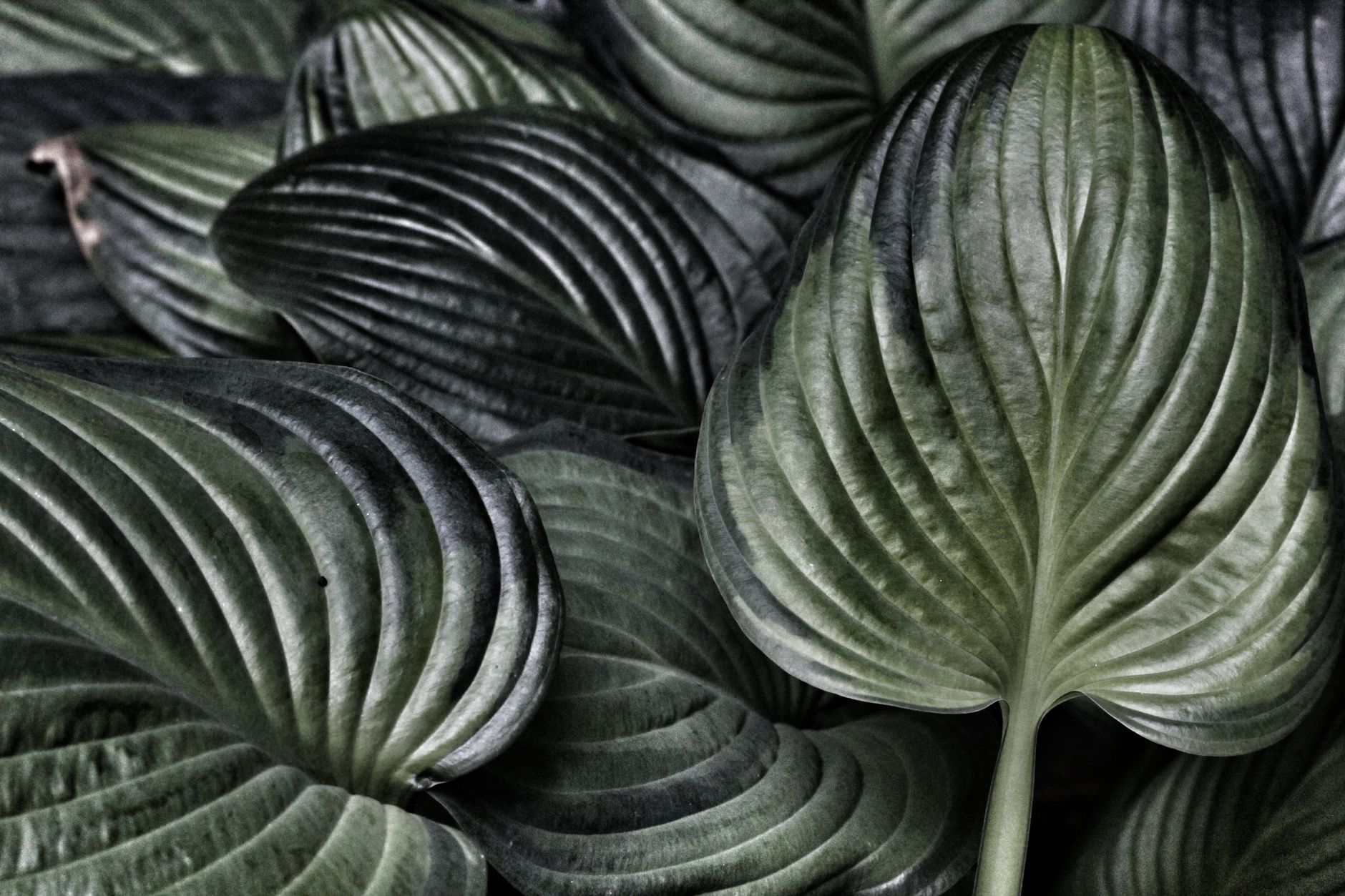
Hostas: The most popular shade plant. Foliage in green, blue, gold, or variegated. Spikes of white or lavender flowers. Height: 6-36 inches.
Ferns: Lush, feathery foliage. Excellent for texture. Varieties: Japanese painted fern, ostrich fern, maidenhair fern. Height: 12-36 inches.
Astilbes: Plume-like flowers in pink, red, white, or purple. Good for moist shade. Height: 12-36 inches.
Heucheras (Coral Bells): Colorful foliage in purple, bronze, lime, or silver. Small flowers. Height: 8-18 inches.
Impatiens: Bright, colorful flowers in pink, red, orange, white, or purple. Excellent for bedding. Height: 8-24 inches.
Bleeding Hearts: Heart-shaped pink or white flowers in spring. Fern-like foliage. Height: 12-24 inches.
Foxgloves: Tall spikes of bell-shaped flowers in pink, purple, white, or yellow. Height: 2-5 feet.
Tiarella (Foamflower): Foamy white or pink flower spikes. Attractive foliage. Height: 6-12 inches.
Pulmonaria (Lungwort): Silvery-spotted foliage. Pink, blue, or purple flowers. Height: 8-12 inches.
Toad Lily: Unique orchid-like flowers in fall. Height: 24-36 inches.
Layer Plants for Visual Depth

Back layer (Tall plants 2-5 ft): Foxgloves, astilbes, Japanese ferns, and tall hostas.
Middle layer (Medium plants 1-2 ft): Heucheras, medium hostas, tiarellas, and toad lilies.
Front layer (Short plants under 1 ft): Impatiens, creeping Jenny, and small hostas.
Ground cover: Use creeping Jenny, vinca, or pachysandra to fill gaps.
Repeat: Repeat plants for a cohesive, natural look.
Add Foliage Color and Texture

Foliage colors: Blue hostas, purple heucheras, silver pulmonarias, golden variegated hostas, and deep green ferns.
Textures: Mix bold (hostas), fine (ferns), and medium (heucheras) foliage for interest.
Variegated: Variegated plants add lightness to dark shade areas.
Seasonal interest: Some shade plants have colorful fall foliage or winter interest.
Evergreen: Include evergreen ferns and hellebores for winter color.
Add Hardscaping and Features
Paths: Add stepping stones or gravel paths to create a sense of journey.
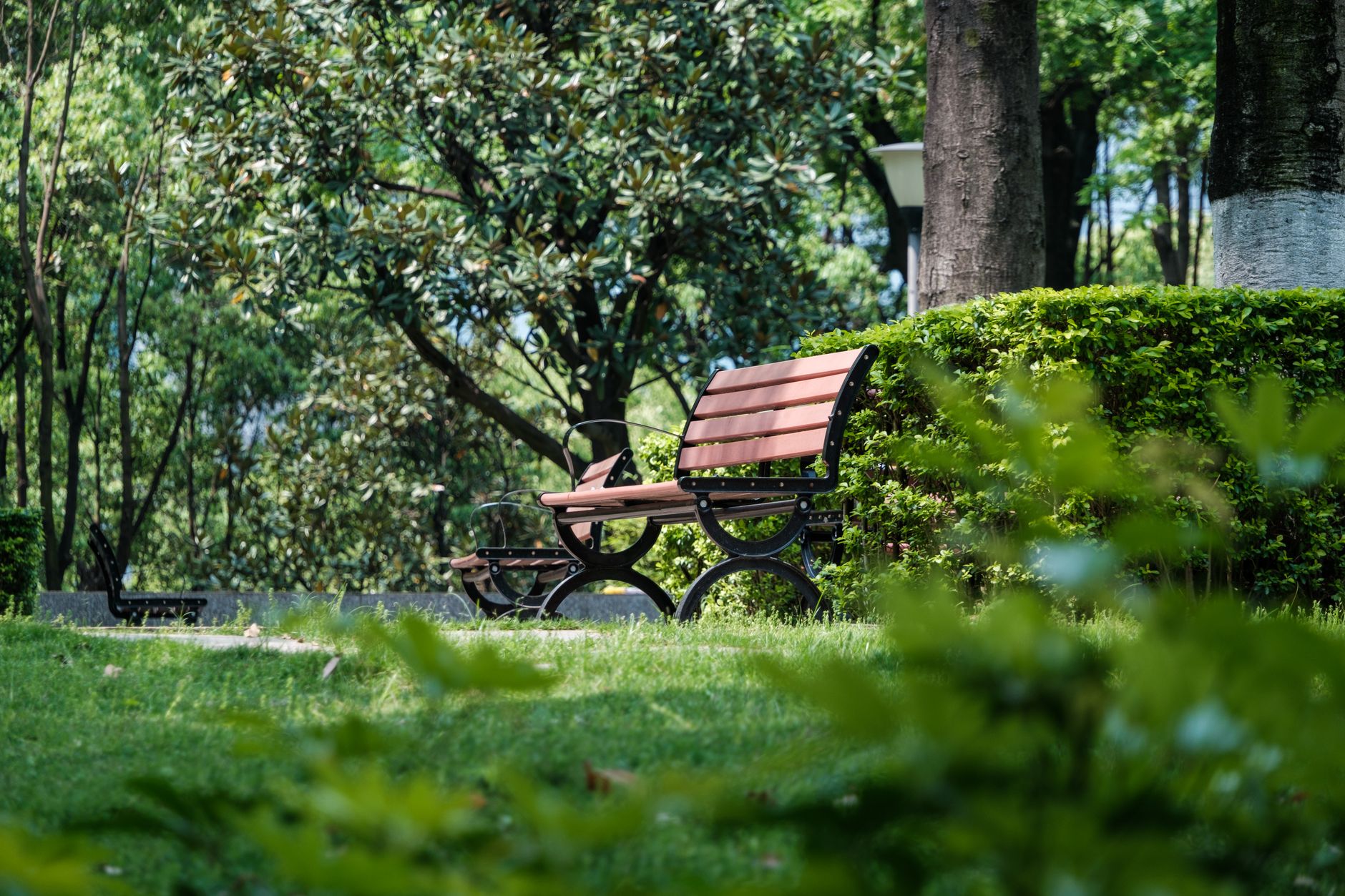
Seating: Place a bench or seating area in a quiet corner.
Water features: A small fountain or birdbath adds movement and sound.
Rocks: Use rocks or boulders for natural structure and to create height.
Lighting: Add low-voltage lighting for evening enjoyment.
Prepare the Soil
Remove weeds: Clear the area of all weeds and grass.
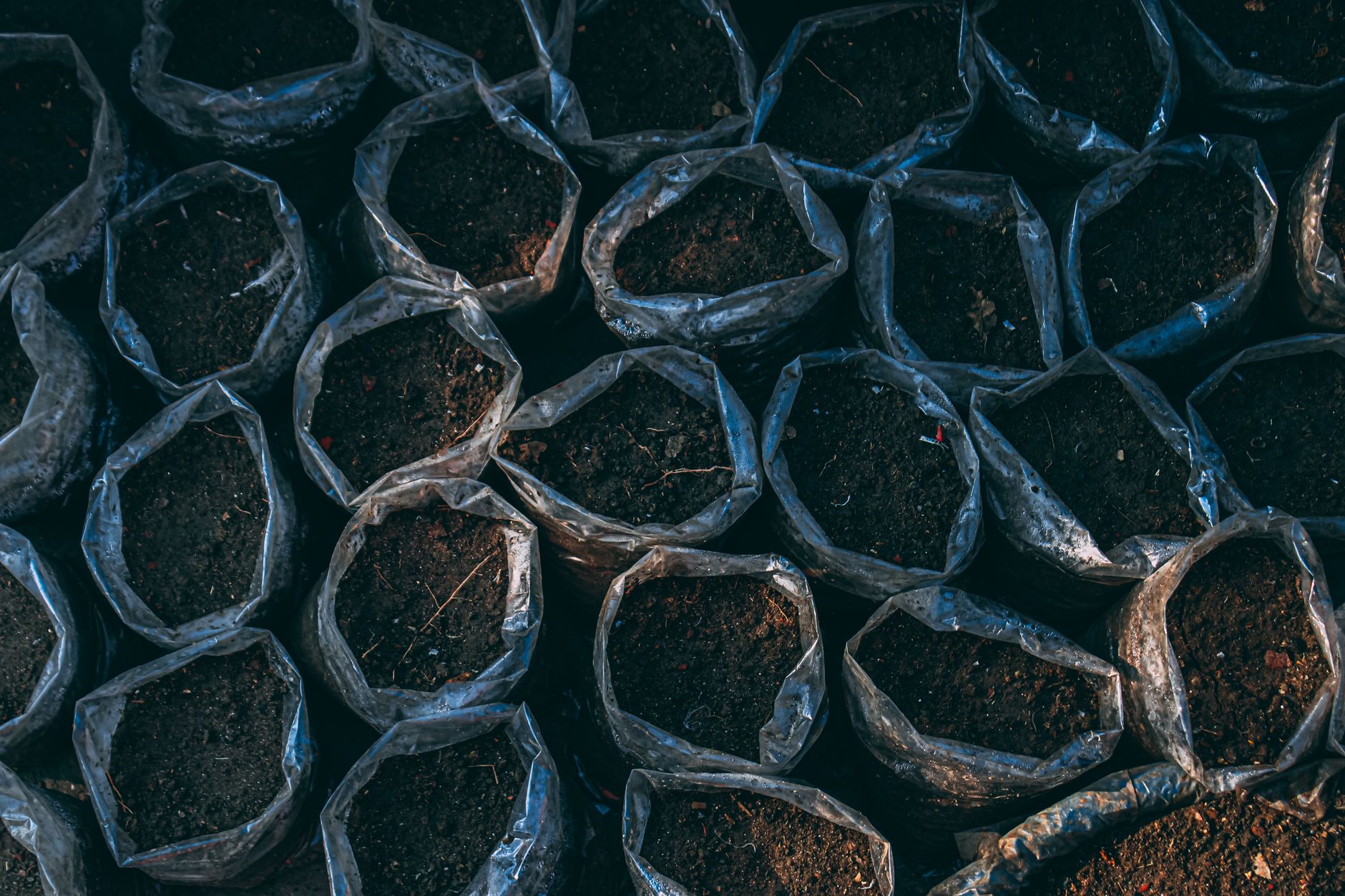
Loosen soil: Work the soil to a depth of 8-12 inches.
Add compost: Add 2-3 inches of compost or aged manure and mix it in.
Mulch: Apply 2-3 inches of mulch (wood chips or shredded bark) to retain moisture.
Water: Water deeply after planting.
Water and Maintain

Water: Water deeply once a week (1 inch per week) during dry spells.
Mulch: Apply 2-3 inches of mulch to retain moisture and suppress weeds.
Fertilize: Apply a balanced fertilizer in spring.
Deadhead: Remove spent flowers to encourage more blooms.
Prune: Remove dead or damaged foliage in spring.
Troubleshoot Common Issues
Plants not thriving: Too much or too little shade, or poor soil.
Slugs and snails: Common in shade. Use beer traps or diatomaceous earth.
Powdery mildew: Poor air circulation. Prune to improve airflow.
Yellow leaves: Overwatering or nutrient deficiency.
Fungal disease: Improve air circulation and avoid overhead watering.
Common problems and fixes
| Problem | Likely cause | What to do |
|---|---|---|
| Plants not thriving | Too much or too little shade, or poor soil. | Choose plants for your shade level and amend the soil. |
| Slugs and snails | Damp conditions in shade. | Use beer traps or diatomaceous earth. |
| Powdery mildew | Poor air circulation. | Prune to improve airflow. |
| Yellow leaves | Overwatering or nutrient deficiency. | Reduce watering and apply balanced fertilizer. |
Gardener's checklist
Test what you learned
What is the most popular shade plant?
Answer: Hostas
Which plant is best for deep shade?
Answer: Hosta
How should you layer plants in a shade garden?
Answer: Tall in back, medium in middle, short in front
What is a common pest in shade gardens?
Answer: Slugs and snails
What is the best way to retain moisture in a shade garden?
Answer: Mulch
Common questions
What plants grow best in deep shade?
Hostas, ferns, mosses, ivy, and hellebores are excellent choices for deep shade.
Can I grow flowers in the shade?
Yes! Astilbes, impatiens, bleeding hearts, foxgloves, and columbines all produce beautiful flowers in the shade.
How do I make a shade garden look colorful?
Use colorful foliage plants (heucheras, variegated hostas) and flowers (astilbes, impatiens) for year-round color.
Do shade gardens need a lot of water?
Shade gardens need about 1 inch of water per week. Mulching helps retain moisture.
How do I deal with slugs in my shade garden?
Use beer traps, diatomaceous earth, or iron phosphate slug baits. Remove debris where slugs hide.
A shade garden is a beautiful, tranquil retreat that thrives in areas with limited sunlight. Choose plants suited to your shade level—hostas, ferns, astilbes, and heucheras are excellent choices. Layer plants by height for visual depth, mix foliage colors and textures for year-round interest, and add hardscaping features like paths and seating. Mulch to retain moisture and suppress weeds. With the right plants and design, your shade garden can be a lush, peaceful oasis.
Frequently asked questions
How often should a vegetable garden be watered?
Frequency depends on weather, soil and plant size. Check the soil rather than watering on a rigid schedule.
Is compost enough fertilizer?
Compost improves soil and provides nutrients slowly. Heavy-feeding crops may still need additional feeding.

The Sproutstead Editorial Team
We create clear, practical gardening and homesteading guides designed for real homes and beginner growers.
View author profile →

