
Hydrangeas are beautiful, long-lived shrubs that produce large, showy flower clusters in summer and fall. Choose the right variety for your climate: bigleaf (macrophylla) for color-changing blooms, panicle (paniculata) for cold climates, or smooth (arborescens) for reliable blooms. Plant in part sun (morning sun, afternoon shade) with well-draining soil. Water deeply (1 inch per week) and mulch to retain moisture. Prune at the right time—bigleaf hydrangeas bloom on old wood, so prune after flowering. Adjust soil pH for color: acidic (pH 5.0-5.5) for blue, alkaline (pH 6.5+) for pink. Hydrangeas are relatively low-maintenance and provide stunning blooms from summer through fall.
What you will need
Choose the Right Hydrangea Type

Bigleaf (Macrophylla): Most popular type. Large, round flower clusters. Color changes based on soil pH. Best for mild climates (zones 6-9). Popular: Endless Summer, Nikko Blue, Blushing Bride.
Panicle (Paniculata): Cone-shaped flower clusters. Very cold-hardy (zones 3-8). Blooms on new wood. Popular: Limelight, Pinky Winky, Vanilla Strawberry.
Smooth (Arborescens): Large, white flower heads. Cold-hardy (zones 3-9). Blooms on new wood. Popular: Annabelle, Incrediball, Invincibelle Spirit.
Oakleaf (Quercifolia): Oak-like leaves, white cone-shaped flowers. Good fall color. Zones 5-9. Popular: Snow Queen, Alice, Ruby Slippers.
Climbing (Anomala): Vine that climbs walls and trellises. White flowers. Zones 4-8. Popular: Miranda, Silver Lining.
Select the Best Planting Site

Sunlight: Most hydrangeas prefer morning sun and afternoon shade. In hot climates, more shade is better.
Soil: Well-draining, rich, moist soil with a pH of 5.5-6.5. Add compost to improve soil structure.
Moisture: Hydrangeas need consistent moisture—they wilt in dry conditions.
Drainage: Good drainage is essential—hydrangeas don't like wet feet.
Protection: Protect from strong winds, which can damage flowers.
Plant Hydrangeas Correctly

When to plant: Plant in spring or fall. In colder climates, spring planting is best.
Planting depth: Plant at the same depth as the nursery pot. The root ball should be level with the soil surface.
Spacing: Space plants 3-5 feet apart (depending on mature size).
Soil preparation: Mix compost into the planting hole.
Watering: Water deeply after planting and keep the soil moist.
Water and Mulch
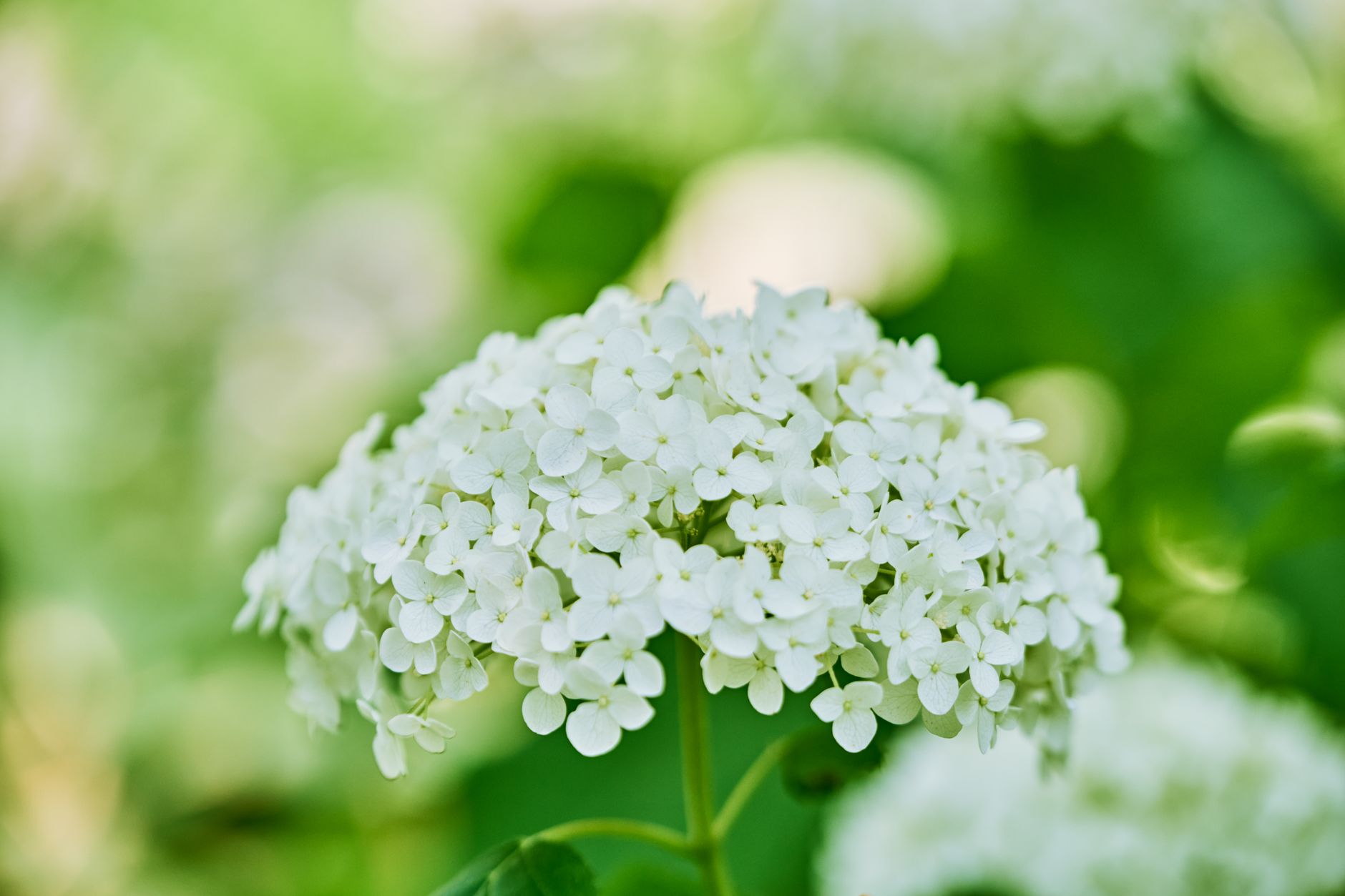
Water: Hydrangeas need 1 inch of water per week. Water deeply and regularly.
Wilting: Hydrangeas wilt in heat—water more during hot, dry spells.
Mulch: Apply 2-3 inches of mulch (wood chips, pine bark) around the base.
Why mulch: Mulch retains moisture, suppresses weeds, and moderates soil temperature.
Avoid: Keep mulch away from the stems to prevent rot.
Fertilize Hydrangeas

When to fertilize: Apply fertilizer in early spring and again after blooming.
What to use: Use a balanced fertilizer (10-10-10) or a fertilizer for acid-loving plants.
How much: Apply 1/4 to 1/2 cup per plant. Sprinkle around the base and water in.
Organic options: Compost or aged manure are excellent alternatives.
Avoid over-fertilizing: Too much nitrogen promotes leaves at the expense of flowers.
Control Flower Color (Bigleaf Hydrangeas)

How color works: Bigleaf hydrangeas change color based on soil pH and aluminum availability.
Blue flowers: Acidic soil (pH 5.0-5.5) with aluminum available.
Pink flowers: Alkaline soil (pH 6.5+) where aluminum is unavailable.
To turn blue: Add aluminum sulfate to lower pH. Follow package instructions.
To turn pink: Add lime to raise pH. Follow package instructions.
Time: Color changes take 6-12 months to show.
Note: White hydrangeas don't change color.
Prune at the Right Time

Bigleaf (Macrophylla): Blooms on old wood. Prune immediately after flowering (summer).
Panicle (Paniculata): Blooms on new wood. Prune in late winter or early spring.
Smooth (Arborescens): Blooms on new wood. Prune in late winter or early spring.
Oakleaf (Quercifolia): Blooms on old wood. Prune after flowering.
Deadheading: Remove spent blooms to encourage more flowers.
Avoid: Don't prune bigleaf hydrangeas in fall or spring—you'll cut off the flower buds.
Protect from Winter Cold

Why protect: Bigleaf hydrangeas are susceptible to winter cold, which can kill flower buds.
Mulch: Apply 4-6 inches of mulch around the base to protect roots.
Burlap: Wrap plants with burlap or frost cloth in cold climates.
Location: Plant in a sheltered location (against a wall or fence).
Spring: Remove protection when temperatures warm in spring.
Common problems and fixes
| Problem | Likely cause | What to do |
|---|---|---|
| Hydrangea not blooming | Pruned at the wrong time (bigleaf) or too much nitrogen. | Prune after flowering. Use a low-nitrogen fertilizer. |
| Leaves wilting | Not enough water or too much heat. | Water deeply and provide afternoon shade. |
| Flowers are green or brown | Too much sun or old blooms. | Provide more shade. Deadhead spent blooms. |
| Powdery mildew on leaves | Poor air circulation or too much moisture. | Prune to improve air circulation. Apply fungicide if needed. |
Gardener's checklist
Test what you learned
When should you prune bigleaf hydrangeas?
Answer: After flowering (summer)
What soil pH produces blue hydrangea flowers?
Answer: 5.0-5.5
What soil pH produces pink hydrangea flowers?
Answer: 6.5+
How much water do hydrangeas need per week?
Answer: 1 inch
Which hydrangea type is most cold-hardy?
Answer: Panicle
Common questions
Do hydrangeas need full sun?
Most hydrangeas prefer morning sun and afternoon shade. In hot climates, more shade is better to prevent wilting.
Can I change the color of my hydrangea flowers?
Yes, for bigleaf hydrangeas. Acidic soil produces blue flowers; alkaline soil produces pink flowers. White hydrangeas don't change color.
Why didn't my hydrangea bloom this year?
Common reasons: pruning at the wrong time (bigleaf hydrangeas bloom on old wood), winter cold killing flower buds, or too much nitrogen.
Can I grow hydrangeas in containers?
Yes, choose smaller varieties and use a large container (15-20 gallons). Water regularly and protect from winter cold.
How long do hydrangea blooms last?
Hydrangea blooms last 2-3 weeks on the plant and can be dried for arrangements that last for months.
Hydrangeas are beloved for their large, colorful blooms and long lifespan. Choose the right variety for your climate, plant in part sun with well-draining soil, and water consistently. Prune at the right time—bigleaf hydrangeas bloom on old wood and need pruning after flowering. Adjust soil pH to control flower color in bigleaf hydrangeas: acidic for blue, alkaline for pink. With proper care, your hydrangeas will reward you with stunning blooms from summer through fall.
Frequently asked questions
How often should a vegetable garden be watered?
Frequency depends on weather, soil and plant size. Check the soil rather than watering on a rigid schedule.
Is compost enough fertilizer?
Compost improves soil and provides nutrients slowly. Heavy-feeding crops may still need additional feeding.

The Sproutstead Editorial Team
We create clear, practical gardening and homesteading guides designed for real homes and beginner growers.
View author profile →

