
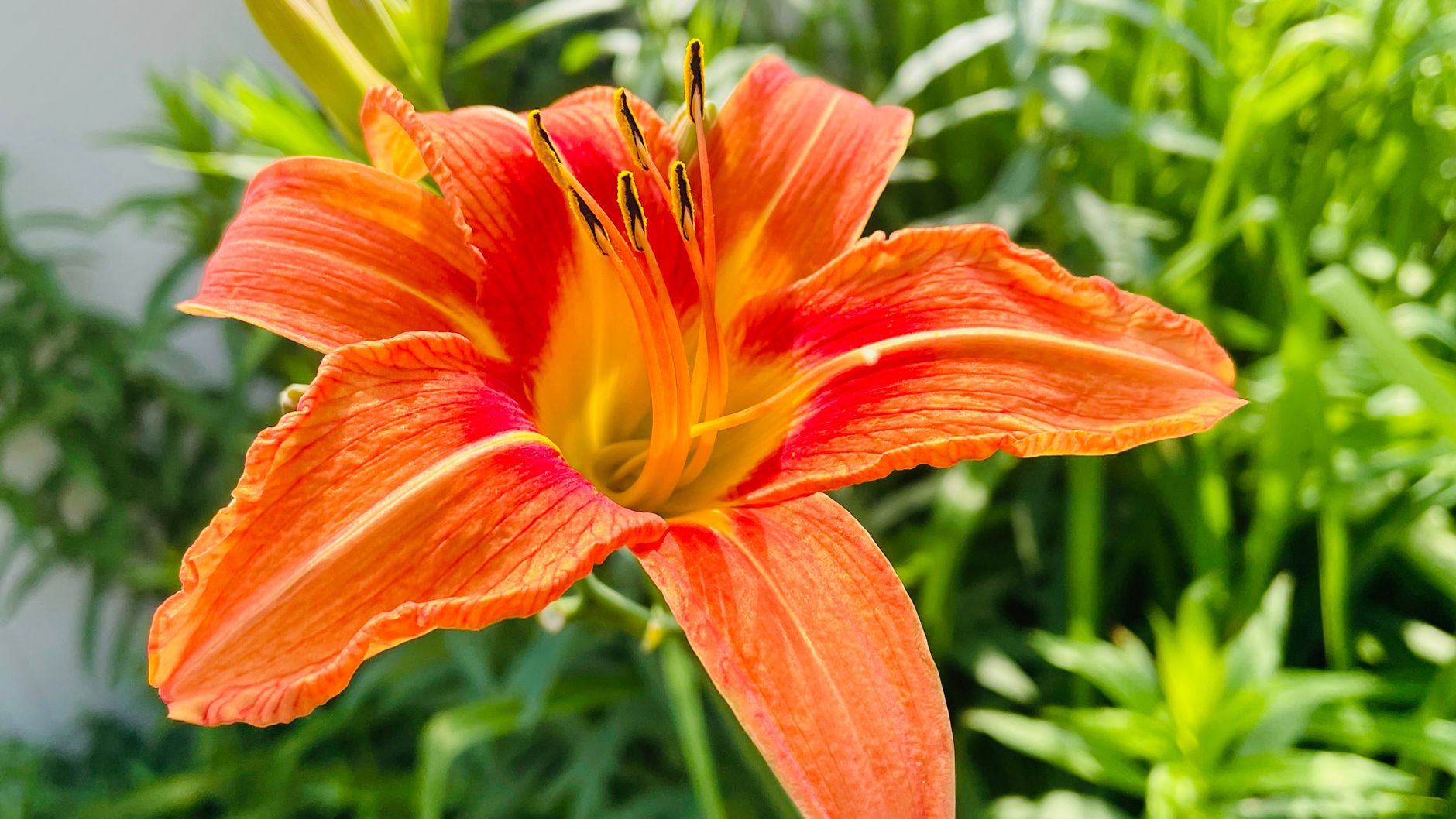
Lilies are stunning, fragrant perennials that bloom in summer with large, showy flowers. Plant bulbs in spring or fall in full sun (6-8 hours) with well-draining soil. Plant bulbs 6-8 inches deep, spaced 8-12 inches apart. Water deeply once a week, fertilize in spring and summer, and stake tall varieties. Mulch to keep roots cool. Deadhead spent flowers but leave stems until they yellow. In cold climates, protect bulbs with mulch. Lilies are excellent for cut flowers and come in a wide range of colors—white, pink, red, orange, yellow, and bi-colors. They attract pollinators and add vertical interest to any garden.
What you will need
Choose the Right Lily Varieties

Asiatic Lilies: Early bloomers (June). Large, upright flowers. No fragrance. Wide range of colors. Height: 2-4 feet. Popular: Enchantment (orange), Tiny Ghost (red), Navona (white).
Oriental Lilies: Late bloomers (July-August). Large, fragrant flowers. Good for cut flowers. Height: 3-5 feet. Popular: Stargazer (pink), Casablanca (white), Sorbonne (pink), Mona Lisa (pink).
Trumpet Lilies: Tall (4-6 feet). Trumpet-shaped, fragrant flowers. Good for back of borders. Popular: Golden Splendor (yellow), African Queen (orange).
Tiger Lilies: Tall (3-5 feet). Spotted orange flowers. Very hardy. Good for naturalizing. Popular: Tiger Lily, Black Beauty.
Species Lilies: Smaller, delicate flowers. Good for rock gardens. Popular: Martagon lily, Turk's cap lily.
Colors: Available in white, pink, red, orange, yellow, and bi-colors.
Select the Best Planting Site

Sunlight: Lilies need 6-8 hours of direct sunlight daily. More sun = more blooms.
Soil: Well-draining, fertile soil with a pH of 6.0-7.0. Add compost to improve drainage.
Drainage: Good drainage is essential—lily bulbs rot in wet soil.
Air circulation: Good airflow prevents fungal diseases.
Protection: Plant in a spot protected from strong winds.
Plant Lily Bulbs Correctly

When to plant: Plant in spring or fall. Spring planting is best in cold climates.
Planting depth: Plant bulbs 6-8 inches deep (measured from the base of the bulb).
Spacing: Space bulbs 8-12 inches apart.
Direction: Plant with the pointed end facing up.
Water: Water well after planting.
Water and Mulch

Water: Water deeply once a week (1 inch per week).
Consistency: Keep the soil consistently moist—not waterlogged.
Mulch: Apply 2-3 inches of mulch (wood chips or straw) to retain moisture and keep roots cool.
Avoid: Avoid overhead watering to prevent fungal diseases.
Fertilize Lilies

When to fertilize: Apply in early spring when shoots emerge and again after blooming.
What to use: Use a balanced fertilizer (10-10-10) or a bulb fertilizer.
How much: Follow package instructions.
Organic options: Bone meal, compost, or fish emulsion are excellent alternatives.
Stake Tall Varieties

Why stake: Tall varieties (4-6 feet) need support to prevent flopping.
When to stake: Install stakes when plants are young to avoid root damage.
What to use: Bamboo stakes, metal plant supports, or tomato cages.
How to stake: Insert a stake next to each plant. Tie stems loosely with soft twine.
Deadhead and Care After Blooming

Deadhead: Remove spent flowers to prevent seed production.
Leave stems: Leave the stems and foliage until they yellow and die back naturally—this feeds the bulb.
Cutting for arrangements: Cut stems in the morning when flowers are open.
Fall care: Cut stems back to ground level after they die back in fall.
Troubleshoot Common Issues
Lily beetle: Red beetles that eat leaves. Hand-pick or use insecticidal soap.
Aphids: Spray with insecticidal soap or neem oil.
Botrytis (gray mold): Common in wet weather. Improve air circulation and remove affected leaves.
Bulb rot: Poor drainage—improve drainage.
No blooms: Too much shade or planted too shallow.
Common problems and fixes
| Problem | Likely cause | What to do |
|---|---|---|
| Lily beetles | Red beetles eating leaves. | Hand-pick or use insecticidal soap. |
| No blooms | Too much shade or planted too shallow. | Move to full sun and plant deeper. |
| Bulb rot | Poor drainage. | Improve drainage and reduce watering. |
| Botrytis (gray mold) | Wet weather and poor air circulation. | Improve air circulation and remove affected leaves. |
Gardener's checklist
Test what you learned
How deep should lily bulbs be planted?
Answer: 6-8 inches
Which lily variety is most fragrant?
Answer: Oriental
How much sun do lilies need?
Answer: 6-8 hours
When should you cut back lily stems?
Answer: After they yellow and die back
What is a common pest of lilies?
Answer: Lily beetle
Common questions
Do lilies come back every year?
Yes, lilies are perennials and come back year after year with proper care.
How long do lilies bloom?
Lilies bloom for 2-4 weeks in summer (June-August), depending on the variety.
Can I grow lilies in containers?
Yes! Choose shorter varieties (Asiatic) and use a large container (12-15 inches deep).
Are lilies toxic to pets?
Yes, lilies are highly toxic to cats. Keep them out of reach of pets.
How do I overwinter lilies in cold climates?
Apply 4-6 inches of mulch in late fall to protect bulbs from freezing.
Lilies are stunning, fragrant perennials that add elegance and height to any garden. Plant bulbs 6-8 inches deep in full sun with well-draining soil. Water deeply once a week, fertilize in spring and summer, and stake tall varieties. Deadhead spent flowers but leave stems until they yellow. With proper care, lilies will reward you with beautiful, fragrant blooms year after year.
Frequently asked questions
How often should a vegetable garden be watered?
Frequency depends on weather, soil and plant size. Check the soil rather than watering on a rigid schedule.
Is compost enough fertilizer?
Compost improves soil and provides nutrients slowly. Heavy-feeding crops may still need additional feeding.

The Sproutstead Editorial Team
We create clear, practical gardening and homesteading guides designed for real homes and beginner growers.
View author profile →

