
Low light plants are houseplants that thrive in dimly lit spaces with little to no direct sunlight. The best low-light plants include snake plant, ZZ plant, pothos, peace lily, philodendron, spider plant, cast iron plant, and Chinese evergreen. These plants are adapted to survive in low light conditions and are perfect for offices, bedrooms, bathrooms, and rooms with north-facing windows. They need less water and fertilizer than high-light plants. Most require watering only when the soil is dry. With proper care, these plants will thrive and improve air quality in low-light spaces.
What you will need
Understand What Low Light Means

Low light means an area with little to no direct sunlight. This includes rooms with north-facing windows, rooms with shaded windows, rooms with small windows, and rooms far from windows.
Low light is also found in offices with fluorescent lighting, hallways, bathrooms, and basements. These spaces may still have enough light for certain plants to survive.
Low light plants can survive on 50-200 foot-candles of light. In comparison, high-light plants need 500-1000+ foot-candles.
In low light, plants grow slower because they have less energy for photosynthesis. They also need less water and fertilizer because their growth is slower.
If your space is very dark with no natural light, choose the most shade-tolerant plants like snake plant and ZZ plant. They can survive with only fluorescent light.
Snake Plant — The Ultimate Low-Light Survivor

Snake plant is the ultimate low-light plant. It thrives in very low light and can survive with only fluorescent light. It is nearly indestructible and very forgiving of neglect.
Snake plant has tall, upright leaves with variegated green and yellow patterns. It grows slowly in low light but remains healthy.
Water sparingly. Allow the soil to dry completely between waterings. In low light, you may only need to water every 3-4 weeks.
Snake plant is an excellent air purifier. It removes toxins like formaldehyde and benzene from the air.
Snake plant is perfect for bedrooms, offices, and dark corners. It is also pet-friendly for cats and dogs.
ZZ Plant — The Indestructible Choice

ZZ plant is one of the toughest houseplants. It tolerates very low light, drought, and neglect. It is perfect for beginners and dark spaces.
ZZ plant has glossy, dark green leaves that grow on thick stems. It grows slowly in low light but maintains its beautiful appearance.
Water sparingly. Allow the soil to dry completely between waterings. In low light, you may only need to water every 3-4 weeks.
ZZ plant is also drought-tolerant. If you forget to water, it will survive. Overwatering is the only way to kill a ZZ plant.
ZZ plant is excellent for offices, bathrooms, and bedrooms. It is also pet-friendly.
Pothos — The Versatile Vine

Pothos is a versatile, fast-growing vine that tolerates low light. It is one of the most popular houseplants because it is easy to grow and very forgiving.
Pothos has heart-shaped leaves with variegated green, white, and yellow patterns. In low light, the variegation may fade, but the plant remains healthy.
Water when the top inch of soil feels dry. In low light, this may be every 1-2 weeks. Pothos is drought-tolerant and can survive occasional dry periods.
Pothos is an excellent air purifier. It removes toxins like formaldehyde and xylene from the air.
Pothos is perfect for hanging baskets, shelves, and trailing over furniture. It is also easy to propagate from cuttings.
Peace Lily — Elegant and Adaptable

Peace lily is an elegant plant with dark green leaves and white spathe flowers. It adapts well to low light and even produces blooms in low light conditions.
Peace lily prefers medium to low light. It does not like direct sunlight, which can scorch its leaves. It thrives in bathrooms and kitchens because it likes humidity.
Water when the top inch of soil feels dry. Peace lily is dramatic when it needs water and will droop, making it easy to know when to water.
Peace lily is an excellent air purifier. It removes toxins like ammonia, benzene, and formaldehyde from the air.
Peace lily is toxic to cats and dogs. Keep it out of reach of pets.
Philodendron — Classic and Easy
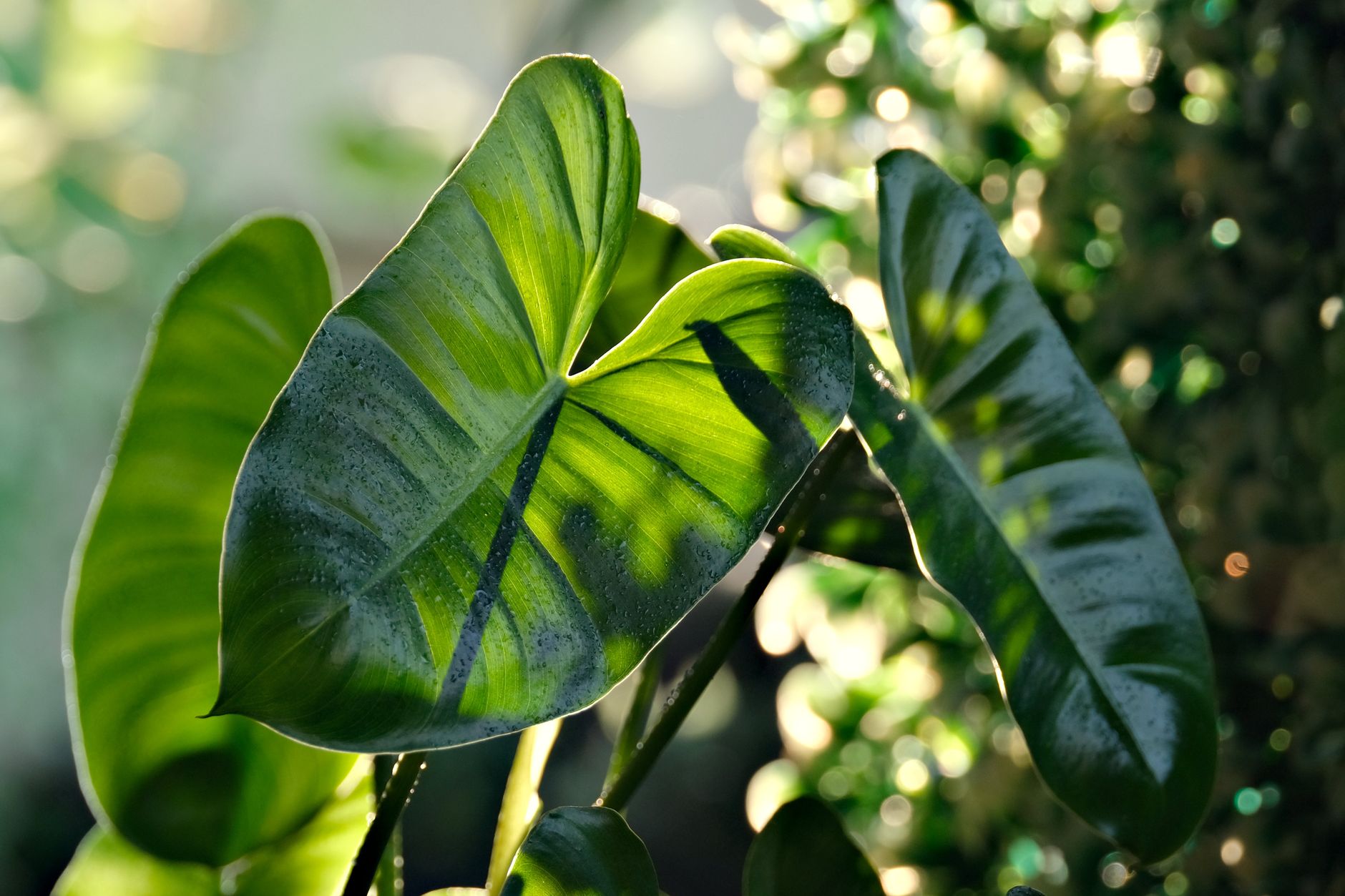
Philodendron is a classic houseplant with heart-shaped leaves. It is easy to grow, adapts well to low light, and is very forgiving.
Philodendron prefers medium to low light. It does not like direct sunlight, which can burn its leaves.
Water when the top inch of soil feels dry. In low light, this may be every 1-2 weeks. Philodendron is drought-tolerant and can survive occasional dry periods.
Philodendron is an excellent air purifier. It removes toxins like formaldehyde from the air.
Philodendron is toxic to cats and dogs. Keep it out of reach of pets.
Cast Iron Plant — The Name Says It All

Cast iron plant is named for its tough nature. It tolerates very low light, neglect, and infrequent watering. It is the most tolerant of dark conditions.
Cast iron plant has long, dark green leaves that grow in clumps. It grows slowly in low light but remains healthy.
Water sparingly. Allow the soil to dry between waterings. In low light, you may only need to water every 2-3 weeks.
Cast iron plant is perfect for dark corners, hallways, and rooms with north-facing windows.
Cast iron plant is pet-friendly for cats and dogs.
Chinese Evergreen — Beautiful and Shade-Tolerant

Chinese evergreen is a beautiful plant with variegated leaves in green, silver, and cream. It tolerates low light and is very easy to care for.
Chinese evergreen prefers low to medium light. It does not like direct sunlight, which can scorch its leaves.
Water when the top inch of soil feels dry. In low light, this may be every 1-2 weeks. Chinese evergreen is drought-tolerant and forgiving.
Chinese evergreen is an excellent air purifier. It removes toxins like formaldehyde and benzene from the air.
Chinese evergreen is toxic to cats and dogs. Keep it out of reach of pets.
Common problems and fixes
| Problem | Likely cause | What to do |
|---|---|---|
| Leaves are turning yellow. | Overwatering. | Reduce watering. Allow soil to dry completely. |
| Leaves are turning brown at tips. | Underwatering, low humidity, or fertilizer burn. | Water consistently. Increase humidity. Reduce fertilizer. |
| Plant is not growing. | Normal for low light. | Low-light plants grow slowly. This is normal. Do not overwater or over-fertilize. |
| Leaves are pale or losing color. | Too much light or nutrient deficiency. | Move to lower light. Fertilize lightly in spring. |
Gardener's checklist
Test what you learned
Which plant is the most tolerant of low light?
Answer: Snake plant
What is the most common mistake with low-light plants?
Answer: Overwatering
How often should you water low-light plants?
Answer: When the soil is dry
Which plant is often called the indestructible plant?
Answer: ZZ plant
Common questions
What is considered low light for plants?
Low light means areas with little to no direct sunlight. This includes rooms with north-facing windows, rooms with shaded windows, hallways, offices with fluorescent lighting, and bathrooms with small windows.
Can plants survive in rooms with no windows?
Yes, some plants can survive with only fluorescent lighting. Snake plants, ZZ plants, and pothos can tolerate low light and fluorescent lighting. However, they will grow very slowly.
How often should I water low-light plants?
Low-light plants need less water because they grow slower. Water only when the soil is completely dry. This may be every 1-4 weeks depending on the plant, pot size, and indoor conditions.
Will low-light plants grow in a north-facing window?
Yes. North-facing windows provide the lowest light but are perfect for low-light plants. Snake plants, ZZ plants, pothos, peace lilies, and philodendrons thrive in north-facing windows.
Do low-light plants need fertilizer?
Yes, but sparingly. Fertilize low-light plants only in spring and summer during the growing season. Use a diluted fertilizer at half the recommended strength. Do not fertilize in winter.
Low-light plants are perfect for dimly lit spaces, offices, and rooms with north-facing windows. The best low-light plants include snake plant, ZZ plant, pothos, peace lily, philodendron, spider plant, cast iron plant, and Chinese evergreen. These plants thrive with minimal light and are very forgiving of neglect. Water sparingly, fertilize only in spring and summer, and dust leaves regularly to help them absorb light. With the right plants and care, even the darkest corners of your home can be filled with lush, green life.
Frequently asked questions
How often should a vegetable garden be watered?
Frequency depends on weather, soil and plant size. Check the soil rather than watering on a rigid schedule.
Is compost enough fertilizer?
Compost improves soil and provides nutrients slowly. Heavy-feeding crops may still need additional feeding.

The Sproutstead Editorial Team
We create clear, practical gardening and homesteading guides designed for real homes and beginner growers.
View author profile →

