
Sweet peas are beloved for their intense fragrance and beautiful, colorful blooms. They are cool-weather annuals that climb and need support. Plant seeds in early spring (as soon as the soil can be worked) or in fall in mild climates. Soak seeds in water for 24 hours before planting to speed germination. Plant 1 inch deep, spaced 6-8 inches apart, in full sun (6+ hours) with well-draining soil. Provide a trellis or support for climbing. Water deeply once a week, fertilize every 4-6 weeks, and deadhead spent flowers to encourage continuous blooming. Sweet peas are excellent for cut flowers and have a vase life of 5-7 days. They come in a range of colors—pink, purple, red, white, and bi-colors.
What you will need
Choose the Right Sweet Pea Varieties
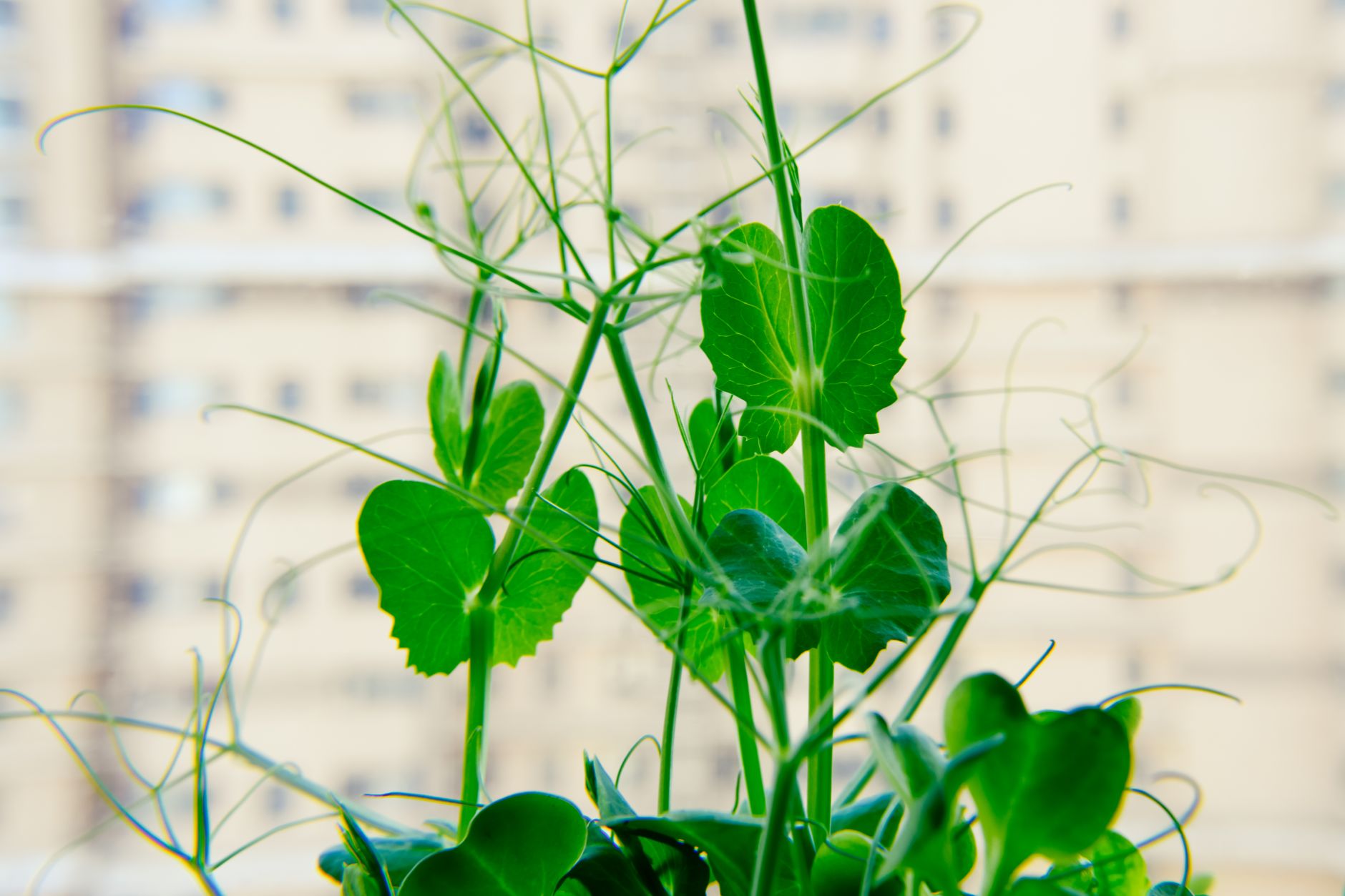
Spencer Hybrids: Large, ruffled flowers. Excellent for cut flowers. Wide range of colors. Popular: Spencer Mix, Prima Donna, King Edward VII.
Royal Family: Early-blooming, vigorous. Good for containers and cut flowers. Popular: Royal Mix, Azureus, White Supreme.
Cupani: The original sweet pea. Deep purple and maroon bicolor. Intense fragrance. Good for heritage gardens.
Old Spice: Intensely fragrant, antique varieties. Popular: Cupani, Matucana, Painted Lady.
Mammoth: Large flowers, long stems. Excellent for cut flowers. Popular: Mammoth Mix, Goliath.
Dwarf Varieties: Compact (12-18 inches). Good for containers and borders. Popular: Bijou, Knee-Hi, Little Sweetheart.
Colors: Available in pink, purple, red, white, blue, and bi-colors.
Select the Best Planting Site
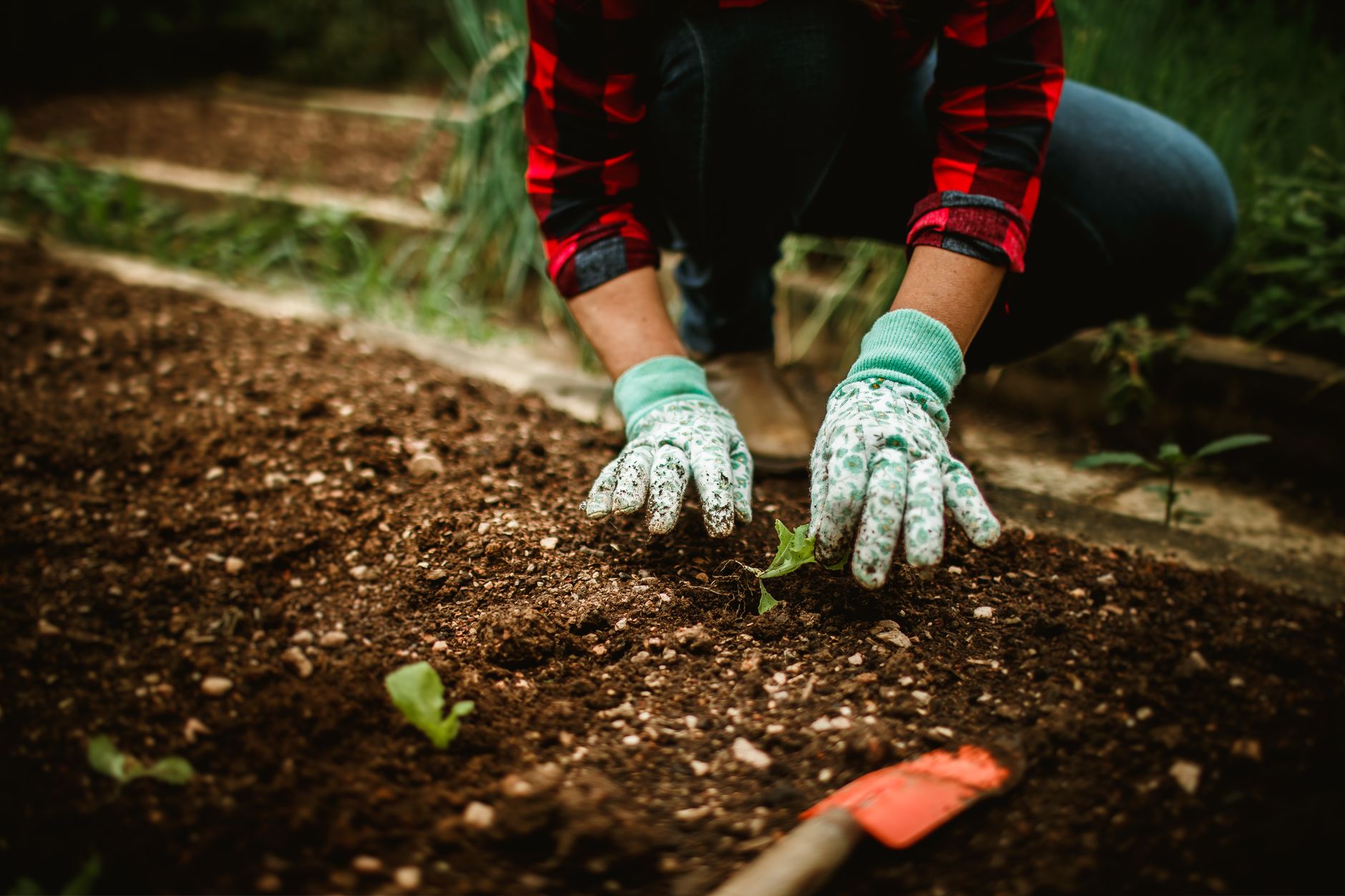
Sunlight: Sweet peas need 6+ hours of direct sunlight daily.
Soil: Well-draining, fertile soil with a pH of 6.5-7.5. Add compost to improve soil fertility.
Drainage: Good drainage is important—sweet peas don't like wet feet.
Cool weather: Sweet peas prefer cool weather (55-65°F). In hot climates, plant early spring or fall.
Support: Sweet peas need a trellis, netting, or fence to climb. Install it before planting.
Plant Sweet Pea Seeds

When to plant: Plant in early spring as soon as the soil can be worked. In mild climates, plant in fall for spring blooms.
Soaking: Soak seeds in water for 24 hours before planting to speed germination.
Planting depth: Plant seeds 1 inch deep.
Spacing: Space seeds 6-8 inches apart.
Support: Provide a trellis, netting, or fence at planting time.
Water: Water gently after planting and keep the soil moist until germination (10-21 days).
Water and Mulch

Water: Water deeply once a week (1 inch per week).
Consistency: Sweet peas prefer consistently moist soil—don't let them dry out.
Mulch: Apply 2-3 inches of mulch (wood chips or straw) to retain moisture and suppress weeds.
Avoid: Avoid overhead watering to prevent fungal diseases.
Provide Support and Train

Why support: Sweet peas are climbing vines that need support to grow.
What to use: Trellis, netting, fence, or obelisk.
Install before planting: Install the support at planting time to avoid damaging roots.
Training: Train the vines onto the support by gently wrapping them around or tying with soft twine.
Height: Most sweet peas grow 6-8 feet tall.
Fertilize Sweet Peas

When to fertilize: Apply fertilizer at planting and every 4-6 weeks.
What to use: Use a low-nitrogen, high-phosphorus fertilizer (5-10-5).
How much: Follow package instructions.
Organic options: Bone meal or fish emulsion are excellent alternatives.
Avoid over-fertilizing: Too much nitrogen promotes leaves at the expense of flowers.
Deadhead and Harvest

Why deadhead: Removing spent flowers redirects energy into producing more blooms.
How to deadhead: Pinch or cut spent flower stems back to the nearest leaf.
Cut flowers: Sweet peas are excellent for cut flowers. Cut stems when the lower flowers are open.
Vase life: Sweet peas last 5-7 days in a vase with flower food.
Continuous blooms: Regular cutting encourages more blooms.
Troubleshoot Common Issues

Powdery mildew: Poor air circulation. Prune to improve airflow.
Aphids: Spray with insecticidal soap or neem oil.
Slugs and snails: Use beer traps or diatomaceous earth.
No blooms: Too much nitrogen or not enough sun.
Yellow leaves: Overwatering or nutrient deficiency.
Common problems and fixes
| Problem | Likely cause | What to do |
|---|---|---|
| Powdery mildew | Poor air circulation. | Prune to improve airflow and apply fungicide if needed. |
| No blooms | Too much nitrogen or not enough sun. | Use low-nitrogen fertilizer and ensure 6+ hours of sun. |
| Aphids | Pests attracted to stressed plants. | Spray with insecticidal soap or neem oil. |
| Yellow leaves | Overwatering or nutrient deficiency. | Reduce watering and apply balanced fertilizer. |
Gardener's checklist
Test what you learned
How long should you soak sweet pea seeds before planting?
Answer: 24 hours
How deep should sweet pea seeds be planted?
Answer: 1 inch
What type of fertilizer is best for sweet peas?
Answer: Low nitrogen, high phosphorus
What is the best time to plant sweet peas?
Answer: Early spring (or fall in mild climates)
What do sweet peas need to climb?
Answer: Trellis or support
Common questions
Are sweet peas perennials or annuals?
Sweet peas are annuals. They grow from seed each year. In mild climates, they may self-seed.
How long do sweet peas bloom?
Sweet peas bloom from spring to early summer (May-July). With regular deadheading, they can bloom longer in cool weather.
Can sweet peas grow in containers?
Yes! Dwarf varieties (Bijou, Knee-Hi) are excellent for containers. Use a large container (12-15 inches deep) with a trellis.
Do sweet peas attract pollinators?
Yes! Sweet peas attract bees, butterflies, and hummingbirds.
Are sweet peas edible?
No! Sweet peas are ornamental and toxic to humans and pets. Do not eat them.
Sweet peas are beloved for their intense fragrance and beautiful, colorful blooms. Soak seeds in water for 24 hours before planting, plant in early spring or fall, and provide support for climbing. Water deeply once a week, fertilize with a low-nitrogen fertilizer, and deadhead spent flowers regularly for continuous blooms. With their delightful fragrance and wide range of colors, sweet peas are a must-have for any garden.
Frequently asked questions
How often should a vegetable garden be watered?
Frequency depends on weather, soil and plant size. Check the soil rather than watering on a rigid schedule.
Is compost enough fertilizer?
Compost improves soil and provides nutrients slowly. Heavy-feeding crops may still need additional feeding.

The Sproutstead Editorial Team
We create clear, practical gardening and homesteading guides designed for real homes and beginner growers.
View author profile →

