
Gladiolus produce stunning spikes of flowers that bloom from mid-summer to fall. Plant gladiolus corms in spring after the last frost, when the soil has warmed to 60°F. Choose a location with full sun (6-8 hours) and well-draining soil. Plant corms 4-6 inches deep and 4-6 inches apart, with the pointed end facing up. Water deeply once a week and fertilize with a balanced fertilizer. Stagger planting every 2-3 weeks for continuous blooms. Stake tall varieties to prevent flopping. Cut flowers when the lower buds begin to open. In cold climates (Zones 3-7), dig up corms after the first frost and store them indoors for winter. With proper care, gladiolus provide spectacular vertical color from summer to fall.
What you will need
Choose the Right Gladiolus Varieties
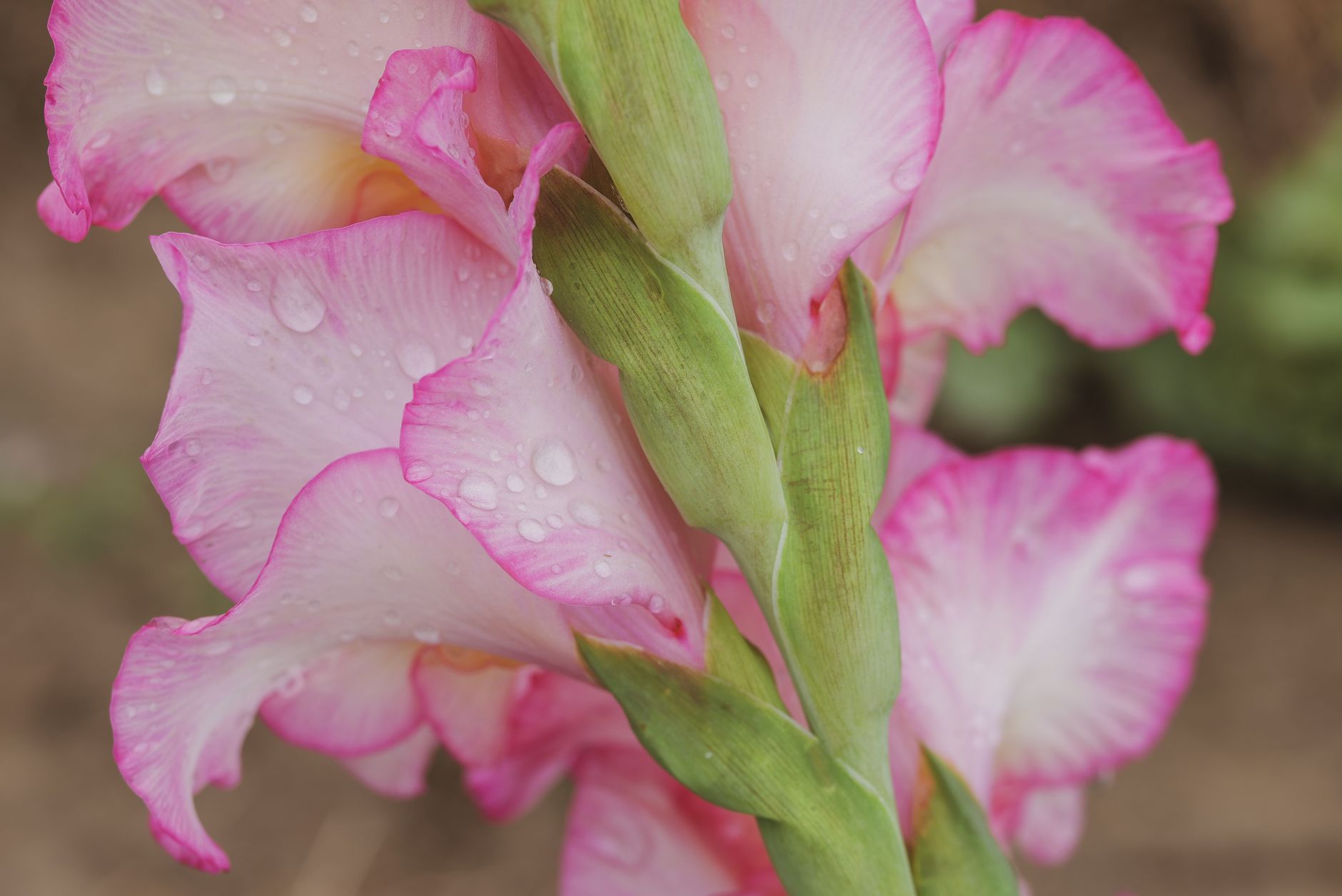
Grandiflora gladiolus are the most common type. They produce tall spikes with large flowers in a wide range of colors. They grow 3-5 feet tall. Popular varieties include Priscilla and White Prosperity.
Miniature gladiolus grow 2-3 feet tall with smaller flowers. They are excellent for containers and smaller gardens. Popular varieties include Charming Beauty and Atom.
Butterfly gladiolus have ruffled, orchid-like flowers with distinctive markings. They are elegant and beautiful. Popular varieties include Green Star and Flevo.
Primulinus gladiolus have hooded flowers that are smaller and more delicate. They are excellent for naturalizing. Popular varieties include Primulina.
Gladiolus come in nearly every color including red, pink, purple, white, yellow, orange, green, and bicolors. Choose based on your color palette.
Select the Perfect Planting Location
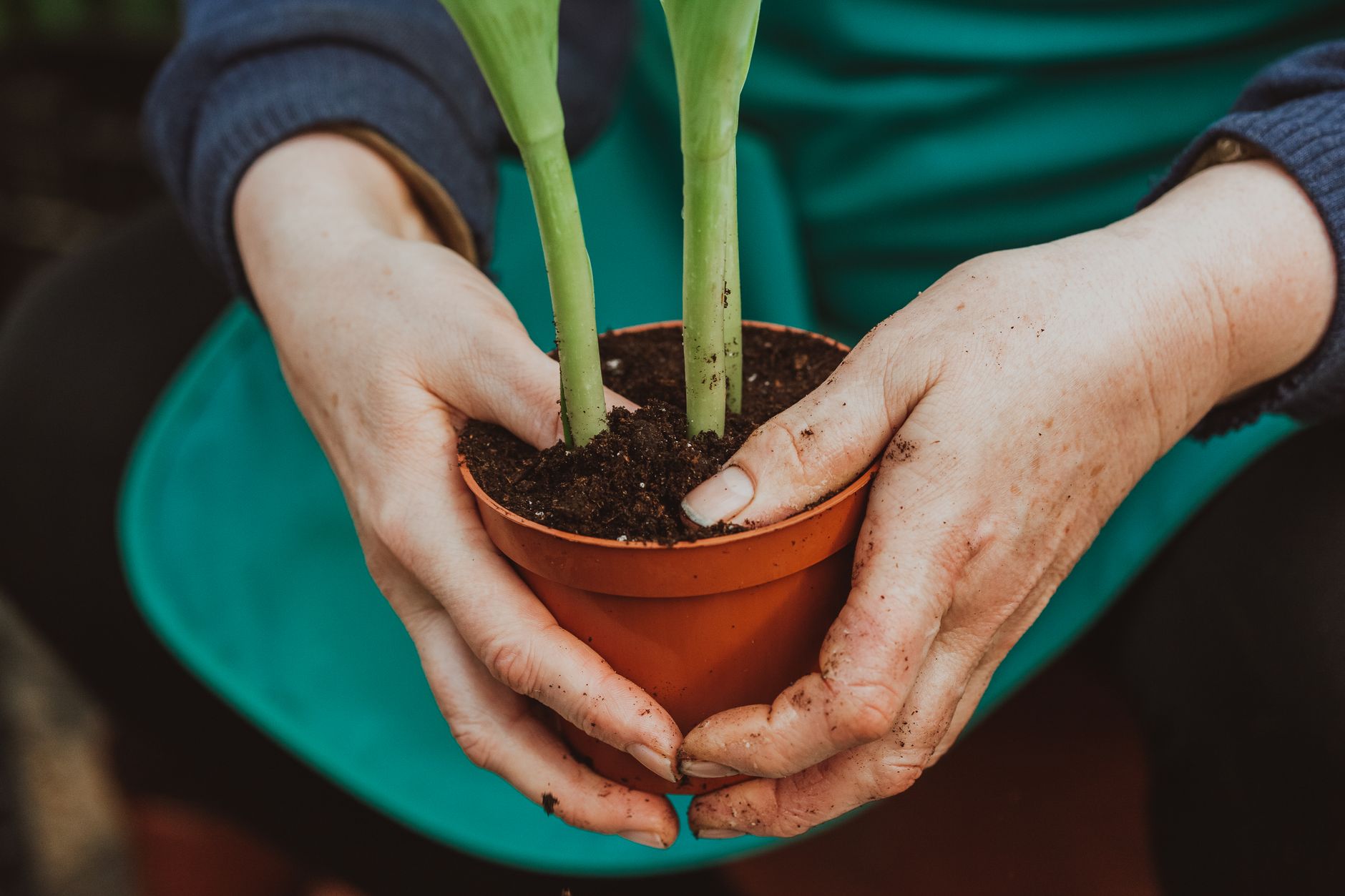
Gladiolus need full sun. They require at least 6-8 hours of direct sunlight daily for the best blooms and strongest stems.
Good drainage is essential. Gladiolus rot in wet, poorly drained soil. If you have clay soil, amend with compost and coarse sand or plant in raised beds.
They are adaptable to a wide range of soil types but prefer well-draining, fertile soil.
Plant in a location sheltered from strong winds. Tall spikes can be damaged by wind.
Gladiolus are excellent for cut flower gardens, borders, and cutting gardens. They add vertical interest to any planting.
Plant Gladiolus at the Right Time and Depth
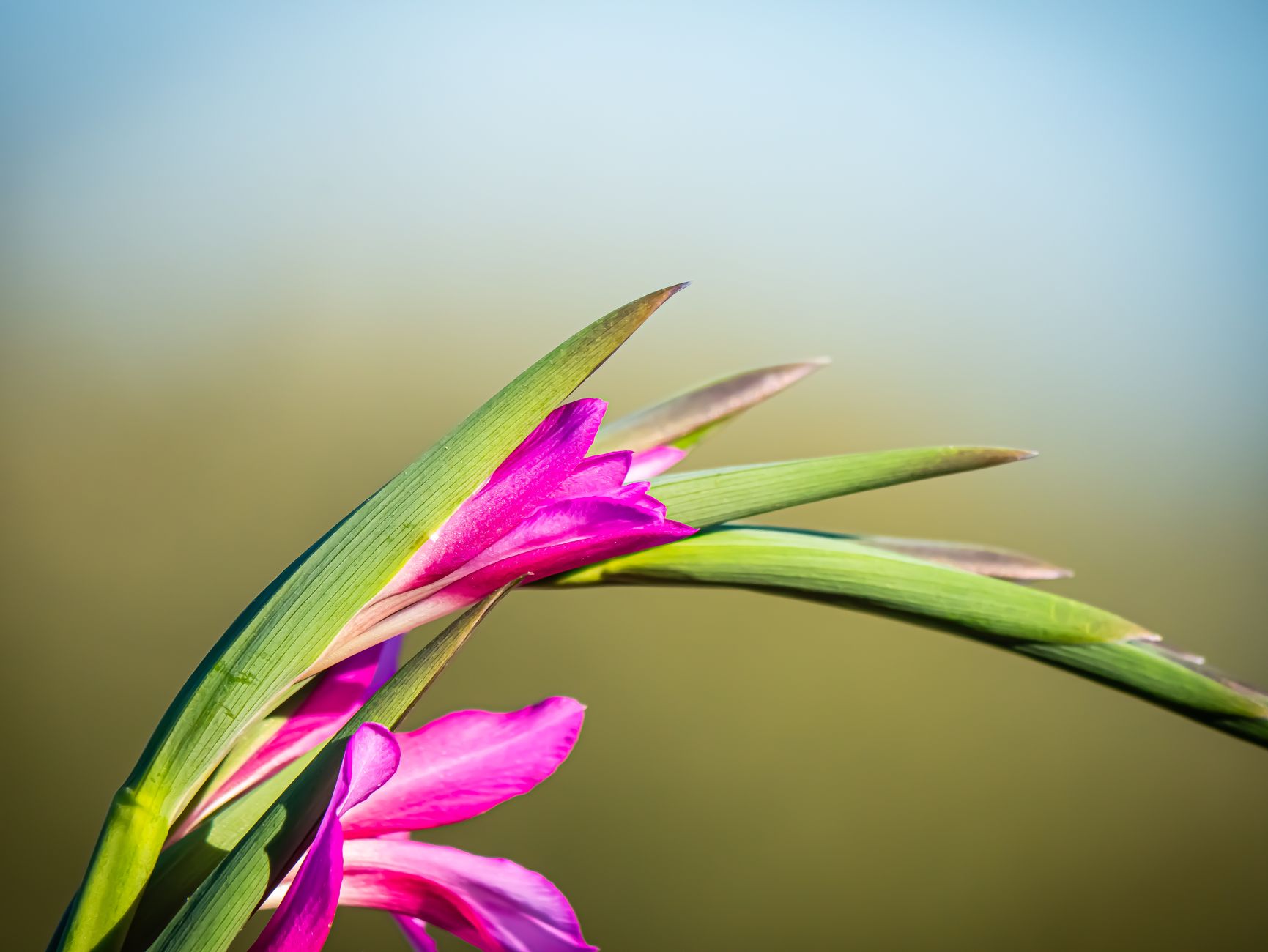
Plant gladiolus corms in spring after the last frost, when the soil temperature has reached 60°F. In most zones, this is April to May.
Plant corms 4-6 inches deep. In heavy soil, plant shallower (4 inches). In sandy soil, plant deeper (6 inches).
Plant with the pointed end facing up and the flat, basal plate facing down.
If you are not sure which end is up, plant the corm on its side. The plant will find its way up.
Space corms 4-6 inches apart. For rows, space rows 12-18 inches apart.
Water well after planting to settle the soil around the corms.
Stagger Planting for Continuous Blooms
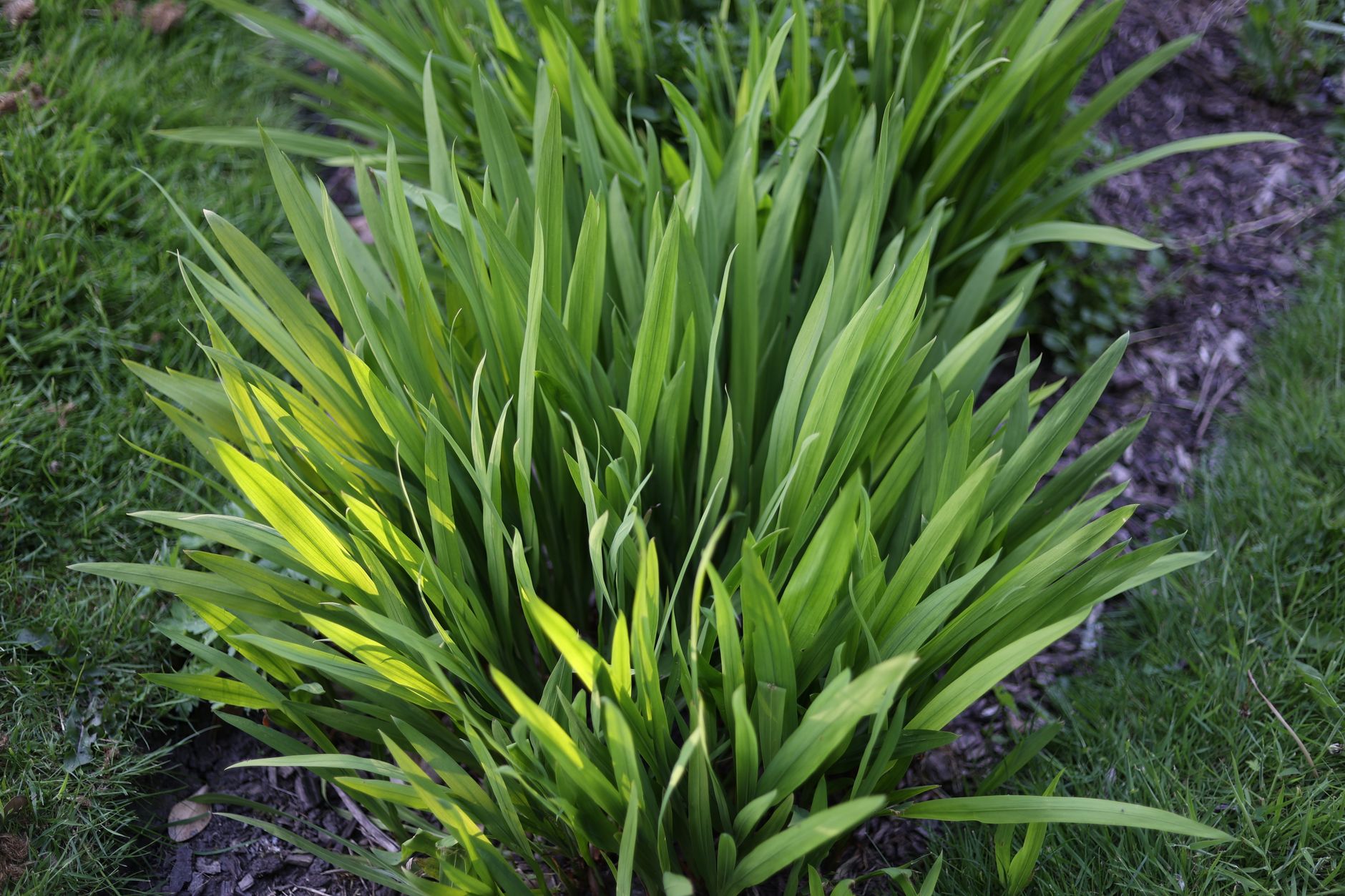
Gladiolus bloom 60-100 days after planting, depending on the variety. Stagger planting to extend the blooming season.
Plant a new batch of corms every 2-3 weeks from spring to early summer. This gives you continuous blooms from mid-summer to fall.
Plant early, mid, and late-season varieties for the longest display.
In warm climates, you can plant until mid-summer for fall blooms.
Staggered planting is especially useful for cut flower production.
Water and Fertilize Gladiolus
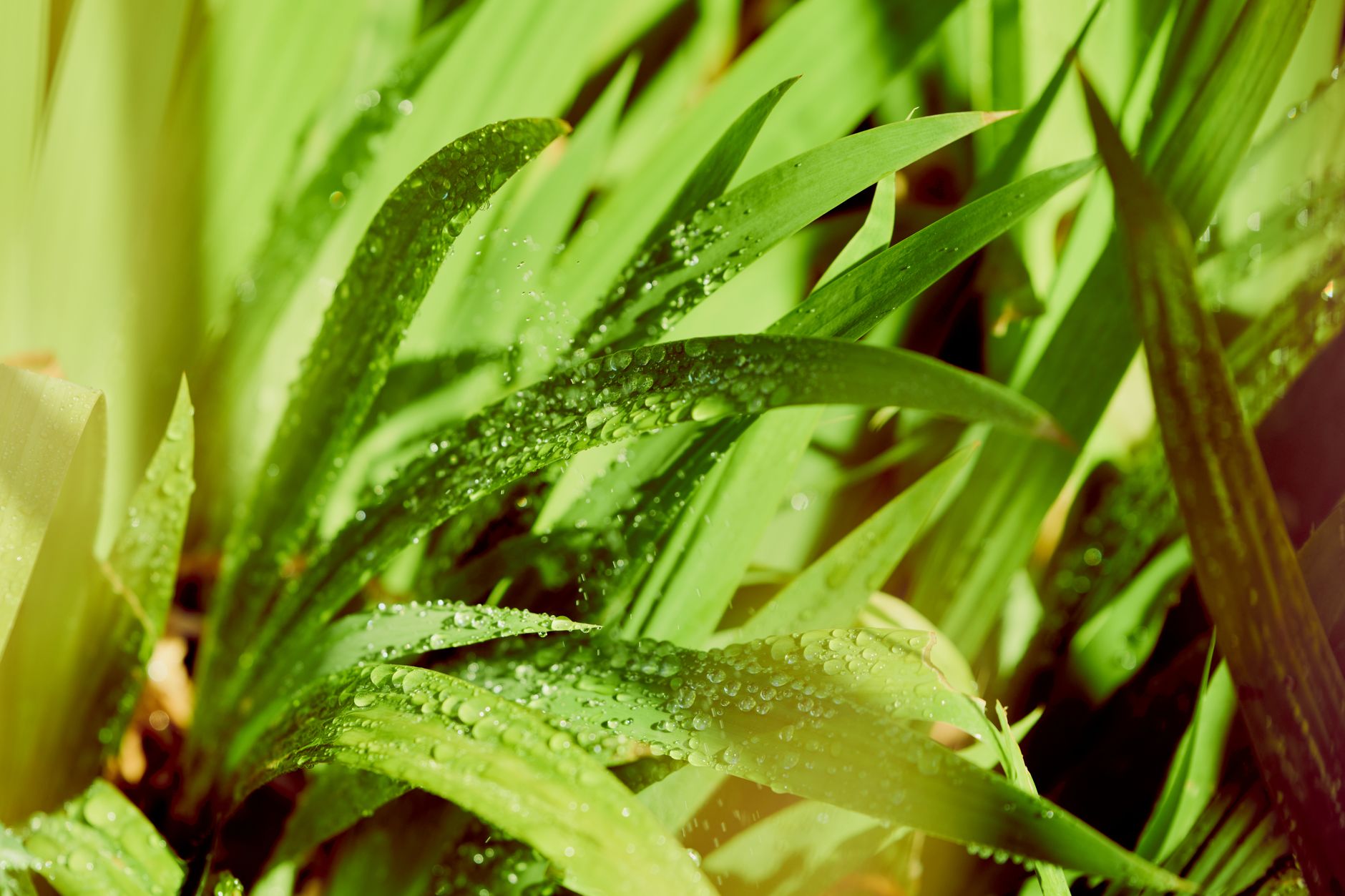
Water gladiolus deeply once a week, providing about 1 inch of water. In hot, dry weather, water twice a week.
Water at the base of the plant, not overhead, to prevent fungal diseases.
Apply a 2-inch layer of mulch around the plants. This retains moisture, keeps roots cool, and suppresses weeds.
Fertilize with a balanced fertilizer like 10-10-10 at planting time. Apply a second light feeding when the flower spikes begin to emerge.
Avoid high-nitrogen fertilizers. Too much nitrogen causes lush foliage at the expense of flowers.
Support Tall Gladiolus
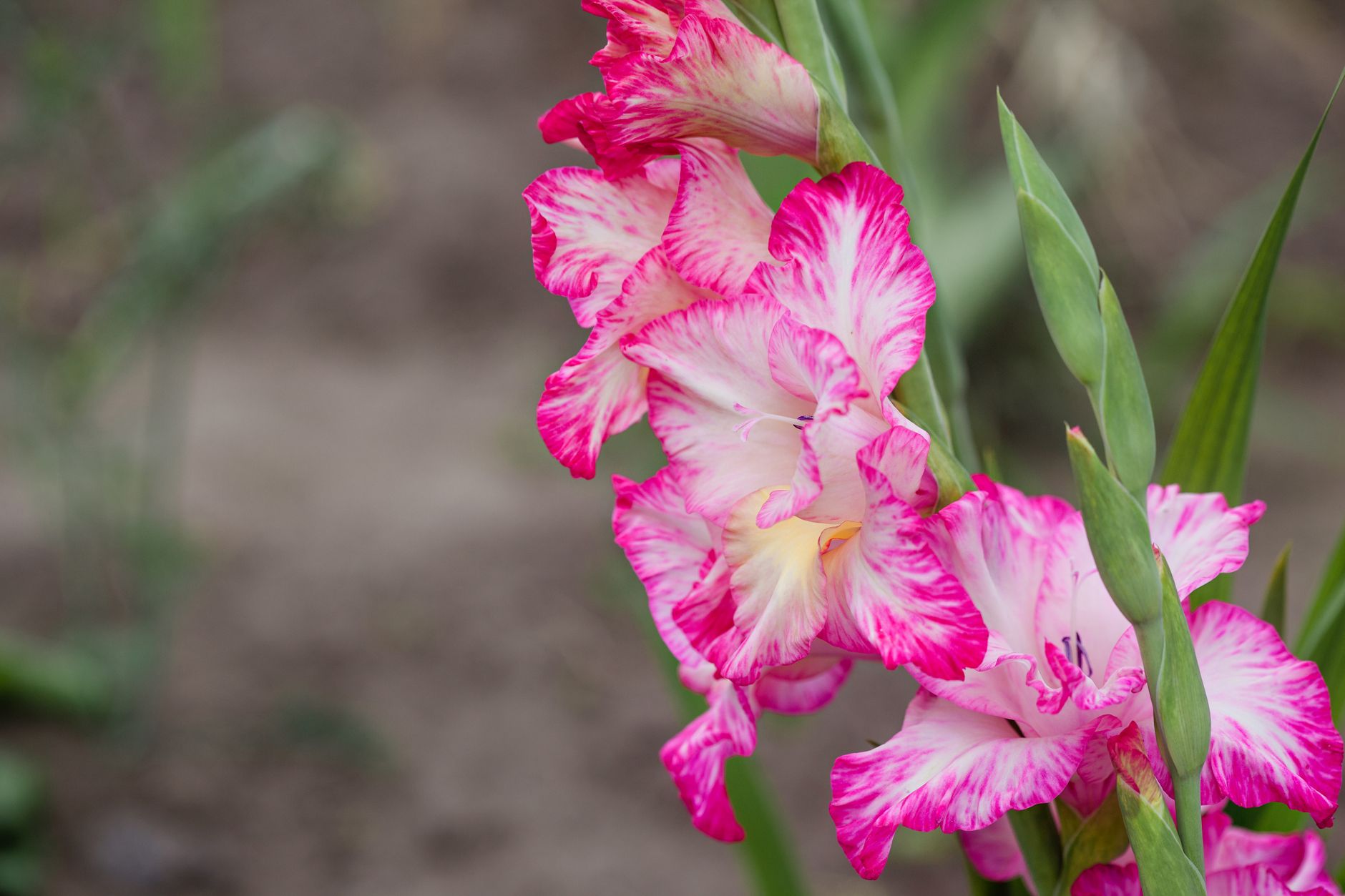
Tall gladiolus varieties (3-6 feet) need support to prevent them from flopping over, especially in wind.
Install stakes or plant supports when the plants are 6-12 inches tall. This prevents damage to the roots later.
Use bamboo stakes, metal rings, or a grid system for support.
Tie the stems loosely to the stakes with soft twine. Use a figure-eight knot that allows some movement.
Plant gladiolus in rows or blocks so they can support each other. This is called the 'leaning' effect.
In windy locations, plant them against a fence or wall for natural protection.
Harvest Gladiolus for Cut Flowers
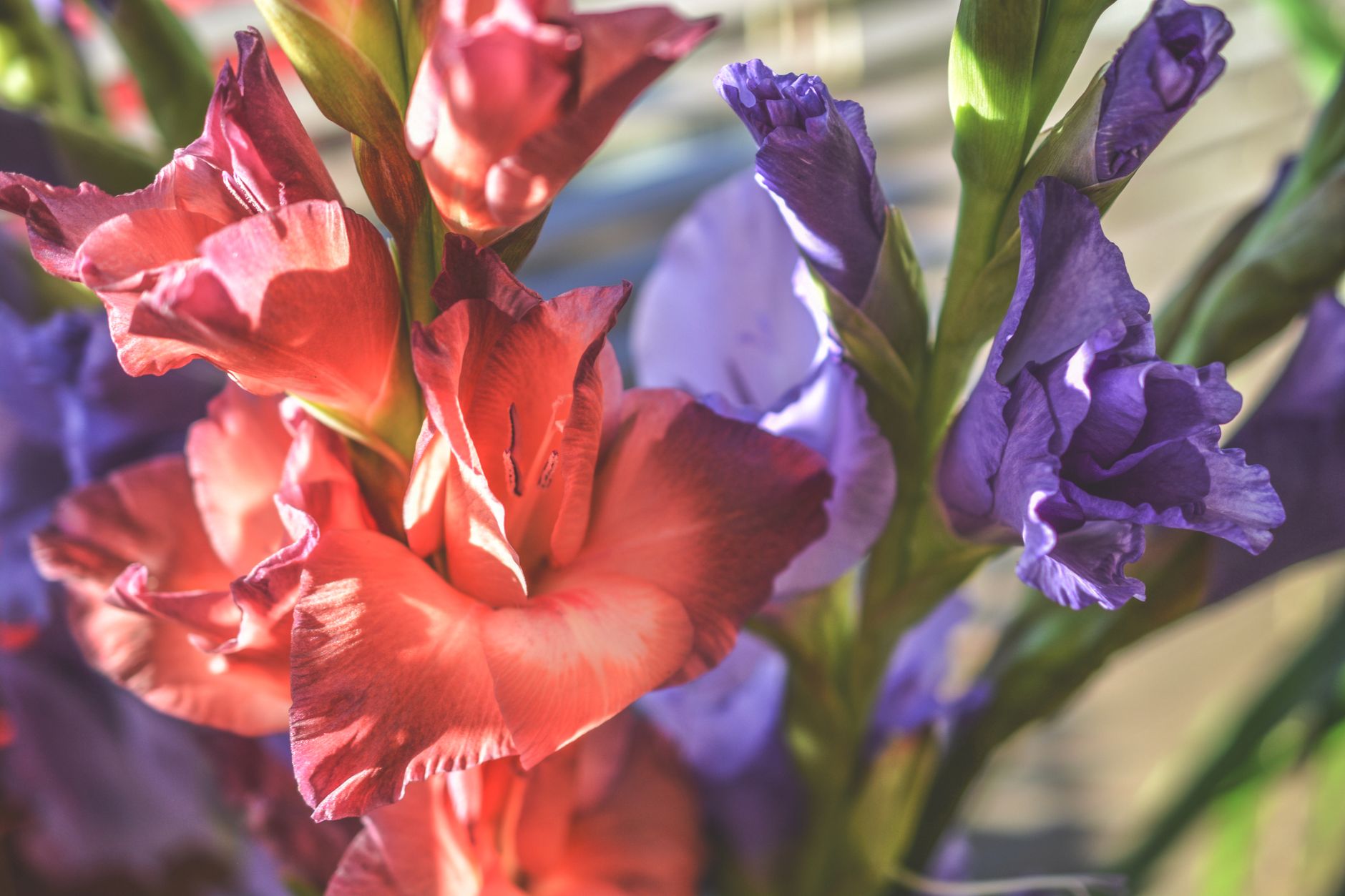
Cut gladiolus spikes for bouquets when the lowest 2-3 buds have opened. The upper buds will continue to open in the vase.
If you wait too long, the flowers will not last as long in the vase.
Harvest in the early morning when the flowers are fully hydrated.
Cut stems at a 45-degree angle with sharp pruners. Cut the stem at an angle, leaving 2-3 leaves on the plant to continue photosynthesizing.
Remove all lower leaves and place the stems immediately in a bucket of lukewarm water.
Change vase water every 2 days and re-cut stems at a 45-degree angle each time. This extends vase life to 7-10 days.
Gladiolus spikes add height and drama to arrangements.
Overwinter Gladiolus Corms
Gladiolus are not hardy in freezing climates. In Zones 3-7, dig up and store the corms indoors over winter.
Dig up the corms after the first hard frost has killed the foliage. Cut the stems back to 2-3 inches.
Gently lift the corms with a garden fork. Shake off excess soil and let them dry in a warm, dry, well-ventilated area for 1-2 weeks.
After drying, remove the old, shriveled corm from the bottom of the new corm. This is the mother corm that has been used up.
Store the corms in paper bags, cardboard boxes, or mesh bags in a cool (40-50°F), dry, frost-free location.
Check corms periodically over winter. Discard any that are rotting or shriveling.
In spring, plant the corms again after the last frost.
Common problems and fixes
| Problem | Likely cause | What to do |
|---|---|---|
| Corms are rotting in the ground. | Planting too early in cold soil or poor drainage. | Wait until soil warms to 60°F. Improve drainage with compost and sand. |
| Plants are flopping over. | Tall variety with no support. | Stake plants or plant them close together for mutual support. |
| Flowers are small and sparse. | Not enough sun, over-fertilizing with nitrogen, or overcrowding. | Ensure 6-8 hours of sun. Reduce nitrogen fertilizer. Space plants properly. |
| Corms are shriveling in storage. | Storage location is too dry. | Add a slightly damp paper towel to the storage container. Do not make it wet. |
Gardener's checklist
Test what you learned
How deep should you plant gladiolus corms?
Answer: 4-6 inches
How often should you stagger gladiolus planting?
Answer: Every 2-3 weeks
When should you harvest gladiolus for cut flowers?
Answer: When lower buds begin to open
What should you do with gladiolus in cold climates?
Answer: Dig up and store indoors
Common questions
How long do gladiolus bloom?
Each gladiolus spike blooms for 1-2 weeks. By staggering plantings every 2-3 weeks, you can have continuous blooms from mid-summer to fall for 2-3 months.
Can I grow gladiolus in containers?
Yes. Choose miniature or shorter varieties. Use a container at least 12-14 inches deep with drainage holes. Use well-draining potting mix. Plant corms 4-6 inches deep and 4 inches apart. Water and fertilize regularly.
How tall do gladiolus grow?
It depends on the variety. Miniature gladiolus grow 2-3 feet tall. Grandiflora (standard) gladiolus grow 3-5 feet tall. Some giant varieties can reach 6 feet.
When should I plant gladiolus for fall blooms?
In warm climates, you can plant corms in mid-summer (July) for fall blooms. In cold climates, plant early enough to allow 60-100 days of growth before the first frost.
Can I leave gladiolus in the ground over winter?
Only in warm climates without freezing temperatures (Zones 8-10). In colder climates (Zones 3-7), corms will freeze and die. They must be dug up and stored indoors for winter.
Gladiolus are stunning, vertical flowers that add drama and color to any garden. They are easy to grow from corms planted in spring after the last frost, when the soil has warmed to 60°F. Plant them 4-6 inches deep with the pointed end up, in a sunny location with well-draining soil. Stagger planting every 2-3 weeks for continuous blooms from summer to fall. Stake tall varieties to prevent flopping, and harvest cut flowers when the lower buds begin to open for the longest vase life. In cold climates, dig up and store corms indoors for winter. With proper care, gladiolus will reward you with spectacular vertical color that is perfect for cut flowers and garden displays.
Frequently asked questions
How often should a vegetable garden be watered?
Frequency depends on weather, soil and plant size. Check the soil rather than watering on a rigid schedule.
Is compost enough fertilizer?
Compost improves soil and provides nutrients slowly. Heavy-feeding crops may still need additional feeding.

The Sproutstead Editorial Team
We create clear, practical gardening and homesteading guides designed for real homes and beginner growers.
View author profile →

