
Daffodils are cheerful, long-lived spring bulbs that return year after year with minimal care. Plant daffodil bulbs in fall, 6-8 weeks before the ground freezes, at a depth of 6-8 inches (3 times the bulb height). Choose a location with full sun to part shade (6 hours minimum) and well-draining soil. Space bulbs 4-6 inches apart. Water well after planting and apply a layer of mulch. Daffodils bloom in early to mid-spring, depending on the variety. Allow foliage to die back naturally after blooming to store energy for next year. Daffodils are deer and rodent resistant, making them excellent for naturalizing and woodland gardens. With proper planting, they will multiply and bloom for decades.
What you will need
Choose the Right Daffodil Varieties
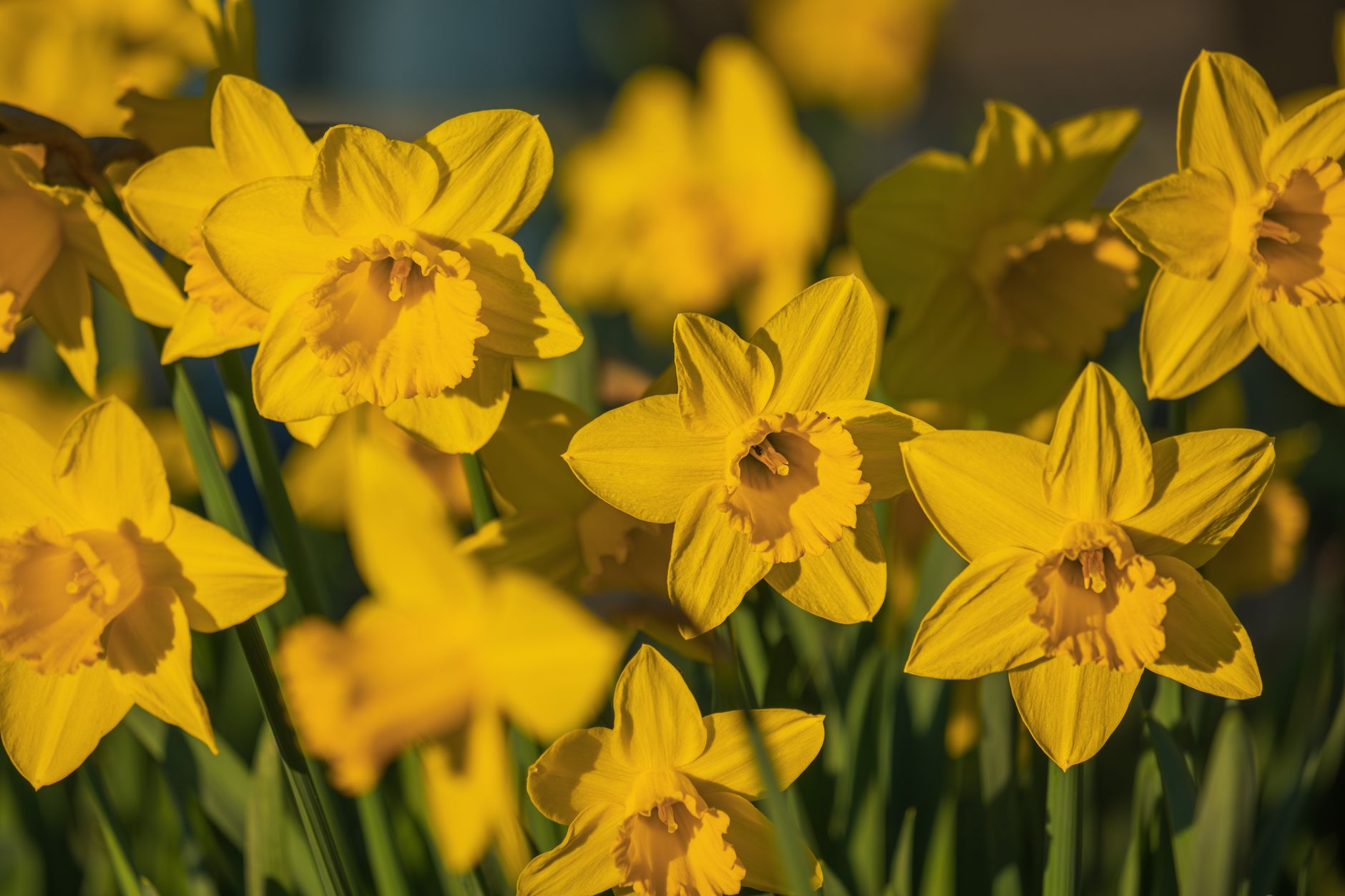
Trumpet daffodils have large, trumpet-shaped cups that are as long as or longer than the petals. They are classic and iconic. Popular varieties include King Alfred and Dutch Master.
Large-cupped daffodils have cups that are longer than the petals. They are the most common type and come in many colors. Popular varieties include Carlton and Ice Follies.
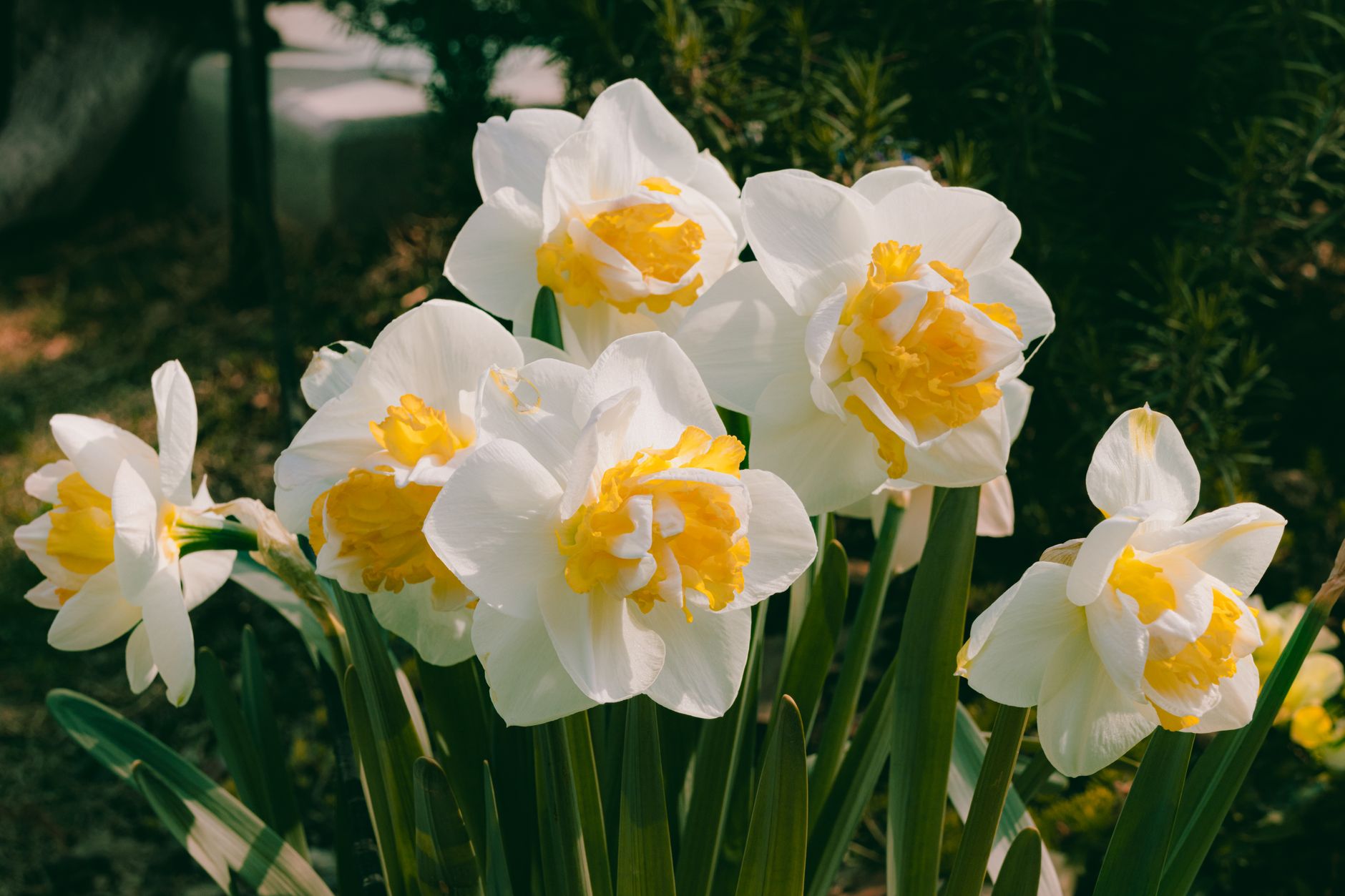
Double daffodils have multiple layers of petals, resembling peonies. They are stunning and long-lasting. Popular varieties include Tahiti and Cheerfulness.
Small-cupped daffodils have cups that are shorter than the petals. They are delicate and elegant. Popular varieties include Barrett Browning.
Miniature daffodils grow 6-10 inches tall and are perfect for rock gardens, containers, and front of borders. Popular varieties include Tete-a-Tete.
Daffodils come in yellow, white, orange, pink, and bicolors. Choose based on your garden style.
Select the Perfect Planting Location
Daffodils prefer full sun to part shade. They need at least 6 hours of direct sunlight for the best blooms.
Good drainage is essential. Daffodils rot in wet, poorly drained soil. If you have clay soil, amend with compost and coarse sand or plant in raised beds.
They are adaptable to a wide range of soil types but prefer well-draining, fertile soil.
Daffodils are excellent for naturalizing in lawns, woodland gardens, borders, and containers.
They are deer and rodent resistant because they contain toxic alkaloids. This makes them excellent for areas with deer pressure.
Plant Daffodils at the Right Time and Depth

Plant daffodil bulbs in fall, 6-8 weeks before the ground freezes. In most zones, this is September to October.
Plant at a depth of 6-8 inches, or 3 times the height of the bulb. A 2-inch bulb goes 6 inches deep.
Plant with the pointy end facing up and the flat, hairy end facing down. The pointy end is where the stem and leaves will emerge.
If you are not sure which end is up, plant the bulb on its side. The plant will find its way up.
Space bulbs 4-6 inches apart. For naturalizing, space them further apart (6-8 inches).
Water well after planting to settle the soil around the bulbs.
Water and Care for Daffodils

Water daffodils thoroughly after planting to settle the soil around the bulbs.
After that, daffodils need minimal water. They are dormant in summer and do not need water during that time.
Water during dry spells in spring when the foliage is growing and buds are forming.
Apply a 2-3 inch layer of mulch after planting. This protects bulbs from temperature fluctuations and suppresses weeds.
Fertilize with bone meal or a bulb fertilizer at planting time. Repeat in early spring when growth emerges.
Allow Foliage to Die Back Naturally

After daffodils bloom, deadhead the spent flowers by removing the flower head. Cut the stem back to the first set of leaves.
Do not cut the foliage back until it has turned yellow and withered. This usually takes 6-8 weeks after blooming.
The leaves photosynthesize and store energy in the bulb for next year's growth. Cutting them early weakens the bulb.
If you planted daffodils in a lawn, do not mow until the foliage has died back naturally.
Once the foliage has turned completely yellow, you can cut it back to the ground.
Naturalize Daffodils in Lawns and Woodlands

Daffodils are excellent for naturalizing in lawns, meadows, and woodland gardens. They multiply over time, creating larger drifts of color.
To naturalize, scatter bulbs randomly and plant them where they land. This creates a natural, woodland effect.
Plant in drifts of 10-25 bulbs for the best visual impact.
Choose varieties that naturalize well like Tete-a-Tete, Carlton, and Ice Follies.
Do not mow naturalized areas until the foliage has died back completely.
Daffodils will continue to multiply and naturalize for decades with minimal care.
Divide Daffodils When Overcrowded

Daffodils multiply over time and may become overcrowded. When flowering declines, it is time to divide.
Dig up the bulbs in late summer or early fall, after the foliage has completely died back.
Gently separate the bulbs. Replant the largest bulbs at the recommended depth and spacing.
The smaller bulbs can be planted in a separate area to grow and mature.
Dividing rejuvenates the plants and restores vigor.
Daffodils can be left undisturbed for 5-10 years before division is needed.
Avoid Common Daffodil Problems

Bulb rot occurs in poorly drained soil. Ensure good drainage and do not overwater.
Narcissus bulb fly can damage bulbs. Remove affected bulbs and dispose of them in the trash.
Slugs and snails can eat daffodil leaves. Use beer traps or diatomaceous earth to control them.
Daffodils are deer and rodent resistant, making them a good choice for gardens with wildlife pressure.
To prevent disease, avoid overcrowding and provide good air circulation.
Common problems and fixes
| Problem | Likely cause | What to do |
|---|---|---|
| Daffodils did not bloom. | Planted too shallow, too much shade, or foliage cut too early. | Plant at 6-8 inches deep. Ensure 6 hours of sun. Allow foliage to die back naturally. |
| Leaves are yellowing before blooming. | Nutrient deficiency or bulb disease. | Fertilize with bone meal or bulb fertilizer. Remove and discard affected bulbs. |
| Bulbs are not multiplying. | Overcrowding or poor soil. | Divide bulbs. Add compost to improve soil fertility. |
| Flowers are small and weak. | Overcrowding or nutrient deficiency. | Divide bulbs. Fertilize with bone meal or bulb fertilizer. |
Gardener's checklist
Test what you learned
How deep should you plant daffodil bulbs?
Answer: 6-8 inches
When should you plant daffodil bulbs?
Answer: Fall
What should you do after daffodils have bloomed?
Answer: Deadhead but leave foliage to die back
Are daffodils deer resistant?
Answer: Yes
Common questions
How long do daffodils bloom?
Daffodils bloom for 2-4 weeks in spring, depending on the variety. Early, mid, and late varieties extend the blooming season from March to May.
Can I grow daffodils in containers?
Yes. Choose miniature varieties for containers. Use a container with drainage holes and well-draining potting mix. Plant bulbs at the same depth and spacing as in the ground. Protect from freezing in winter.
Why are my daffodils not blooming?
The most common reasons are planting too shallow, too much shade, or cutting the foliage too early. Ensure 6 inches depth, 6 hours of sun, and allow foliage to die back naturally.
Can I plant daffodils in a lawn?
Yes. Daffodils are excellent for naturalizing in lawns. Plant bulbs in drifts. Do not mow until the foliage has turned yellow (6-8 weeks after blooming).
Are daffodils toxic to pets?
Yes. Daffodils contain toxic alkaloids that are harmful to dogs, cats, and other pets. Keep them out of reach. This toxicity is also what makes them deer and rodent resistant.
Daffodils are cheerful, long-lived spring bulbs that bring joy and color to the garden after the long winter. They are easy to grow, deer and rodent resistant, and return year after year with minimal care. Plant bulbs in fall at a depth of 6-8 inches, with the pointy end up. Choose a sunny location with well-draining soil. After blooming, deadhead the spent flowers but allow the foliage to die back naturally to store energy for next year. Daffodils naturalize beautifully in lawns and woodlands, multiplying over time to create stunning drifts of color. With proper planting and care, they will reward you with decades of cheerful spring blooms that are the highlight of the season.
Frequently asked questions
How often should a vegetable garden be watered?
Frequency depends on weather, soil and plant size. Check the soil rather than watering on a rigid schedule.
Is compost enough fertilizer?
Compost improves soil and provides nutrients slowly. Heavy-feeding crops may still need additional feeding.

The Sproutstead Editorial Team
We create clear, practical gardening and homesteading guides designed for real homes and beginner growers.
View author profile →

