
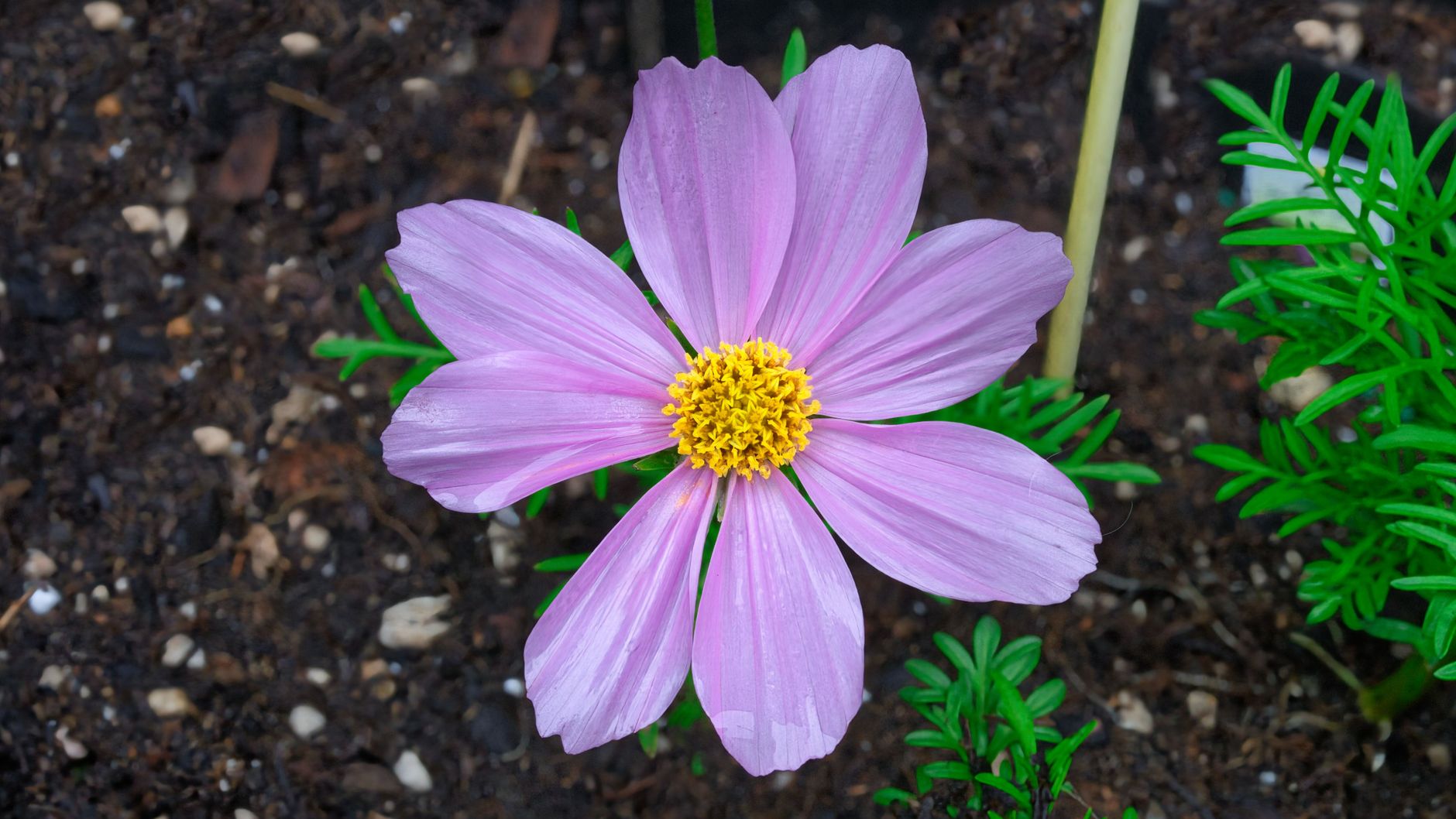
Cosmos are easy-to-grow annuals that produce airy, daisy-like flowers in shades of pink, white, purple, orange, and yellow. Plant seeds directly in the garden in spring after the last frost. Choose a location with full sun (6-8 hours) and well-draining soil. Plant seeds 1/4 inch deep and space them 12-18 inches apart. Water regularly until established, then cosmos are drought-tolerant. Deadhead spent flowers for continuous blooms. Pinch back young plants to encourage branching. Cosmos are excellent for cut flowers and attract bees, butterflies, and birds. With minimal care, they bloom from early summer until the first frost.
What you will need
Choose the Right Cosmos Varieties
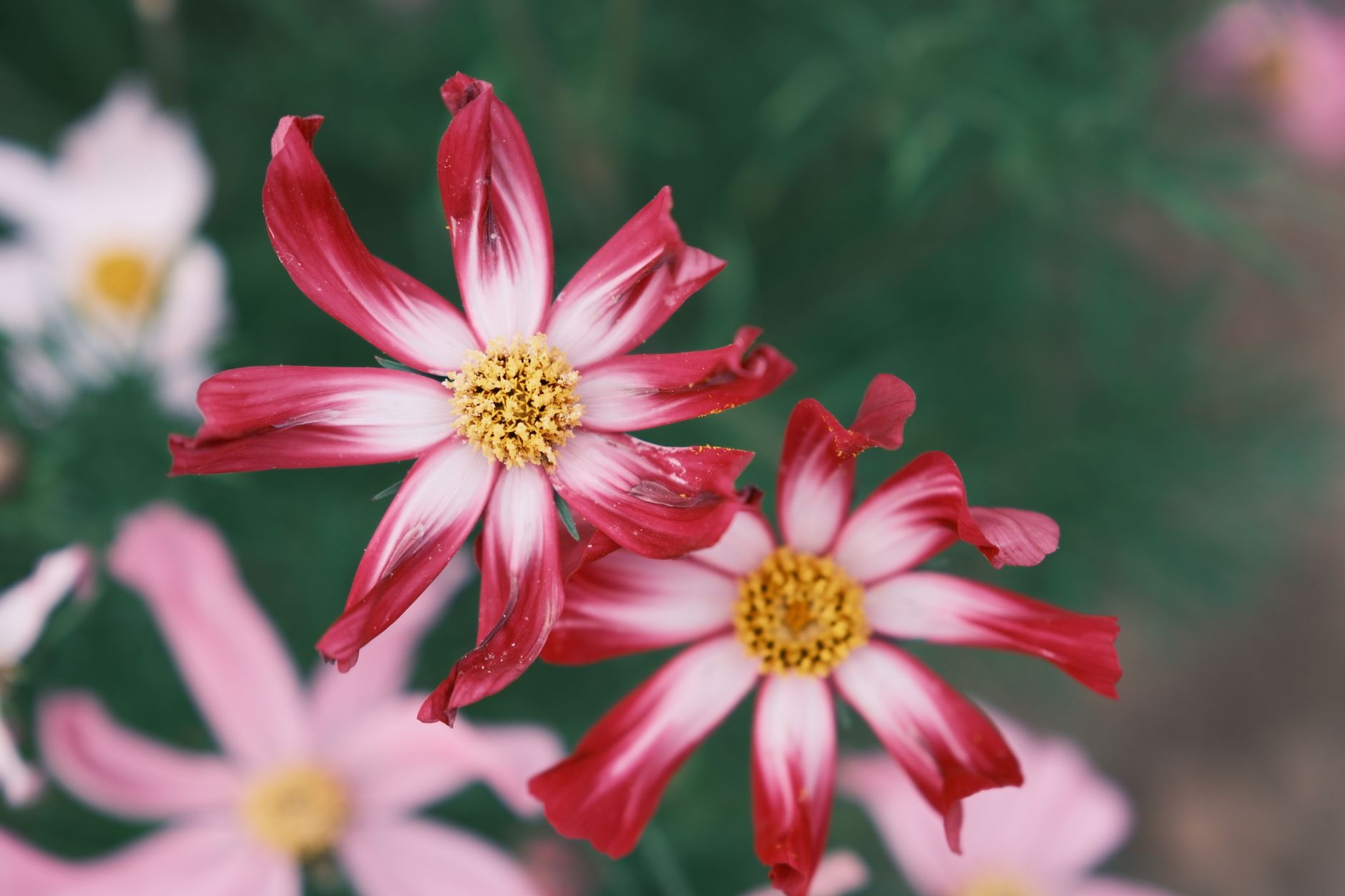
Cosmos bipinnatus is the most common species, with feathery foliage and single or double flowers in pink, white, purple, and bicolors. They grow 24-48 inches tall. Popular varieties include Sensation and Purity.
Cosmos sulphureus has bright orange, yellow, and red flowers with slightly different foliage. They are more heat-tolerant and grow 12-36 inches tall. Popular varieties include Bright Lights and Cosmic Orange.
Dwarf cosmos grow 12-18 inches tall and are perfect for containers, borders, and small gardens. Popular varieties include Sonata and Seashells.
Double-flowered cosmos have ruffled, fully double blooms that resemble dahlias. They are excellent for cut flowers. Popular varieties include Double Click and Rose Bonbon.
Cosmos come in a wide range of colors including pink, white, purple, orange, yellow, red, and bicolors. Choose based on your color palette.
Select the Perfect Planting Location

Cosmos need full sun. They require at least 6-8 hours of direct sunlight daily for the best blooms and strongest stems.
Well-draining soil is important. Cosmos can tolerate poor soil but do not like wet feet. They will rot in poorly drained soil.
Cosmos are adaptable to a wide range of soil types but prefer average, well-draining soil. They do not need rich soil and actually perform better in poorer soil.
Plant in a location where you can enjoy the flowers. Cosmos are excellent in borders, cutting gardens, cottage gardens, and meadow plantings.
Tall varieties may need protection from strong winds. Plant them near a fence, wall, or other plants for support.
Plant Cosmos at the Right Time
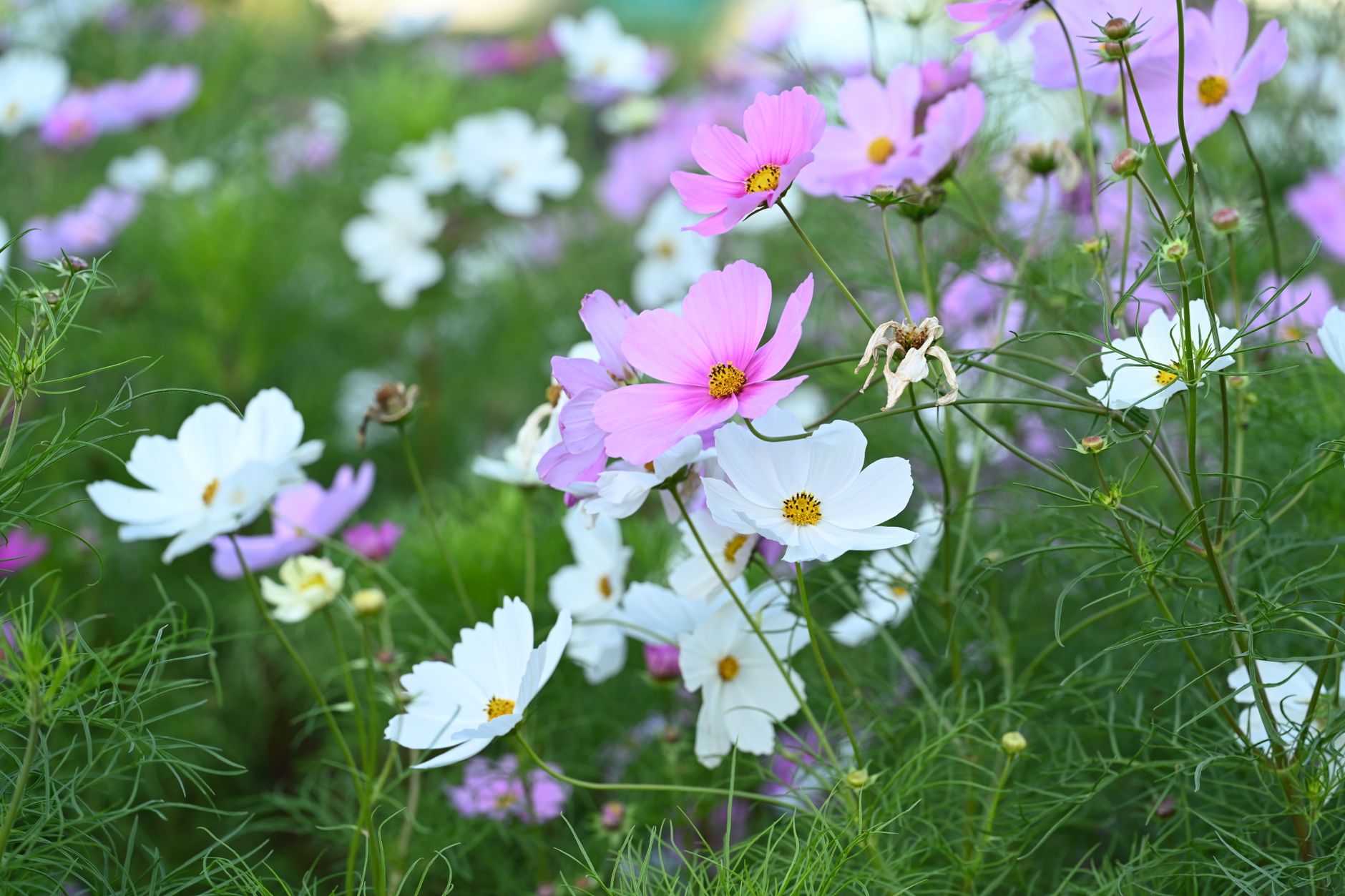
Plant cosmos seeds directly in the garden in spring after the last frost. The soil temperature should be at least 60°F for best germination.
Do not start cosmos too early indoors because they grow quickly and transplant easily. Direct sowing is simpler and produces stronger plants.
For a longer bloom season, plant seeds every 2-3 weeks until early summer. This is called succession planting and gives you continuous blooms.
Seeds germinate in 7-21 days at 65-75°F.
In warm climates, you can also plant cosmos in late summer for fall blooms.
Plant Seeds at the Correct Depth and Spacing

Plant cosmos seeds 1/4 inch deep. Do not plant deeper than 1/2 inch because the seeds need light to germinate.
Space seeds 12-18 inches apart depending on the variety. Dwarf varieties need 12 inches, tall varieties need 18 inches.
Plant 2-3 seeds per hole and thin to the strongest seedling when they are 2-3 inches tall.
For rows, space plants 12-18 inches apart and rows 18-24 inches apart.
Water gently after planting to settle the soil around the seeds.
Water and Care for Cosmos
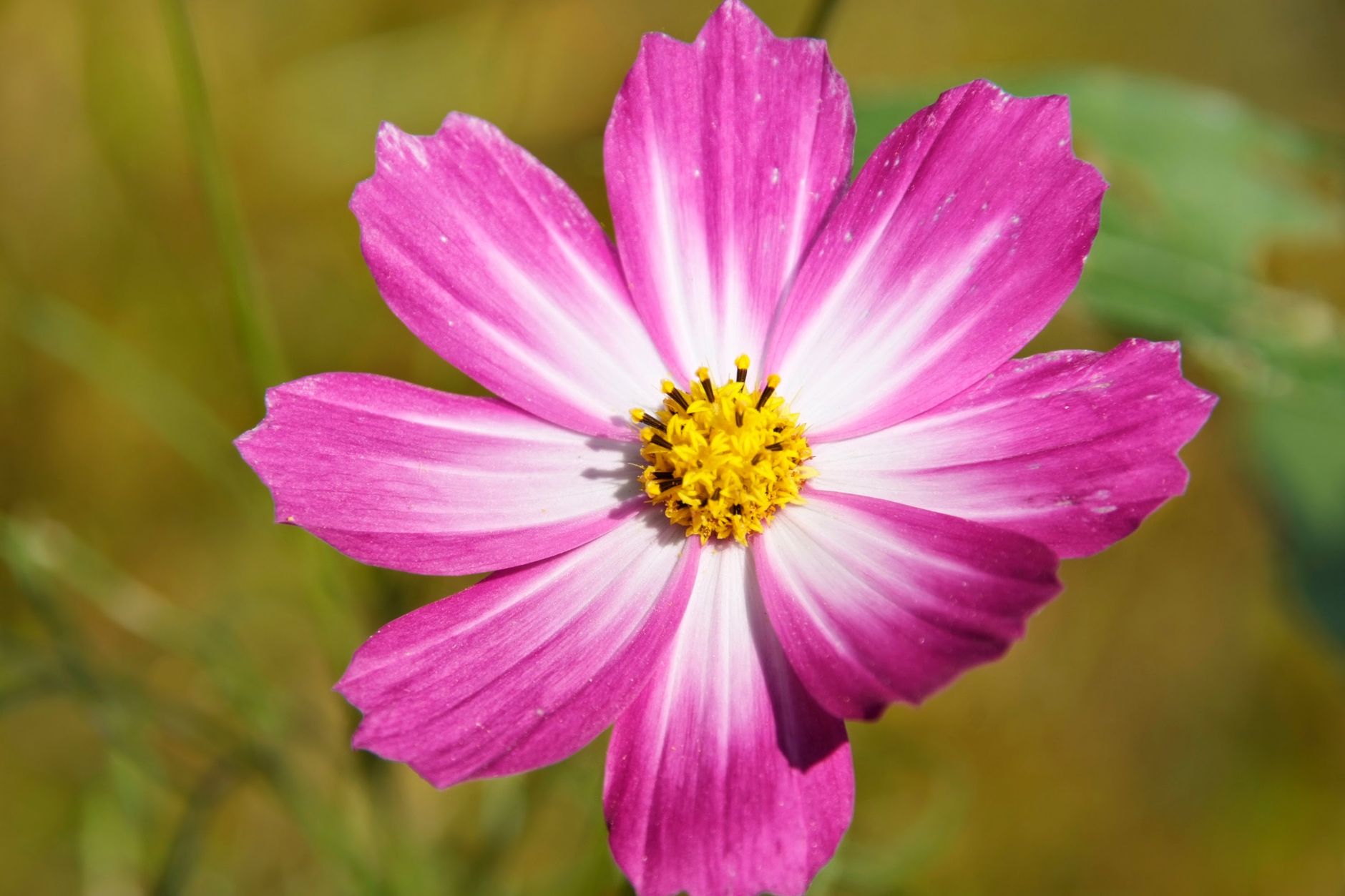
Water cosmos deeply once a week until they are established. After that, they are drought-tolerant and need water only during extended dry periods.
Water at the base of the plant, not overhead, to prevent fungal diseases.
Apply a 2-inch layer of mulch around the plants. This conserves moisture, keeps roots cool, and suppresses weeds.
Cosmos do not need much fertilizer. Too much fertilizer causes lush foliage at the expense of flowers. If the soil is poor, apply a light application of balanced fertilizer at planting time.
Avoid high-nitrogen fertilizers. Too much nitrogen causes leggy growth and fewer flowers.
Pinch and Deadhead for More Blooms

Pinch back young cosmos plants when they reach 6-8 inches tall. Remove the center growing tip just above a set of leaves. This encourages branching and produces more flowers.
Deadhead spent flowers regularly. Cut the stem just above the nearest set of leaves or side shoot. This redirects energy into producing more blooms.
If the plant becomes leggy in mid-summer, cut it back by one-third. It will regrow and produce a second flush of blooms in fall.
For cut flower production, harvest blooms frequently. The more you cut, the more the plant produces.
If you want to collect seeds, allow some flowers to go to seed at the end of the season.
Harvest Cosmos for Cut Flowers
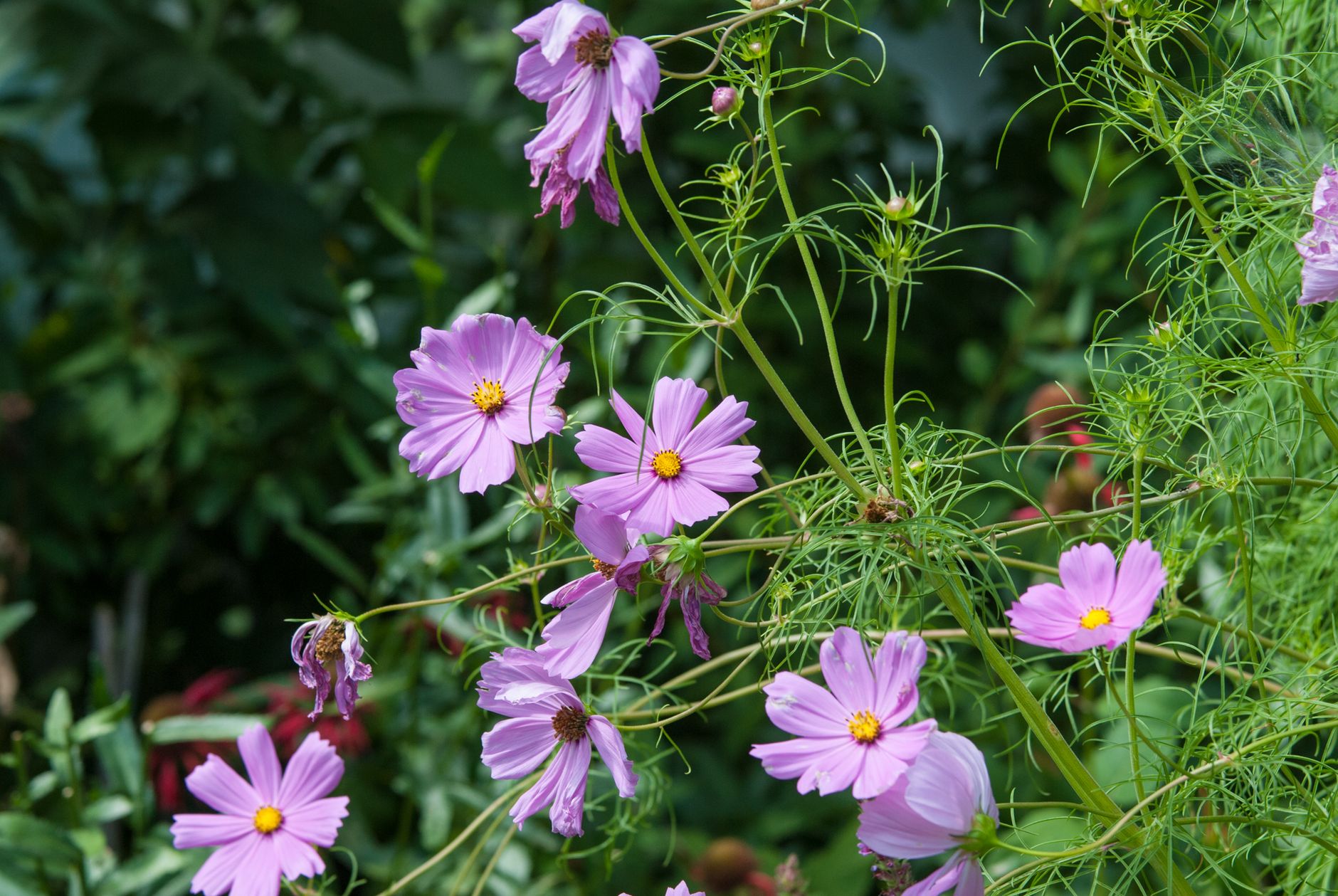
Cut cosmos for bouquets when the flowers are fully open. Cosmos continue to open after cutting, so you can also cut them when the buds show color.
Harvest in the early morning when the flowers are fully hydrated.
Cut stems at a 45-degree angle with sharp pruners. Cut stems longer than you need because you can always trim them shorter.
Remove all lower leaves and place the stems immediately in a bucket of lukewarm water.
Change vase water every 2 days and re-cut stems at a 45-degree angle each time. This extends vase life to 5-7 days.
Cosmos are airy and light, making them excellent for adding movement and texture to arrangements.
Avoid Common Cosmos Problems
Aphids can attack cosmos. Use insecticidal soap or neem oil to control them. A strong spray of water can dislodge them.
Powdery mildew can affect cosmos in humid conditions. Prevent it by providing good air circulation and watering at the base.
Fusarium wilt can cause yellowing and wilting. Remove infected plants and dispose of them in the trash, not compost.
Cosmos may become leggy and flop over if they receive too much nitrogen fertilizer. Reduce fertilizer and pinch back plants.
Tall varieties may need staking in windy locations. Use bamboo stakes or plant them close together for support.
Common problems and fixes
| Problem | Likely cause | What to do |
|---|---|---|
| Plants are tall and leggy with few flowers. | Too much shade or too much nitrogen fertilizer. | Move to a sunnier location. Reduce fertilizer. Pinch back plants. |
| Leaves have white powdery spots. | Powdery mildew from poor air circulation. | Improve spacing. Water at the base. Apply fungicide if needed. |
| Plants are flopping over. | Too much nitrogen or no support. | Reduce fertilizer. Stake tall plants or plant them close together. |
| Seeds are not germinating. | Soil too cold or seeds planted too deep. | Wait until soil warms to 60°F. Plant seeds 1/4 inch deep. |
Gardener's checklist
Test what you learned
How deep should you plant cosmos seeds?
Answer: 1/4 inch
How much sun do cosmos need?
Answer: 6-8 hours
What should you do to encourage more cosmos flowers?
Answer: Deadhead spent flowers
Do cosmos need rich soil?
Answer: No, they prefer poor soil
Common questions
How long do cosmos bloom?
Cosmos bloom from early summer until the first frost in fall. With regular deadheading, they will keep producing new flowers continuously for 3-4 months.
Are cosmos perennials?
Cosmos are annuals. They complete their life cycle in one season. However, they often self-seed and return the following year if allowed to go to seed.
Can I grow cosmos in containers?
Yes. Choose dwarf varieties for containers. Use a container with drainage holes and well-draining potting mix. Space plants 6-8 inches apart. Water regularly.
How tall do cosmos grow?
It depends on the variety. Dwarf varieties grow 12-18 inches tall. Standard varieties grow 24-48 inches tall. Tall varieties can reach 4-6 feet.
Do cosmos attract pollinators?
Yes. Cosmos are excellent for attracting bees, butterflies, and birds. The open flower shapes and bright colors are irresistible to pollinators.
Cosmos are airy, colorful annuals that bring charm and movement to the garden. They are easy to grow from seed, drought-tolerant, and bloom from early summer until the first frost. Plant them in full sun with well-draining soil, water until established, and they will thrive with minimal care. Pinch back young plants to encourage branching, deadhead spent flowers for continuous blooms, and harvest cut flowers frequently. Cosmos attract bees, butterflies, and birds, making them excellent for pollinator gardens. With their delicate, daisy-like flowers and feathery foliage, cosmos are a must-have for any summer garden.
Frequently asked questions
How often should a vegetable garden be watered?
Frequency depends on weather, soil and plant size. Check the soil rather than watering on a rigid schedule.
Is compost enough fertilizer?
Compost improves soil and provides nutrients slowly. Heavy-feeding crops may still need additional feeding.

The Sproutstead Editorial Team
We create clear, practical gardening and homesteading guides designed for real homes and beginner growers.
View author profile →

