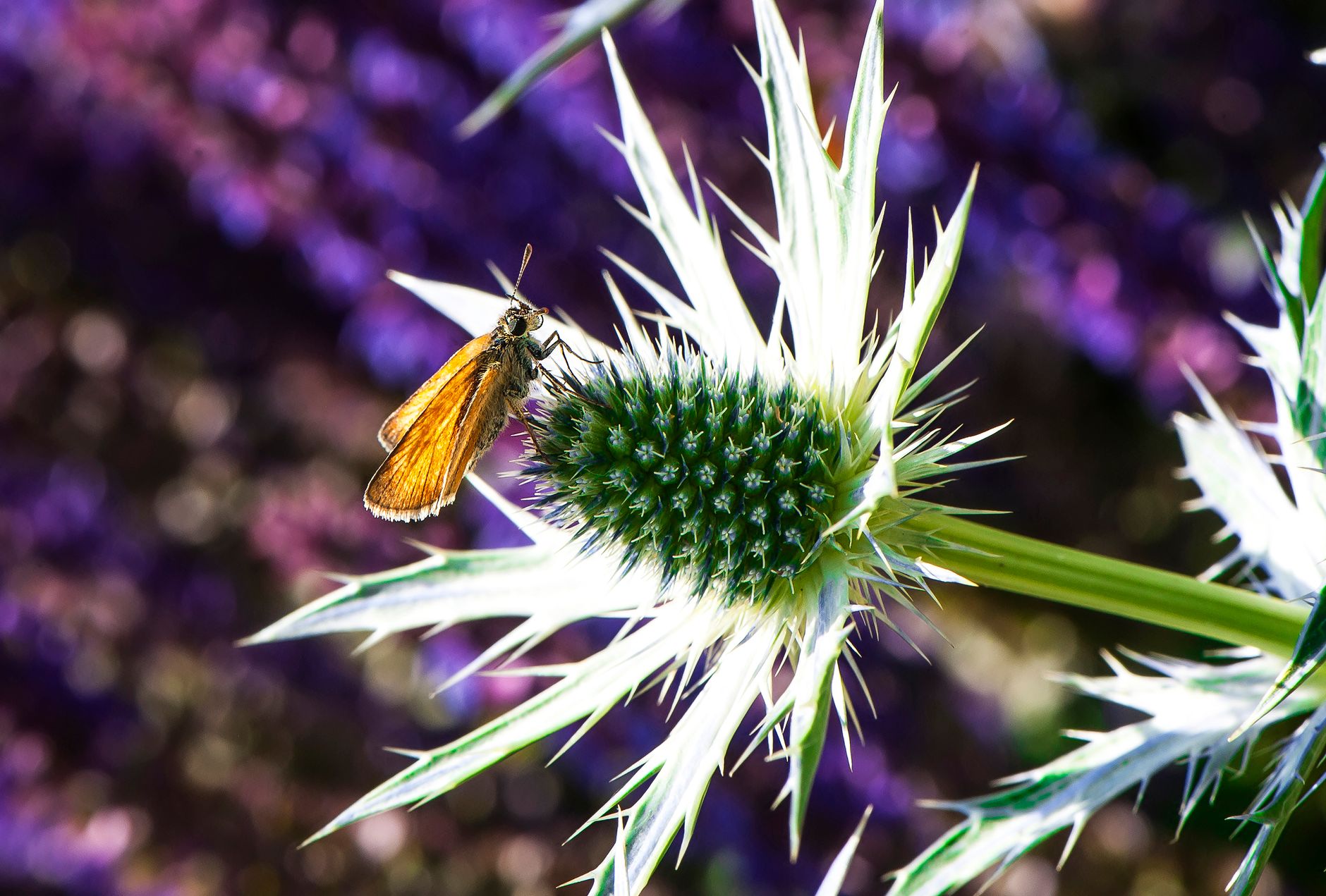
Native plants are species that naturally grow in your region. They are the best choice for supporting local pollinators because they have co-evolved with native insects and birds. Native plants provide the most nutritious nectar and pollen, serve as host plants for caterpillars, and are adapted to your climate and soil. Top native plants for pollinators include milkweed (for monarchs), coneflower, black-eyed susan, bee balm, goldenrod, aster, butterfly weed, and blazing star. Plant a mix of spring, summer, and fall bloomers for continuous food. Native plants are low-maintenance, drought-tolerant, and beautiful. By planting natives, you support declining pollinator populations and create a thriving ecosystem.
What you will need
Understand Why Native Plants Matter

Native plants are species that naturally grow in your region without human introduction. They have co-evolved with local pollinators over thousands of years.
Native plants provide the most nutritious nectar and pollen for native bees, butterflies, and other insects. Non-native plants often have less nutritious or inaccessible nectar.
Many native insects are specialists. They can only feed on specific native plants. For example, monarch caterpillars can only eat milkweed.
Native plants are adapted to your climate and soil. They need less water, fertilizer, and care than non-native plants.
Native plants support 3-4 times more native pollinators than non-native plants. They are the foundation of healthy ecosystems.
By planting natives, you support declining pollinator populations and create a thriving, resilient garden.
Choose Native Plants by Region

Northeast (Zones 3-6): Excellent choices include butterfly weed, New England aster, bee balm, coneflower, black-eyed susan, and wild bergamot.
Southeast (Zones 7-9): Good choices include coreopsis, gaillardia, passionflower, milkweed, salvia, and scarlet sage.
Midwest (Zones 4-6): Top choices include purple coneflower, black-eyed susan, blazing star, prairie dropseed, and wild indigo.
Southwest (Zones 8-10): Excellent choices include desert marigold, penstemon, salvia, agave, and yucca.
West Coast (Zones 8-10): Good choices include California poppy, lupine, manzanita, sage, and ceanothus.
Contact your local extension service or native plant society for specific recommendations for your area.
Include Top Native Plants for Pollinators

Milkweed is the essential host plant for monarch butterflies. It produces clusters of pink, orange, or white flowers and is a valuable nectar source for many pollinators. Hardy in Zones 3-9.
Coneflower is a classic native plant with large daisy-like flowers in pink, purple, white, and orange. It attracts bees, butterflies, and birds. Hardy in Zones 3-9.
Black-eyed Susan has cheerful yellow or orange flowers with dark centers. It is a favorite of bees and butterflies. Hardy in Zones 3-9.
Bee balm has unusual, shaggy flowers in red, pink, or purple. It attracts bees, butterflies, and hummingbirds. Hardy in Zones 4-9.
Goldenrod is a late-blooming plant that provides essential nectar for migrating monarchs and other fall pollinators. It is often blamed for allergies but is not the culprit (ragweed is). Hardy in Zones 3-9.
Aster is another late-blooming native that provides food for pollinators in fall. It comes in many colors including purple, blue, and white. Hardy in Zones 3-8.
Blazing star produces tall spikes of purple flowers that are magnets for butterflies and bees. Hardy in Zones 3-9.
Butterfly weed is a type of milkweed with bright orange flowers. It is a host plant for monarchs and a favorite of many pollinators. Hardy in Zones 3-9.
Include Host Plants for Caterpillars

Host plants are specific plants that butterflies and moths lay their eggs on. The caterpillars eat the leaves of these plants.
Monarch butterflies need milkweed. Plant several species of milkweed to support monarch populations.
Swallowtail butterflies need dill, fennel, parsley, or rue. Plant these herbs in your garden for black swallowtails.
Painted lady butterflies need thistle, hollyhock, or sunflower.
Sulphur butterflies need clover or alfalfa.
Include host plants in addition to nectar plants. A complete pollinator garden provides both.
Do not use pesticides on host plants. The caterpillars will be feeding on them.
Plan for Continuous Bloom from Spring to Fall

Spring bloomers provide early food for pollinators emerging from winter. Include plants like wild columbine, Virginia bluebells, and spring beauty.
Summer bloomers are the backbone of the pollinator garden. Coneflower, black-eyed susan, bee balm, and butterfly weed provide abundant nectar in summer.
Fall bloomers are essential for migrating monarchs and late-season pollinators. Goldenrod, asters, and blazing star provide food when many other plants have finished blooming.
Include a mix of early, mid, and late-season bloomers. This ensures pollinators have food throughout the growing season.
Choose plants with different flower shapes and colors to attract a variety of pollinators.
Plant Native Plants Correctly

Plant native plants in spring or fall when temperatures are mild. This gives roots time to establish before extreme weather.
Prepare the soil by removing weeds and adding a small amount of compost. Most native plants do not need rich soil.
Dig a hole twice as wide and the same depth as the root ball. Place the plant at the same depth it was in the pot.
Space plants according to their mature size. Native plants often spread over time.
Water well after planting to settle the soil around the roots.
Water regularly for the first year to establish deep roots. After that, most natives are drought-tolerant.
Maintain Native Plants with Minimal Care

Native plants are low-maintenance once established. They need less water, fertilizer, and care than non-native plants.
Water during extended dry periods, especially in the first year. Most natives are drought-tolerant after establishment.
Do not fertilize heavily. Native plants are adapted to low-nutrient soils. Over-fertilizing causes leggy growth.
Leave seed heads and stems for winter interest and wildlife. Birds feed on the seeds, and insects overwinter in the stems.
Cut back in early spring before new growth appears. This removes old growth and keeps the garden tidy.
Allow plants to self-seed. This creates a natural, evolving garden.
Avoid Common Mistakes

Do not plant non-native invasive species. They can outcompete natives and harm the ecosystem.
Do not over-fertilize. Native plants prefer lean soil. Too much fertilizer causes leggy growth and fewer flowers.
Do not overwater. Most native plants are adapted to your natural rainfall. Overwatering can cause root rot.
Do not use pesticides. Even organic pesticides can harm pollinators and other beneficial insects.
Do not plant only one species. A diverse garden supports a wider range of pollinators.
Do not clean up the garden too thoroughly in fall. Leave stems, leaves, and seed heads for wildlife.
Common problems and fixes
| Problem | Likely cause | What to do |
|---|---|---|
| Native plants are not growing well. | Soil is too rich or too much water. | Reduce fertilizer and watering. Native plants prefer lean, well-draining soil. |
| Caterpillars are eating all the leaves. | This is a good thing. Caterpillars are feeding on host plants. | Leave them. They will turn into butterflies. |
| Garden looks messy and overgrown. | Natural growth and self-seeding. | This is normal for a native plant garden. Embrace a more natural look. |
| Plants are flowering less than expected. | Too much shade or too much nitrogen. | Ensure 6+ hours of sun. Reduce fertilizer. |
Gardener's checklist
Test what you learned
What is the essential host plant for monarch butterflies?
Answer: Milkweed
Why are native plants better for pollinators?
Answer: They co-evolved with local pollinators
How much sun do most native pollinator plants need?
Answer: 6+ hours
What should you avoid in a native plant garden?
Answer: Pesticides
Common questions
What are native plants?
Native plants are species that naturally grow in your region without human introduction. They have co-evolved with local pollinators and are adapted to your climate and soil.
Why are native plants better for pollinators than non-native plants?
Native plants provide the most nutritious nectar and pollen for native pollinators. Many native insects are specialists and can only feed on specific native plants. Native plants also support 3-4 times more native pollinators than non-natives.
How do I find native plants for my region?
Contact your local extension service, native plant society, or botanical garden. They can provide lists of native plants for your area. Many native plant nurseries also specialize in regional species.
Can I mix native and non-native plants?
Yes, but prioritize native plants. Aim for at least 70% native plants in your pollinator garden. Non-native plants can supplement but should not dominate.
Do native plants need a lot of care?
No. Native plants are low-maintenance once established. They need less water, fertilizer, and care than non-native plants. Most are drought-tolerant and adapted to your climate.
Native plants are the best choice for supporting local pollinators and creating a thriving, resilient garden. They have co-evolved with native insects and birds, providing the most nutritious nectar and pollen while serving as essential host plants for caterpillars. Choose native plants suited to your region, include a mix of spring, summer, and fall bloomers, and provide host plants like milkweed for monarchs and dill for swallowtails. Plant in a sunny location with minimal soil amendment, water well for the first year, and then let nature take over. Avoid pesticides and allow the garden to grow naturally. With native plants, you create a beautiful, low-maintenance garden that supports declining pollinator populations and brings life and color to your yard.
Frequently asked questions
How often should a vegetable garden be watered?
Frequency depends on weather, soil and plant size. Check the soil rather than watering on a rigid schedule.
Is compost enough fertilizer?
Compost improves soil and provides nutrients slowly. Heavy-feeding crops may still need additional feeding.

The Sproutstead Editorial Team
We create clear, practical gardening and homesteading guides designed for real homes and beginner growers.
View author profile →

