
Compostable materials fall into two categories: nitrogen-rich 'greens' (fruit and vegetable scraps, coffee grounds, fresh grass clippings) and carbon-rich 'browns' (dried leaves, cardboard, straw, paper). A healthy compost pile needs roughly 2-3 parts browns to 1 part greens by volume. Most kitchen scraps, yard waste, and plain paper products can be composted, while meat, dairy, oily foods, and diseased plants are generally best avoided in home composting systems.
What you will need
Understand the Greens and Browns Balance
Compostable materials fall into two broad categories: nitrogen-rich 'greens' (despite the name, this includes coffee grounds and other non-green items classified by nutrient content rather than actual color) and carbon-rich 'browns.'
Greens typically include fresh, moist materials like fruit and vegetable scraps, fresh grass clippings, and coffee grounds, providing the nitrogen decomposer organisms need to break down organic matter effectively.
Browns typically include dry, dead materials like fallen leaves, straw, cardboard, and paper, providing the carbon structure that balances nitrogen and allows proper airflow through the pile.
A healthy compost pile needs roughly 2-3 parts browns to 1 part greens by volume, though this ratio can be adjusted somewhat based on your specific materials and observed pile performance.
Too many greens without adequate browns often results in a wet, smelly, slow-decomposing pile, while too many browns without adequate greens can result in an overly dry pile that decomposes very slowly.
Compost Kitchen Scraps
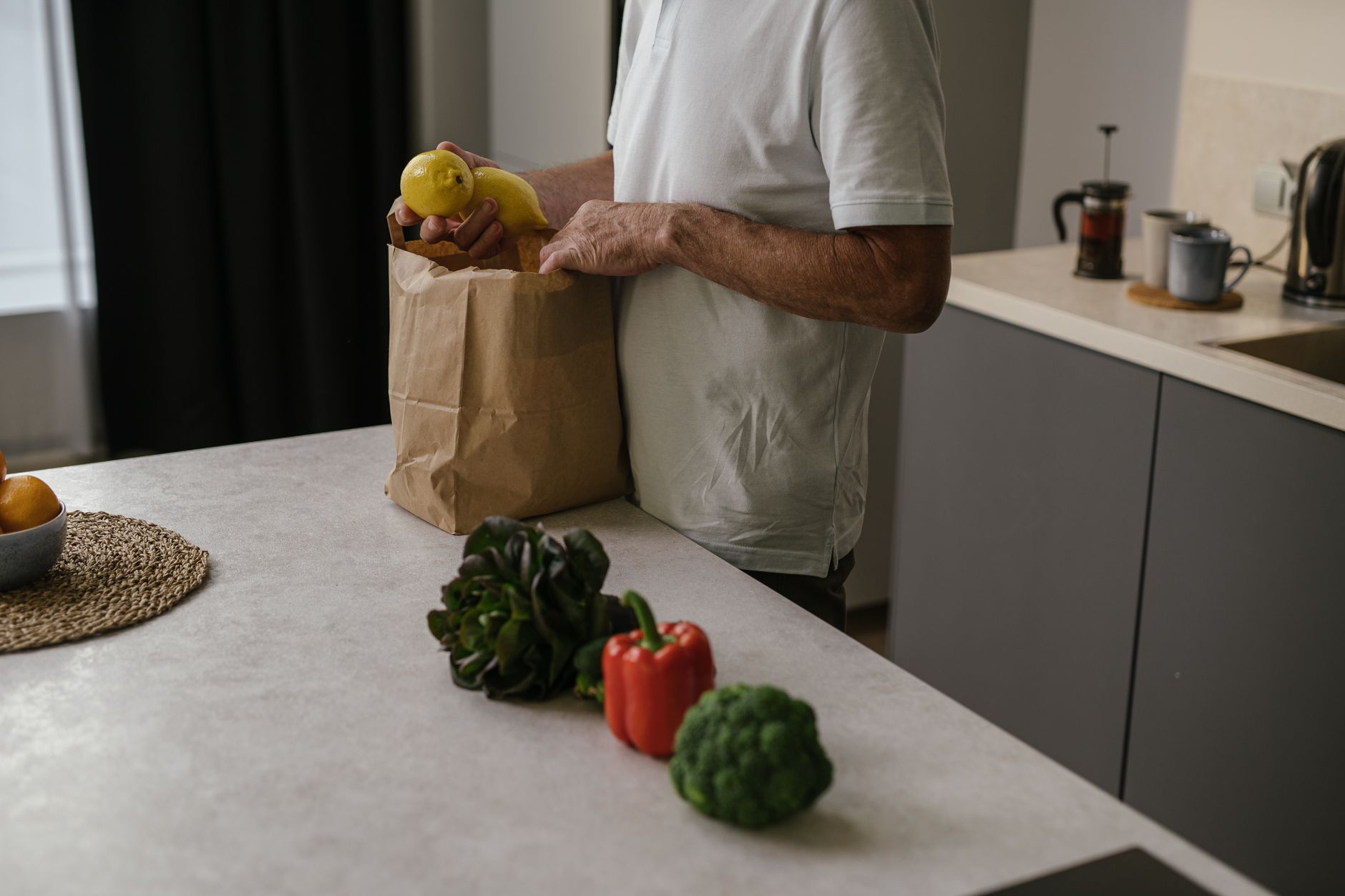
Fruit and vegetable scraps, including peels, cores, ends, and any spoiled or unused produce, compost readily and count as nitrogen-rich greens in your pile's balance.
Coffee grounds and tea leaves (including unbleached paper filters and tea bags without plastic components) also compost well, contributing nitrogen alongside their other soil-building benefits.
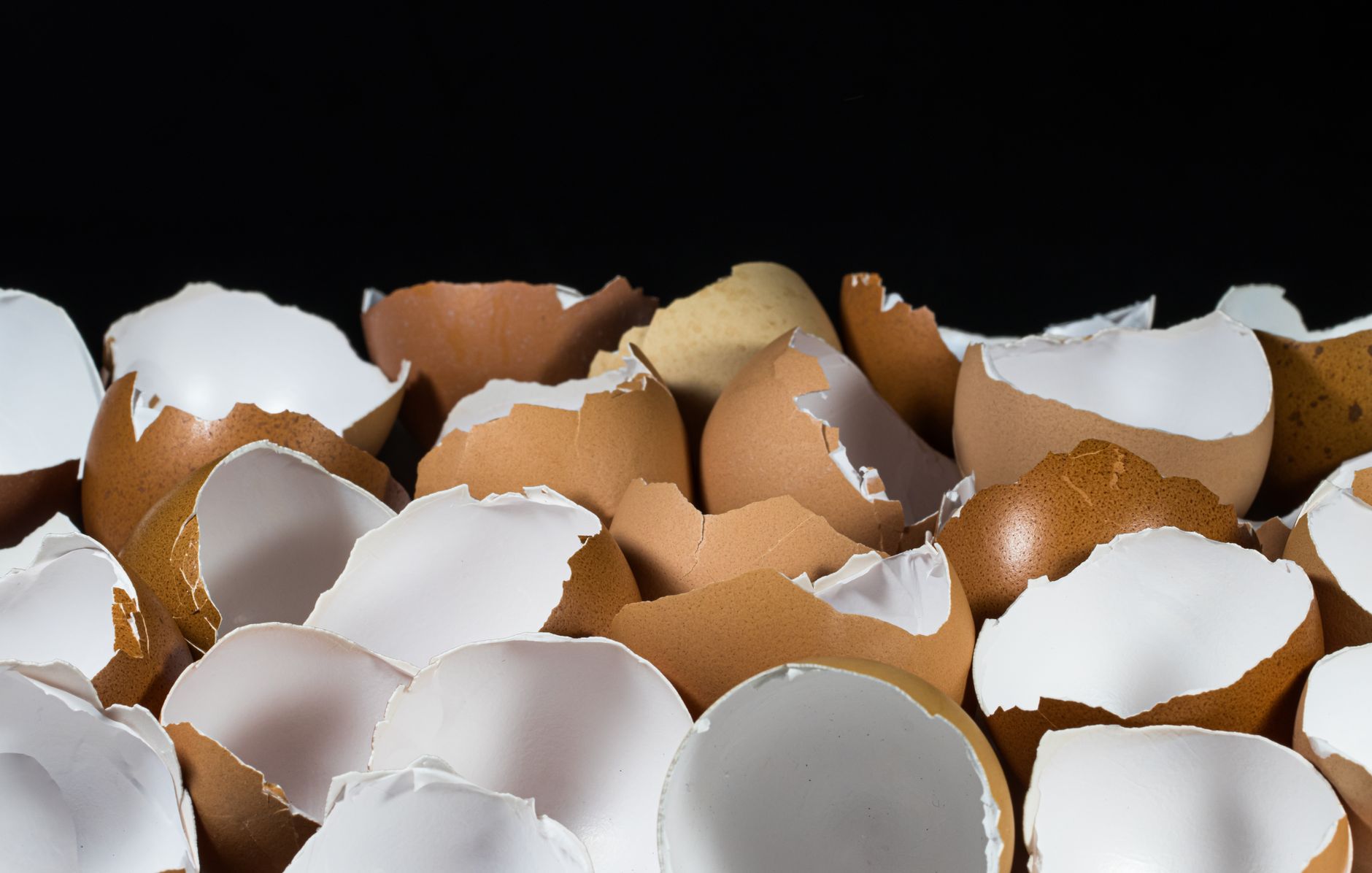
Eggshells, while technically not organic matter in the same way as food scraps, break down slowly and contribute calcium; crushing them first speeds this process considerably compared to adding whole shells.
Bread, grains, and pasta can be composted in moderate quantities, though they can attract pests more readily than other kitchen scraps, so bury them well within the pile rather than leaving them on the surface.
Avoid composting meat, fish, dairy products, and oily or greasy foods in a typical home compost system, since these materials decompose poorly in standard home conditions, often creating odor problems and attracting unwanted pests like rodents.
Compost Yard and Garden Waste
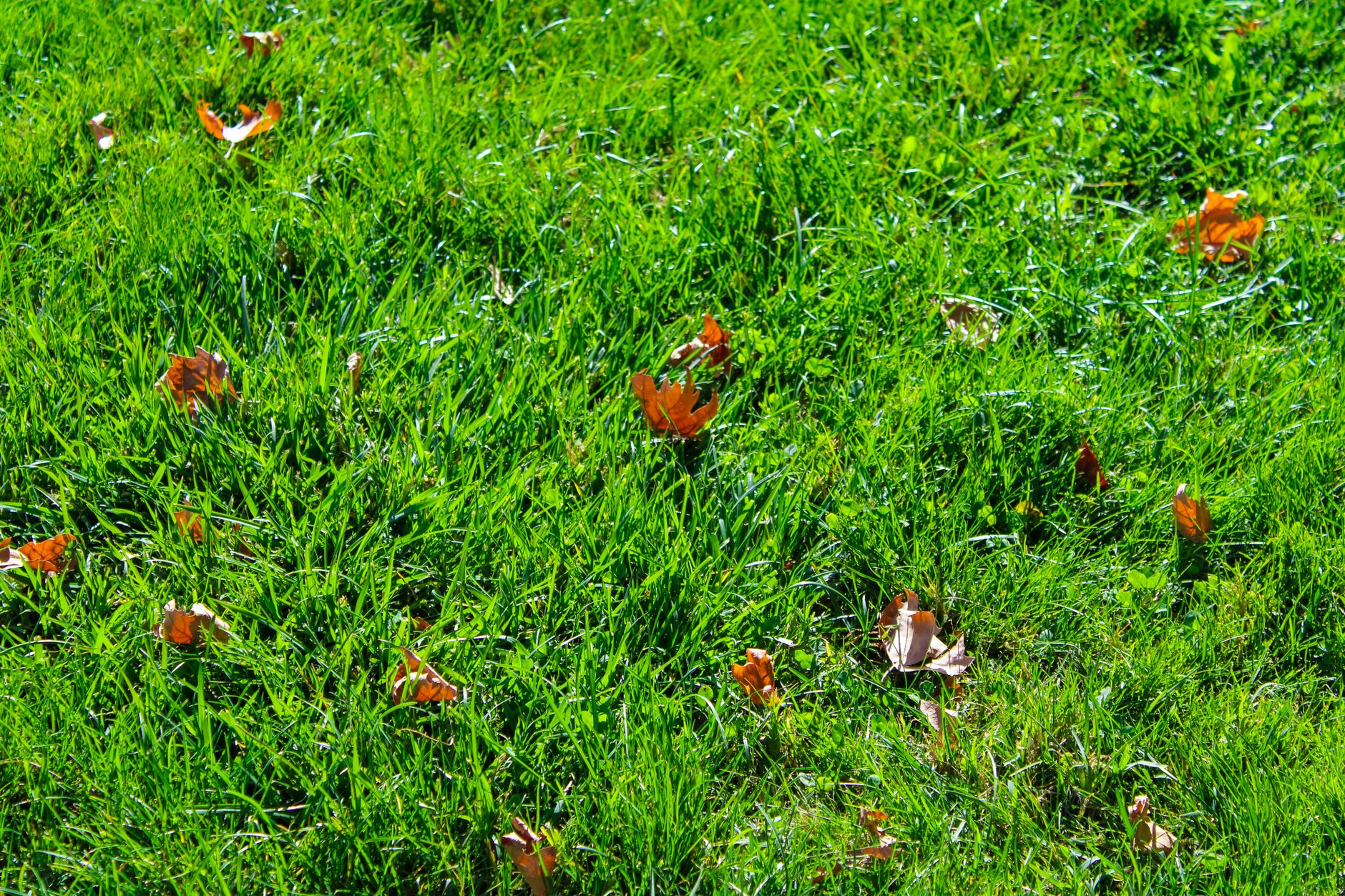
Fallen leaves compost well as a carbon-rich brown material, though shredding them first (using a mower or leaf shredder) significantly speeds decomposition compared to adding whole leaves that can mat together.
Grass clippings count as nitrogen-rich greens, though avoid adding excessive quantities at once, since fresh clippings can compact into a dense, smelly mass without adequate browns mixed in to balance them.
Small twigs and woody prunings can be composted, though larger branches break down very slowly and are better suited to a dedicated brush pile or chipped separately before adding to compost.
Spent garden plants at the end of a growing season generally compost well, though avoid adding plants that showed signs of disease or significant pest infestation, since these issues can potentially persist through the composting process.
Weeds can be composted if they haven't yet gone to seed, since a typical home compost pile may not reach temperatures high enough to reliably destroy weed seeds, potentially spreading them when you use the finished compost.
Compost Paper and Cardboard Products
Plain, unwaxed cardboard, shredded or torn into smaller pieces, composts well as a carbon-rich brown material, though remove any plastic tape, labels, or heavily printed sections first.
Newspaper, printed with soy-based ink (common in modern printing), can be composted, though shredding it first significantly speeds decomposition compared to adding whole sheets.
Plain paper, including used printer paper and paper bags, composts similarly to cardboard, contributing needed carbon content to balance nitrogen-rich green materials.
Avoid composting glossy, heavily coated paper (like magazine pages) or paper with significant colored ink coverage, since these coatings and inks don't break down as cleanly and may introduce unwanted substances into your finished compost.
Paper towels and napkins can be composted if they only contained food or plant matter, though avoid any that were used with cleaning chemicals or other non-organic substances.
Know What to Generally Avoid

Meat, fish, and dairy products decompose poorly in standard home compost conditions, often creating strong odors and attracting rodents or other unwanted pests, making them generally unsuitable for typical backyard composting.
Oily or greasy foods similarly cause problems, coating other materials and slowing overall decomposition while also potentially attracting pests drawn to the fat content.
Diseased or heavily pest-infested plant material should generally be avoided or disposed of separately, since typical home compost temperatures may not reach the level needed to reliably destroy plant pathogens or pest eggs.
Pet waste from carnivorous animals (dogs, cats) should not go into compost intended for vegetable gardens, since it can carry pathogens harmful to humans that aren't reliably eliminated through typical home composting.
Chemically treated wood, coal ash, and materials treated with pesticides or herbicides should also be avoided, since these can introduce harmful substances into your finished compost and eventually your garden soil.
Balance Your Pile for Efficient Decomposition
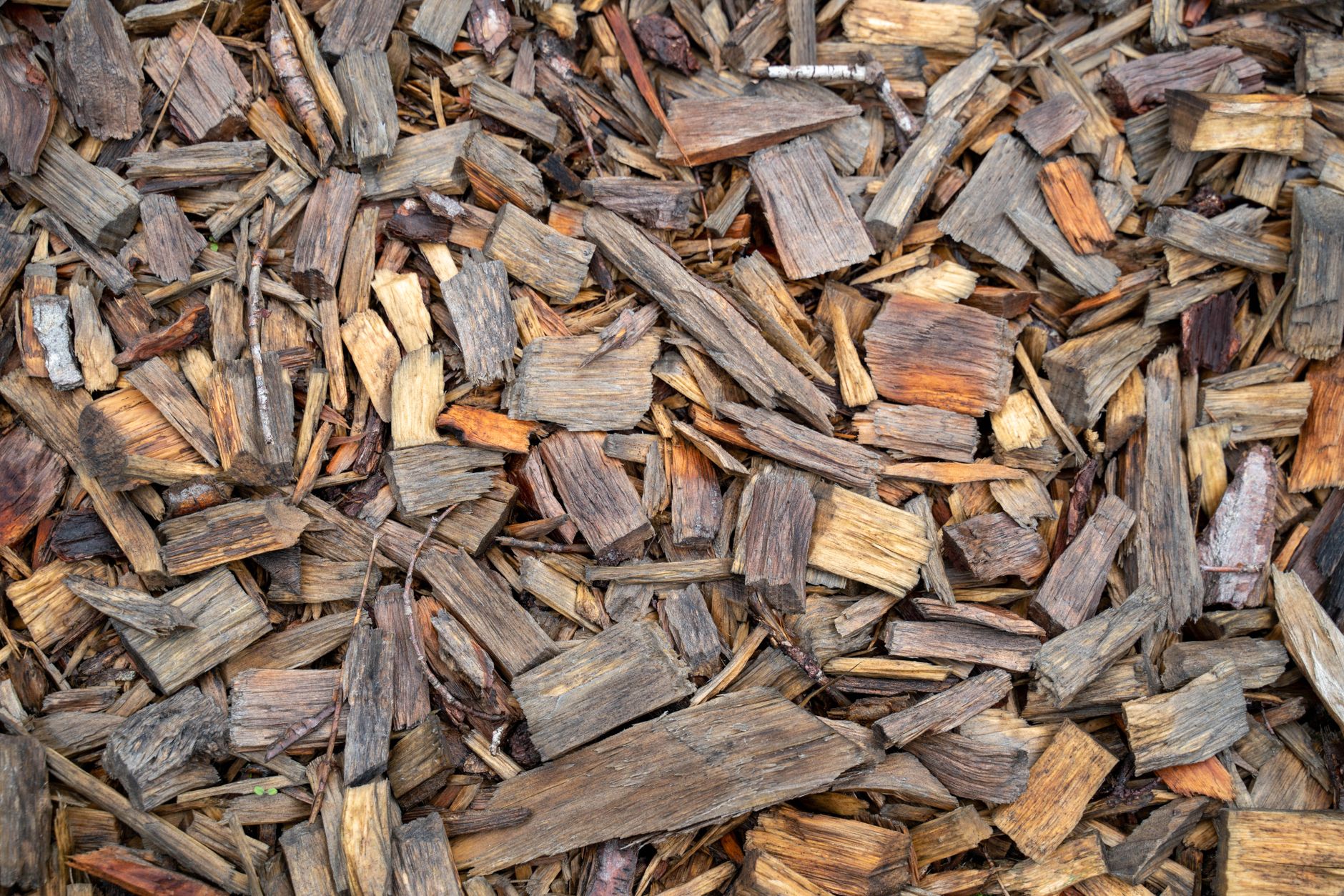
Layer or mix greens and browns as you add materials to your pile, aiming for that roughly 2-3 to 1 browns-to-greens ratio, rather than adding large quantities of just one category at a time.
Keep a reserve of dry browns (like a bag of shredded leaves saved from fall) near your compost area specifically for balancing out wet, greens-heavy additions like a large batch of kitchen scraps or fresh grass clippings.
Turn your pile periodically, which introduces oxygen and helps mix materials more thoroughly, generally speeding decomposition and helping prevent the odor issues that can develop in a poorly aerated, imbalanced pile.
Monitor moisture levels, aiming for a consistency similar to a wrung-out sponge, adding water if the pile seems too dry or additional dry browns if it seems too wet and soggy.
If your pile develops an unpleasant odor, this typically signals too many greens relative to browns, or insufficient airflow, both of which can usually be corrected by adding more dry brown material and turning the pile more frequently.
Consider Additional Compostable Household Items
Human and pet hair (from non-carnivorous pets), as well as nail clippings, break down slowly but are compostable, contributing a small amount of nitrogen and generally not causing the odor or pest concerns associated with meat or dairy.
Natural fiber fabric scraps, such as 100% cotton or wool, can be composted in small pieces, though synthetic blends and heavily dyed or treated fabrics should be avoided given their slower breakdown and potential chemical content.
Fireplace ash from untreated wood can be added in moderation, contributing some potassium, though avoid ash from charcoal briquettes or treated wood, which may contain additives unsuitable for compost.
Cotton balls and swabs with paper (not plastic) stems can be composted, along with other small natural-material household items, extending your composting practice beyond just kitchen and yard waste.
Common problems and fixes
| Problem | Likely cause | What to do |
|---|---|---|
| Compost pile smells unpleasant | Too many wet greens relative to browns, or insufficient airflow within the pile. | Add more dry brown material and turn the pile more frequently to improve aeration and balance. |
| Compost decomposes very slowly | Too many browns relative to greens, insufficient moisture, or materials added in large, unshredded pieces. | Add more nitrogen-rich greens, check moisture levels, and shred larger materials before adding in future batches. |
Gardener's checklist
Test what you learned
What are 'greens' in composting terminology?
Answer: Nitrogen-rich materials like fruit scraps and coffee grounds
What is the recommended browns-to-greens ratio?
Answer: 2-3 to 1
Why should meat and dairy generally be avoided in home composting?
Answer: They decompose poorly and attract pests in typical home conditions
Common questions
Can I compost citrus peels?
Yes, citrus peels can be composted, though some gardeners add them in moderation since their acidity and oils break down somewhat more slowly than other fruit scraps; chopping them smaller helps speed the process.
Is it okay to compost weeds?
Yes, as long as they haven't gone to seed, since a typical home compost pile may not reach temperatures high enough to reliably destroy weed seeds, potentially spreading them when you use the finished compost.
Can I compost pet waste?
Waste from carnivorous pets like dogs and cats should not go into compost intended for vegetable gardens, since it can carry pathogens harmful to humans; herbivore pet waste like from rabbits or chickens is generally more suitable for composting.
What happens if I add too many greens without enough browns?
The pile typically becomes wet, compacted, and develops an unpleasant odor due to insufficient airflow and excess nitrogen; adding more dry brown material and turning the pile more frequently usually corrects this imbalance.
Can I compost sawdust?
Yes, sawdust from untreated wood works as a carbon-rich brown, though use it in moderation and mix thoroughly, since its fine texture can compact and reduce airflow if added in large quantities without adequate mixing.
Are dryer lint and natural fiber clothing compostable?
Dryer lint from natural fiber fabrics like cotton can be composted in small amounts, though synthetic fabric lint should be avoided, since synthetic fibers don't break down and can introduce microplastics into your finished compost.
Successful composting comes down to understanding the greens-and-browns balance and knowing which everyday materials fit into each category, turning what would otherwise be household waste into a genuinely valuable resource for building healthy garden soil.
Frequently asked questions
How often should a vegetable garden be watered?
Frequency depends on weather, soil and plant size. Check the soil rather than watering on a rigid schedule.
Is compost enough fertilizer?
Compost improves soil and provides nutrients slowly. Heavy-feeding crops may still need additional feeding.

The Sproutstead Editorial Team
We create clear, practical gardening and homesteading guides designed for real homes and beginner growers.
View author profile →

