
Banana peels contain potassium, along with smaller amounts of phosphorus, calcium, and magnesium, making them a genuinely useful (though modest) addition to compost or direct soil use. Composting peels first is generally the more effective, less risky approach compared to burying whole peels directly, since composting breaks them down into more readily plant-available nutrients while avoiding the pest attraction and slow decomposition issues that fresh peels buried in soil can cause.
What you will need
Understand What Nutrients Banana Peels Actually Provide
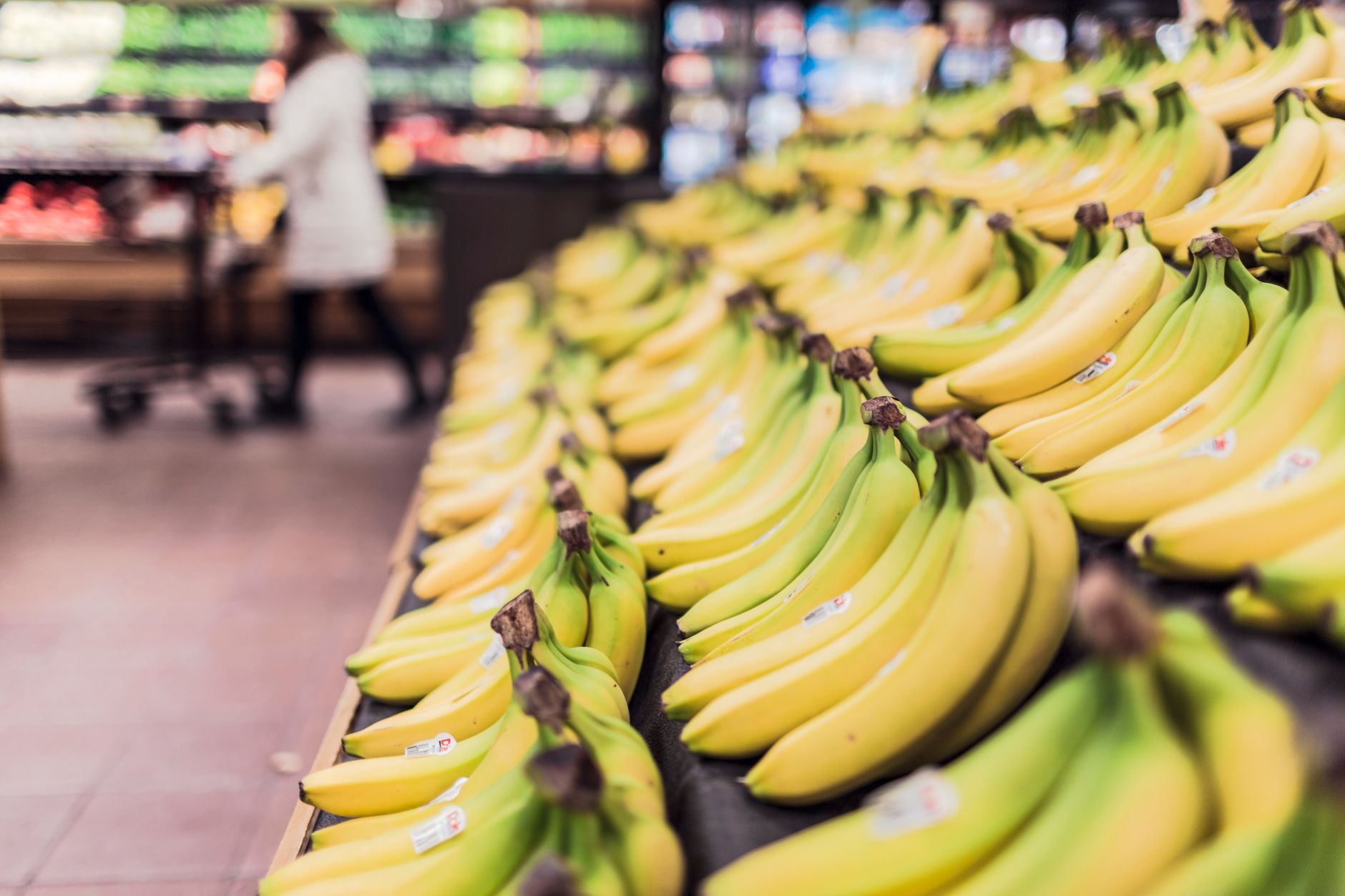
Banana peels contain potassium as their most notable nutrient, an element important for overall plant health, disease resistance, and specifically supporting flowering and fruiting processes in many crops.
Beyond potassium, peels contain smaller amounts of phosphorus, calcium, and magnesium, along with trace minerals, contributing a modest but genuine range of micronutrients when properly incorporated into garden soil.
Popular garden folklore sometimes overstates banana peels' fertilizing power, presenting them as a comprehensive fertilizer replacement, when in reality their nutrient contribution, while real, is relatively modest compared to concentrated dedicated fertilizers.
The actual nutrient content of a single banana peel is quite small in absolute terms, meaning consistent, ongoing use of multiple peels over time (such as through regular composting) provides more meaningful cumulative benefit than an occasional single peel here or there.
Understanding banana peels as a genuine but modest contributor, best used alongside other soil-building practices rather than as a standalone fertilizer solution, sets appropriately realistic expectations for what this common kitchen scrap can actually accomplish.
Compost Banana Peels for Best Results

Banana peels count as a nitrogen-rich 'green' material in composting terms, similar to most fresh fruit and vegetable scraps, contributing alongside carbon-rich 'browns' like dried leaves or shredded cardboard for balanced decomposition.
Chop or tear peels into smaller pieces before adding to your compost pile, which speeds up decomposition compared to adding whole, intact peels that take longer to break down.
Bury peels within the compost pile rather than leaving them on the surface, both for faster decomposition and to reduce the chance of attracting fruit flies or other pests to exposed, decomposing organic matter.
Composting fully breaks down the peel's structure and makes its nutrients more readily available to plants in a balanced, integrated form once the finished compost is applied to garden soil.
This composting approach also avoids the common concerns associated with direct burial, such as slow decomposition and attracting digging animals, making it the generally preferred method for most gardeners.
Bury Peels Directly with Appropriate Caution

If burying peels directly rather than composting first, bury them at least a few inches deep near (but not directly touching) plant roots, which helps avoid attracting animals digging for the exposed or shallowly buried scraps.
Chop peels into smaller pieces before burial, since this speeds decomposition compared to whole peels, which can take several weeks to months to fully break down when buried intact in soil.
Understand that direct burial provides nutrients more slowly and less predictably than composted material, since the peel needs to decompose in place before its nutrients become available to nearby plant roots.
Avoid burying large quantities of fresh peels directly around a single plant, since this concentrated decomposition process can temporarily tie up nitrogen in the surrounding soil as decomposer organisms work through the material.
For gardeners without a compost system, occasional direct burial of a few peels can still provide some modest benefit, though composting remains the generally more effective, reliable approach when that option is available.
Make Banana Peel Fertilizer Water

Soak chopped banana peels in a container of water for 24-48 hours, which allows some of the peel's nutrients, particularly potassium, to leach into the surrounding water.
Strain out the peel pieces (composting them afterward rather than discarding) and use the resulting nutrient-infused water to water your plants, providing a mild, diluted nutrient boost.
This method provides a genuinely gentle, low-concentration nutrient source, useful as a supplemental practice rather than a primary fertilizing strategy, similar in spirit to other mild organic tea-style preparations.
Use the resulting banana peel water relatively soon after preparation rather than storing it for extended periods, since it can develop an unpleasant odor if left sitting too long.
This technique works well for houseplants specifically, offering a simple, low-effort way to provide a mild supplemental nutrient boost between regular feeding sessions.
Dry and Powder Peels for Concentrated Use

Dry banana peels either in a food dehydrator, a low oven, or simply air-dried in a warm location, which removes moisture and prepares them for grinding into a storable powder.
Once fully dried and brittle, grind the peels using a blender, food processor, or dedicated grinder into a fine powder that can be stored in a sealed container for extended future use.
Sprinkle a small amount of this powder directly into planting holes or work it into soil around established plants, providing a more concentrated nutrient dose than fresh or composted peels in an equivalent volume.
This method requires more upfront effort than simple composting but offers the advantage of a shelf-stable, concentrated product you can use in measured amounts whenever needed, rather than being dependent on fresh peel availability.
Store the finished powder in a cool, dry location in an airtight container, similar to how you'd store any dried garden amendment, to maintain its quality until you're ready to use it.
Set Realistic Expectations for Results

Banana peels genuinely contribute potassium and other nutrients to garden soil, but claims that they can single-handedly dramatically boost flowering, fruit production, or overall plant health are typically overstated compared to what the actual nutrient quantities support.
Use banana peels as one component of a broader soil-building strategy, including regular composting of various kitchen and garden scraps, rather than expecting peels alone to meaningfully replace dedicated fertilizers or comprehensive soil amendment practices.
For plants showing a confirmed potassium deficiency specifically (often shown as browning or curling leaf edges), banana peels can provide a genuine, targeted contribution, though a soil test and more concentrated potassium source might address a serious deficiency more directly and reliably.
The environmental and practical value of using banana peels, reducing kitchen waste while providing at least some garden benefit, remains genuinely worthwhile even without exaggerated expectations about dramatic fertilizing power.
Combine banana peel use with other proven soil-building practices like regular compost application, appropriate fertilizer use based on soil testing, and good watering practices for genuinely healthy, productive garden results.
Combine Banana Peels with Other Kitchen Scraps

Combine banana peels with other fruit and vegetable scraps, coffee grounds, and eggshells in your compost pile, since this variety provides a more complete, balanced nutrient profile than relying on banana peels alone.
Eggshells specifically complement banana peels well, contributing calcium alongside the peels' potassium, together with other kitchen scraps building genuinely well-rounded finished compost.
Maintaining a consistent kitchen composting habit, rather than occasionally adding just banana peels, produces considerably more cumulative garden benefit over time than any single ingredient used in isolation.
This broader kitchen scrap composting approach also maximizes the practical waste-reduction value of the practice, diverting more organic material from landfills while building genuinely useful garden soil amendment.
Common problems and fixes
| Problem | Likely cause | What to do |
|---|---|---|
| Buried banana peels attract animals digging in the garden | Peels buried too shallowly or not chopped small enough, making them easily detectable. | Bury peels deeper (several inches) and chop them smaller in future applications, or switch to composting instead. |
| No noticeable plant improvement despite regular banana peel use | Banana peels' nutrient contribution is genuinely modest, and other factors may be limiting plant growth more significantly. | Consider a soil test to identify actual limiting nutrients, and combine banana peel use with more targeted, concentrated amendments as needed. |
Gardener's checklist
Test what you learned
What is the primary nutrient banana peels provide to plants?
Answer: Potassium
Why is composting generally preferred over direct burial for banana peels?
Answer: Composting provides more reliable, balanced nutrient availability and avoids pest attraction
Should banana peels be expected to dramatically transform plant growth on their own?
Answer: No, their contribution is genuine but modest
Common questions
Do banana peels really help plants grow better?
Yes, they contribute genuine potassium and other nutrients, but the effect is modest rather than dramatic; they work best as one component of a broader soil-building routine rather than a standalone fertilizing solution.
Should I bury banana peels or compost them?
Composting is generally more effective and lower-risk, providing more balanced, available nutrients and avoiding the pest attraction and slow decomposition concerns that come with direct burial.
Can banana peels attract pests in my garden?
Fresh peels left on the surface or buried too shallowly can occasionally attract fruit flies or digging animals; chopping peels smaller and burying them adequately deep, or composting them properly, minimizes this concern.
How long do banana peels take to decompose when buried?
Several weeks to months for whole peels buried directly in soil, considerably slower than composting, where regular mixing and moisture management speeds decomposition significantly.
Can I use banana peels for houseplants specifically?
Yes, banana peel water (made by soaking chopped peels for 24-48 hours) works particularly well for houseplants as a gentle, occasional supplemental treatment between regular feeding, though it shouldn't replace a complete houseplant fertilizer routine.
Do organic or ripe versus unripe banana peels matter for garden use?
The nutrient content doesn't vary dramatically enough to matter significantly for garden purposes; any banana peel, ripe or slightly underripe, organic or conventional, works reasonably well for composting or the other methods described here.
Banana peels offer a genuinely useful, low-cost way to contribute potassium and other nutrients to your garden, and approaching them as one modest tool within a broader soil-building strategy, rather than a fertilizer replacement, sets appropriately realistic expectations for what this common kitchen scrap can accomplish.
Frequently asked questions
How often should a vegetable garden be watered?
Frequency depends on weather, soil and plant size. Check the soil rather than watering on a rigid schedule.
Is compost enough fertilizer?
Compost improves soil and provides nutrients slowly. Heavy-feeding crops may still need additional feeding.

The Sproutstead Editorial Team
We create clear, practical gardening and homesteading guides designed for real homes and beginner growers.
View author profile →

