
Straw is among the most popular vegetable garden mulches, affordable and easy to apply at 2-3 inches deep, breaking down to add organic matter. Shredded leaves and grass clippings offer free, readily available alternatives with similar benefits. Wood chips work well for pathways but are generally too slow-breaking-down and nitrogen-depleting for direct vegetable bed use. Choose based on availability, cost, and whether you want the mulch to break down quickly (straw, grass) or last longer (wood chips for paths).
What you will need
Choose Straw for Reliable, Affordable Coverage
Straw (the dried stalks left after grain harvest, distinct from hay which contains seed heads) provides excellent moisture retention and weed suppression while gradually breaking down to add organic matter to your soil.
Apply straw at 2-3 inches deep around established plants, taking care not to pile it directly against plant stems, which can trap excess moisture and potentially encourage rot or pest issues at the stem base.
Confirm you're purchasing genuine straw rather than hay, since hay's seed content will sprout vigorously once watered, creating an unwanted weedy mess rather than the clean mulch coverage straw provides.
Straw breaks down over a single growing season, meaning you'll typically need to reapply for each new season, though this breakdown also means it's actively contributing organic matter to your soil throughout its use.
Straw's light color also helps reflect some heat, which can be beneficial for moderating soil temperature during particularly hot summer stretches, an advantage over some darker mulch options.
Use Shredded Leaves as a Free, Effective Option

Shred fallen leaves using a lawn mower, leaf shredder, or similar tool before applying as mulch, since whole, unshredded leaves can mat together and form a barrier that blocks water and air rather than benefiting the soil.
Apply shredded leaves at 2-3 inches deep, similar to straw, providing comparable moisture retention and weed suppression benefits at essentially no cost if you have access to fallen leaves from your own or neighboring trees.
Leaves break down over time, contributing valuable organic matter and supporting beneficial soil organisms, making this a genuinely sustainable, environmentally friendly mulch choice that also reduces yard waste disposal.
Collect and store shredded leaves in fall for use throughout the following growing season, since this timing typically doesn't align with when you'll actually need mulch for an active vegetable garden.
Mix shredded leaves with other mulch materials if desired, such as combining with straw or grass clippings, which can provide a good balance of different decomposition rates and nutrient contributions.
Apply Grass Clippings in Thin Layers

Apply grass clippings in thinner layers, only 1-2 inches at a time, since thicker layers can mat together, become slimy, and potentially develop an unpleasant odor as they decompose in a dense, compacted mass.
Use clippings from lawns that haven't been treated with herbicides, since these chemicals can persist and potentially harm vegetable plants, an important consideration if you or a neighbor uses lawn chemical treatments.
Let clippings dry slightly before applying if possible, since very fresh, wet clippings are more prone to the matting and odor issues that thicker or less-dried applications can cause.
Grass clippings decompose relatively quickly, contributing nitrogen to the soil as they break down, making them a genuinely useful nutrient source alongside their moisture-retention and weed-suppression benefits.
Reapply grass clippings more frequently than bulkier mulches like straw, since their faster breakdown means the mulch layer thins out sooner and needs topping up to maintain effective coverage.
Reserve Wood Chips for Pathways, Not Vegetable Beds

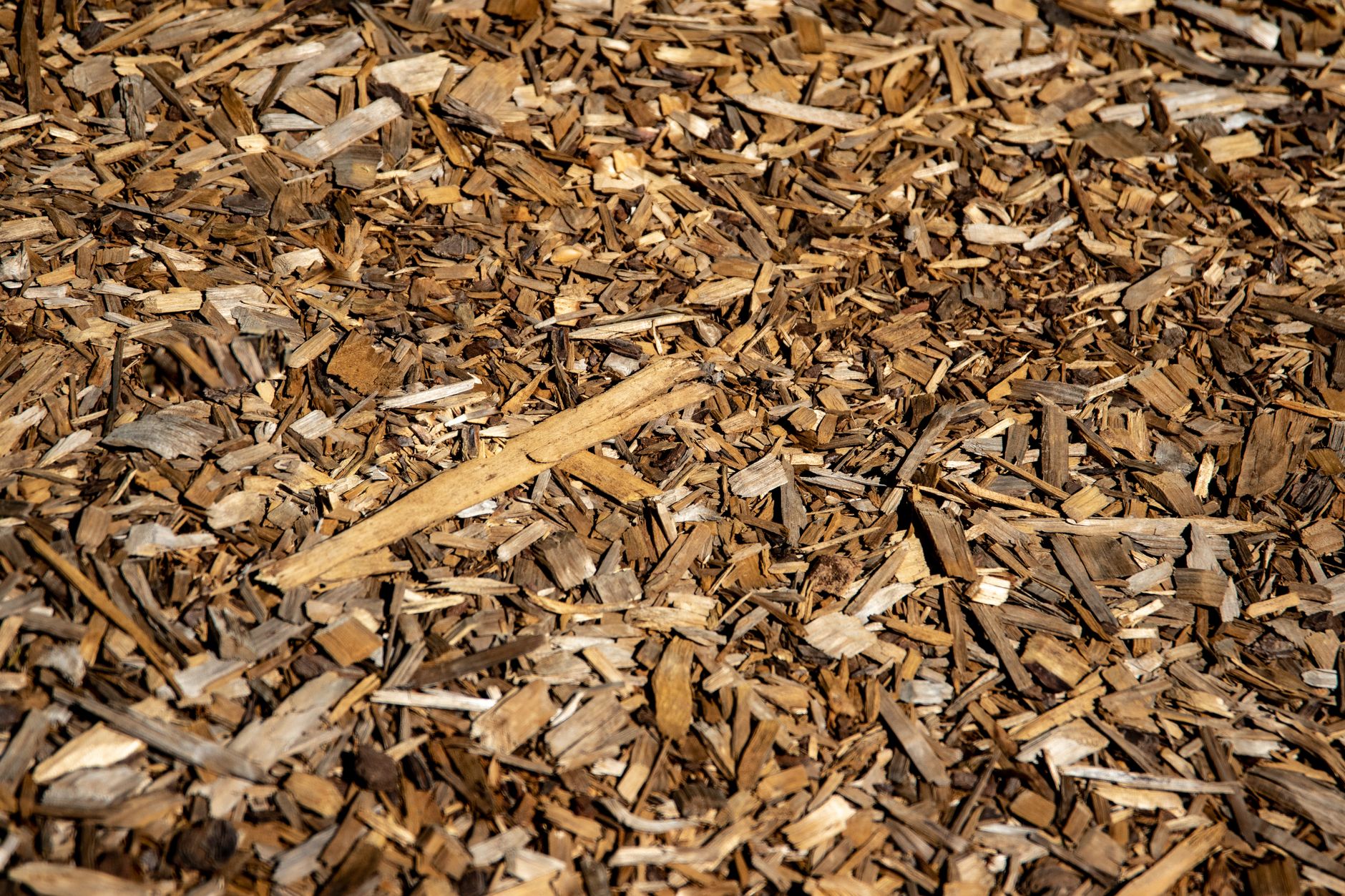
Wood chips break down considerably more slowly than straw, leaves, or grass clippings, and this slower decomposition process can temporarily tie up nitrogen in the surrounding soil as decomposer organisms work through the woody material.
This nitrogen competition matters less for pathways between beds (where you're not growing vegetables directly) but can genuinely stress nearby vegetable plants if wood chips are applied directly within actively growing vegetable beds.
Use wood chips specifically for garden pathways, where their durability and slower breakdown are genuine advantages, providing long-lasting, attractive walkways that don't need frequent replenishment like faster-breaking-down materials would.
If you want wood chips' aesthetic or durability benefits within a vegetable bed itself, consider a thin layer combined with a nitrogen-rich amendment to help offset the temporary nitrogen tie-up, though this adds complexity compared to simply using wood chips where they're most appropriate.
Perennial areas, ornamental beds, and pathways generally suit wood chips much better than annual vegetable beds, where faster-breaking-down mulches align better with the yearly planting and soil-building cycle.
Time Your Mulch Application Correctly

Wait until soil has adequately warmed in spring before applying a thick mulch layer, since mulch insulates soil and can actually slow warming if applied too early, delaying the point at which warm-season crops can be planted or begin thriving.
For cool-season crops planted earlier in spring, a thinner mulch layer or delayed full application until plants are established can help balance moisture retention with the need for adequate soil warmth.
Apply mulch after plants are established rather than immediately at planting for smaller seedlings and transplants, giving them a chance to root in before the mulch layer's moisture-retention and temperature-moderating effects take full hold.
In fall, mulch can be applied more liberally to protect soil over winter, suppress weeds before they establish, and gradually break down to enrich soil before the following spring's planting.
Refresh mulch layers as needed throughout the growing season, particularly for faster-breaking-down materials like grass clippings, monitoring coverage depth and topping up when it thins below the effective 2-3 inch range.
Avoid Common Mulching Mistakes
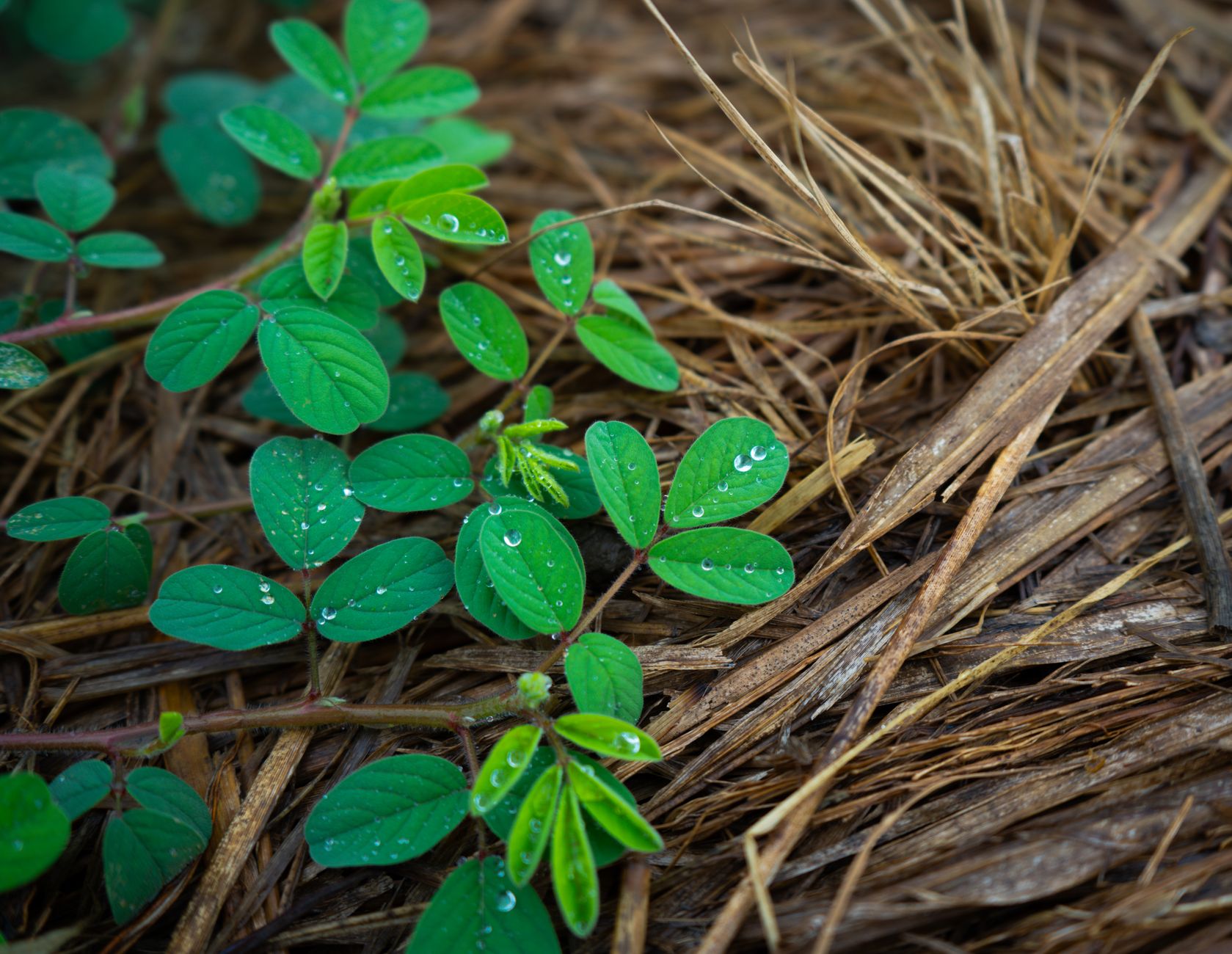
Avoid piling mulch directly against plant stems, a practice sometimes called 'mulch volcanoes' when done around trees, since this traps excess moisture against stem tissue and can encourage rot or pest problems at the base of plants.
Don't apply mulch too thickly, since excessive depth (beyond about 3-4 inches for most materials) can actually suffocate soil, trap too much moisture, and create conditions favoring root rot rather than the intended benefits.
Avoid using diseased plant material as mulch, since some plant pathogens can survive in mulch material and potentially spread to other plants, particularly relevant if using your own garden waste as a mulch source.
Don't use treated or chemically-sprayed grass clippings, wood, or other materials as mulch around edible plants, since residual chemicals can potentially transfer into your soil and, eventually, your food.
Monitor mulched areas periodically for any signs of matting, unpleasant odor, or excessive moisture retention, adjusting your mulching approach if these issues develop rather than assuming any mulch application is automatically beneficial regardless of technique.
Adapt Your Mulching Strategy by Season

In spring, focus mulch application on moisture retention and gradual weed suppression as plants establish, applying once soil has warmed adequately for your specific crops.
In summer, mulch's moisture-retention benefit becomes particularly valuable during hot, dry stretches, helping reduce how often you need to water while also moderating soil temperature swings during intense heat.
In fall, apply a more generous mulch layer to protect soil over winter, suppress weeds before they establish for the following season, and allow slower-breaking-down materials extra time to decompose before spring planting.
Between seasons, remove any diseased plant debris before adding fresh mulch, and consider whether your mulch choice should change based on what you're planting next, particularly if transitioning between different crop types with different needs.
Common problems and fixes
| Problem | Likely cause | What to do |
|---|---|---|
| Mulch develops an unpleasant odor | Grass clippings applied too thickly and matting into an anaerobic, slimy mass. | Apply thinner layers in future, and consider removing and composting the affected mulch rather than leaving it in place. |
| Plants near mulched areas show nitrogen deficiency symptoms | Wood chips or other slow-breaking-down material applied directly within the vegetable bed, temporarily tying up nitrogen. | Remove wood chips from the bed if present, and supplement with a nitrogen source to correct the temporary deficiency. |
Gardener's checklist
Test what you learned
What depth is typically recommended for straw mulch?
Answer: 2-3 inches
Why should wood chips generally be avoided within actively growing vegetable beds?
Answer: They break down slowly and can temporarily tie up soil nitrogen
Why should grass clippings be applied in thinner layers than straw?
Answer: Thicker layers can mat together and develop odor
Common questions
What is the best all-around mulch for a vegetable garden?
Straw is often considered the most reliable, versatile choice given its affordability, ease of application, and beneficial breakdown into organic matter, though shredded leaves offer a comparably effective free alternative if available.
Can I use wood chips in my vegetable garden at all?
Wood chips work well for pathways between beds but are generally not recommended directly within actively growing vegetable beds, since their slow breakdown can temporarily tie up soil nitrogen that your plants need.
How often should I reapply mulch in my vegetable garden?
This varies by material; faster-breaking-down options like grass clippings need more frequent reapplication, while straw and leaves typically last a full growing season, though monitoring coverage depth and topping up as needed applies to any mulch type.
Is it safe to use grass clippings from a lawn treated with herbicides?
No, herbicide residue can persist in clippings and potentially harm vegetable plants; only use clippings from lawns you know haven't been chemically treated, particularly for beds growing edible crops.
Should I remove old mulch before applying new mulch each season?
Not necessarily; partially decomposed mulch from the previous season can simply be topped with fresh material, since the decomposing layer continues contributing organic matter while the fresh layer maintains effective coverage depth.
Can mulch help prevent specific plant diseases?
Yes, mulch can help reduce certain soil-borne diseases by creating a barrier that prevents soil (and any pathogens it may harbor) from splashing onto lower leaves during watering or rain, which is a genuine secondary benefit beyond moisture retention and weed suppression.
Choosing the right mulch for your vegetable garden comes down to matching material characteristics, breakdown speed, application depth, and cost, to your specific goals, with straw and shredded leaves standing out as particularly reliable, versatile options for most vegetable growing situations.
Frequently asked questions
How often should a vegetable garden be watered?
Frequency depends on weather, soil and plant size. Check the soil rather than watering on a rigid schedule.
Is compost enough fertilizer?
Compost improves soil and provides nutrients slowly. Heavy-feeding crops may still need additional feeding.

The Sproutstead Editorial Team
We create clear, practical gardening and homesteading guides designed for real homes and beginner growers.
View author profile →

