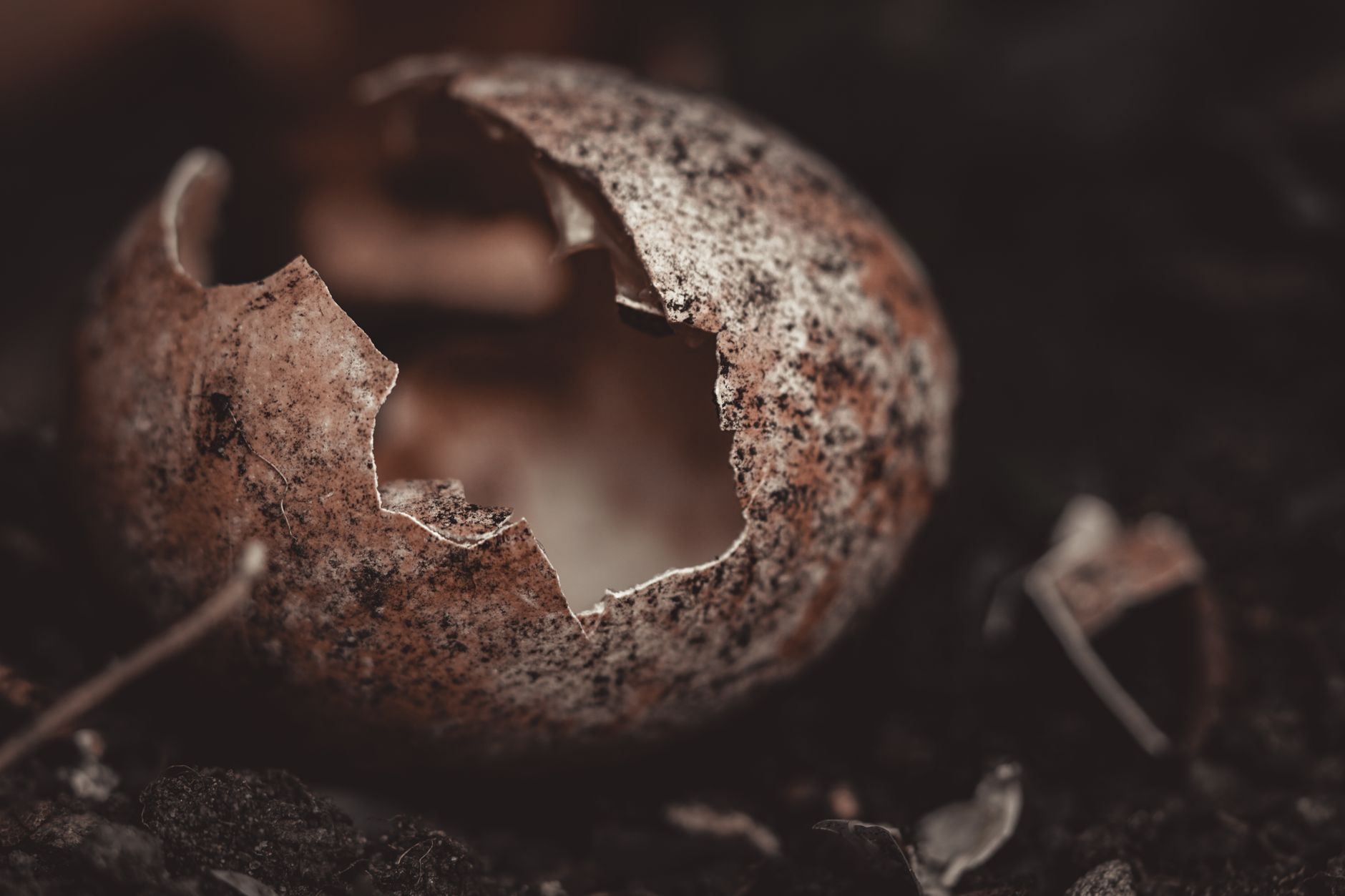
Eggshells are primarily calcium carbonate, providing a slow-release calcium source that benefits soil over time, though crushing them into fine powder (rather than large fragments) is essential for meaningful decomposition speed, since whole or roughly crushed shells can take years to break down. Eggshells alone don't reliably prevent blossom end rot, a common garden myth, since that issue is typically caused by inconsistent watering affecting calcium uptake rather than actual soil calcium deficiency.
What you will need
Understand Eggshells' Actual Nutrient Contribution

Eggshells are composed primarily of calcium carbonate, the same compound found in garden lime, making them a genuine, if slow-release, calcium source for garden soil.
Calcium plays an important role in plant cell wall structure and various growth processes, making it a genuinely useful nutrient contribution, though eggshells provide this in modest, gradually released quantities rather than a concentrated dose.
Whole or roughly crushed eggshells decompose extremely slowly, potentially taking years to fully break down, meaning their calcium becomes available to plants only very gradually unless properly processed first.
Popular garden folklore sometimes overstates eggshells' fertilizing power or specific problem-solving abilities (like preventing blossom end rot), when the actual, realistic benefit is a slow, modest calcium contribution alongside some soil structure improvement from the shell fragments themselves.
Understanding eggshells as a genuine but modest, slow-acting calcium source, requiring proper preparation to be practically useful, sets appropriately realistic expectations for this common kitchen waste material.
Crush Eggshells Properly for Faster Decomposition

Crush eggshells into as fine a powder as possible, using a blender, coffee grinder, mortar and pestle, or by placing dried shells in a bag and crushing with a rolling pin, since particle size directly determines decomposition speed.
Finely powdered eggshells can decompose and release their calcium within several months, while larger fragments or whole shells can take years to break down enough to provide meaningful nutrient availability.
Dry eggshells thoroughly before crushing, either by air-drying for a day or two or briefly baking in a low oven, since dry shells crush more easily and completely than shells still retaining moisture from their original contents.
Sift crushed eggshells through a fine sieve if you want to separate out any larger fragments that resisted crushing, using these coarser pieces for less time-sensitive applications while reserving the fine powder for faster-acting use.
This crushing step, while requiring some extra effort compared to simply tossing whole shells into the garden, genuinely determines whether eggshells provide practical benefit within a useful timeframe or essentially sit inert in your soil for years.
Add Crushed Eggshells to Compost

Add crushed eggshells to your compost pile alongside other kitchen scraps, where they'll continue breaking down (faster than in garden soil directly, given the compost pile's active biological environment) while contributing calcium to your finished compost.
Eggshells don't fall neatly into the typical greens-or-browns compost categorization, since they're mineral rather than truly organic matter, but they compost well alongside both categories without needing special separate treatment.
Mix crushed shells throughout the pile rather than concentrating them in one spot, which helps ensure even distribution of their calcium contribution throughout your finished compost.
This composting approach integrates eggshells' modest calcium benefit into a complete, balanced amendment alongside compost's many other benefits, rather than relying on eggshells as an isolated treatment.
Finished compost containing well-broken-down eggshells provides more readily available calcium than eggshells applied directly and separately to garden soil, making composting generally the more effective overall approach.
Apply Directly to Soil as a Slow-Release Amendment

Work finely crushed eggshell powder into the top few inches of soil around plants, similar to how you'd incorporate any slow-release soil amendment, rather than leaving shells sitting on the surface.
This direct application provides calcium gradually over an extended period as the powder continues breaking down in the soil, useful for ongoing, long-term soil building rather than addressing an acute, immediate deficiency.
For plants specifically benefiting from consistent, gradual calcium availability, such as tomatoes and peppers, working eggshell powder into the planting hole at transplant time can provide a modest, slow contribution throughout the growing season.
Reapply periodically for ongoing benefit, since even finely crushed eggshells eventually fully decompose and their calcium contribution, while beneficial, doesn't persist indefinitely without renewed application.
Combine with other soil-building practices rather than relying on eggshells alone, since their calcium contribution, while genuine, represents just one component of overall soil fertility and structure.
Understand the Blossom End Rot Myth

Blossom end rot, the dark, sunken spot that develops on the bottom of tomatoes and peppers, is commonly and incorrectly attributed to soil calcium deficiency, leading many gardeners to add eggshells hoping to prevent it.
In reality, most soil already contains adequate calcium, and blossom end rot typically results from inconsistent watering that disrupts the plant's ability to actually transport and use available calcium, rather than a genuine shortage of calcium in the soil itself.
Adding eggshells to address blossom end rot often provides little to no practical benefit, since the shells' slow decomposition means minimal calcium becomes available within the same growing season, and the underlying watering issue remains unaddressed.
The more effective approach to preventing blossom end rot is maintaining consistent soil moisture through regular, even watering and mulching, rather than relying on eggshell addition as the primary solution.
If you suspect genuine soil calcium deficiency (uncommon but possible, particularly in some acidic soils), a soil test provides more reliable confirmation than assuming eggshells will address whatever calcium-related issue you're experiencing.
Evaluate Pest Deterrent Claims Realistically

A popular claim suggests crushed eggshells deter slugs and snails, theorized to work because the sharp edges are uncomfortable for these soft-bodied pests to cross, though scientific evidence for this effect is genuinely mixed and inconsistent.
If experimenting with eggshells for slug and snail deterrence, use them as one modest layer of protection alongside other proven methods, rather than relying on eggshells as your sole or primary pest management strategy.
Some gardeners report eggshells become less effective as a physical barrier once they soften with moisture over time, further limiting their reliability for this specific purpose compared to when freshly applied and still sharp.
Claims about eggshells deterring other pests like deer or rabbits are similarly anecdotal rather than consistently proven, and dedicated deterrent methods typically offer more reliable results for these larger garden pests.
Treat any pest-deterrent benefit from eggshells as a modest, possible bonus rather than a reliable primary strategy, using established, better-evidenced pest control methods as your main approach for any significant garden pest problem.
Store and Collect Eggshells for Ongoing Use

Rinse eggshells briefly to remove excess residue, then let them air-dry on a paper towel or in a bowl for a day or two before storage, which reduces any odor and makes them easier to crush later.
Store dried, uncrushed shells in a container in your kitchen or pantry, accumulating them over time until you have enough for a worthwhile crushing and application session.
Crush shells in batches once you've collected a reasonable quantity, rather than trying to process each day's shells individually, which is generally more time-efficient for most households.
Keep finely crushed eggshell powder in a sealed container for convenient future use, ready to work into soil or add to compost whenever the opportunity arises without needing to prepare a fresh batch each time.
Common problems and fixes
| Problem | Likely cause | What to do |
|---|---|---|
| Eggshells added to garden beds show no visible breakdown after months | Shells weren't crushed finely enough before application, causing very slow decomposition. | Crush more finely in future applications, using a blender or grinder rather than simply breaking shells by hand into larger pieces. |
| Blossom end rot continues despite adding eggshells | The actual cause is inconsistent watering rather than soil calcium deficiency, which eggshells don't address. | Focus on maintaining consistent soil moisture through regular watering and mulching rather than continuing to rely on eggshell addition. |
Gardener's checklist
Test what you learned
What is the primary compound in eggshells?
Answer: Calcium carbonate
Why is fine crushing important for eggshell use in the garden?
Answer: Particle size dramatically affects decomposition speed
What actually causes blossom end rot in tomatoes?
Answer: Inconsistent watering affecting calcium uptake
Common questions
Do eggshells really prevent blossom end rot?
Not reliably; blossom end rot is typically caused by inconsistent watering disrupting calcium uptake, not actual soil calcium deficiency, so consistent watering practices are a more effective prevention strategy than adding eggshells.
How long do eggshells take to decompose in soil?
This depends heavily on particle size; finely crushed powder can break down within several months, while whole or roughly crushed shells can take several years to fully decompose.
Should I compost eggshells or add them directly to soil?
Composting is generally more effective, since the compost pile's active biological environment breaks down shells faster than typical garden soil, integrating their calcium contribution into balanced finished compost.
Do eggshells really keep slugs and snails away?
Evidence is mixed and inconsistent; treat this as a possible modest bonus effect rather than a reliable primary pest control strategy, combining it with other proven slug and snail deterrent methods for better results.
Can I use eggshells for houseplants too?
Yes, finely crushed eggshells can be worked into houseplant potting soil similarly to garden use, providing the same modest, slow-release calcium contribution, though the same realistic expectations about limited, gradual benefit apply indoors as well.
Do I need to wash eggshells before using them in the garden?
A quick rinse to remove excess egg residue is a reasonable practice, mainly to reduce any odor or pest attraction during drying and storage, though thorough washing isn't strictly necessary for the shells to still provide their eventual calcium benefit.
Eggshells offer a genuine, if modest and slow, calcium contribution to garden soil, and understanding both proper preparation (fine crushing) and realistic expectations, particularly around the blossom end rot myth, helps you use this common kitchen scrap effectively rather than expecting more than it can actually deliver.
Frequently asked questions
How often should a vegetable garden be watered?
Frequency depends on weather, soil and plant size. Check the soil rather than watering on a rigid schedule.
Is compost enough fertilizer?
Compost improves soil and provides nutrients slowly. Heavy-feeding crops may still need additional feeding.

The Sproutstead Editorial Team
We create clear, practical gardening and homesteading guides designed for real homes and beginner growers.
View author profile →

