Mead is made by dissolving honey into water to create a 'must,' typically using 2-3 pounds of honey per gallon, adding wine or mead-specific yeast, and fermenting for 4-6 weeks in a sealed vessel with an airlock. After primary fermentation, mead is racked (siphoned off sediment) into a clean vessel for secondary fermentation and aging, which can range from a few months to over a year for the smoothest results.
What you will need
Choose Quality Honey and Calculate Your Ratio

Any pure honey works for mead, though raw, unfiltered, local honey often produces more complex, interesting flavor compared to heavily processed commercial honey, similar to the difference between artisanal and mass-produced ingredients in other contexts.
Different honey varietals (clover, wildflower, orange blossom, buckwheat) impart distinctly different flavor characteristics to the finished mead, so experimenting with different honey types is one of the most enjoyable ways to develop your own preferences over multiple batches.
For a standard-strength, dry to semi-sweet mead, use approximately 2-3 pounds of honey per gallon of finished mead; increasing to 3-4 pounds per gallon produces a sweeter, higher-alcohol result, sometimes called a 'sack mead.'
Calculate your total honey needs based on your batch size before beginning, since having all ingredients measured and ready streamlines the entire brewing process once you start.
Avoid ultra-processed, blended commercial honey if possible, since some of these products are cut with corn syrup or other additives that can negatively affect fermentation and final flavor quality.
Prepare Your Must (Honey-Water Mixture)
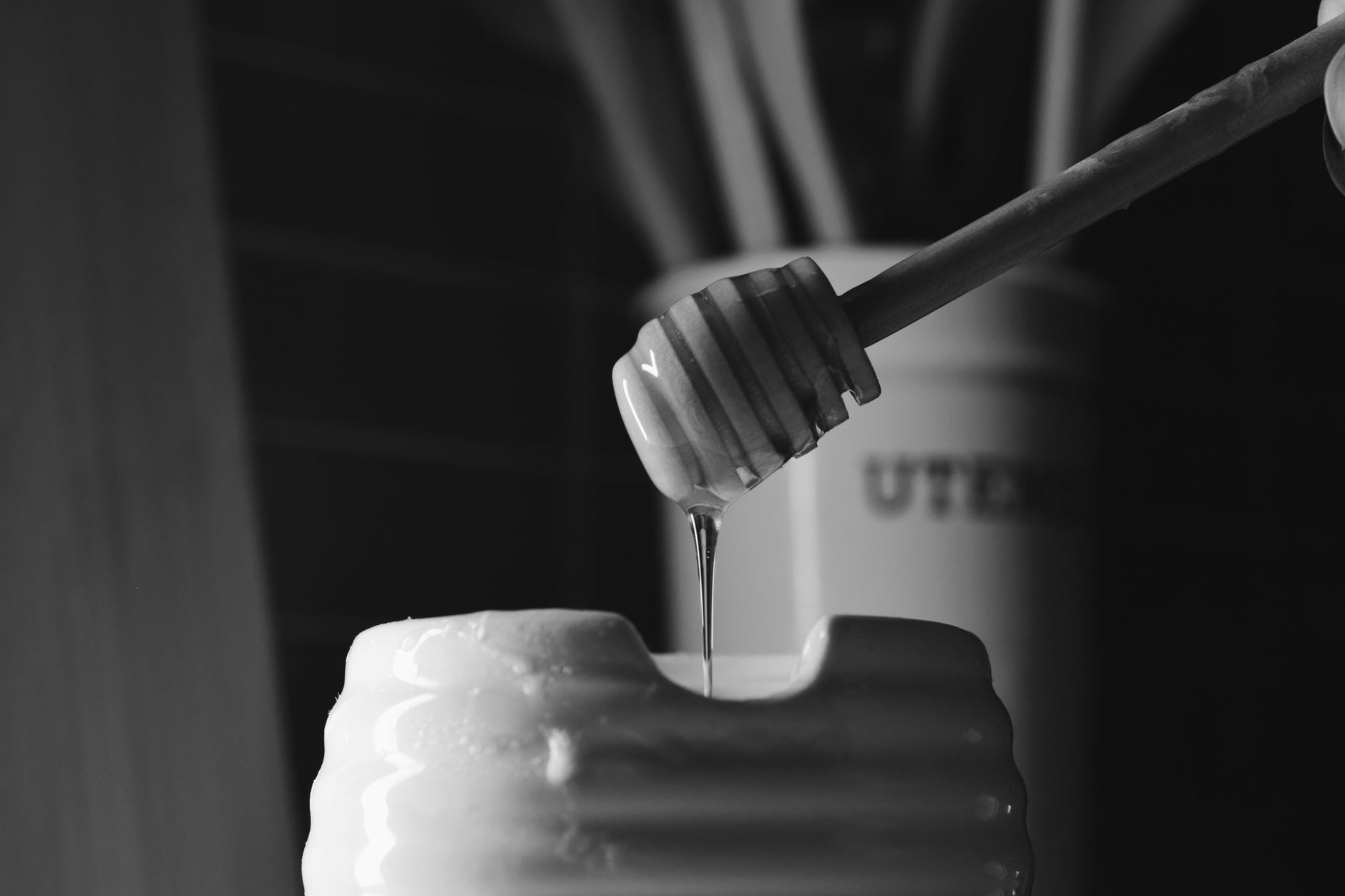
Combine your calculated honey with filtered or spring water in a large pot, warming gently (not boiling) while stirring to help the honey dissolve completely into what's called the 'must.'
Avoid boiling the must for extended periods, since excessive heat can drive off some of honey's delicate aromatic compounds; gentle warming to help dissolution is sufficient rather than a prolonged rolling boil.
Some traditional mead makers skip heating entirely, simply stirring honey into room-temperature water vigorously until fully dissolved, which preserves more of the honey's original character at the cost of somewhat more mixing effort.
Cool the must to room temperature (or below 80°F at minimum) before adding yeast, since temperatures that are too warm can stress or kill the yeast culture you're about to introduce.
Sanitize all equipment that will contact the must thoroughly before this step, using a no-rinse sanitizer designed for brewing, since any wild bacteria or unwanted yeast introduced at this stage can significantly affect your finished mead's quality and safety.
Add Yeast and Nutrients

Use wine yeast or a mead-specific yeast strain rather than standard baking yeast, since wine yeasts are specifically selected for tolerating higher alcohol levels and producing more desirable flavor characteristics for this style of beverage.
Popular beginner-friendly yeast strains include Lalvin D47 (produces a fruity, floral character well-suited to showcasing honey flavor) and Lalvin 71B (ferments cleanly and works well across various mead styles).
Add yeast nutrient according to package directions, since honey alone lacks some of the nutrients yeast needs for healthy, complete fermentation; skipping nutrient addition is a common cause of stuck or sluggish fermentation in beginner batches.
Rehydrate dry yeast in warm water (following package directions) for about 15-20 minutes before adding to the must, which improves yeast viability compared to sprinkling dry yeast directly into the liquid.
Transfer the must to your sanitized fermentation vessel, pitch (add) the prepared yeast, then seal with an airlock, which allows carbon dioxide to escape during fermentation while preventing airborne contaminants from entering.
Monitor Primary Fermentation
Place your sealed fermentation vessel in a location maintaining a consistent 65-75°F, since temperature significantly affects both fermentation speed and the flavor compounds yeast produces during the process.
Within 24-48 hours, you should see active bubbling through the airlock, confirming the yeast has successfully begun fermenting; if no activity appears after 48 hours, check that your yeast was viable and your must temperature was appropriate.
Primary fermentation typically continues actively for 1-2 weeks, then gradually slows over the following weeks as available sugars are consumed, with the airlock bubbling becoming less frequent as fermentation approaches completion.
If using a hydrometer, take specific gravity readings at the start and periodically throughout fermentation; a stable reading over several consecutive days indicates fermentation has completed and the mead is ready for the next stage.
Avoid opening the fermentation vessel unnecessarily during this active period, since each opening introduces oxygen exposure and contamination risk that can affect the finished product's quality.
Rack Your Mead

Once primary fermentation has clearly slowed or stopped (confirmed by stable hydrometer readings if you're using one), rack (siphon) the mead off the sediment layer at the bottom into a clean, sanitized secondary vessel.
Use a siphon or racking cane to draw liquid from above the sediment without disturbing it, transferring as much clear liquid as possible while leaving the cloudy sediment layer behind in the original vessel.
This racking process both clarifies the mead (removing dead yeast cells and other sediment) and reduces potential off-flavors that can develop from prolonged contact with spent yeast sediment.
Seal the racked mead in its new vessel with a fresh airlock, and let it continue a slower secondary fermentation and clearing process, which can take anywhere from a few weeks to several months depending on your patience and desired clarity.
Some mead makers rack a second time partway through this secondary period if additional sediment has accumulated, though this step is optional and depends on how clear you want your finished mead to be.
Age and Bottle Your Finished Mead

Bottle your mead into clean, sanitized wine bottles once it has cleared to your satisfaction and fermentation has fully completed, typically several weeks to a few months after the initial primary fermentation began.
Mead genuinely benefits from aging, with most styles noticeably improving over 3-6 months minimum, and many mead makers consider a full year or longer necessary for truly smooth, well-integrated flavor.
Store bottled mead in a cool, dark location, similar to wine storage recommendations, since temperature stability and protection from light both help preserve quality during the extended aging period.
Taste-test periodically if you're curious about how your mead is developing, though resist the urge to drink your entire batch too early, since the flavor difference between a 3-month and 12-month mead is often quite significant.
Label bottles with the batch date and honey variety used, which helps you track your preferences across multiple batches and plan future recipes based on what you've genuinely enjoyed.
Explore Different Mead Styles

Melomel, mead fermented with fruit, is one of the most popular variations, with common choices including blueberries, raspberries, and stone fruits added during primary or secondary fermentation for both flavor and color.
Metheglin, mead flavored with spices or herbs like cinnamon, ginger, or clove, offers another traditional direction, particularly popular during colder months for its warming character.
Cyser, made by fermenting honey with apple juice or cider instead of plain water, produces a distinctive result bridging mead and hard cider traditions.
Traditional mead, made simply from honey, water, and yeast without additional flavoring, remains the purest expression of the style and a worthwhile baseline to master before branching into these flavored variations.
Common problems and fixes
| Problem | Likely cause | What to do |
|---|---|---|
| No fermentation activity after 48 hours | Dead or inactive yeast, must temperature too high or too low, or an airlock seal issue preventing visible bubbling. | Check your fermentation vessel's seal, confirm the must is at an appropriate temperature, and consider re-pitching fresh yeast if no activity develops. |
| Fermentation stops before expected completion | Insufficient yeast nutrient, temperature fluctuations, or naturally high honey sugar content stressing the yeast. | Add additional yeast nutrient if fermentation seems stuck, and ensure consistent temperature in the fermentation location. |
| Finished mead tastes harsh or has an off flavor | Insufficient aging time, or contamination introduced during the brewing process. | Age remaining bottles longer before tasting again, since many harsh notes mellow significantly with additional time, and ensure thorough sanitation in future batches. |
Gardener's checklist
Test what you learned
What is mead primarily made from?
Answer: Honey, water, and yeast
Why should wine or mead-specific yeast be used instead of baking yeast?
Answer: Wine yeasts tolerate higher alcohol levels and produce better flavor
What is 'racking' in mead making?
Answer: Siphoning mead off sediment into a clean vessel
Common questions
How long does it take to make mead?
Primary fermentation typically takes 4-6 weeks, followed by secondary fermentation and clearing that can take additional weeks to months, and ideally 6-12 months of aging after bottling for the smoothest, best-developed flavor.
Is mead the same as wine?
Mead is technically its own category, fermented from honey rather than grapes, though it shares many production similarities with winemaking, including the use of wine yeast strains and similar aging and bottling techniques.
How much alcohol does homemade mead contain?
This varies based on your honey-to-water ratio and yeast strain, but standard-strength mead typically reaches 10-14% alcohol by volume, comparable to many table wines.
Do I need a hydrometer to make mead?
A hydrometer isn't strictly required but is genuinely helpful, since it lets you track fermentation progress precisely and confirm when fermentation has actually completed rather than guessing based on airlock activity alone.
Can I add fruit or spices to my mead?
Yes, mead flavored with fruit is called melomel, while spiced mead is called metheglin; both are traditional variations made by adding fruit or spices during primary or secondary fermentation, opening up extensive flavor customization beyond plain traditional mead.
Why is my mead still cloudy after months of aging?
Some cloudiness can persist from suspended proteins or pectin, particularly in fruit meads; additional racking, extended cold storage, or a fining agent specifically designed for winemaking can help clarify a stubbornly hazy batch.
Mead making is a genuinely accessible entry into home fermentation, requiring just honey, water, and yeast, and the patience to age your finished batches rewards you with one of the oldest and most rewarding homemade beverages you can produce.
Frequently asked questions
How often should a vegetable garden be watered?
Frequency depends on weather, soil and plant size. Check the soil rather than watering on a rigid schedule.
Is compost enough fertilizer?
Compost improves soil and provides nutrients slowly. Heavy-feeding crops may still need additional feeding.

The Sproutstead Editorial Team
We create clear, practical gardening and homesteading guides designed for real homes and beginner growers.
View author profile →