Neem oil is a natural, organic pesticide derived from the neem tree. It works as an insecticide, fungicide, and miticide, controlling over 200 species of pests. Mix 1-2 teaspoons of neem oil with 1 quart of water and a few drops of mild dish soap (as an emulsifier). Spray on plants in the early morning or evening, covering all leaf surfaces. Neem oil works best as a preventative and for early-stage infestations. It kills soft-bodied insects (aphids, spider mites, whiteflies) and disrupts the life cycle of many pests. It's also effective against fungal diseases like powdery mildew and black spot. Always test on a small area first and avoid spraying during hot, sunny conditions.
What you will need
Understand What Neem Oil Is and How It Works

What it is: Neem oil is a natural vegetable oil extracted from the seeds of the neem tree (Azadirachta indica). It's been used in traditional medicine and agriculture for centuries.
How it works: The active ingredient, azadirachtin, disrupts the life cycle of insects. It acts as an insect growth regulator (IGR), preventing insects from molting, feeding, and reproducing.
Why it's effective: Neem oil suffocates soft-bodied insects, disrupts their hormonal balance, and stops them from feeding. It also has antifungal properties.
Is it safe? Neem oil is organic, biodegradable, and safe for humans, pets, and beneficial insects when used correctly. It's approved for organic gardening.
Choose the Right Type of Neem Oil

Cold-pressed neem oil: The most effective and natural option. It's extracted without heat, preserving all beneficial compounds. Slightly more expensive but worth it.
Clarified hydrophobic neem oil: Processed to remove azadirachtin. Less effective as a pesticide but works as a fungicide. Not recommended for pest control.
Neem oil concentrate: Pre-mixed with an emulsifier. Easy to use but check the azadirachtin content. Look for 100% cold-pressed.
Ready-to-use sprays: Convenient but more expensive and less concentrated. Good for small gardens.
Which is best? For pest control: Cold-pressed neem oil with 100% azadirachtin content.
Mix Neem Oil Correctly

Basic recipe: 1-2 teaspoons of cold-pressed neem oil + 1 quart of warm water + 1/2 teaspoon of mild liquid dish soap.
For larger batches: 1-2 tablespoons of neem oil + 1 gallon of warm water + 1 teaspoon of mild dish soap.
Emulsifier: Neem oil doesn't mix with water. Soap acts as an emulsifier, helping the oil mix evenly. Use a mild, unscented liquid soap (like Dr. Bronner's or Castile soap).
Water temperature: Use warm (not hot) water to help the oil dissolve.
Mixing: Add soap to water first, then slowly add neem oil while stirring. Use within 8 hours for best results.
Concentrated versions: If you have a pre-emulsified neem oil concentrate, follow the package directions.
Apply Neem Oil Correctly

Foliar spray: Spray on all leaf surfaces (both top and bottom) until thoroughly wet. Pay special attention to the undersides of leaves where pests hide.
Soil drench: Mix 2 tablespoons of neem oil per gallon of water and apply to the soil. This is absorbed by the plant and works systemically.
Best time: Spray in the early morning or late evening. Avoid spraying in direct sunlight—it can burn the leaves.
Frequency: Apply every 7-14 days for prevention. For active infestations, apply every 5-7 days until the problem is controlled.
Coverage: Spray until the plant is dripping wet. Good coverage is essential for effectiveness.
Know When to Use Neem Oil
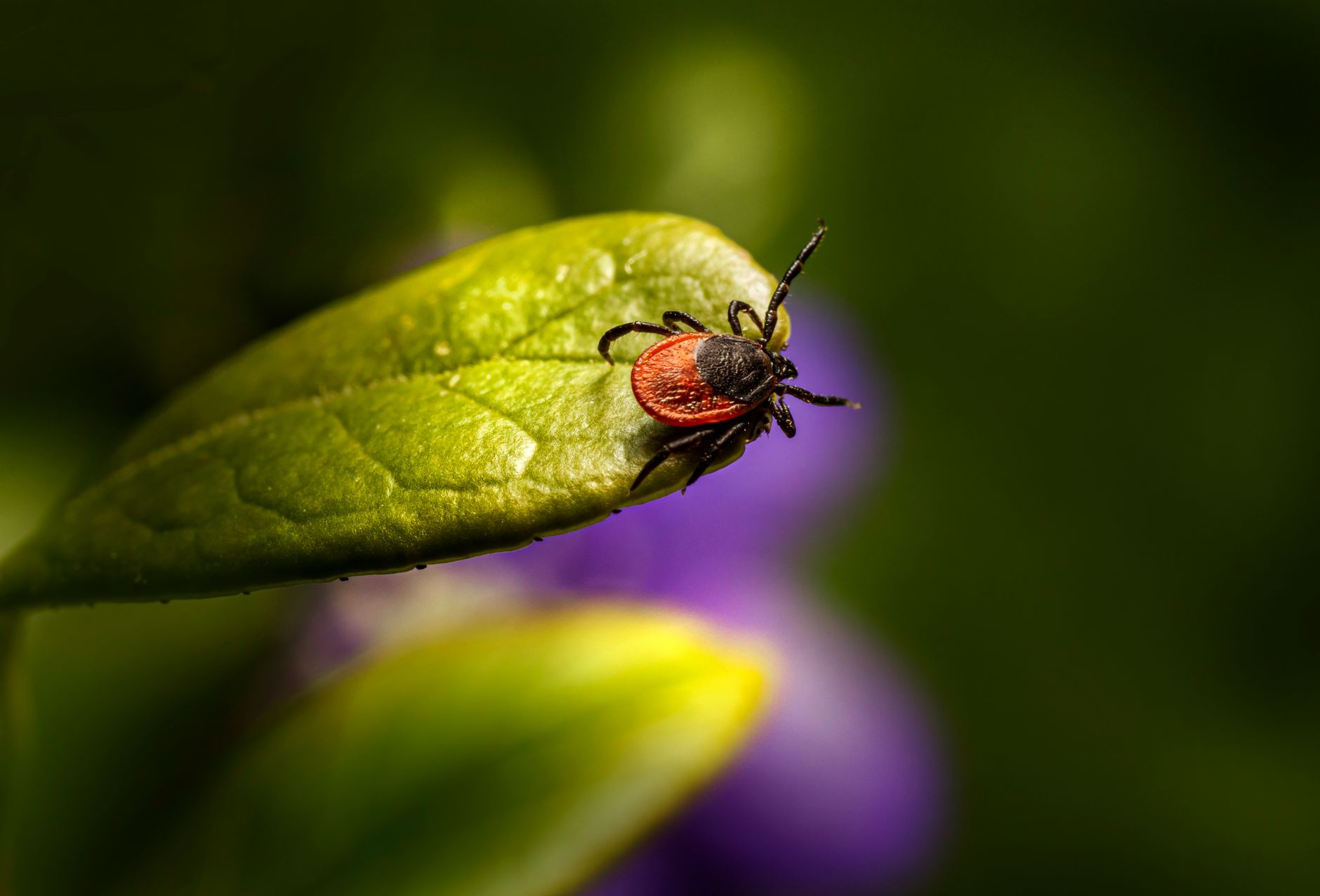
For pests: Aphids, spider mites, whiteflies, scale insects, mealybugs, thrips, Japanese beetles, leaf miners, and more.
For diseases: Powdery mildew, black spot, rust, scab, and other fungal diseases.
As a preventative: Apply neem oil every 7-14 days to prevent pest and disease problems before they start.
When not to use: Avoid spraying during flowering (it can harm pollinators). Avoid in hot, sunny conditions (above 85°F)—it can burn leaves.
Avoid sensitive plants: Test on a small area first. Some plants (like delicate herbs) may be sensitive.
Follow Safety Precautions

Avoid bees: Neem oil can harm bees if sprayed directly on flowers. Spray in the evening or early morning when bees are not active.
Don't over-spray: Over-spraying can burn leaves, especially in hot, sunny conditions. Always test on a small area first.
Wear gloves: Neem oil can be irritating to skin. Wear gloves when mixing and spraying.
Use within 8 hours: Neem oil degrades quickly after mixing. Use within 8 hours for best results.
Storage: Store neem oil in a cool, dark place. It has a shelf life of 1-2 years.
Combine with Other Pest Control Methods

Integrated pest management (IPM): Use neem oil alongside other methods like introducing beneficial insects, crop rotation, and good garden hygiene.
Beneficial insects: Neem oil is safe for beneficial insects when applied correctly. It kills only insects that feed on the plant.
Organic gardening: Neem oil is approved for organic gardening and is a key tool in organic pest control.
Rotation: Rotate neem oil with other organic pesticides to prevent pests from developing resistance.
Troubleshoot Common Neem Oil Issues

Leaf burn: Caused by spraying in hot, sunny conditions. Spray in the evening. Reduce concentration if burn persists.
Poor results: Apply more frequently (every 5-7 days). Ensure good coverage (spray all leaf surfaces). Use cold-pressed neem oil.
Clogged sprayer: Neem oil can thicken. Use warm water and shake well. Clean sprayer after use.
Smell: Neem oil has a strong, garlicky smell. It fades quickly. Spray in the evening when you won't be in the garden.
White residue: This is normal and harmless. It's the oil drying on the leaves.
Common problems and fixes
| Problem | Likely cause | What to do |
|---|---|---|
| Leaf burn (brown spots) | Sprayed in direct sunlight or too high concentration. | Spray in the evening. Reduce concentration to 1 teaspoon per quart. |
| Pests not dying | Not enough coverage or not frequent enough. | Spray more thoroughly. Apply every 5-7 days until controlled. |
| Sprayer clogging | Neem oil thickening or not mixed well. | Use warm water and shake well. Clean sprayer after use. |
| White residue on leaves | Normal oil residue. | This is harmless. Wipe off if it bothers you. |
Gardener's checklist
Test what you learned
What is the active ingredient in neem oil?
Answer: Azadirachtin
How much neem oil should you mix per quart of water?
Answer: 1-2 teaspoons
When is the best time to spray neem oil?
Answer: Early morning or evening
What should you add to neem oil to help it mix with water?
Answer: Mild dish soap
What type of neem oil is best for pest control?
Answer: Cold-pressed
Common questions
Is neem oil safe for vegetables?
Yes, neem oil is safe for vegetables. It's approved for organic gardening. Wash vegetables thoroughly before eating.
Can I use neem oil on all plants?
Most plants tolerate neem oil well. However, test on a small area first. Some sensitive plants (like delicate herbs) may show leaf burn.
How long does neem oil last after mixing?
Neem oil degrades quickly after mixing. Use within 8 hours for the best results. Don't store mixed neem oil.
Does neem oil kill beneficial insects?
Neem oil is safe for beneficial insects when applied correctly. It kills only insects that feed on the plant. Avoid spraying during flowering to protect bees.
Can I use neem oil as a soil drench?
Yes, neem oil can be used as a soil drench. Mix 2 tablespoons of neem oil per gallon of water and apply to the soil. It's absorbed by the plant and works systemically.
Neem oil is one of the most versatile and effective natural pest control solutions for gardeners. Choose cold-pressed, 100% pure neem oil for the best results. Mix 1-2 teaspoons with 1 quart of warm water and a few drops of mild soap. Spray in the early morning or evening, covering all leaf surfaces. Use it for prevention (every 7-14 days) or for active infestations (every 5-7 days). Neem oil is safe for organic gardening, effective against over 200 pests, and also works as a fungicide. With proper use, it's an essential tool for any gardener.
Frequently asked questions
How often should a vegetable garden be watered?
Frequency depends on weather, soil and plant size. Check the soil rather than watering on a rigid schedule.
Is compost enough fertilizer?
Compost improves soil and provides nutrients slowly. Heavy-feeding crops may still need additional feeding.

The Sproutstead Editorial Team
We create clear, practical gardening and homesteading guides designed for real homes and beginner growers.
View author profile →