Direct-sow spinach seeds a half-inch deep in early spring as soon as soil can be worked, or in late summer for a fall crop, spacing plants 4-6 inches apart. Keep soil consistently moist, harvest outer leaves as needed starting around 30-40 days, and plant a heat-tolerant variety or provide shade if growing into warmer weather to delay bolting.
What you will need
Time Your Planting for Cool Weather
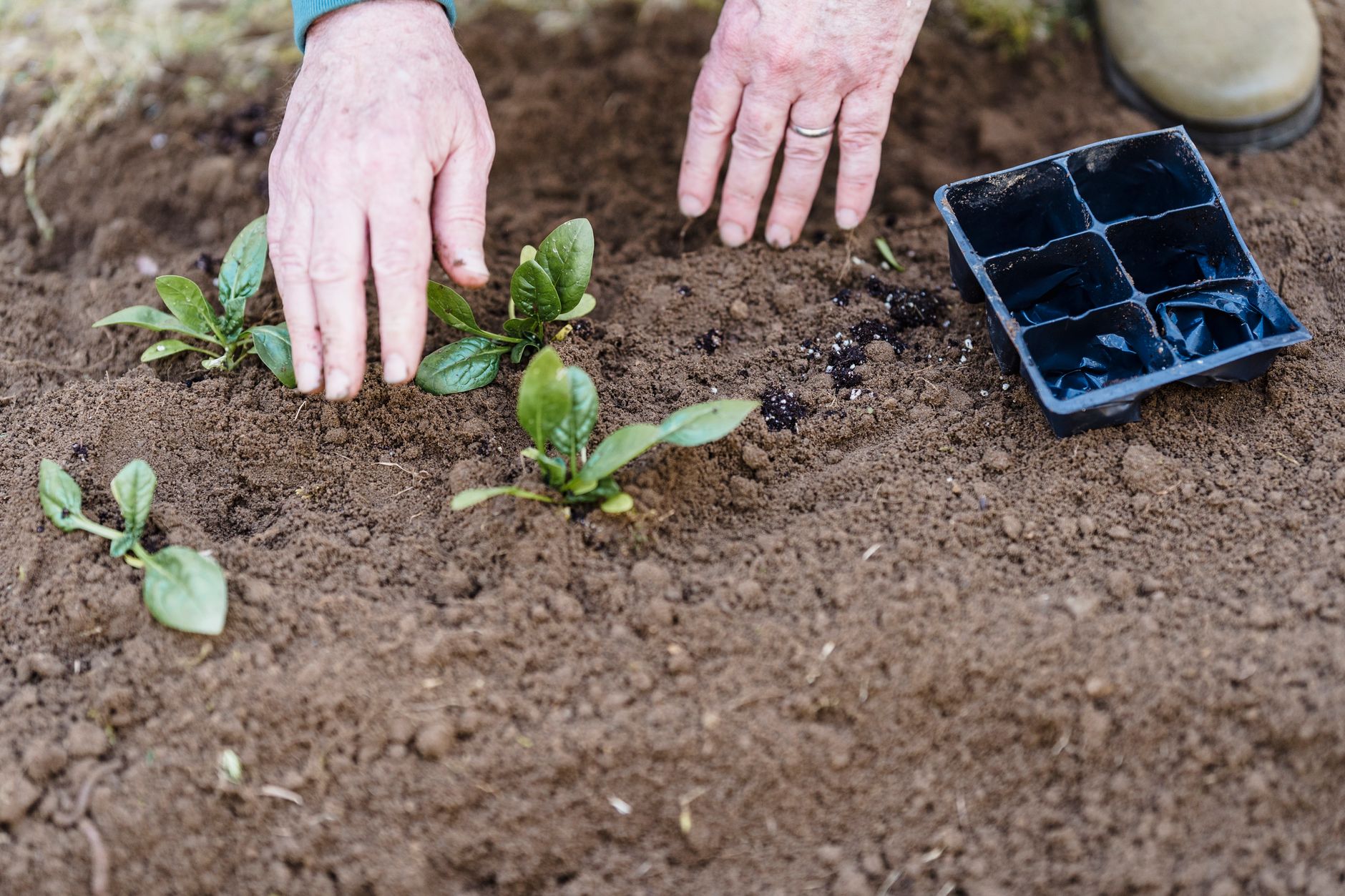
Spinach is a genuinely cool-season crop that grows best in temperatures between 50-70°F, tolerating light frost well and often surviving temperatures down into the low 20s once established, making it one of the very earliest crops many gardeners plant each spring.
Direct-sow seeds as soon as the soil can be worked in early spring, often several weeks before the last expected frost date, since spinach's cold tolerance means it doesn't need to wait for warm soil the way many other vegetables do.
For a fall crop, which many gardeners find even more reliable than spring plantings since it avoids the risk of bolting in rising spring heat, sow seeds in late summer, roughly 6-8 weeks before your first expected fall frost.
Spinach is particularly sensitive to bolting, meaning it sends up a flower stalk and turns bitter, when exposed to the combination of warm temperatures and long daylight hours typical of late spring and early summer, which is why precise timing matters more for this crop than for many others.
Choose Between Smooth-Leaf and Savoy Varieties
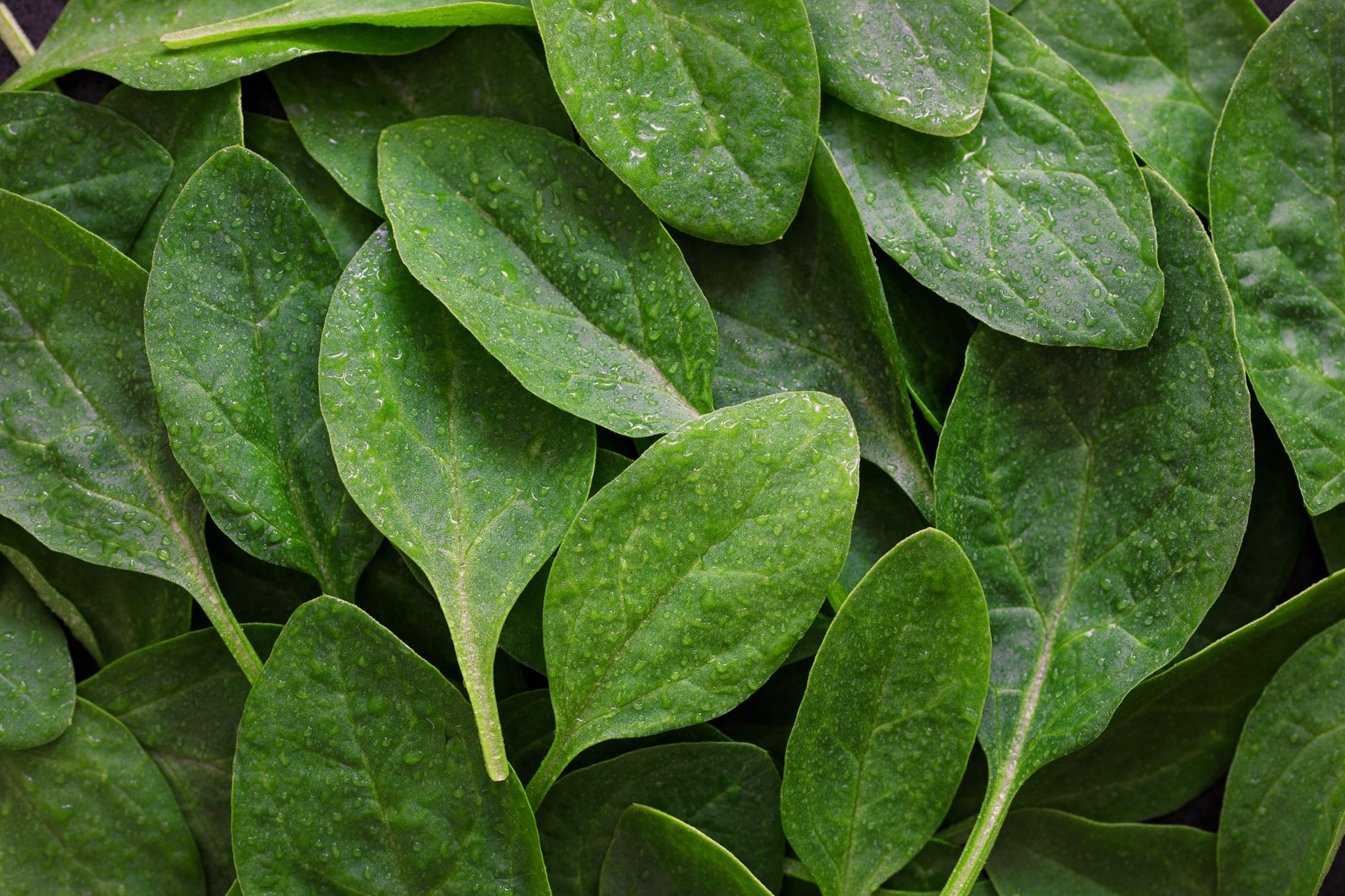
Savoy spinach, with its distinctive crinkled, curly leaves, tends to be more cold-hardy and is a traditional favorite for fresh eating, though its texture can trap dirt and grit more than smooth-leaf types, requiring more thorough washing.
Smooth-leaf, or flat-leaf, spinach has broader, flatter leaves that are easier to clean and are commonly used both fresh and for processing, making them popular for gardeners who plan to freeze or cook much of their harvest.
Semi-savoy varieties offer a middle ground, with slightly crinkled leaves that are somewhat easier to clean than full savoy types while retaining some of their cold hardiness and traditional texture.
For gardeners specifically concerned about bolting, look for varieties explicitly bred for slow-bolting characteristics, such as Tyee or Space, which can extend the harvest window noticeably longer into warming spring weather than older heirloom varieties.
Prepare Fertile Soil and Sow Seeds
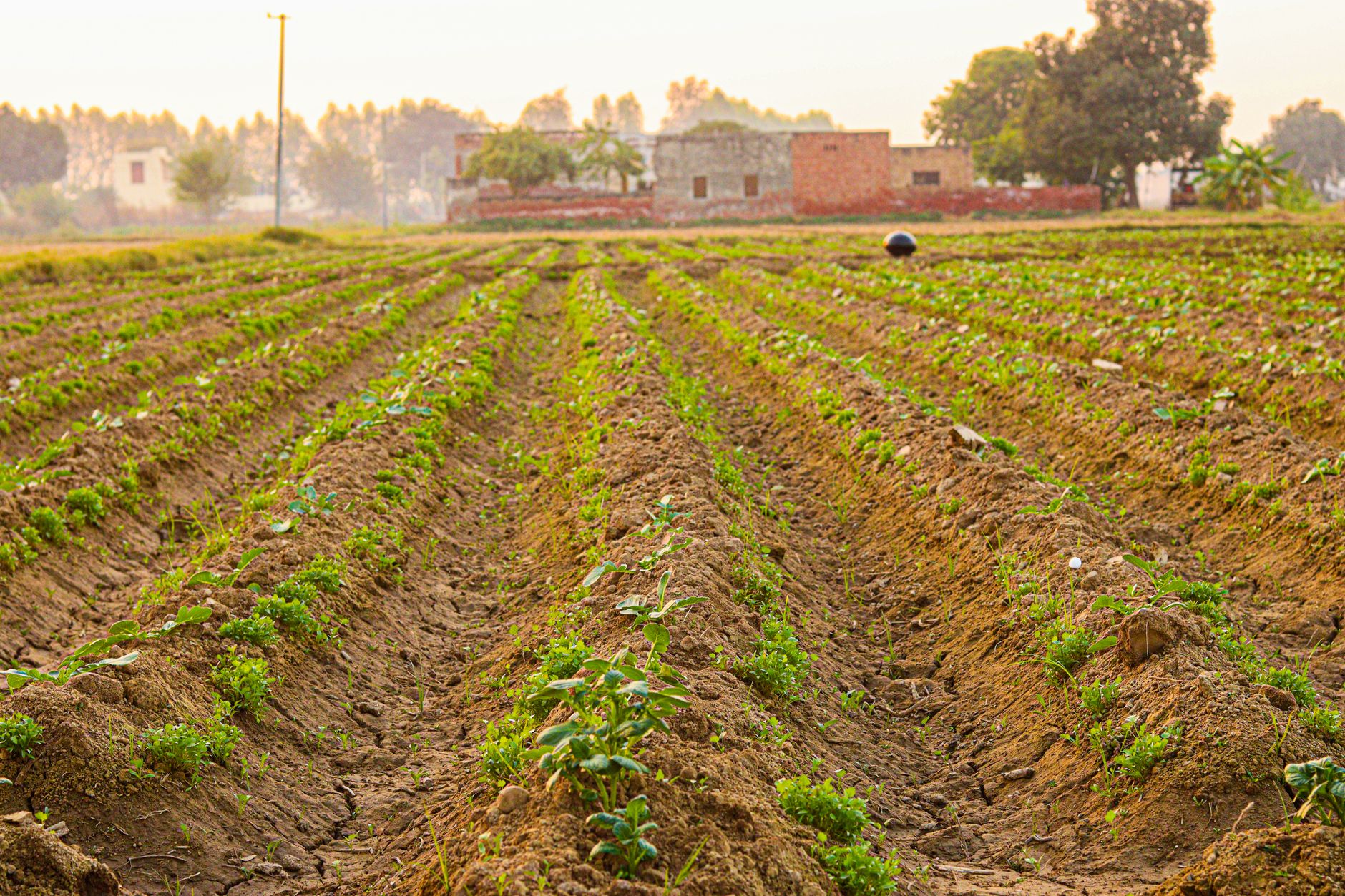
Work compost into the soil before planting, since spinach is a moderately heavy feeder that benefits from rich, fertile soil to support its quick growth cycle from seed to harvestable leaves in as little as a month.
Spinach prefers a soil pH closer to neutral, between 6.5 and 7.0, which is notably higher than many vegetables prefer; if your soil tests more acidic, working in garden lime ahead of planting can improve growth and flavor.
Sow seeds directly in the garden about a half-inch deep, spacing them 2-3 inches apart initially in rows 12 inches apart, planning to thin to a final spacing of 4-6 inches once seedlings emerge and develop their first true leaves.
Choose a location with full sun for spring plantings, but consider a spot with light afternoon shade for late-season plantings that might extend into warmer weather, since some shade helps delay the bolting that warm temperatures trigger.
Water Consistently for Tender Growth

Water consistently, providing about an inch per week from rainfall and irrigation combined, since spinach's relatively shallow root system makes it more prone to stress from inconsistent moisture than deeper-rooted vegetables.
Mulch lightly around plants once established to help retain soil moisture and keep root temperatures cooler, which can meaningfully help delay bolting as temperatures begin to rise in late spring.
Avoid letting soil dry out completely between waterings, since drought stress is one of the factors that can trigger premature bolting even in otherwise well-timed plantings.
During particularly warm stretches, increasing watering frequency slightly, along with providing light shade if possible, can help buy a bit more time before the plants bolt and become unusable.
Feed Lightly to Support Leafy Growth

Side-dress with a nitrogen-rich fertilizer or compost about 3 weeks after seedlings emerge, which supports spinach's rapid leafy growth, since unlike fruiting vegetables, all of spinach's energy investment goes directly into the harvestable leaves.
Avoid heavy, infrequent fertilizing in favor of lighter, more frequent applications, since spinach's fast growth cycle means it benefits from steady nutrition rather than a single large feeding at planting.
A layer of compost worked into the soil before planting, combined with one light feeding partway through the growing cycle, is generally sufficient for a healthy, productive crop without over-fertilizing.
Pale or yellowing leaves partway through growth can signal a need for additional nitrogen, which is worth addressing promptly given spinach's short overall growing window compared to many other vegetables.
Recognize and Manage Bolting

Bolting is triggered primarily by the combination of warm temperatures, generally above 75°F, and the longer daylight hours of late spring and early summer, both of which signal to the plant that it's time to shift from leaf production into flowering and seed production.
Once a spinach plant begins bolting, sending up a central stalk that grows noticeably taller than the surrounding leaves, the remaining leaves typically turn bitter fairly quickly, making the plant much less pleasant to eat even though it's still technically edible at this stage.
There's no way to reverse bolting once it's clearly underway, so the most effective approach is prevention: choosing slow-bolting varieties, planting early enough that harvest completes before hot weather arrives, and providing afternoon shade if a planting extends into borderline warm conditions.
Some gardeners intentionally let a few plants bolt and go to seed at the end of a planting's productive life, collecting the seeds for future plantings, which is a straightforward way to save your own spinach seed from open-pollinated varieties.
Manage Leaf Miners and Other Pests

Leaf miners are the most significant pest affecting spinach, with larvae tunneling between the leaf surfaces and creating distinctive winding, pale trails that make affected leaves unappetizing even though the damage isn't typically dangerous to eat.
Covering beds with fine mesh row cover fabric immediately after sowing is highly effective at preventing leaf miner damage, since it physically blocks the adult flies from reaching the leaves to lay their eggs in the first place.
If leaf miner damage does appear, removing and destroying affected leaves promptly helps prevent the larvae inside from completing their life cycle and producing another generation within the same planting.
Aphids can occasionally cluster on the undersides of spinach leaves; a strong spray of water usually dislodges light infestations without requiring any further treatment.
Harvest for Continuous Production
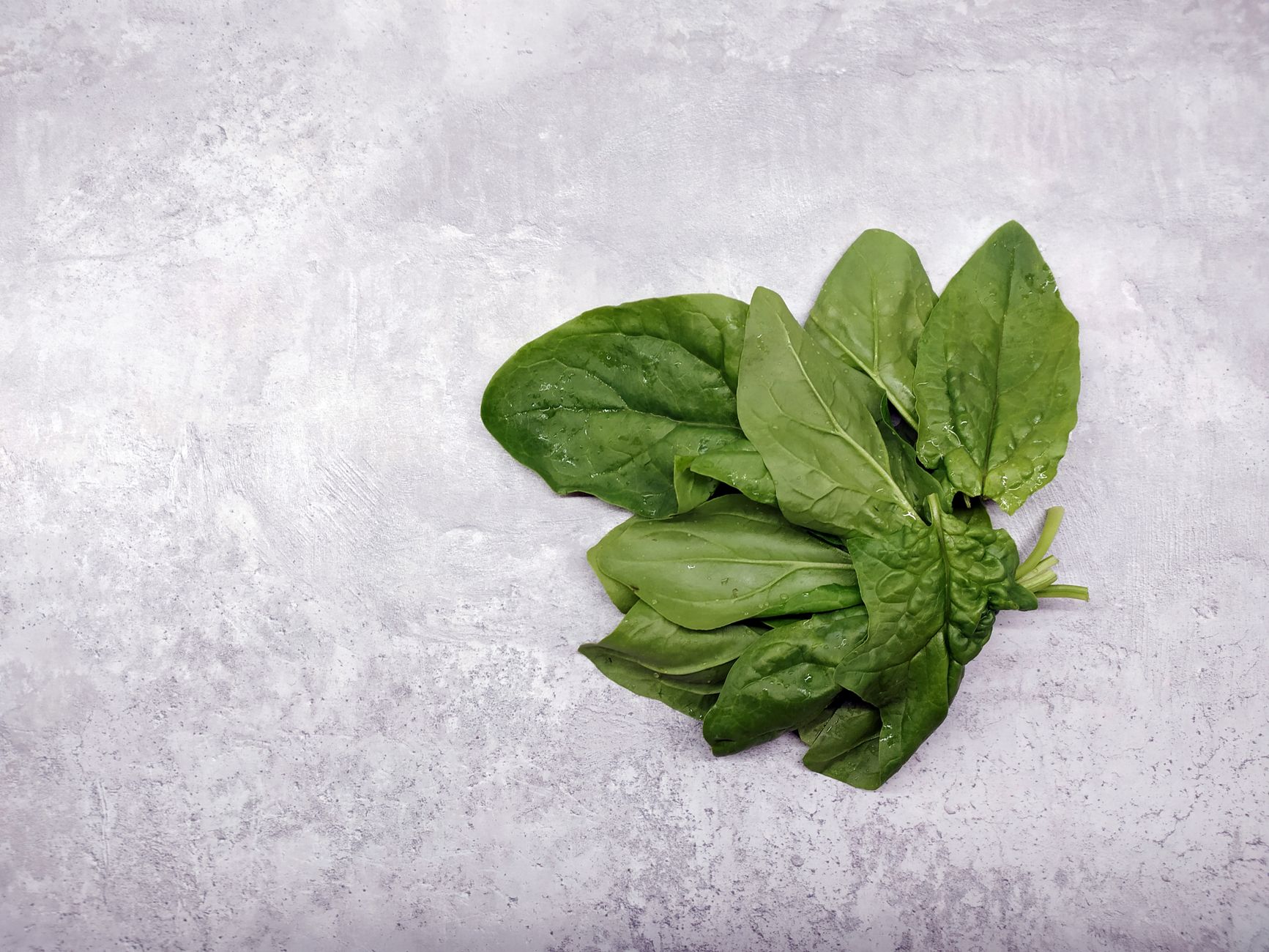
Begin harvesting individual outer leaves once plants have at least 5-6 mature leaves, typically 30-40 days after sowing, cutting or gently snapping leaves at the base while leaving the central growing point intact so the plant continues producing new leaves.
This cut-and-come-again approach can extend a single planting's productive harvest window by several additional weeks compared to harvesting the entire plant at once, making it the preferred method for most home gardeners.
Alternatively, for a single larger harvest, cut the entire plant at soil level once it's reached a good size but before any signs of bolting appear, which works well if you're planning to immediately process or preserve a larger quantity at once.
Harvest in the cool of the morning when leaves are at their crispest, and check plantings every few days once they reach harvestable size, since spinach grows quickly during its ideal cool-weather window and can bolt with surprisingly little warning once temperatures rise.
Common problems and fixes
| Problem | Likely cause | What to do |
|---|---|---|
| Plant sends up a tall central stalk and leaves turn bitter | Bolting triggered by warm temperatures combined with long daylight hours. | Harvest remaining usable leaves promptly, and plan earlier spring or fall plantings using slow-bolting varieties in future seasons. |
| Pale, winding trails visible on leaves | Leaf miner larvae tunneling between leaf surfaces. | Remove and destroy affected leaves, and use row cover fabric from sowing onward in future plantings to prevent egg-laying. |
| Slow or stunted growth despite adequate watering | Insufficient soil fertility or soil pH that's too acidic for spinach's preference. | Side-dress with nitrogen-rich fertilizer and test soil pH, amending with garden lime if it's significantly below 6.5. |
Gardener's checklist
Test what you learned
What two conditions primarily trigger spinach to bolt?
Answer: Warm temperatures and long daylight hours
What harvesting method extends a spinach planting's productive life the longest?
Answer: Harvesting outer leaves first, cut-and-come-again
What pest creates winding, pale trails on spinach leaves?
Answer: Leaf miners
Common questions
Why did my spinach bolt so quickly?
Bolting is triggered by the combination of rising temperatures (generally above 75°F) and the longer daylight hours of late spring, which signal the plant to shift into flowering rather than continuing leafy growth. Planting earlier or choosing a slow-bolting variety helps extend the harvest window.
Can spinach be grown in partial shade?
Yes, and light afternoon shade is actually beneficial for late-spring plantings, since it helps moderate soil and air temperature and can meaningfully delay bolting as the season warms.
How long does spinach take to grow?
Spinach is ready for its first harvest of outer leaves in as little as 30-40 days after sowing, making it one of the faster vegetables to reach a harvestable size, particularly useful for gardeners wanting quick results in early spring.
Is fall or spring better for growing spinach?
Many experienced gardeners prefer fall plantings, since the crop matures as temperatures cool rather than rise, largely avoiding the bolting risk that spring plantings face if warm weather arrives before harvest is complete.
Spinach rewards careful timing more than almost any other leafy green; plant it in the cool bookends of the growing season, harvest outer leaves consistently, and you'll get weeks of tender, flavorful greens before warm weather ends the crop.
Frequently asked questions
How often should a vegetable garden be watered?
Frequency depends on weather, soil and plant size. Check the soil rather than watering on a rigid schedule.
Is compost enough fertilizer?
Compost improves soil and provides nutrients slowly. Heavy-feeding crops may still need additional feeding.

The Sproutstead Editorial Team
We create clear, practical gardening and homesteading guides designed for real homes and beginner growers.
View author profile →