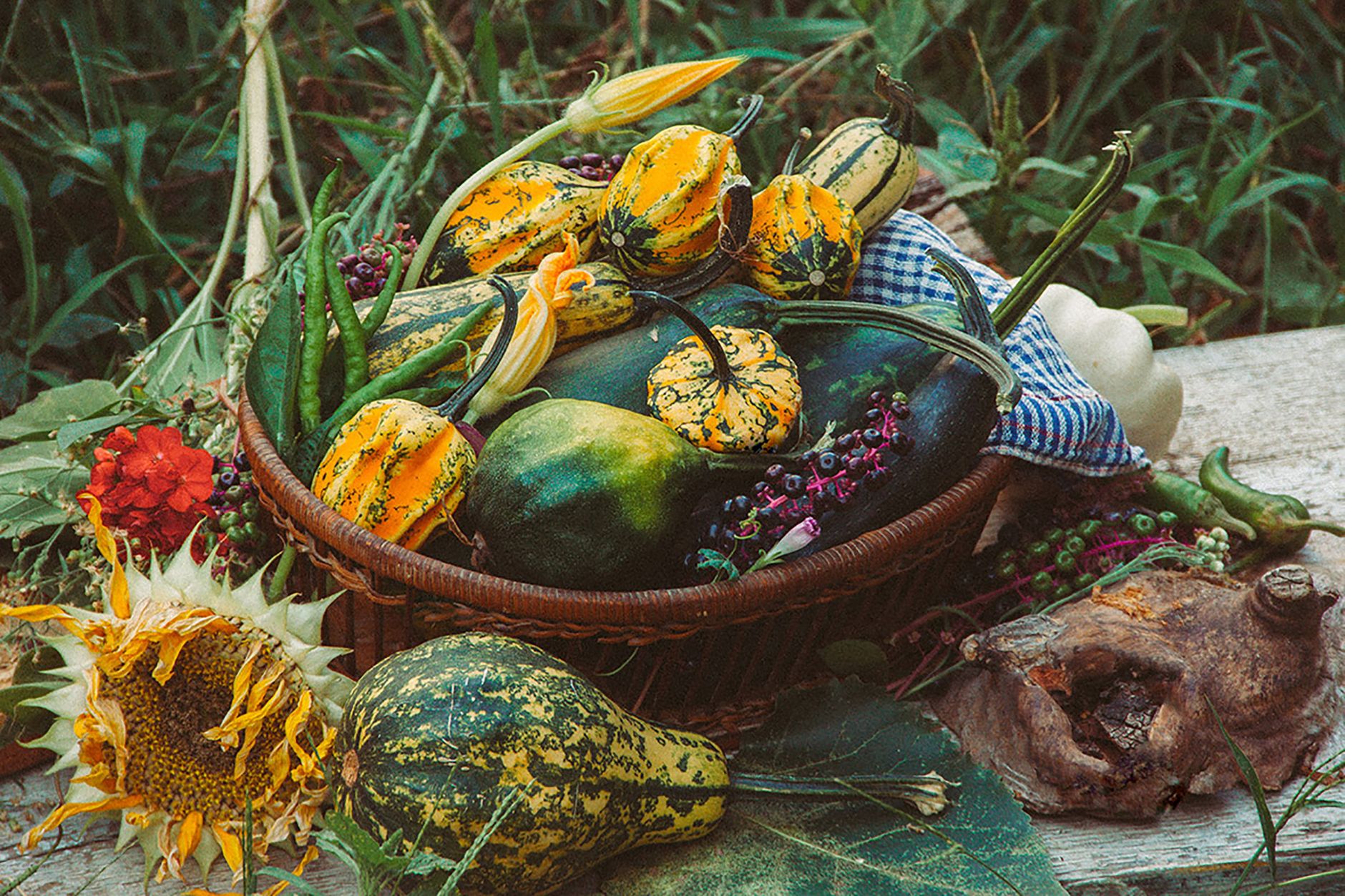
Plan a fall vegetable garden by counting backward from your first expected fall frost using each crop's days-to-maturity, adding a couple of weeks of buffer for slowing autumn growth. Prioritize cool-season crops like leafy greens, root vegetables, and brassicas, which tolerate frost well and often taste better after cool exposure, and use row covers or cold frames to extend the harvest further into winter.
What you will need
Find Your First Fall Frost Date and Count Backward

Look up your area's average first fall frost date, available from local extension offices, gardening almanacs, or various online frost date calculators using your zip code, since this date anchors your entire fall planting schedule.
For each crop you want to grow, find its days-to-maturity on the seed packet, then count backward from your first frost date to determine the latest date you can plant and still expect a full harvest before cold weather arrives.
Add an extra 1-2 weeks of buffer beyond the listed days-to-maturity, sometimes called the 'fall factor,' since plants grow more slowly as daylight hours shorten and temperatures cool in autumn compared to the conditions they were originally timed for in spring listings.
For crops that tolerate frost well, like kale and spinach, exact precision matters less, since these can continue growing and being harvested even after light frosts; for frost-sensitive crops, however, this calculation is genuinely critical to getting a harvest at all.
Choose Cool-Season Crops Suited to Fall

Leafy greens including kale, spinach, lettuce, arugula, and Swiss chard are excellent fall choices, since they mature quickly, tolerate cool temperatures and light frost well, and in several cases (particularly kale and spinach) actually develop sweeter flavor after cold exposure.
Root vegetables including carrots, beets, radishes, and turnips also do well in fall, similarly benefiting from the flavor-sweetening effect of cool temperatures, and several can be left in the ground for extended harvest well into the colder months.
Brassicas including broccoli, cabbage, and Brussels sprouts often perform even better in fall than spring, since maturing during cooling temperatures rather than rising ones tends to produce sweeter, more reliably formed heads with fewer bolting issues.
Garlic, while not technically a fall-harvested crop, is planted in fall for the following summer's harvest, making autumn the right season to think about this long-term planting alongside your more immediate fall vegetable choices.
Prepare Beds as Summer Crops Finish

As early summer crops like peas, garlic, or spring greens finish producing, clear the spent plants promptly rather than leaving the bed idle, since this timing often coincides well with the planting window for many fall crops.
Work fresh compost into cleared beds before fall planting, since the soil has already supported one round of growth this season and benefits from replenished nutrients to support the upcoming fall crop.
Consider which beds will be needed for garlic planting later in fall, and plan your summer crop rotation with this in mind, since garlic needs a dedicated space from fall through the following summer.
This staggered succession, clearing and replanting beds as different crops finish throughout the season, is what allows a single garden to produce considerably more total food than a garden planted once in spring and left unchanged until fall cleanup.
Start Some Crops Indoors for a Head Start

Some fall crops, particularly broccoli, cabbage, and other brassicas, benefit from being started indoors in a cooler location during the hottest part of summer, then transplanted outdoors once temperatures begin moderating, since direct-sown seeds can struggle to germinate in soil that's still quite hot.
Fast-maturing crops like radishes, lettuce, and most root vegetables are typically fine to direct-sow even in late summer heat, since their quick germination and growth cycle means they're past the most vulnerable early stage relatively fast.
If direct-sowing during hot weather, providing light shade cloth over newly planted areas for the first week or two can help improve germination rates for crops that might otherwise struggle in the lingering heat.
Keep soil consistently moist during this transitional planting period, since late-summer heat combined with the shorter daylight hours ahead means seeds and young seedlings need reliable moisture to establish before conditions genuinely begin cooling.
Protect Plants as Temperatures Drop

Floating row cover fabric, draped loosely over plants and secured at the edges, typically provides 4-8 degrees of frost protection, often enough to extend the harvest of frost-sensitive crops by several additional weeks into fall.
Cold frames, essentially miniature greenhouses built low to the ground, offer more substantial protection than row covers alone and can keep hardy greens like lettuce and spinach producing well into winter in many climates.
Low tunnels, hoops covered with row cover fabric or plastic, split the difference between simple row covers and full cold frames, offering good protection while remaining relatively inexpensive and easy to set up over an existing row.
Mulch heavily, 4-6 inches of straw, around root vegetables you plan to leave in the ground for extended harvest, which helps keep the soil workable and the roots insulated even as air temperatures drop significantly.
Harvest Strategically Through the Cold Months

Harvest leafy greens using the cut-and-come-again method, taking outer leaves while leaving the center intact, which can extend a single fall planting's productive life for many additional weeks compared to a one-time full harvest.
Leave root vegetables like carrots and beets in the ground and harvest gradually as needed, effectively using the garden bed itself as extended cold storage, particularly effective under a protective layer of mulch in regions with moderate winters.
Harvest the most frost-sensitive crops promptly once a hard freeze is genuinely imminent, since even cold-tolerant vegetables have their limits, and a severe freeze can damage crops that had otherwise been handling lighter frosts just fine.
Keep monitoring the extended weather forecast through fall, since a string of unusually warm days can sometimes allow continued harvest well past when you initially expected the season to end, rewarding attentive gardeners with extra weeks of fresh produce.
Common problems and fixes
| Problem | Likely cause | What to do |
|---|---|---|
| Fall crops seem to be growing much slower than the seed packet suggests | Shortening daylight hours and cooling temperatures naturally slow growth compared to spring conditions. | This is expected; plan for the 1-2 week fall buffer in future seasons, and be patient with crops that are otherwise growing normally. |
| Seeds planted in late summer fail to germinate well | Soil temperature still too hot for reliable germination of certain crops. | Provide light shade cloth over new plantings for the first week or two, or start sensitive crops indoors in a cooler location instead. |
| An early unexpected frost damages crops that seemed to have more time | Frost dates are averages, not guarantees, and actual timing varies year to year. | Keep row cover fabric on hand and ready to deploy quickly once frost is forecast, even earlier than the average date might suggest. |
Gardener's checklist
Test what you learned
What is the most important date to know when planning a fall garden?
Answer: Your first expected fall frost date
Why should gardeners add extra time beyond a crop's listed days-to-maturity for fall planting?
Answer: Shortening daylight and cooling temperatures slow autumn growth
What is a simple, low-cost way to extend a fall harvest by several weeks?
Answer: Using row cover fabric for frost protection
Common questions
When should I start planning my fall vegetable garden?
Start planning in mid-summer, working backward from your area's first expected fall frost date using each crop's days-to-maturity plus a buffer of 1-2 weeks, since many fall crops actually need to be planted while summer crops are still producing.
What vegetables are best for a fall garden?
Leafy greens like kale and spinach, root vegetables like carrots and beets, and brassicas like broccoli and cabbage are all excellent fall choices, since they tolerate cool temperatures and frost well and often develop better flavor after cold exposure.
Can I extend my fall garden into winter?
Yes, using row covers, cold frames, or low tunnels for frost protection, along with choosing genuinely cold-hardy crops like kale, spinach, and leeks, many gardeners successfully harvest fresh vegetables well into winter, especially in milder climates.
Do I need to till or heavily prepare soil for fall planting?
Working fresh compost into beds as summer crops are cleared is generally sufficient; full tilling isn't usually necessary if the bed was already in reasonable condition from the previous planting.
A fall garden isn't an afterthought to summer, but a genuine second growing season, and gardeners who plan around their frost date and choose the right cool-season crops are consistently rewarded with fresh harvests well beyond when most gardens have already finished for the year.
Frequently asked questions
How often should a vegetable garden be watered?
Frequency depends on weather, soil and plant size. Check the soil rather than watering on a rigid schedule.
Is compost enough fertilizer?
Compost improves soil and provides nutrients slowly. Heavy-feeding crops may still need additional feeding.

The Sproutstead Editorial Team
We create clear, practical gardening and homesteading guides designed for real homes and beginner growers.
View author profile →