Plant onion sets or transplants in early spring, 4-6 inches apart, in loose, fertile, well-draining soil in full sun. Choose a variety matched to your day length (long-day for northern climates, short-day for southern), water and feed consistently through the season, and harvest in mid-to-late summer once tops fall over and yellow.
What you will need
Choose the Right Day-Length Variety

Onions form bulbs in response to day length rather than simply temperature or time since planting, so choosing the right type for your latitude is one of the most important decisions you'll make before ever putting a set in the ground.
Long-day varieties need 14-16 hours of daylight to trigger bulbing and are suited to northern regions with long summer days. Short-day varieties need only 10-12 hours and suit southern climates where summer days are shorter relative to northern latitudes.
Intermediate-day varieties offer a flexible middle ground for regions that don't fall clearly into either category, roughly the middle third of the United States, and often perform reasonably well across a broader range of latitudes than the more specialized types.
Planting the wrong day-length type for your region is one of the most common reasons home-grown onions end up small, fail to bulb properly, or bolt prematurely, so it's worth checking seed packet or nursery labeling carefully before buying.
Prepare Fertile, Loose Soil

Work compost or aged manure into the top 6 inches of soil before planting, since onions are relatively heavy feeders with shallow root systems that can't reach deep into the soil profile for nutrients the way many other vegetables can.
Choose a full-sun location with well-draining soil; standing water or heavy clay quickly leads to bulb rot and stunted, uneven growth throughout the bed.
A soil pH between 6.0 and 6.8 is ideal for onions. If your soil is very acidic, working in garden lime a season ahead of planting can help bring pH into the right range gradually.
Avoid planting onions in a bed that grew garlic, leeks, or other onions within the past 2-3 years, since this rotation gap reduces the buildup of allium-specific soil pests and diseases.
Plant Sets or Transplants
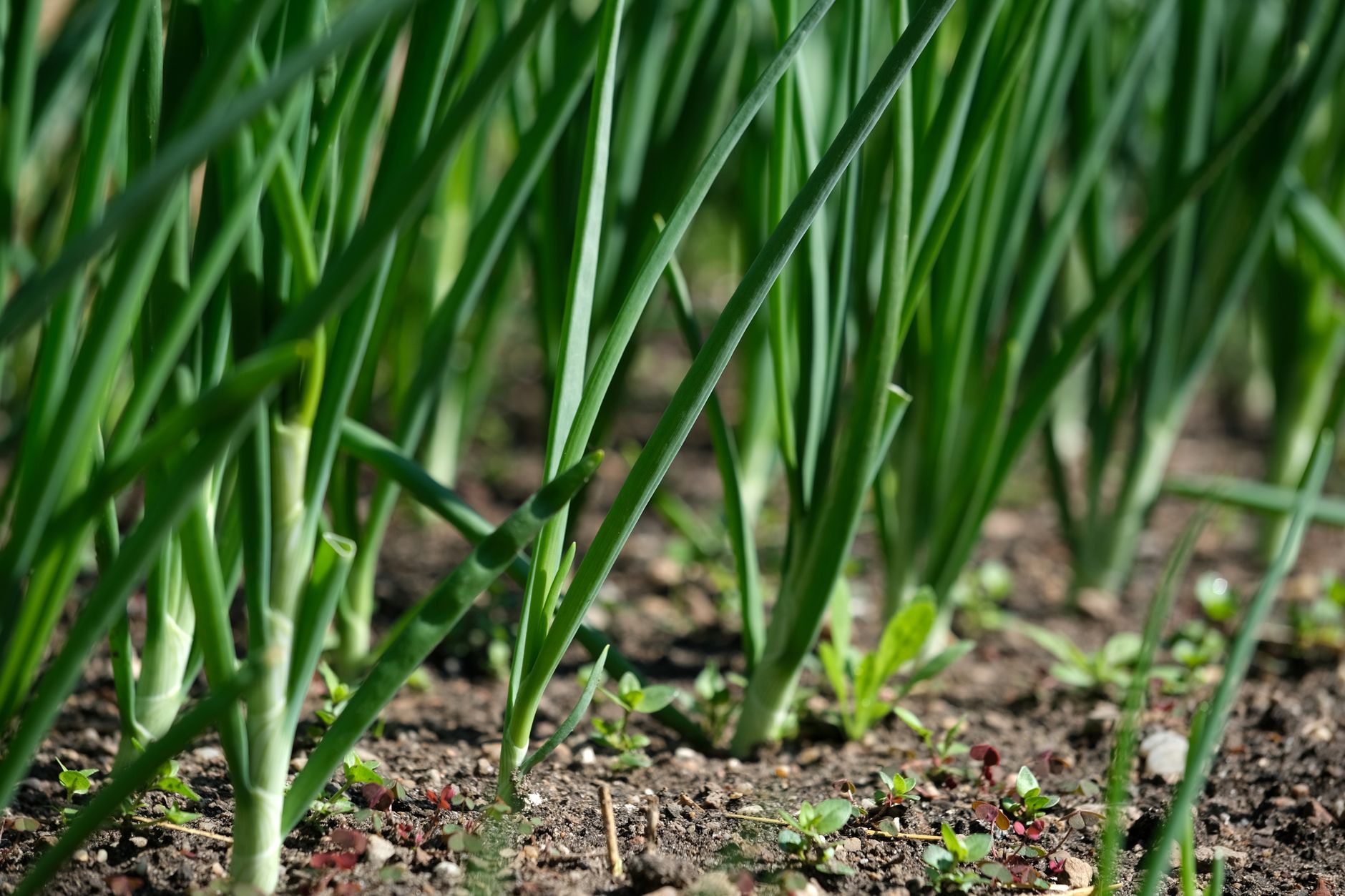
Plant onion sets or transplants as soon as the soil can be worked in early spring, since onions tolerate light frost reasonably well and benefit from an early start before summer heat arrives.
Space plants 4-6 inches apart in rows 12-18 inches apart to give bulbs enough room to expand fully without competing directly with their neighbors for nutrients and moisture.
Plant sets just deep enough to cover the bulb with about an inch of soil, with the pointed tip facing up. Planting too deep can lead to misshapen bulbs or delayed emergence.
If using seedling transplants instead of sets, trim the roots to about an inch before planting, which is a traditional technique believed to encourage strong new root growth and reduce transplant shock.
Water and Feed Through the Season

Water onions consistently, providing about 1 inch of water per week from rain or irrigation combined, since inconsistent moisture can cause bulbs to split, form unevenly, or stay smaller than expected.
Feed with a balanced or nitrogen-rich fertilizer every 3-4 weeks during the early growing period to support strong leafy top growth, which directly and predictably affects the eventual bulb size later in the season.
Mulch lightly around plants once they're established to help conserve soil moisture and suppress competing weeds, being careful not to bury the developing bulb itself as it starts to swell above the soil line.
Stop fertilizing and reduce watering once bulbs begin to swell noticeably and tops start to yellow, which signals the plant is naturally shifting its energy from leaf growth into final bulb maturation.
Manage Pests and Weeds
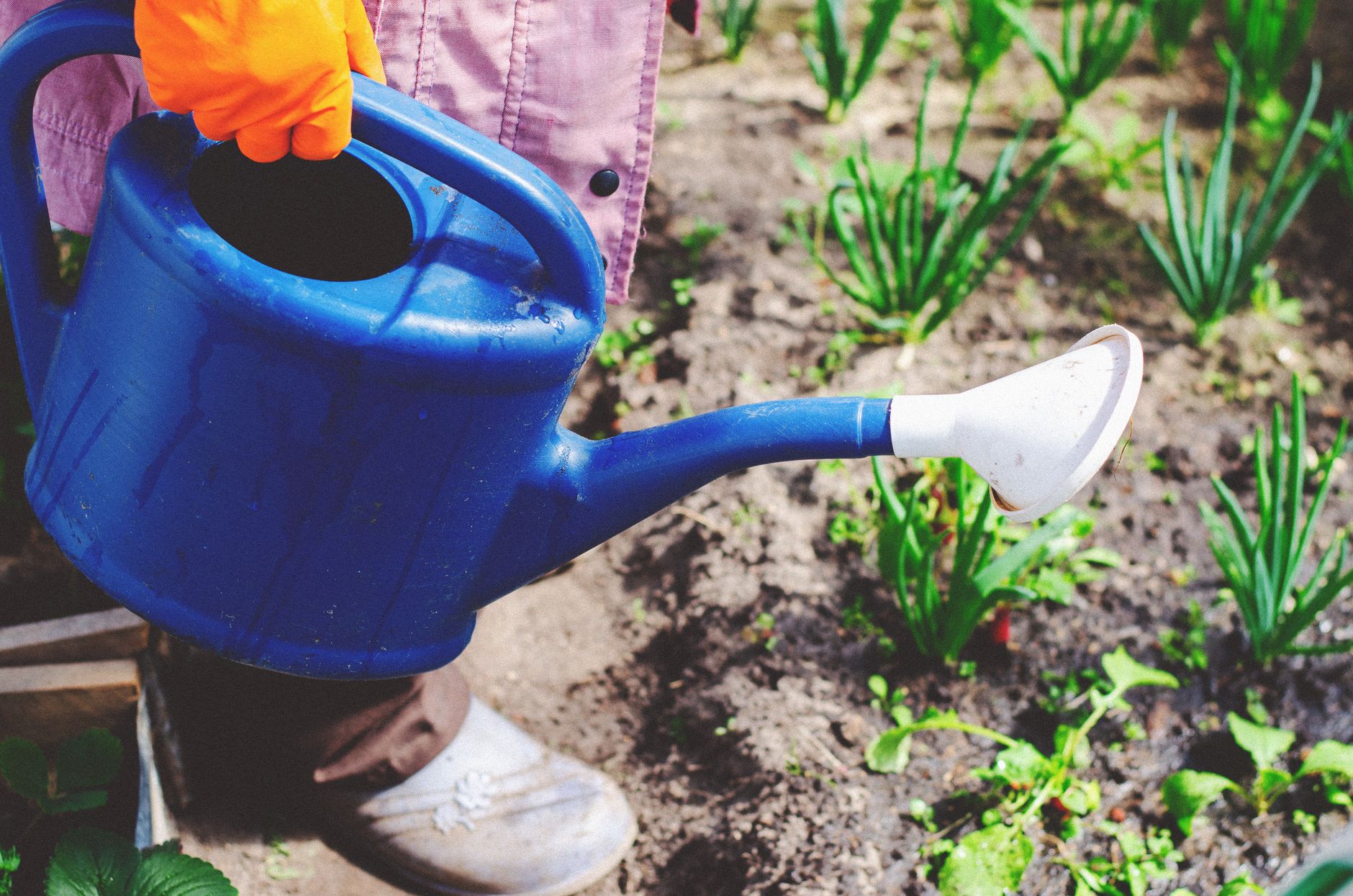
Onions have narrow, upright leaves that don't shade out competing weeds the way broader-leaved vegetables do, making consistent weeding especially important, particularly in the first two months after planting.
Onion maggots and thrips are the most common pests, with maggots tunneling into bulbs and thrips causing silvery streaking on leaves. Crop rotation and removing plant debris after harvest are the most effective long-term prevention strategies.
Hand-weed carefully close to plants to avoid disturbing the shallow root system, and use a hoe for the wider spaces between rows to save time on larger plantings.
Harvest at the Right Time

Onions are ready to harvest when the majority of tops have fallen over and begun to yellow or brown on their own, typically 90-120 days after planting, depending on variety and local growing conditions.
Gently lift bulbs with a garden fork rather than pulling directly by the tops, to avoid bruising, and let them dry in the garden for a day if weather is dry and sunny, which begins the curing process right in the field.
Handle freshly dug onions carefully during this stage, since bruised or damaged bulbs are far more prone to rot in storage than bulbs that were harvested and handled gently.
Cure and Store for Long-Term Use

Cure onions in a warm, dry, well-ventilated spot out of direct sun for 2-3 weeks until the outer skins are fully papery and the necks are completely dry and tight.
Once cured, trim roots and tops (leaving an inch or so of neck), and store bulbs in mesh bags, braided bunches, or shallow crates in a cool, dark, dry location with good air circulation.
Pungent, strong-flavored storage onions generally keep longer than sweeter varieties; sweet onions like Vidalia types are best used within a few weeks to a couple of months, while good storage onions can last 6 months or more under ideal conditions.
Common problems and fixes
| Problem | Likely cause | What to do |
|---|---|---|
| Onions bolting (sending up a flower stalk) early | A cold snap shortly after planting or overly stressed plants from heat or drought. | Harvest bolted onions promptly for immediate use, since they won't store well, and avoid planting too early into unpredictable spring weather in future seasons. |
| Small bulbs at harvest | Wrong day-length variety, poor fertility, or inconsistent watering during the growing season. | Confirm your variety matches your region's day length and maintain steady watering and feeding through the entire growing season. |
Gardener's checklist
Test what you learned
What determines when onions form bulbs?
Answer: Day length
When should you stop heavy watering on onions?
Answer: Once tops fall over and start to yellow
Which type of onion generally stores the longest?
Answer: Pungent storage varieties
Common questions
Can I grow onions from seed instead of sets?
Yes, though seeds require starting indoors 8-10 weeks before your last frost. Sets and transplants are faster and more beginner-friendly but sometimes offer fewer variety choices than starting from seed.
How long do stored onions last?
Properly cured pungent storage onions kept in a cool, dry, dark spot can last 3-6 months or longer depending on variety, while sweeter varieties typically last only a few weeks to a couple of months.
Why are my onion bulbs so small?
Small bulbs are most often caused by planting the wrong day-length variety for your region, inconsistent watering, or insufficient soil fertility during the leafy growth stage that precedes bulbing.
Choosing the right day-length variety and giving onions consistent water and fertility through the season are the two biggest factors behind a heavy, well-formed, storable onion harvest.
Frequently asked questions
How often should a vegetable garden be watered?
Frequency depends on weather, soil and plant size. Check the soil rather than watering on a rigid schedule.
Is compost enough fertilizer?
Compost improves soil and provides nutrients slowly. Heavy-feeding crops may still need additional feeding.

The Sproutstead Editorial Team
We create clear, practical gardening and homesteading guides designed for real homes and beginner growers.
View author profile →