Start leek seeds indoors 10-12 weeks before your last frost, then transplant into trenches 6-8 inches deep, gradually filling in soil around the stems as they grow to blanch them white. Water and feed consistently through the long growing season, and harvest 90-120 days after transplanting, or leave leeks in the ground through winter in mild climates for extended harvesting.
What you will need
Start Seeds Indoors Early
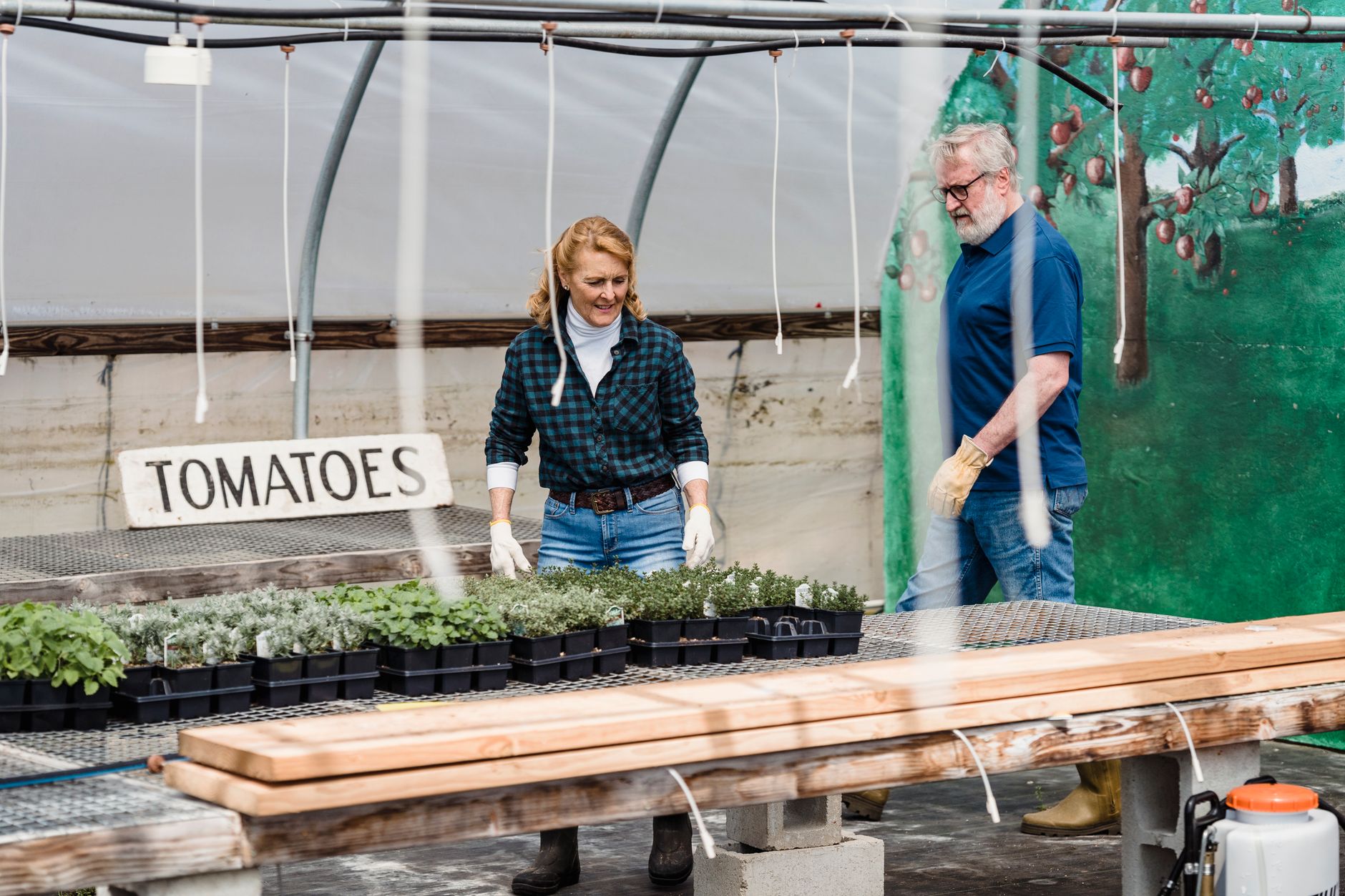
Leeks have one of the longest growing seasons of common garden vegetables, typically needing a full 4-5 months from seed to harvest, which is why starting seeds indoors 10-12 weeks before your last frost date is genuinely important rather than optional in most climates.
Sow seeds a quarter-inch deep in a good seed-starting mix; leek seedlings initially look thin and grass-like, easy to mistake for weeds if you're not expecting their appearance, and grow notably slowly at first compared to many other vegetables.
Once seedlings reach about 4-6 inches tall, some growers trim the tops back to about 3 inches using scissors, which is believed by many experienced leek growers to encourage thicker stem development, similar to a technique sometimes used with onion seedlings.
Harden off seedlings for about a week before transplanting, gradually increasing their outdoor exposure to reduce shock once they're moved permanently into the garden.
Dig Trenches for Proper Blanching
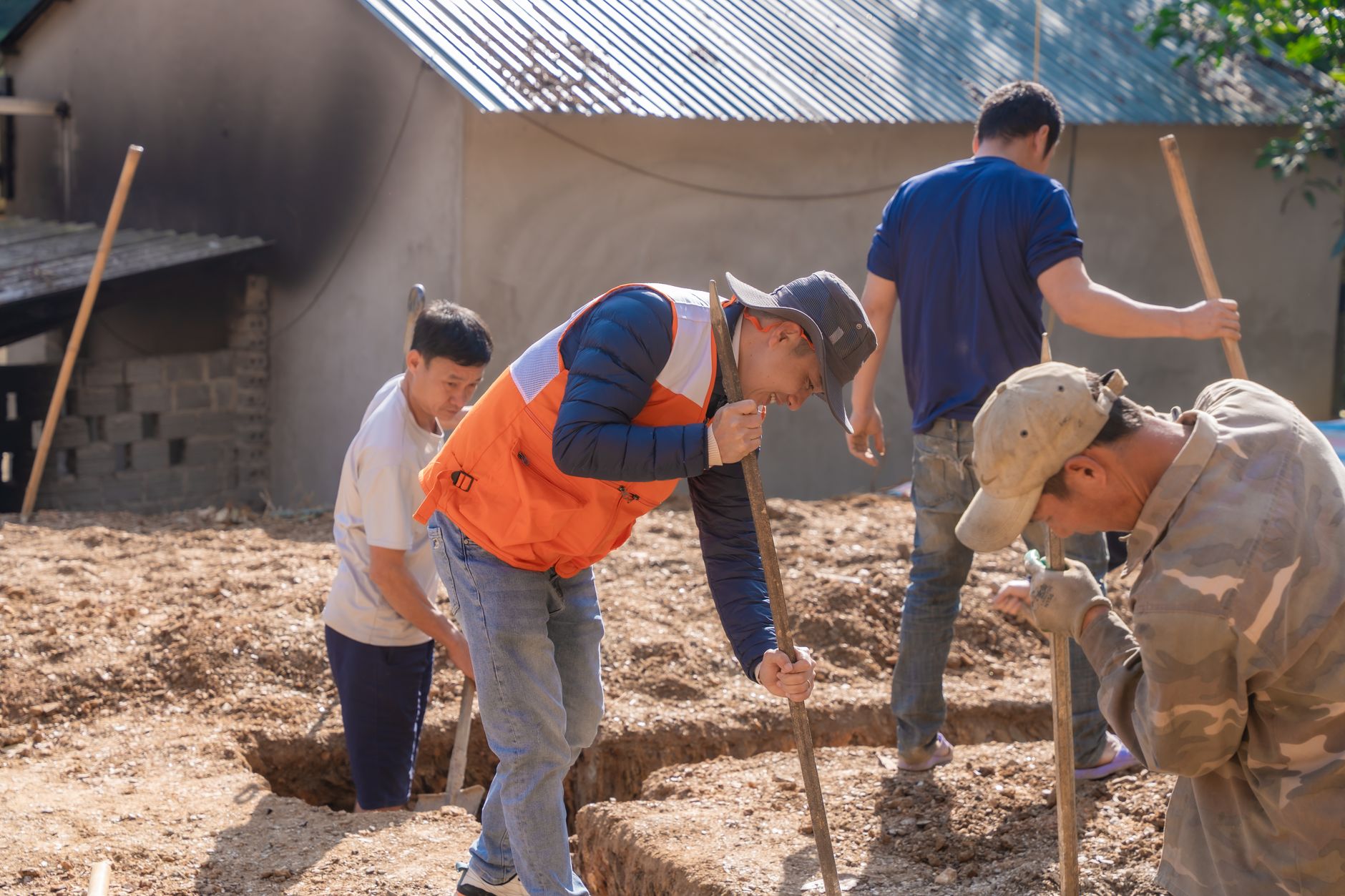
Dig a trench about 6-8 inches deep and roughly 6 inches wide, working compost into the bottom before planting, since leeks are moderately heavy feeders that benefit from fertile soil throughout their long growing season.
Transplant seedlings into the trench once they're about pencil thickness, spacing them 6 inches apart, planting each seedling deep enough that only the top few inches of green growth remain above the trench floor.
This trench method is what allows for the blanching process (covered in the next step) that produces leeks' signature long, tender white stem, called the shank, which is considerably more prized in cooking than the tougher green upper portion.
Some gardeners use a simpler method, planting seedlings in a deep hole made with a dibber or thick stake rather than a full trench, dropping each seedling into its own individual hole and letting rain gradually settle soil around it rather than backfilling by hand.
Blanch Stems by Gradually Filling the Trench
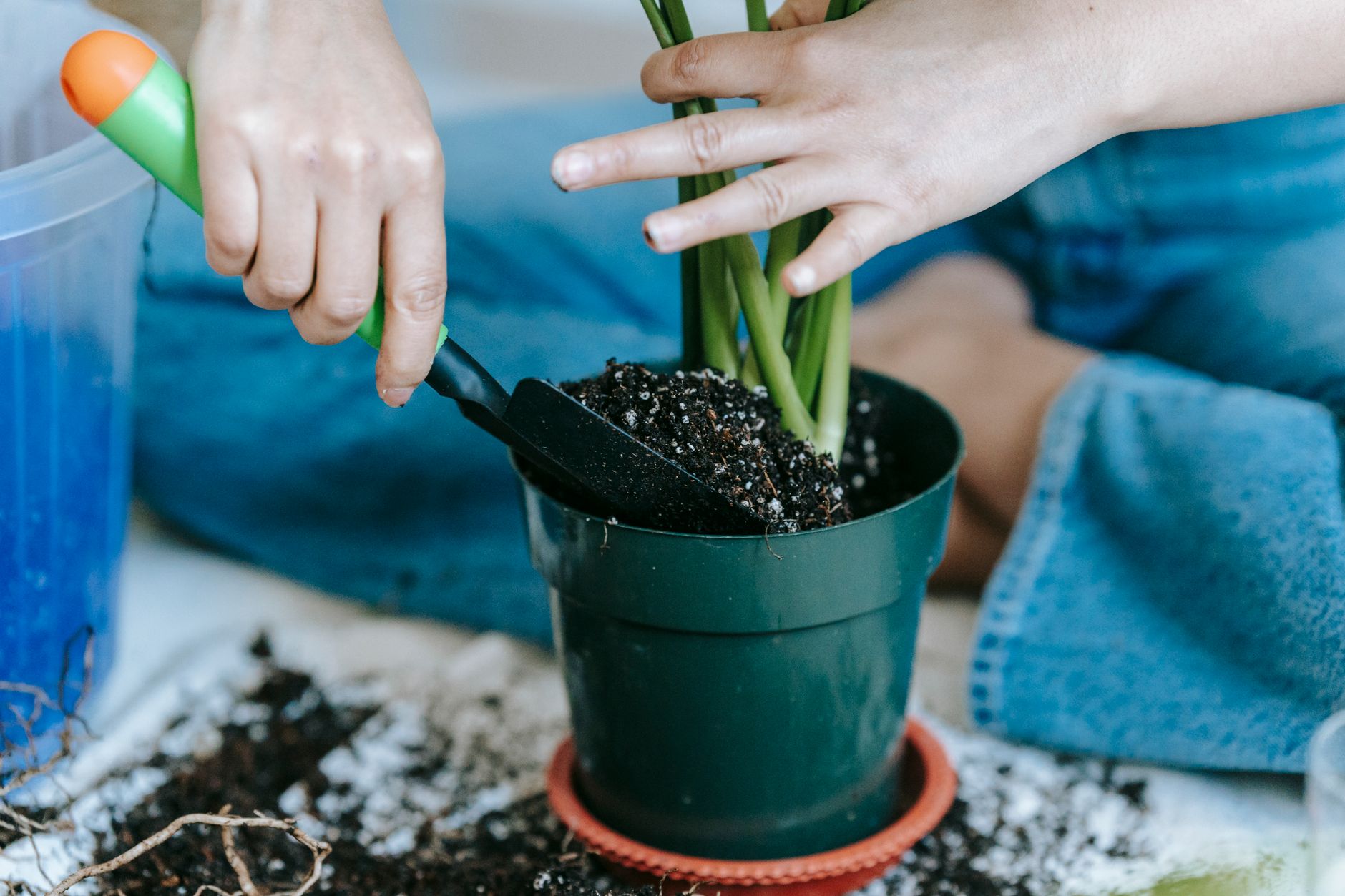
As leeks grow taller throughout the season, gradually fill in the trench with soil, adding a few inches every few weeks, always being careful not to let soil get down into the center of the plant, which can cause rot or grit accumulation between the leaf layers.
This progressive hilling blocks sunlight from reaching the lower stem, preventing it from turning green (as it would if left exposed) and keeping it tender and mild rather than developing the tougher, more fibrous texture of sun-exposed growth.
Continue this process until the trench is fully filled and soil has been mounded slightly around the base of each plant, typically resulting in 6-10 inches or more of blanched white stem on well-managed plantings by harvest time.
Take care during each hilling to work soil in from the sides rather than dropping it directly down into the plant's center, which helps avoid the grit and debris that can otherwise work its way deep into the layers and require more thorough cleaning at harvest.
Water and Feed Through the Long Season
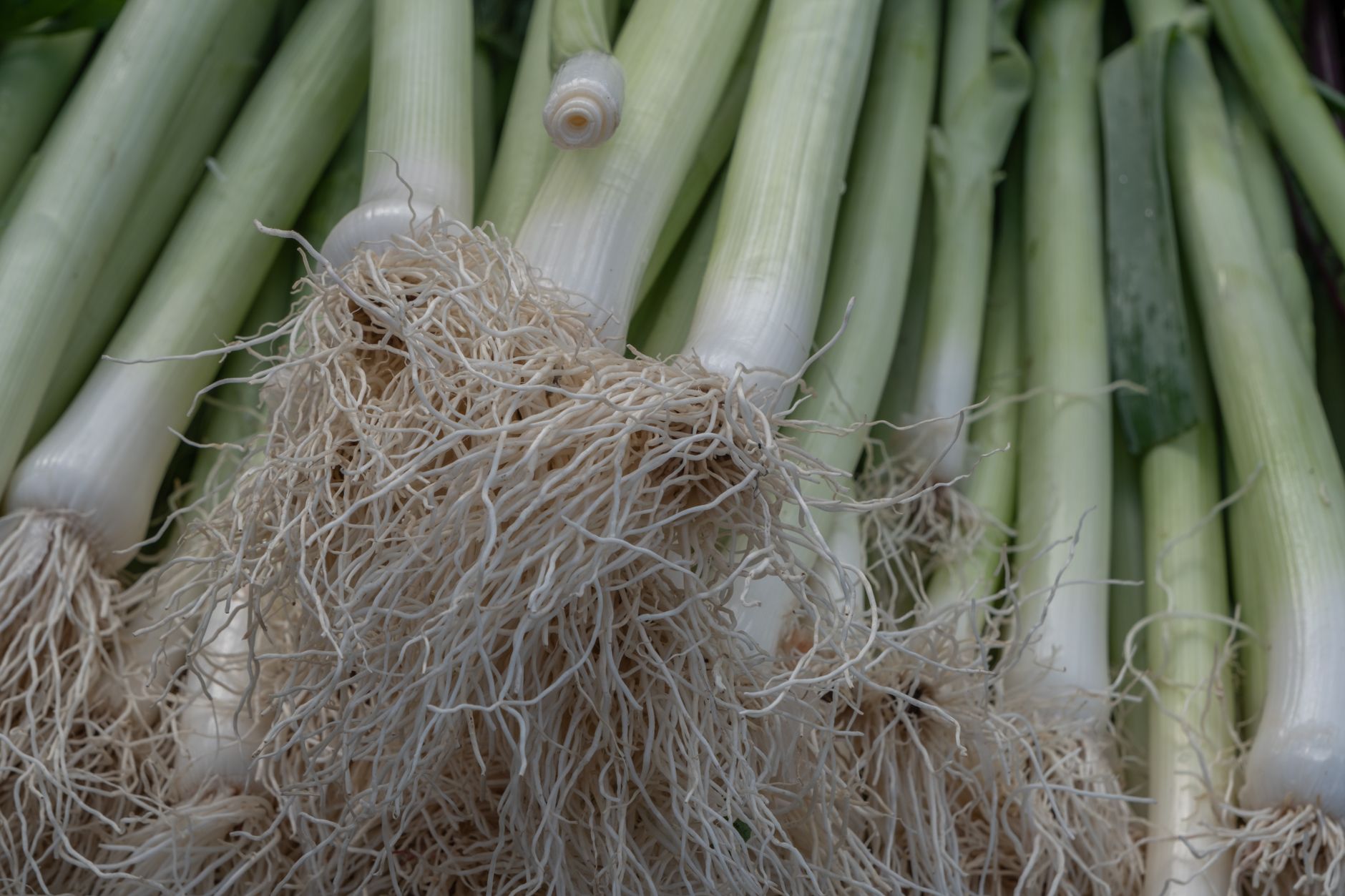
Water consistently, providing about 1 inch per week, since leeks' relatively shallow root system makes them sensitive to drought stress despite their overall reputation as a fairly resilient, low-fuss crop.
Feed with a balanced or nitrogen-rich fertilizer every 4-6 weeks throughout the long growing season, since leeks' extended time in the ground means initial soil fertility from planting is typically depleted well before harvest without additional feeding.
Mulch around plants to help retain consistent soil moisture and suppress weeds, which compete directly with leeks' relatively narrow, upright growth habit for light, water, and nutrients.
Because leeks spend so many months in the garden, consistent, unhurried care matters more here than for faster-growing crops, since there's ample time for both good habits and neglect to compound noticeably by harvest.
Manage Onion Thrips and Leek Moth
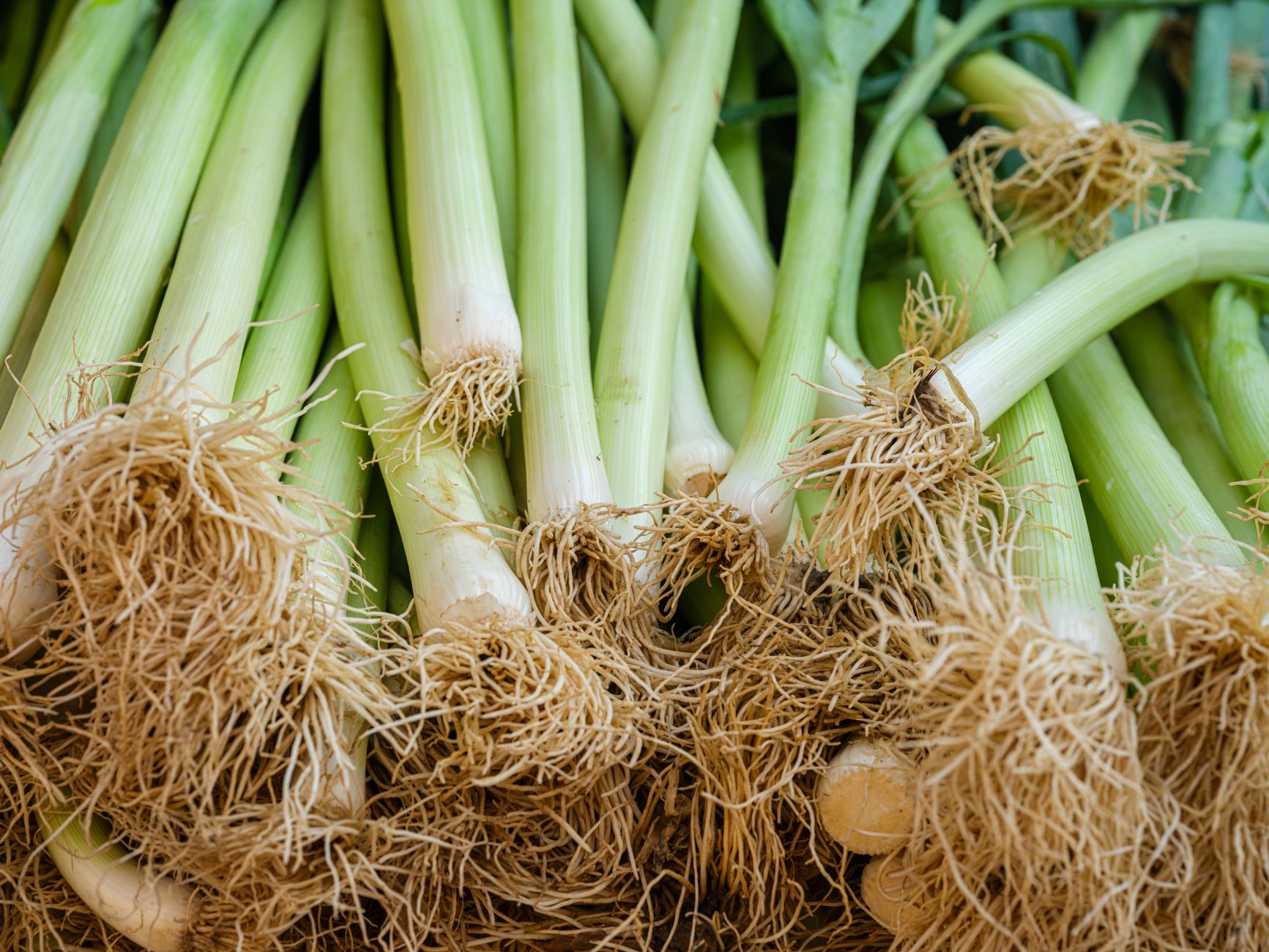
Onion thrips can cause silvery streaking on leaves, similar to their effect on onions and garlic, generally more of a cosmetic issue than a serious threat to the plant's overall health or the quality of the harvested stem.
Leek moth larvae can tunnel into leaves and occasionally into the stem itself in regions where this pest is present; row covers during the moth's egg-laying periods offer effective protection where this is a known local concern.
Rotate leeks and other alliums (onions, garlic, shallots) to a different garden section every 2-3 years, which helps reduce the buildup of pests and diseases specific to this plant family over successive seasons.
Leeks are generally considered one of the more pest-resistant vegetables for home gardens, and most plantings proceed with minimal intervention needed through their long growing season.
Harvest and Extend the Season with Cold Tolerance
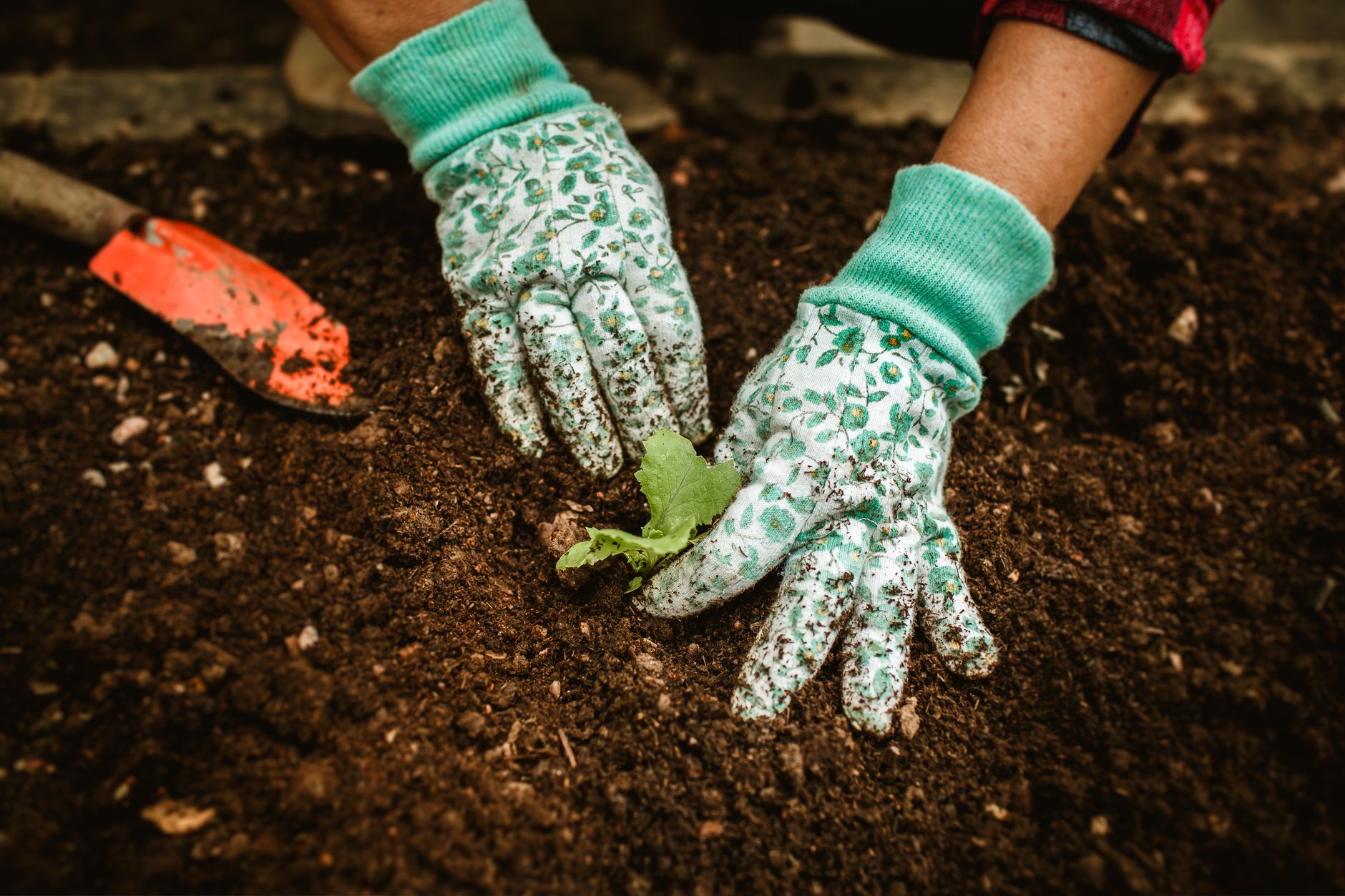
Harvest leeks 90-120 days after transplanting, once stems reach at least an inch in diameter, though they can be left to grow considerably larger for a heartier harvest without significant quality loss, unlike many vegetables that turn tough or bitter past their peak.
Loosen soil with a garden fork before pulling to avoid snapping the stem, working carefully given how deep the blanched portion typically sits after a season of progressive hilling.
Leeks tolerate frost and cold remarkably well, often surviving temperatures well below freezing once established, which allows many gardeners to leave leeks in the ground and harvest them gradually as needed right through fall and into winter in all but the harshest climates.
In regions with severe winters where the ground freezes solid, apply a thick layer of straw mulch over the remaining bed in late fall, which can keep the soil workable longer and extend your ability to harvest even after temperatures have dropped significantly.
This exceptional cold tolerance makes leeks one of the most valuable crops for extending a garden's productive season well beyond when most other vegetables have finished for the year.
Clean and Store Your Harvest
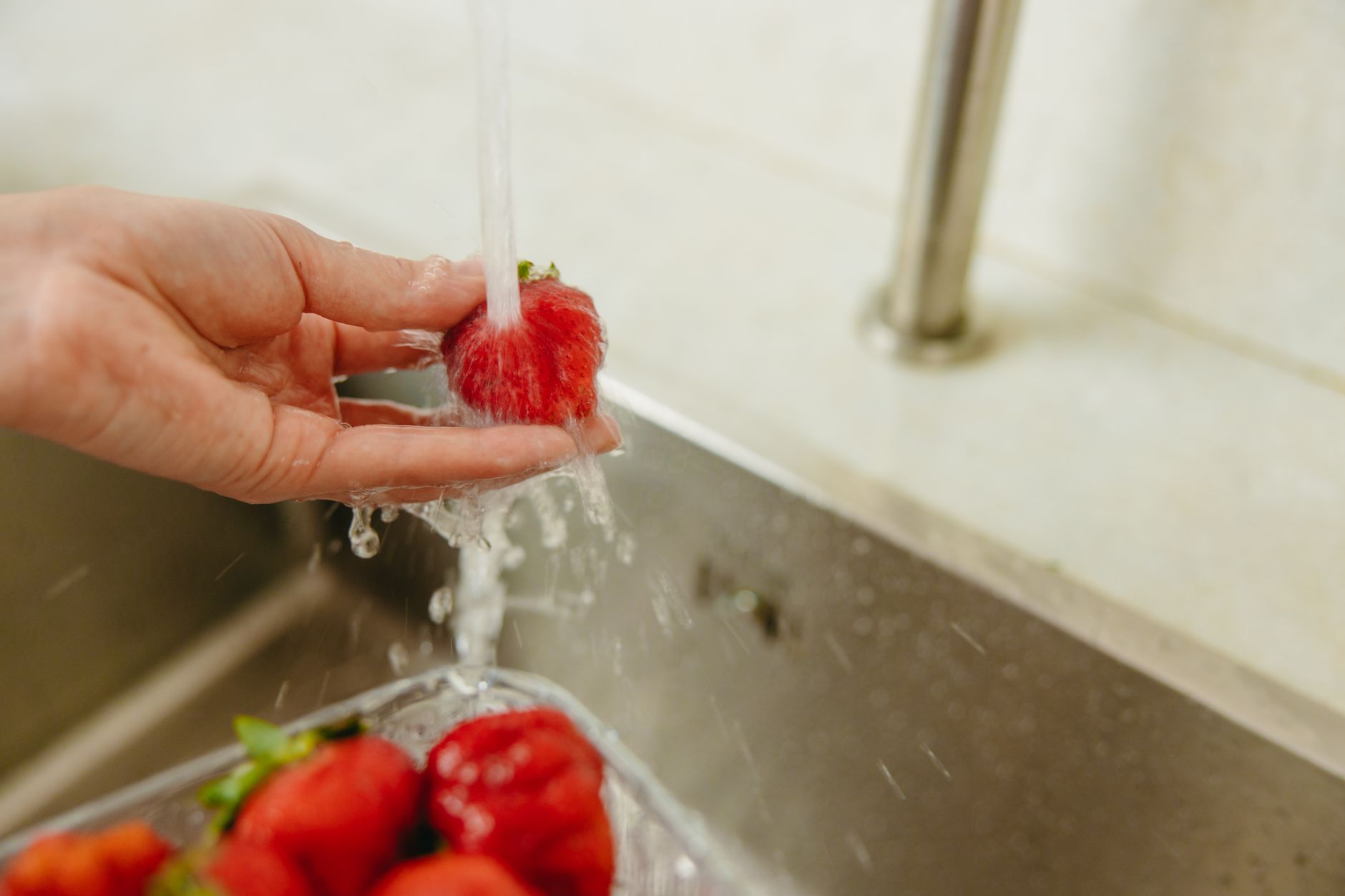
Trim roots and any damaged outer leaves, then split leeks lengthwise partway and rinse thoroughly under running water, fanning the layers apart to remove soil and grit that commonly works its way deep between them during the growing process.
Store cleaned leeks in the refrigerator, wrapped loosely in a damp paper towel or plastic bag, where they typically keep well for 1-2 weeks, noticeably longer than most fresh vegetables thanks to their sturdy structure.
For longer-term storage, leeks can be sliced and frozen after a brief blanching step, or stored unwashed in a box of damp sand in a cool root cellar around 32-40°F, where they can keep for several months under good conditions.
Leeks are also excellent for fermenting or pickling if you have a larger harvest than you can use fresh, offering another traditional preservation option that extends their usability well beyond typical refrigerator storage.
Common problems and fixes
| Problem | Likely cause | What to do |
|---|---|---|
| Thin stems with little blanched white portion | Insufficient or inconsistent hilling throughout the growing season. | Continue gradually filling the trench every few weeks as plants grow, aiming for consistent progress rather than infrequent large additions. |
| Grit or soil trapped deep within the layers | Soil dropped directly into the plant's center during hilling rather than worked in from the sides. | Hill more carefully from the sides in future plantings, and always split and rinse thoroughly before cooking regardless. |
| Slow, stunted growth throughout the season | Insufficient soil fertility or inconsistent watering over leeks' long growing period. | Feed every 4-6 weeks throughout the season and maintain consistent watering at about 1 inch per week. |
Gardener's checklist
Test what you learned
Why do leeks need to be started indoors so early, 10-12 weeks before the last frost?
Answer: Leeks need a genuinely long growing season of 4-5 months
What is the purpose of gradually filling in the planting trench?
Answer: It blanches the stem, keeping it white and tender rather than green and tough
Why can leeks often be left in the ground well into winter?
Answer: They tolerate cold and frost remarkably well
Common questions
How long does it take to grow leeks?
Leeks typically take 90-120 days from transplanting to harvest, but combined with their required indoor seed-starting period, the full process spans a genuinely long season of about 4-5 months total from seed to harvest.
Why are my leeks so gritty even after washing?
Dirt commonly works its way deep between the leek's tightly wrapped layers during the growing and hilling process. Split leeks lengthwise and rinse thoroughly under running water, fanning the layers apart to remove all trapped grit before cooking.
Can leeks survive winter in the garden?
Yes, leeks tolerate frost and cold remarkably well, often surviving temperatures well below freezing once established, allowing many gardeners to harvest them gradually right through fall and into winter in all but the harshest climates.
What's the difference between leeks and green onions?
While related, leeks are a distinct, larger plant grown specifically for their thick, blanched white stem over a much longer season, while green onions (scallions) are typically harvested young with thinner stems after a considerably shorter growing period.
Leeks demand patience through their long growing season more than any special skill, and the gradual hilling process is genuinely worth the ongoing attention, rewarding you with sweet, tender stems that can be harvested fresh well into the cold months.
Frequently asked questions
How often should a vegetable garden be watered?
Frequency depends on weather, soil and plant size. Check the soil rather than watering on a rigid schedule.
Is compost enough fertilizer?
Compost improves soil and provides nutrients slowly. Heavy-feeding crops may still need additional feeding.

The Sproutstead Editorial Team
We create clear, practical gardening and homesteading guides designed for real homes and beginner growers.
View author profile →