Direct-sow or transplant kohlrabi in early spring or late summer for a fall crop, spacing plants 6-8 inches apart in fertile soil. Water consistently, and harvest once the above-ground bulb reaches 2-3 inches in diameter, typically 45-60 days after sowing, since larger bulbs quickly become tough and woody.
What you will need
Understand This Unusual Above-Ground Bulb
Kohlrabi's edible portion, often mistaken for a root vegetable given its round, bulb-like shape, is actually a swollen stem that develops entirely above the soil surface, with the true roots remaining underground as normal, relatively unremarkable roots.
This above-ground growth habit means kohlrabi doesn't face the same soil-compaction and rock-obstruction concerns that affect true root vegetables like carrots and beets, since the bulb isn't pushing through soil to develop its shape.
The plant belongs to the brassica family, related to cabbage, broccoli, and kale, which explains both its cool-season preferences and its shared vulnerability to many of the same common brassica pests.
Both purple and green (or pale) varieties are commonly available, with color being purely a matter of external appearance rather than any meaningful difference in flavor, texture, or growing requirements.
Time Your Planting for Cool Weather

Kohlrabi grows best in cool weather between 60-70°F and tolerates light frost reasonably well, similar to many of its brassica relatives, making it suitable for both an early spring planting and a fall crop.
For a spring crop, direct-sow or transplant as soon as the soil can be worked, several weeks before the last frost, since kohlrabi's relatively fast growth cycle, often just 45-60 days, allows it to complete before summer heat typically arrives.
For a fall crop, sow seeds in mid-to-late summer, timed so the bulb matures during the naturally cooling temperatures of autumn, which many gardeners find produces a slightly sweeter, more tender result than a spring crop pushed by rising heat.
Kohlrabi grown in genuine summer heat tends to bolt more readily and develop a tougher, more fibrous bulb texture, making the cooler bookend seasons clearly preferable for the best eating quality.
Prepare Fertile Soil and Plant
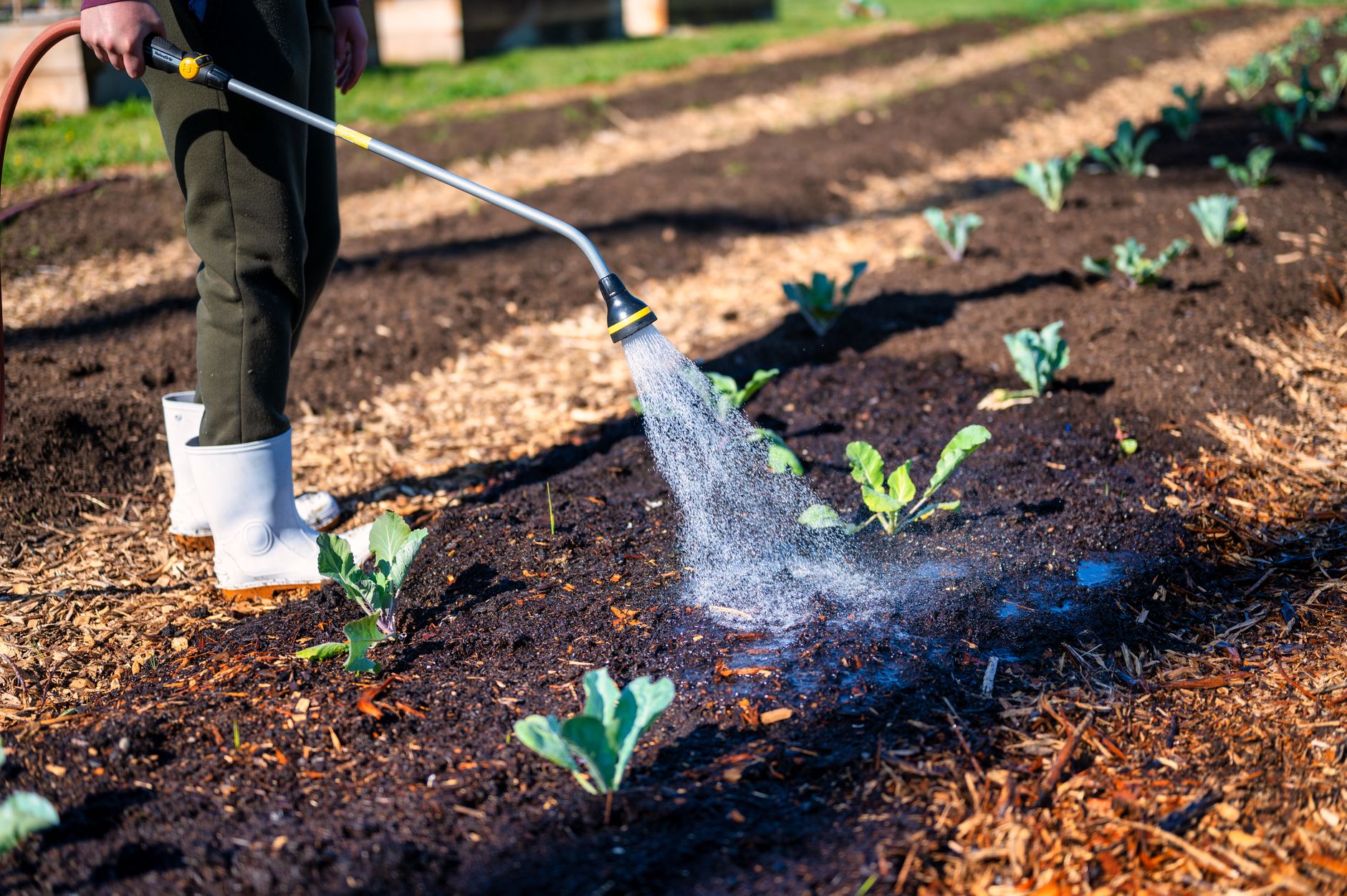
Work 2-3 inches of compost into the soil before planting, since kohlrabi benefits from moderately fertile soil to fuel its fast growth from seedling to a harvestable bulb in as little as 6-8 weeks.
Direct-sow seeds a quarter-inch deep, or transplant seedlings started indoors 4-5 weeks earlier, spacing plants 6-8 inches apart in rows 12-18 inches apart, giving each developing bulb enough room without excessive crowding.
A soil pH between 6.0 and 7.0 suits kohlrabi well, similar to most brassica family members, and ensuring good drainage matters, though this crop is somewhat more forgiving of soil imperfections than true root vegetables.
Avoid planting kohlrabi in a bed that grew other brassicas like broccoli, cabbage, or kale within the past 2-3 years, since this rotation gap helps reduce disease and pest pressure specific to the family.
Water Consistently for Tender Texture
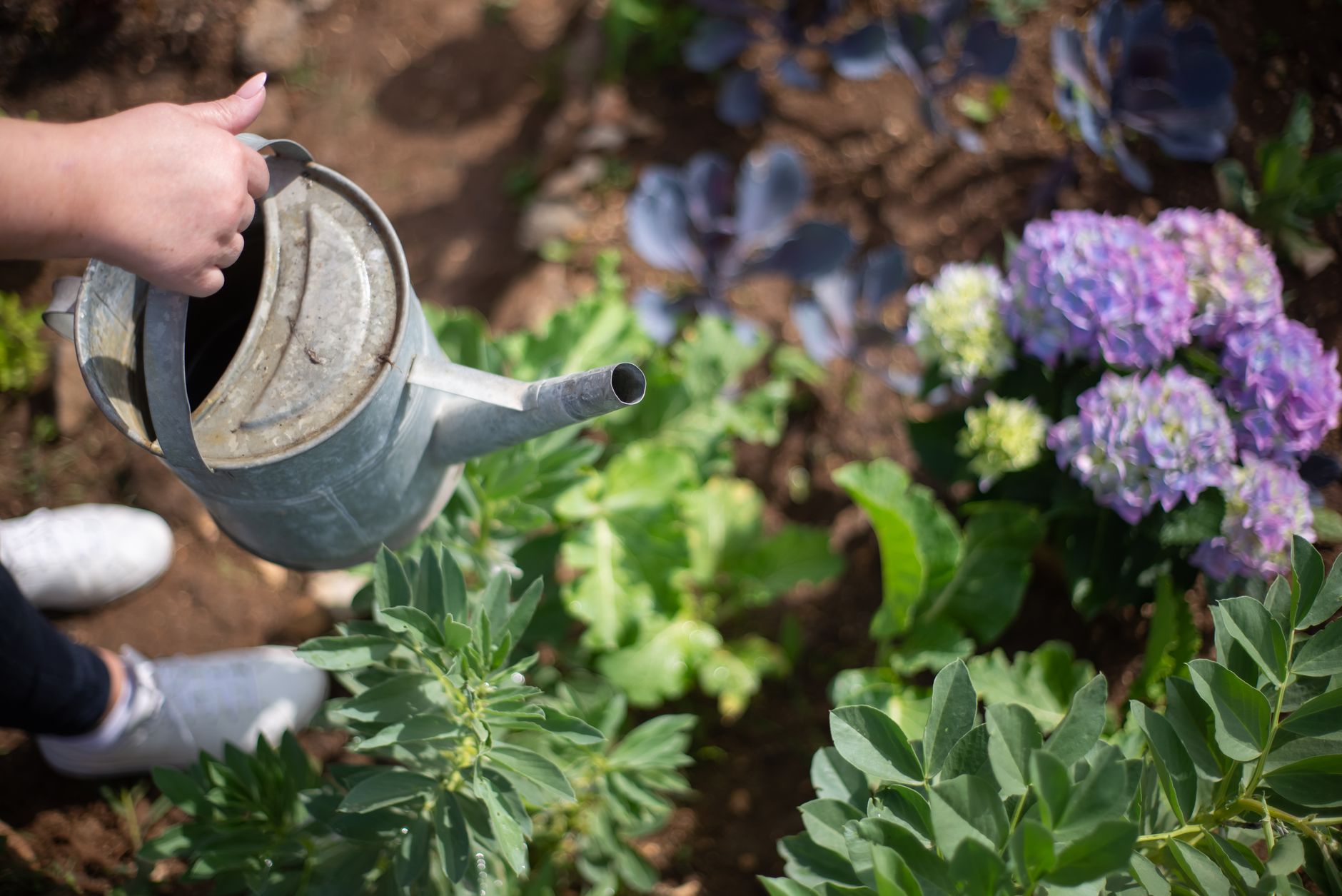
Water consistently, providing about 1-1.5 inches per week, since inconsistent moisture can cause the bulb to develop a woody, fibrous texture even before it's reached full size, similar to the pattern seen in radishes and turnips.
Mulch around plants once established to help retain even soil moisture and suppress competing weeds, particularly useful during any warmer stretches a spring or late-summer planting might experience.
Feed with a balanced or nitrogen-rich fertilizer about 3 weeks after sowing or transplanting, supporting the steady growth needed for a well-formed bulb within kohlrabi's relatively short growing window.
Avoid letting soil dry out completely at any point during the growing cycle, since kohlrabi's fast growth rate leaves relatively little margin for recovery from significant water stress compared to slower-growing crops.
Manage Cabbage Worms and Flea Beetles
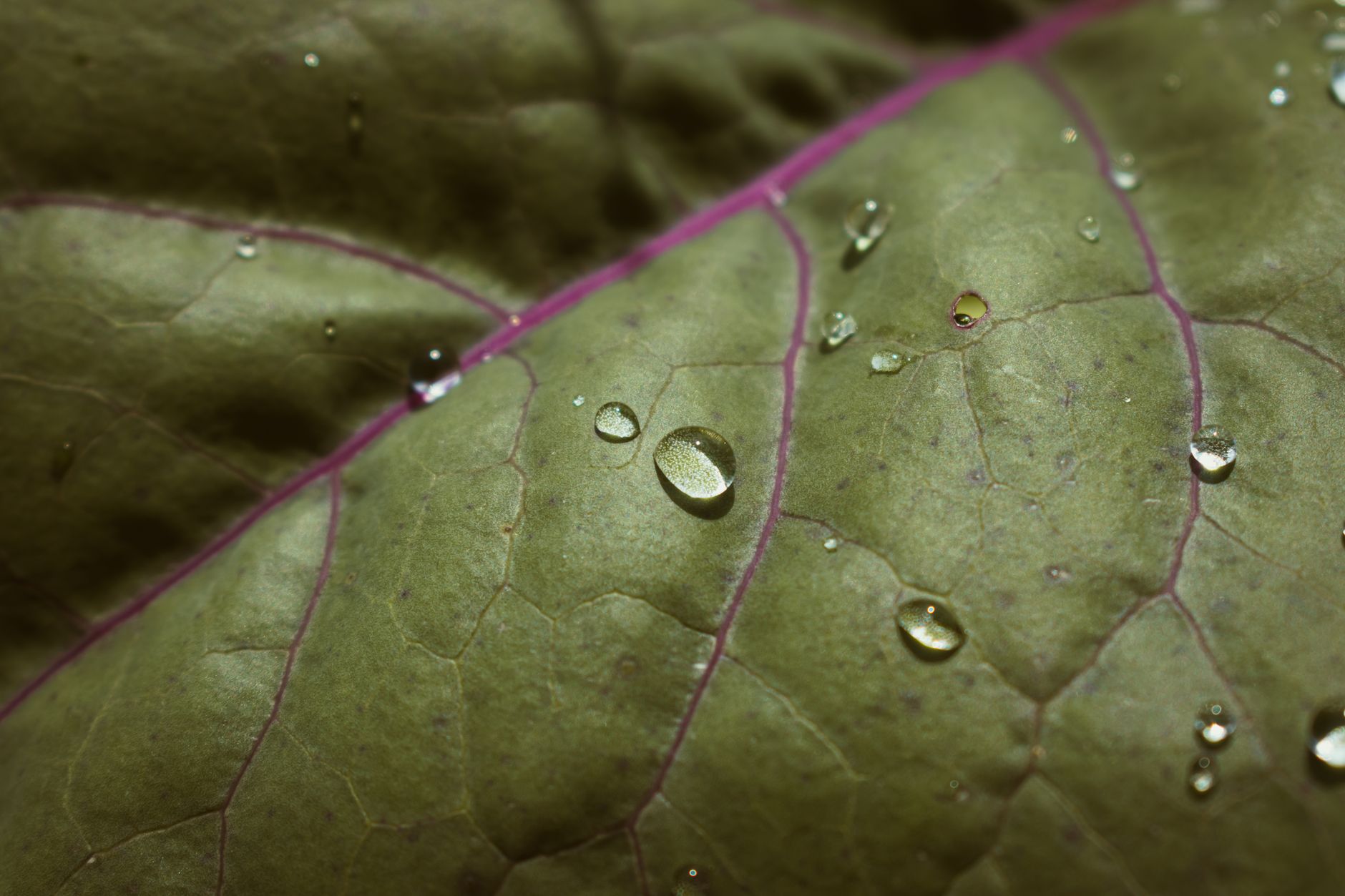
Cabbage worms and loopers, common to all brassicas, chew holes in leaves; row cover fabric installed at sowing or transplanting time and left in place through most of the growing season is highly effective, since kohlrabi doesn't need pollinator access.
Flea beetles can create small shot-hole damage on young leaves, similar to their effect on other brassica family members; row covers offer protection against this pest as well, particularly important during the vulnerable seedling stage.
Handpicking visible caterpillars and checking leaf undersides regularly are effective supplementary measures if pests are already present despite preventive row covers.
Given kohlrabi's relatively fast growth cycle, similar to radishes and turnips, pest damage that might be manageable on a slower-growing crop can have a proportionally larger relative impact, making early, consistent prevention worthwhile.
Harvest Before the Bulb Turns Woody
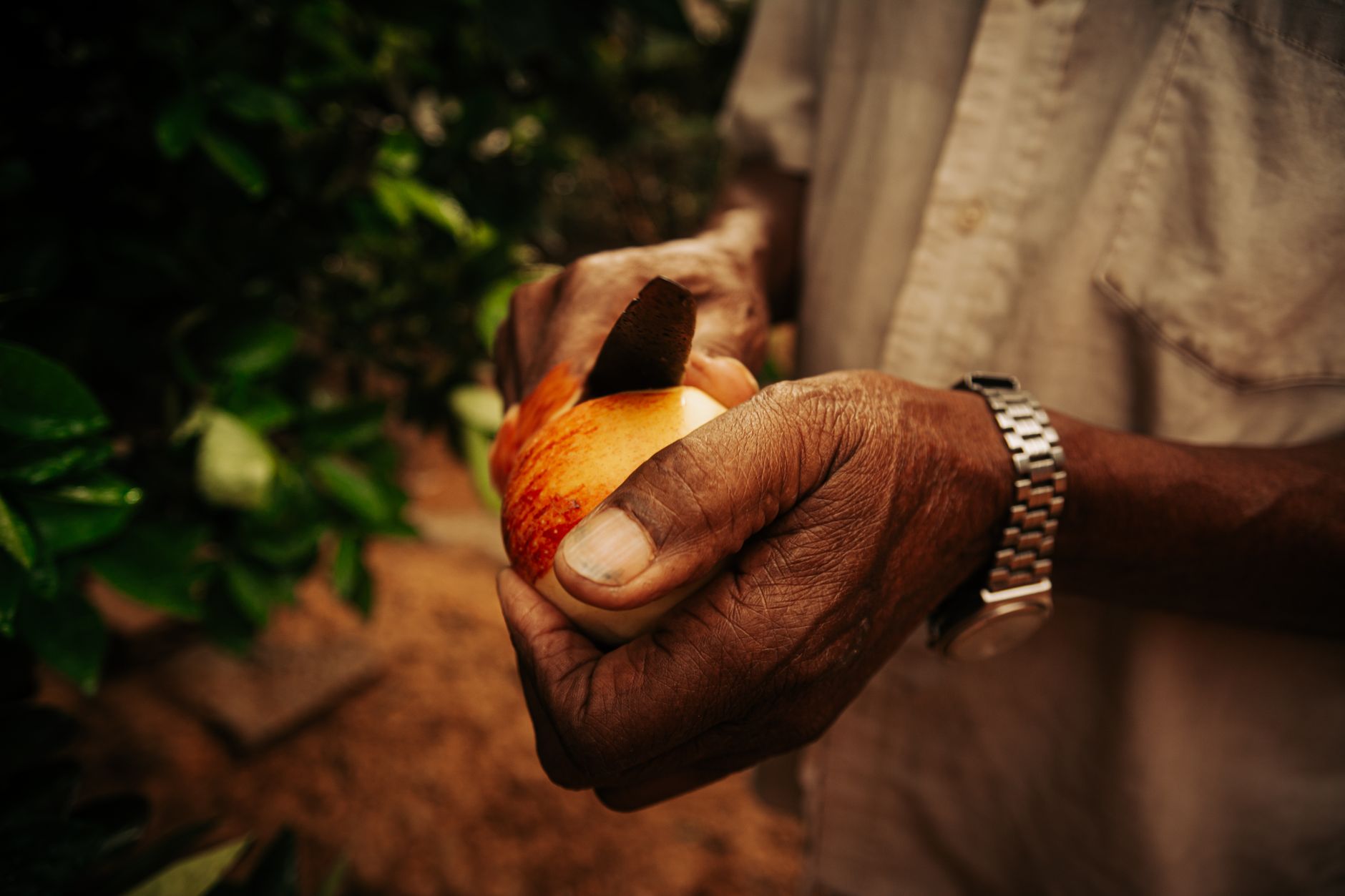
Harvest once the bulb reaches about 2-3 inches in diameter, typically 45-60 days after sowing, cutting the plant at the base with a sharp knife, just below where the bulb sits above the soil.
Bulbs left to grow significantly larger than this ideal range become noticeably tough, woody, and fibrous, similar to the texture change seen in overgrown radishes or turnips, so checking plantings regularly as they approach the target size matters.
Some larger, slower-growing varieties are specifically bred to stay tender at bigger sizes, up to 4-5 inches or more, so check your specific variety's characteristics if you're aiming for a larger harvest than the standard 2-3 inch guideline.
The leaves are also edible and can be cooked similarly to collard greens or kale, offering a small bonus harvest alongside the main bulb, particularly useful if you're trimming leaves back during the growing season anyway.
Check plants every few days once they approach your target harvest size, since kohlrabi's fast growth cycle means the window between ideal and overmature can pass more quickly than gardeners used to slower crops might expect.
Common problems and fixes
| Problem | Likely cause | What to do |
|---|---|---|
| Bulb is tough, woody, and fibrous | Harvested too late, well past the ideal 2-3 inch size, or grown during hot summer weather. | Check plantings more frequently as they approach maturity, and prioritize spring or fall planting over summer. |
| Small holes throughout leaves on young plants | Flea beetle feeding damage. | Use row cover fabric at sowing or transplanting time in future plantings to protect vulnerable young seedlings. |
| Plant bolts (sends up a flower stalk) before the bulb fully develops | Heat stress or planting timing that exposed the crop to rising temperatures. | Harvest any usable bulb promptly, and shift future plantings earlier in spring or to a more reliable fall timing. |
Gardener's checklist
Test what you learned
Where does kohlrabi's edible bulb actually develop?
Answer: Above the soil surface, as a swollen stem
What is the ideal size to harvest most kohlrabi varieties?
Answer: 2-3 inches
What plant family does kohlrabi belong to?
Answer: Brassicas (related to cabbage and broccoli)
Common questions
Is kohlrabi a root vegetable?
No, despite its round, bulb-like appearance, kohlrabi's edible portion is actually a swollen stem that develops above the soil surface, not a true root. The plant's actual roots remain underground and aren't the edible part.
Can I eat kohlrabi leaves?
Yes, the leaves are entirely edible and can be cooked similarly to collard greens or kale, offering a bonus harvest alongside the main bulb, particularly useful since some leaves are typically trimmed back during the growing season anyway.
Why is my kohlrabi bulb tough and woody?
This is almost always caused by harvesting too late, well past the ideal 2-3 inch size for most varieties, or growing the crop during hot summer weather rather than the cooler spring or fall seasons it prefers.
How long does kohlrabi take to grow?
Most varieties are ready to harvest 45-60 days after sowing, making kohlrabi one of the faster brassica family vegetables, similar in speed to radishes and turnips though slightly slower than the very fastest root crops.
Kohlrabi is a quick, reliable crop once you understand its unusual above-ground growth habit, and the single most important habit for success is checking regularly and harvesting promptly at 2-3 inches, before the bulb has a chance to turn tough.
Frequently asked questions
How often should a vegetable garden be watered?
Frequency depends on weather, soil and plant size. Check the soil rather than watering on a rigid schedule.
Is compost enough fertilizer?
Compost improves soil and provides nutrients slowly. Heavy-feeding crops may still need additional feeding.

The Sproutstead Editorial Team
We create clear, practical gardening and homesteading guides designed for real homes and beginner growers.
View author profile →