
Cold stratification is a process that mimics winter conditions to break seed dormancy in many native plants, trees, shrubs, and perennials. To stratify seeds, place them in a moist medium (like damp sand, vermiculite, or paper towel) in a sealed container or bag, and refrigerate for 4-12 weeks (depending on the species). The cold, moist environment signals to the seed that winter has passed and it's time to germinate. Some seeds also benefit from warm stratification followed by cold stratification. Common seeds that need stratification include milkweed, lavender, echinacea, rudbeckia, and many tree and shrub seeds. After stratification, plant the seeds in soil and they should germinate within 1-4 weeks.
What you will need
Understand What Cold Stratification Is

What is seed dormancy: Many native plants, trees, and perennials have seeds that won't germinate immediately. This is an evolutionary adaptation to prevent seeds from sprouting in fall, which would kill the seedling in winter.
What is cold stratification: Cold stratification is the process of exposing seeds to cold, moist conditions for a period of time (typically 4-12 weeks). This mimics winter and signals to the seed that it's safe to germinate.
Why it works: The cold, moist environment breaks down germination inhibitors in the seed coat and triggers biochemical changes that prepare the seed for growth.
Not all seeds need it: Many common garden vegetables and annuals (tomatoes, peppers, lettuce) do not need stratification. Only seeds from plants that evolved in cold climates typically require it.
Natural stratification: In nature, seeds fall to the ground in fall, lie dormant through winter, and germinate in spring. Cold stratification mimics this natural process.
Identify Which Seeds Need Stratification
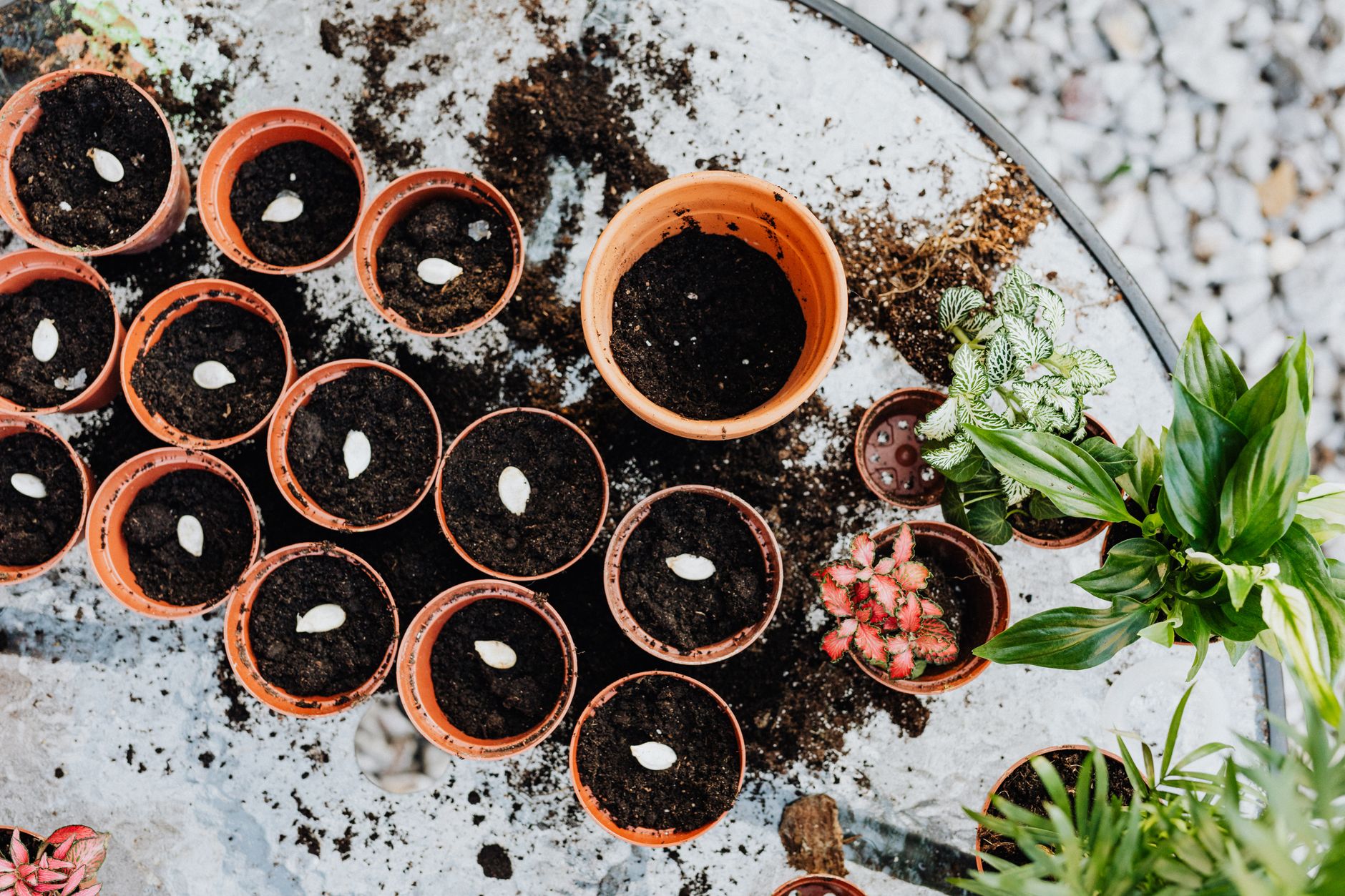
Common perennials that need stratification: Milkweed (Asclepias), Echinacea (coneflower), Rudbeckia (black-eyed Susan), Lavender, Penstemon, Aquilegia (columbine), Delphinium, Lupine.
Trees and shrubs: Maple (Acer), Oak (Quercus), Pine (Pinus), Dogwood (Cornus), Lilac, Rose (Rosa), Viburnum.
Vegetables that benefit: Some herbs and vegetables benefit from light stratification (refrigerate for 1-2 weeks) like parsley, celery, and spinach.
Seeds that DON'T need stratification: Most vegetables (tomatoes, peppers, cucumbers), annual flowers (marigolds, zinnias, sunflowers), and tropical plants.
Check the seed packet: Most seed packets will indicate if stratification is needed. Look for phrases like 'requires cold stratification' or 'best if chilled.'
When in doubt: If you're unsure, a 4-6 week cold treatment won't harm most seeds and may help.
Choose Your Stratification Method

Paper Towel Method (Indoor): Place seeds between damp paper towels inside a sealed plastic bag. This is the easiest and most common method for small quantities.
Sand or Vermiculite Method: Mix seeds with damp sand or vermiculite in a sealed container. Good for larger quantities of seeds.
Winter Sowing (Outdoor): Plant seeds in containers outdoors in winter. Let nature do the stratification. Popular method for native plants.
Direct Sowing in Fall: Plant seeds directly in the garden in fall. Nature provides the cold stratification. This is the most natural method but offers less control.
Which is best: For beginners, the paper towel method is easiest. You can check progress easily. For large quantities, the sand method works well.
Paper Towel Method (Step-by-Step)

Step 1: Fold a paper towel or coffee filter in half. Place it on a flat surface.
Step 2: Moisten the paper towel with water. It should be damp like a wrung-out sponge—not dripping wet.
Step 3: Sprinkle the seeds on half of the damp paper towel. Leave some space between seeds.
Step 4: Fold the paper towel over the seeds to cover them.
Step 5: Place the folded paper towel inside a plastic bag (Ziploc).
Step 6: Seal the bag (leave a small opening for air exchange) and label with the seed variety and date.
Step 7: Place the bag in the refrigerator (33-41°F / 0.5-5°C).
Step 8: Check weekly—if the paper towel feels dry, mist with water. If there's excess water, open the bag to air it out.
Sand or Vermiculite Method (Step-by-Step)

Step 1: Choose a container (plastic bag, glass jar with lid, or small bucket).
Step 2: Mix 1 part seeds with 3-4 parts damp sand or vermiculite. The medium should be damp (not wet)—like a wrung-out sponge.
Step 3: Place the mixture in the container. Label with the variety and date.
Step 4: Seal the container (allow some air exchange if using a bag) and place in the refrigerator.
Step 5: Check every 1-2 weeks. Ensure the medium remains damp. If it's too wet, open the lid to allow drying. If it's too dry, mist with water.
Step 6: After the stratification period, separate the seeds from the sand by sifting or using water.
Know the Correct Stratification Duration

Short stratification (4-6 weeks): Lavender, parsley, spinach, celery, many herbs.
Medium stratification (6-8 weeks): Echinacea, Rudbeckia, Aquilegia, Lupine, many perennials.
Long stratification (8-12 weeks): Milkweed, Dogwood, Maple, Oak, many native trees.
Very long stratification (12-16 weeks): Some tree and shrub species (check specific requirements).
How to know when it's done: Some seeds will start to germinate in the bag (radicle emerges). This is a sign that stratification is complete.
General rule: When in doubt, 8 weeks is a safe average for many perennials. Check seed packets for specific recommendations.
After Stratification: Plant the Seeds

Timing: Plant seeds immediately after stratification. Delays can cause seeds to dry out or lose viability.
Planting depth: Plant at the depth specified on the seed packet (typically 2-3 times the seed diameter).
Temperature: After stratification, seeds need warm soil (65-75°F / 18-24°C) to germinate.
Paper towel method: If seeds have started to germinate in the bag, carefully cut the paper towel around each sprouted seed and plant the towel section.
Sand method: Separate seeds from sand and plant in moist seed starting mix.
Light: Most stratified seeds need light to germinate—don't cover them too deeply. A thin covering of soil is sufficient.
Moisture: Keep soil consistently moist until germination is complete.
Troubleshoot Common Stratification Problems

Problem: Mold on seeds or paper towel. Too much moisture. Remove moldy seeds. Air out the bag. Reduce moisture. Consider using a very dilute hydrogen peroxide solution (1 part 3% H2O2 to 10 parts water) to treat remaining seeds.
Problem: Seeds are germinating too early in the fridge. Stratification period is too long. Plant immediately. Next time, check earlier.
Problem: Seeds are dry and shriveled. Not enough moisture. Mist with water and seal the bag. Check more frequently.
Problem: Seeds have an unpleasant odor. Bacteria or rot. Discard affected seeds. Ensure medium is damp, not wet, and allow some air exchange.
Problem: No germination after planting. Stratification duration was too short or seeds weren't viable. Try a longer stratification period next time or use fresh seeds.
Common problems and fixes
| Problem | Likely cause | What to do |
|---|---|---|
| Mold on seeds | Too much moisture. | Remove moldy seeds. Air out the bag. Reduce moisture. Use dilute hydrogen peroxide. |
| Seeds germinating in the fridge | Stratification period too long. | Plant immediately. Next time, check earlier. |
| Seeds are dry and shriveled | Not enough moisture. | Mist with water. Seal the bag. Check more frequently. |
| No germination after planting | Stratification too short or seeds non-viable. | Try longer stratification next time. Use fresh seeds from a reputable source. |
Gardener's checklist
Test what you learned
What is cold stratification?
Answer: Mimicking winter conditions to break seed dormancy
What temperature range is ideal for cold stratification?
Answer: 33-41°F (refrigerator)
How should the stratification medium feel?
Answer: Damp like a wrung-out sponge
What should you do if mold appears on stratified seeds?
Answer: Remove moldy seeds and reduce moisture
Common questions
How long should I cold stratify seeds?
It depends on the species. Most perennials need 4-8 weeks. Trees and shrubs may need 8-12 weeks. Always check the seed packet for specific recommendations.
Can I stratify seeds in the freezer?
No. Freezing temperatures are too cold. Stratification requires temperatures of 33-41°F (0.5-5°C)—the refrigerator is ideal.
Can I stratify seeds for too long?
Yes. Seeds can start germinating in the bag or lose viability. Check the recommended duration. If in doubt, check weekly.
Do all seeds need cold stratification?
No. Many vegetables, annual flowers, and tropical plants don't need stratification. Check your seed packet.
Can I stratify seeds in the garden?
Yes—sow seeds directly in fall. Nature provides the cold stratification naturally. This is the simplest method but offers less control.
Cold stratification is an essential technique for growing many native plants, perennials, trees, and shrubs from seed. By mimicking winter conditions—cold and moist—you break seed dormancy and trigger germination. The paper towel and sand methods are both effective for home gardeners. Always check the seed packet first—many seeds don't need stratification. If you do stratify, keep the medium damp (not wet), maintain refrigerator temperatures (33-41°F), and check weekly for mold or moisture issues. After the stratification period, plant immediately in warm soil for germination. With proper technique, you'll enjoy high germination rates and beautiful plants that are worth the extra effort.
Frequently asked questions
How often should a vegetable garden be watered?
Frequency depends on weather, soil and plant size. Check the soil rather than watering on a rigid schedule.
Is compost enough fertilizer?
Compost improves soil and provides nutrients slowly. Heavy-feeding crops may still need additional feeding.

The Sproutstead Editorial Team
We create clear, practical gardening and homesteading guides designed for real homes and beginner growers.
View author profile →

