To store seeds properly, keep them in a cool, dark, dry place. Ideal temperature is below 40°F (4°C)—a refrigerator works well. Store seeds in airtight containers (glass jars, sealed bags, or seed envelopes) with silica gel packets to control moisture. Seeds should be completely dry before storage. Label each container with the variety and date. Different seeds have different storage requirements—onions and parsnips have short viability (1-2 years), while beans and tomatoes can last 5-10 years. Check stored seeds periodically for mold, pests, or moisture. Properly stored seeds can remain viable for many years.
What you will need
Understand Why Proper Storage Matters
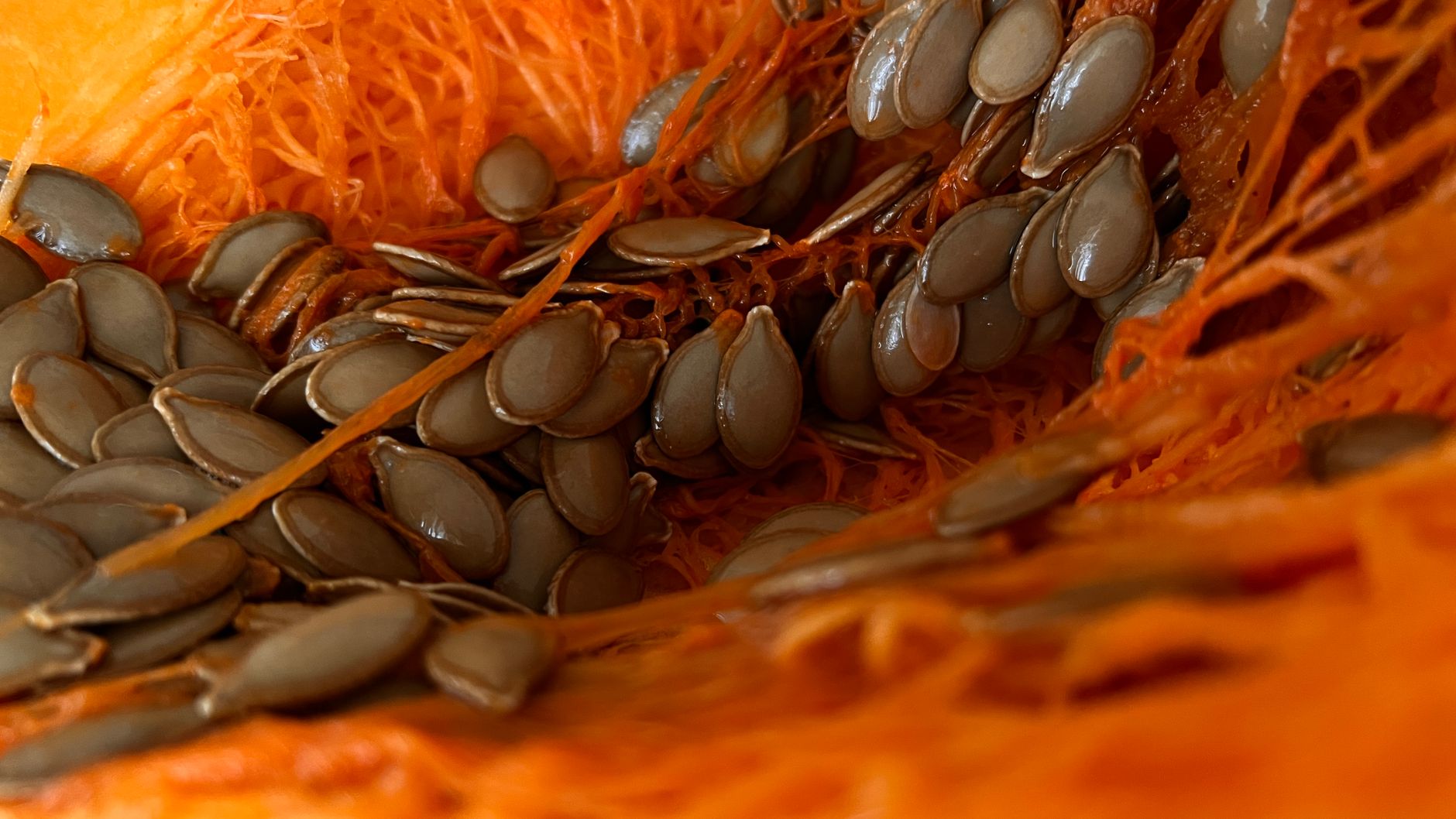
Seed viability declines over time: All seeds lose viability (germination ability) as they age. Proper storage slows this decline.
Temperature and moisture are key: Heat and moisture are the two biggest enemies of stored seeds. High temperatures speed up aging. Moisture causes mold and rot.
Light exposure: Light can trigger germination or degrade seed quality. Darkness is best.
Oxygen exposure: Oxygen can cause oxidation and reduce seed quality. Airtight containers limit oxygen exposure.
The payoff: Properly stored seeds last 2-3 times longer than poorly stored seeds.
Prepare Seeds for Storage
Dry seeds thoroughly: Seeds must be completely dry before storing. Moisture causes mold, rot, and reduced viability.
How to dry: Spread seeds on a paper towel, coffee filter, or glass plate. Place in a warm, dry, well-ventilated area out of direct sunlight.
Drying time: Small seeds dry in 1-2 weeks. Larger seeds (beans, peas) may take 2-3 weeks.
The snap test: A dry seed will snap when bent, not bend. If it bends, it's not dry enough.
For fleshy seeds (tomatoes, melons): Clean off the gel and dry thoroughly before storing.
Avoid heat: Never dry seeds in an oven or microwave—it kills them.
Choose the Right Container
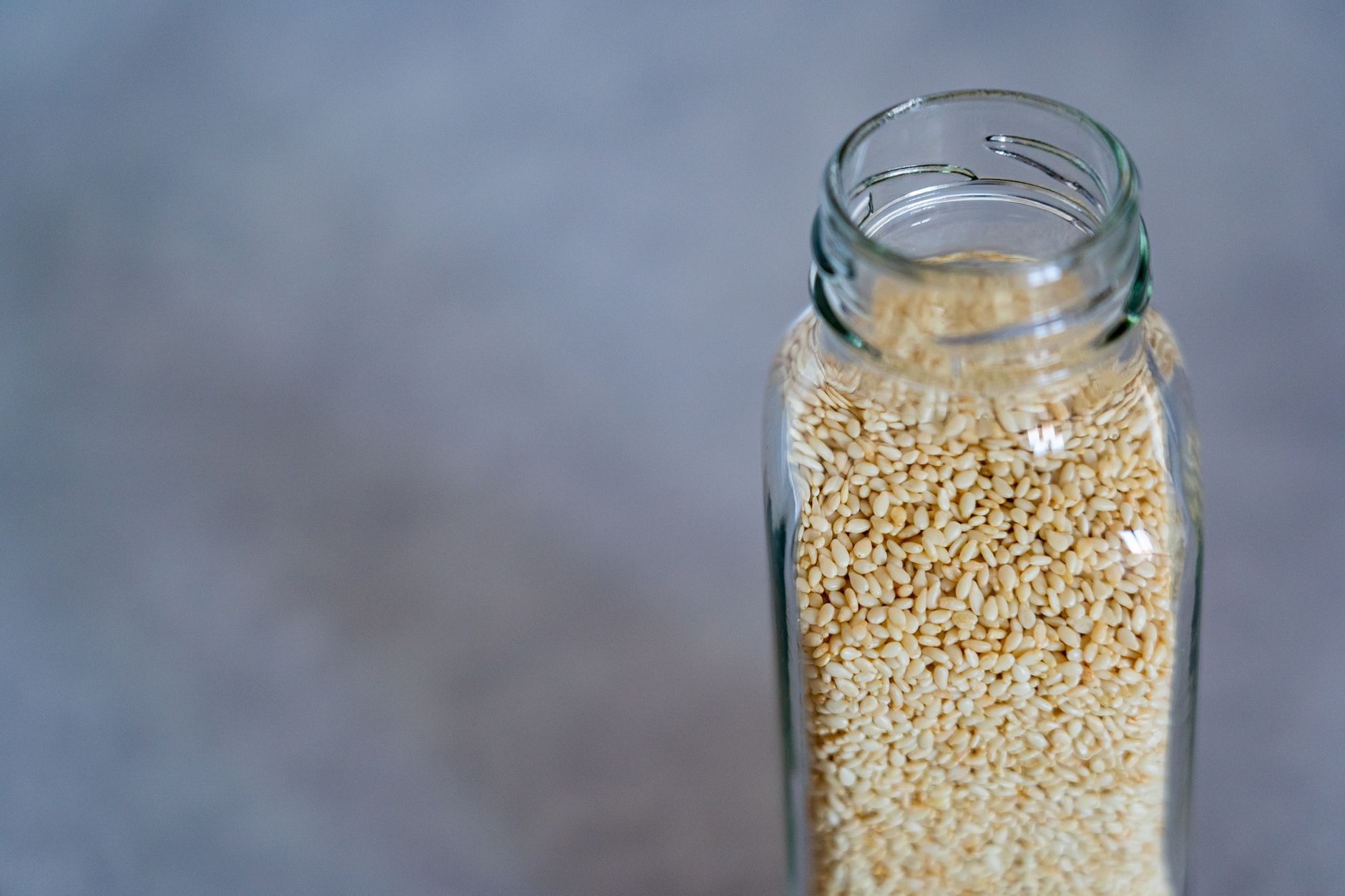
Glass jars (best): Use airtight glass jars with tight-fitting lids. Canning jars work well. They're reusable and protect from moisture.
Plastic containers: Airtight plastic containers work well if they have good seals. Ensure they're food-grade.
Seed envelopes: Paper envelopes are great for short-term storage. They allow air circulation but don't protect from moisture.
Plastic bags: Use thick, sealable plastic bags (Ziploc) for short-term storage. For long-term, use multiple layers.
Mylar bags: Excellent for long-term storage. They block light and moisture.
What to avoid: Open containers, non-sealable bags, or containers with poor seals—they let moisture in.
Control Moisture with Silica Gel
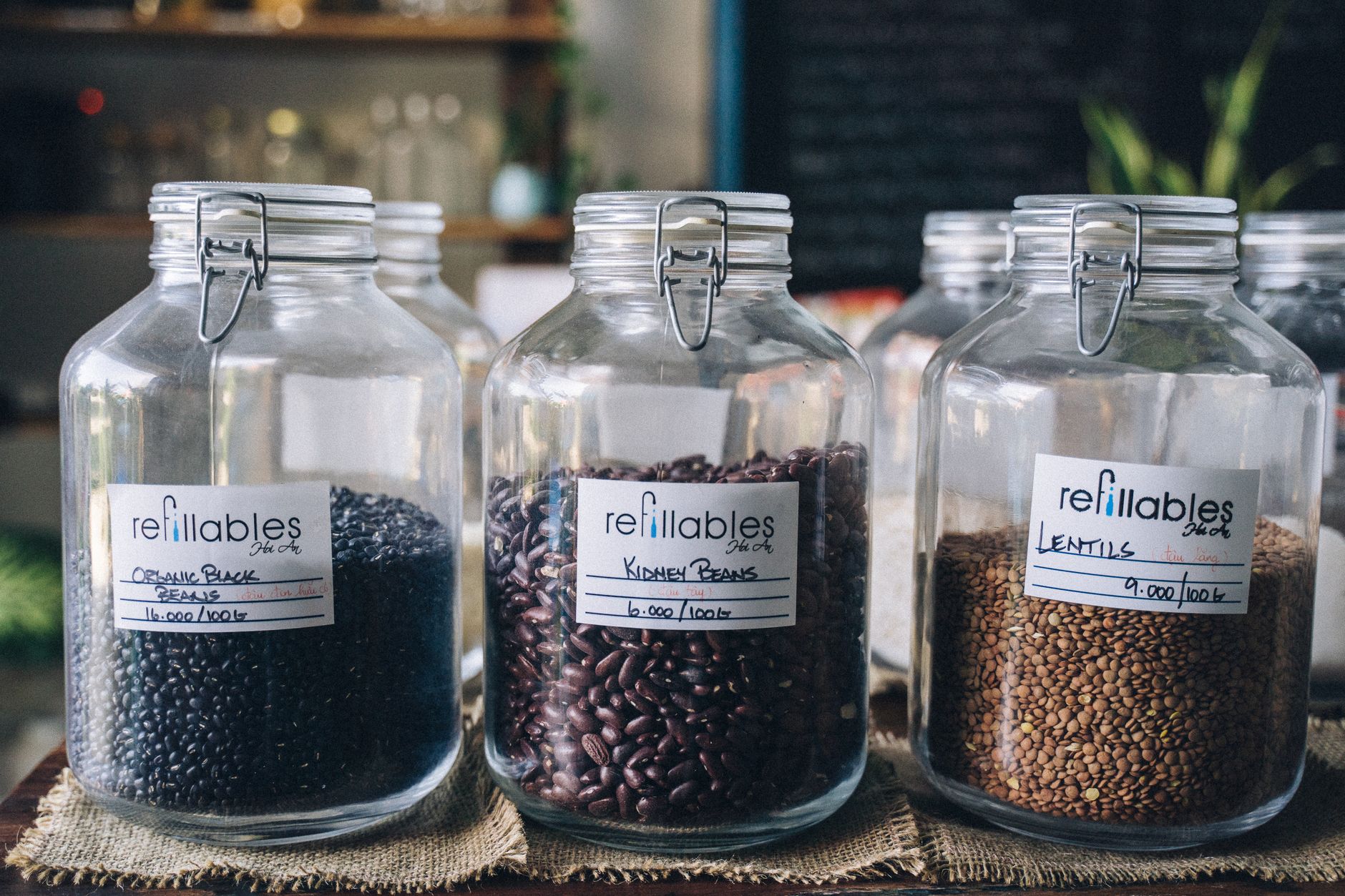
What is silica gel: Silica gel is a desiccant that absorbs moisture from the air. It keeps seeds dry.
How to use: Place a food-grade silica gel packet in each seed container. It absorbs excess moisture.
Recommended brand: Look for orange-to-green indicating silica gel (color change shows when it's saturated).
Refresh silica gel: Silica gel can be reused. Dry it in an oven at 250°F for 2 hours to remove absorbed moisture.
Alternative: Rice or dry milk powder can be used as natural desiccants, but silica gel is more effective.
Food-grade only: Ensure silica gel is food-grade—some types contain toxic additives.
Store Seeds in a Cool, Dark Location
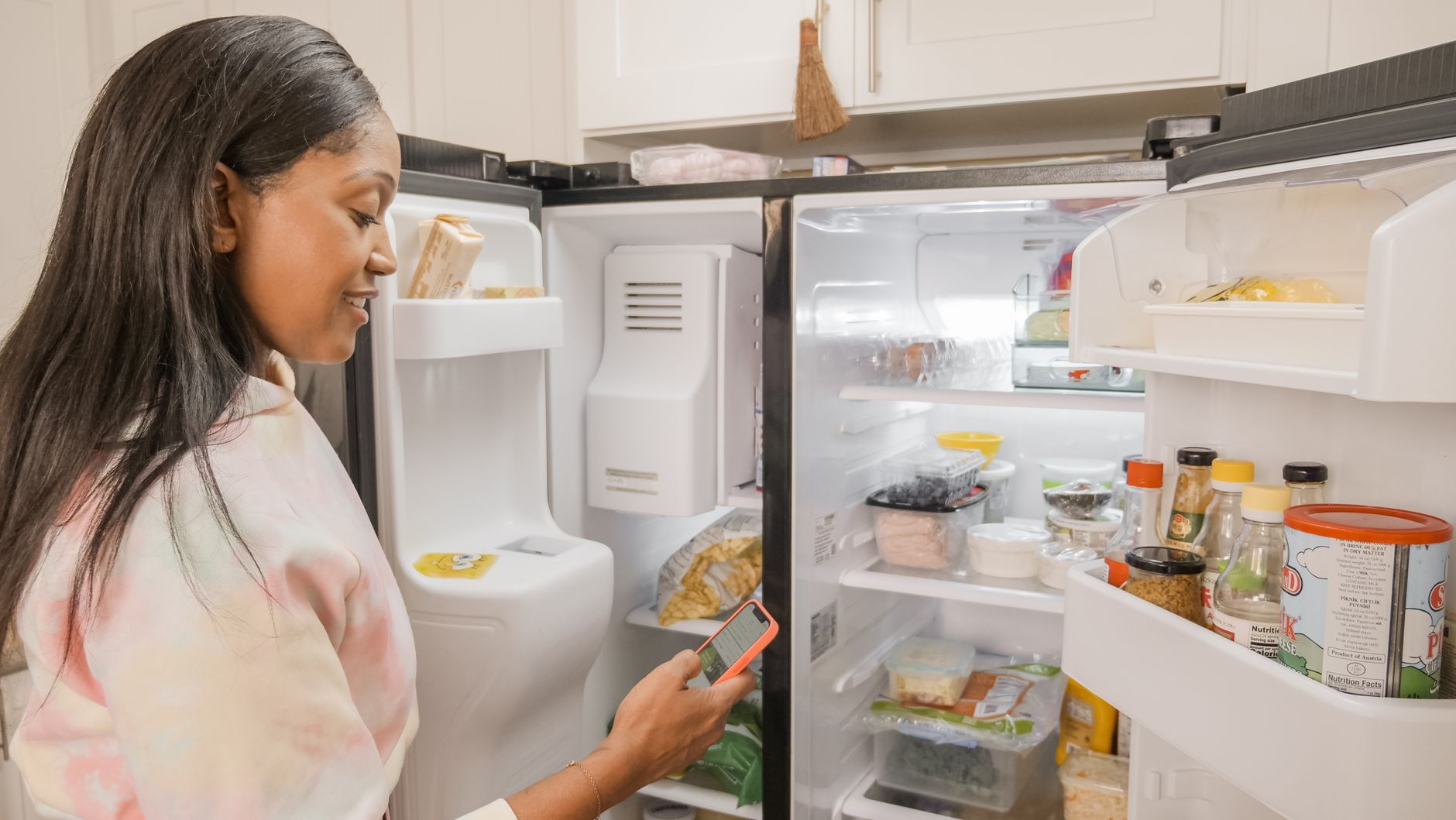
Temperature: The ideal temperature is below 40°F (4°C)—a refrigerator works perfectly. Each 10°F drop roughly doubles seed life.
Where not to store: Avoid warm places like attics, garages, near radiators, or in direct sunlight. High temperatures speed up aging.
Darkness: Store seeds in the dark. Light can trigger germination or degrade seed quality.
Consistent temperature: Temperature fluctuations are bad. Choose a location with stable temperatures.
Refrigerator tips: If using a refrigerator, ensure seeds are in airtight containers. Moisture in the fridge can condense inside containers.
Freezer storage: Seeds can be frozen for ultra-long storage. They must be completely dry (below 8% moisture). Thaw slowly in the sealed container before opening.
Label Everything Properly
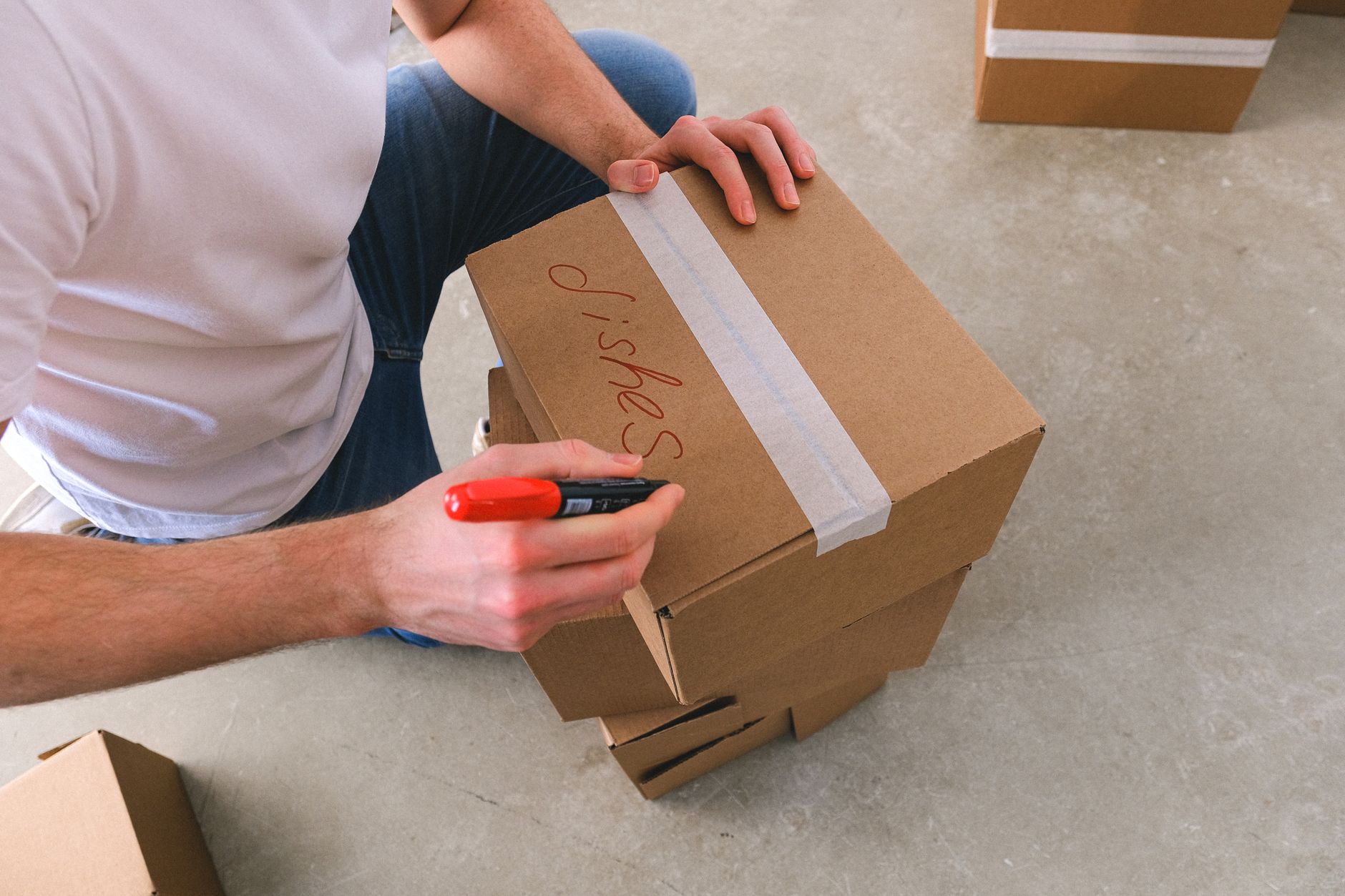
What to include: Label each container with: variety name, date collected/purchased, and any notes (e.g., 'good germinator').
Use permanent marker: Write on the container itself or use waterproof labels. Regular paper labels can become unreadable.
Use a spreadsheet: For large collections, keep a digital inventory. Include variety, source, date, and any observations.
Color coding: Some gardeners use color-coded labels to quickly identify seed types.
Photo records: Take photos of the mature plants and label seeds accordingly. This helps with identification.
Don't rely on memory: Even with a small collection, it's easy to forget what's what. Label everything.
Check Stored Seeds Periodically
Check every 6-12 months: Open containers and check for: mold (white or black fuzz), moisture (wet spots or condensation), pests (small insects or holes), and unusual odors.
If you see mold: Discard affected seeds immediately. Check the rest of your collection. Add fresh silica gel packets.
If you see pests: Discard the entire container. Pests spread quickly. Store future seeds in pest-proof containers.
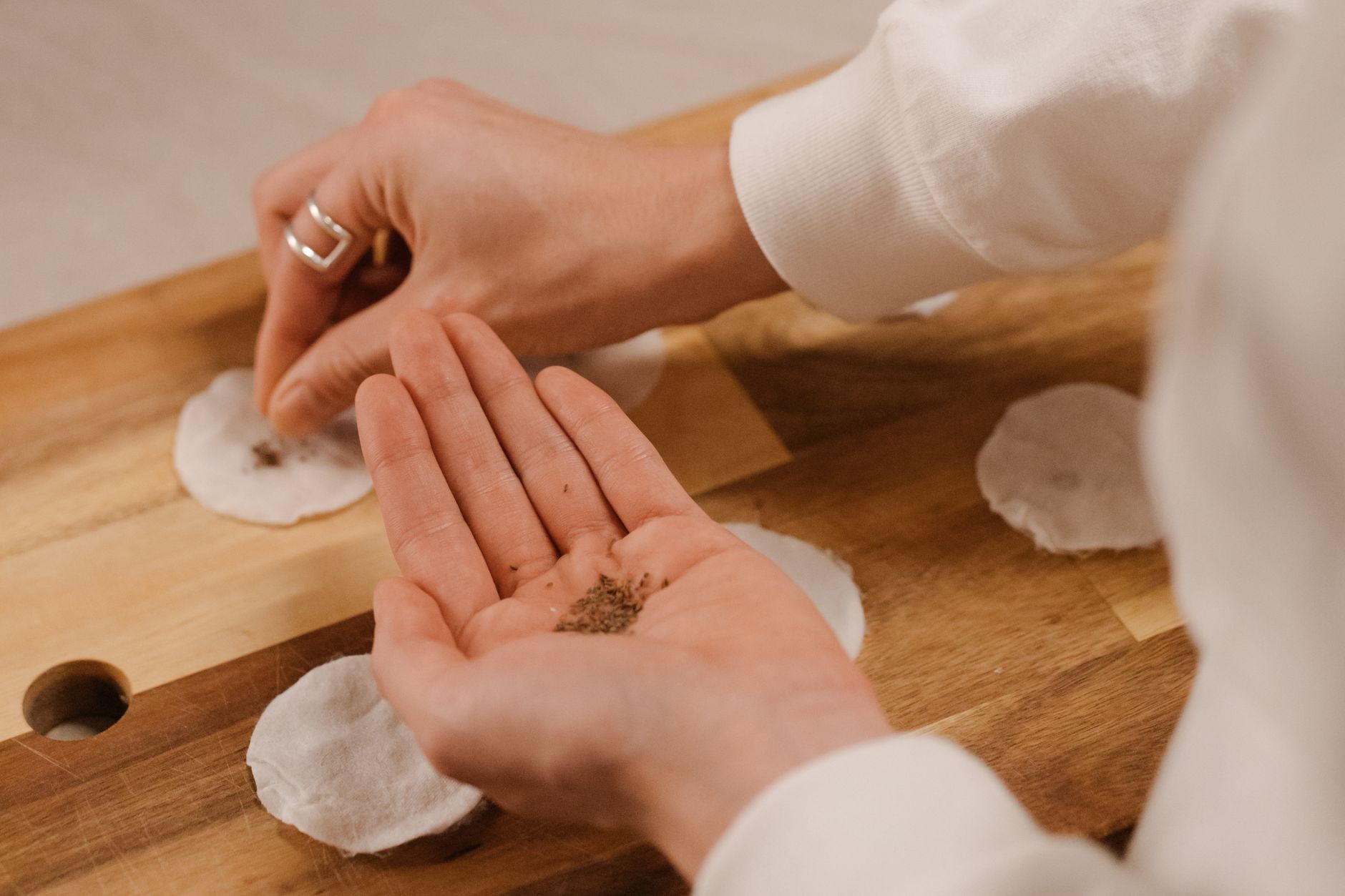
Test germination: Periodically test a sample of your stored seeds to check viability. Use the paper towel method.
Rotate inventory: Use older seeds first. Label new seeds with the date and use the oldest first.
Know How Long Different Seeds Last
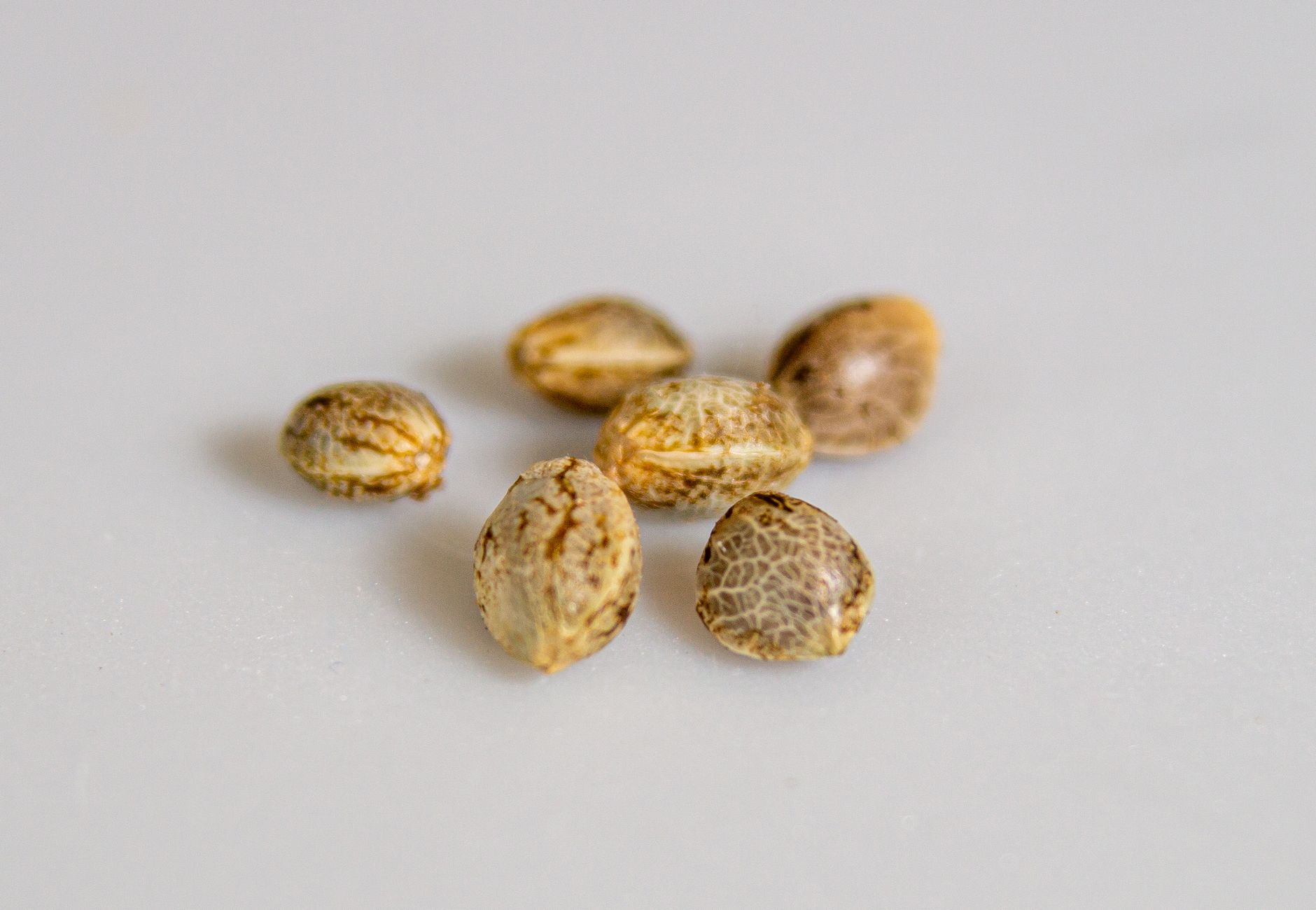
Short-lived seeds (1-2 years): Onions, parsnips, parsley, corn (sweet). Use these fresh or expect low germination.
Medium-lived seeds (3-4 years): Cabbage, broccoli, cauliflower, carrots, eggplant, peppers, pumpkins.
Long-lived seeds (4-6 years): Corn (field), tomatoes, watermelons, cucumbers, squash, lettuce.
Very long-lived seeds (5-10+ years): Beans, peas, sunflowers, spinach, Swiss chard.
General rule: For most vegetables, 3-4 years is a safe estimate for good germination rates.
Store accordingly: Plant short-lived seeds first, use long-lived seeds for long-term storage.
Common problems and fixes
| Problem | Likely cause | What to do |
|---|---|---|
| Mold on seeds in storage | Seeds weren't completely dry before storage. | Discard affected seeds. Ensure remaining seeds are completely dry. Add more silica gel. |
| Pests in seed storage (small insects) | Infested seeds or poor storage conditions. | Discard the entire container. Store seeds in pest-proof containers. Freeze new seeds for 48 hours before storage to kill pests. |
| Seeds are germinating in storage | Too much moisture or temperature too high. | Discard germinated seeds. Ensure remaining seeds are dry. Move to cooler, drier location. |
| Low germination rates from stored seeds | Seeds too old or stored improperly. | Test germination. If below 60%, plant extra seeds or buy fresh. Improve storage conditions for future seeds. |
Gardener's checklist
Test what you learned
What is the ideal temperature for storing seeds?
Answer: Below 40°F (4°C)
What should you add to seed containers to control moisture?
Answer: Silica gel packets
How should you test if seeds are dry enough for storage?
Answer: Snap test (they should snap when bent)
Which seeds have the shortest shelf life (1-2 years)?
Answer: Onions and parsnips
Common questions
Can I store seeds in the refrigerator?
Yes! A refrigerator is ideal. Store seeds in airtight containers with silica gel packets. The consistent cool temperature slows aging.
How long do seeds last in storage?
It depends on the seed type. Onions and parsnips last 1-2 years. Tomatoes and peppers last 4-6 years. Beans can last 5-10 years with proper storage.
Can you freeze seeds?
Yes, for ultra-long-term storage. Seeds must be completely dry (below 8% moisture). Store in airtight containers. Thaw in the sealed container before opening.
How do I know if my stored seeds are still viable?
Do a germination test. Place 10 seeds on a damp paper towel, keep warm, and count how many sprout after 5-10 days.
What causes seeds to lose viability?
Heat, moisture, light, and oxygen all reduce seed viability. Proper storage in cool, dark, dry, and airtight conditions slows this process.
Proper seed storage is essential for maintaining viability and ensuring successful germination. The key principles are simple: keep seeds cool (below 40°F), dark, and dry. Use airtight containers with silica gel packets to control moisture. Label everything with the variety and date. Check stored seeds periodically for mold, pests, or moisture damage. Different seeds have different lifespans—onions and parsnips last only 1-2 years, while beans and tomatoes can last 5-10 years. With proper storage, you'll have a reliable supply of seeds for years to come.
Frequently asked questions
How often should a vegetable garden be watered?
Frequency depends on weather, soil and plant size. Check the soil rather than watering on a rigid schedule.
Is compost enough fertilizer?
Compost improves soil and provides nutrients slowly. Heavy-feeding crops may still need additional feeding.

The Sproutstead Editorial Team
We create clear, practical gardening and homesteading guides designed for real homes and beginner growers.
View author profile →