
To attract hummingbirds to your garden, provide a combination of nectar-rich flowers, sugar water feeders, and fresh water. Plant bright red, orange, or pink tubular flowers like trumpet vine, bee balm, salvia, and columbine. Hang feeders filled with a 1:4 sugar-to-water solution (no red dye). Keep feeders clean and change the solution every 3-5 days. Provide perching spots (small branches or trellises) and a water source (mister or shallow fountain). Avoid pesticides. With the right plants and care, hummingbirds will visit your garden from spring through fall.
What you will need
Plant Nectar-Rich Flowers

Trumpet Vine: Vigorous vine with bright orange-red flowers. Excellent for hummingbirds.
Bee Balm (Monarda): Red, pink, or purple flowers. Attracts hummingbirds and butterflies.
Salvia (Sage): Many varieties with tubular red, blue, or purple flowers. Hummingbird favorite.
Columbine (Aquilegia): Unique red and yellow flowers. Early spring bloomer.
Trumpet Honeysuckle: Red and yellow tubular flowers. Native and hummingbird-friendly.
Penstemon: Tubular red or pink flowers. Good for dry gardens.
Lobelia (Cardinal Flower): Brilliant red flowers. Prefers moist soil.
Fuchsia: Hanging, tubular red and purple flowers. Great for containers.
Zinnia: Bright red, orange, or pink flowers. Easy to grow from seed.
Choose the Right Feeder

Color: Choose a feeder with bright red parts—hummingbirds are attracted to red.
Design: Look for feeders with multiple feeding ports (4-8 ports).
Durability: Glass feeders are more durable and easier to clean than plastic.
Cleaning: Choose a feeder that's easy to disassemble and clean.
Ant moat: Some feeders have built-in ant moats to keep ants away.
Location: Place feeders in the shade to keep nectar fresh longer.
Make the Perfect Feeder Solution

Recipe: Mix 1 cup of white granulated sugar with 4 cups of water.
No red dye: Do not use red food coloring—it's unnecessary and may be harmful.
Boil: Boil the water first, then stir in the sugar until dissolved. Cool before filling the feeder.
No honey: Never use honey—it can cause fatal fungal infections in hummingbirds.
No artificial sweeteners: Only use real sugar.
Storage: Store extra solution in the refrigerator for up to 2 weeks.
Feeders: Placement and Maintenance

Location: Hang feeders in the shade to keep nectar fresh longer.
Height: Hang feeders 4-6 feet off the ground.
Visibility: Place feeders where you can see them from your window.
Near flowers: Place feeders near nectar-rich flowers to attract hummingbirds.
Avoid predators: Keep feeders away from cats and other predators.
Distance: If using multiple feeders, place them at least 10 feet apart.
Clean Feeders Regularly
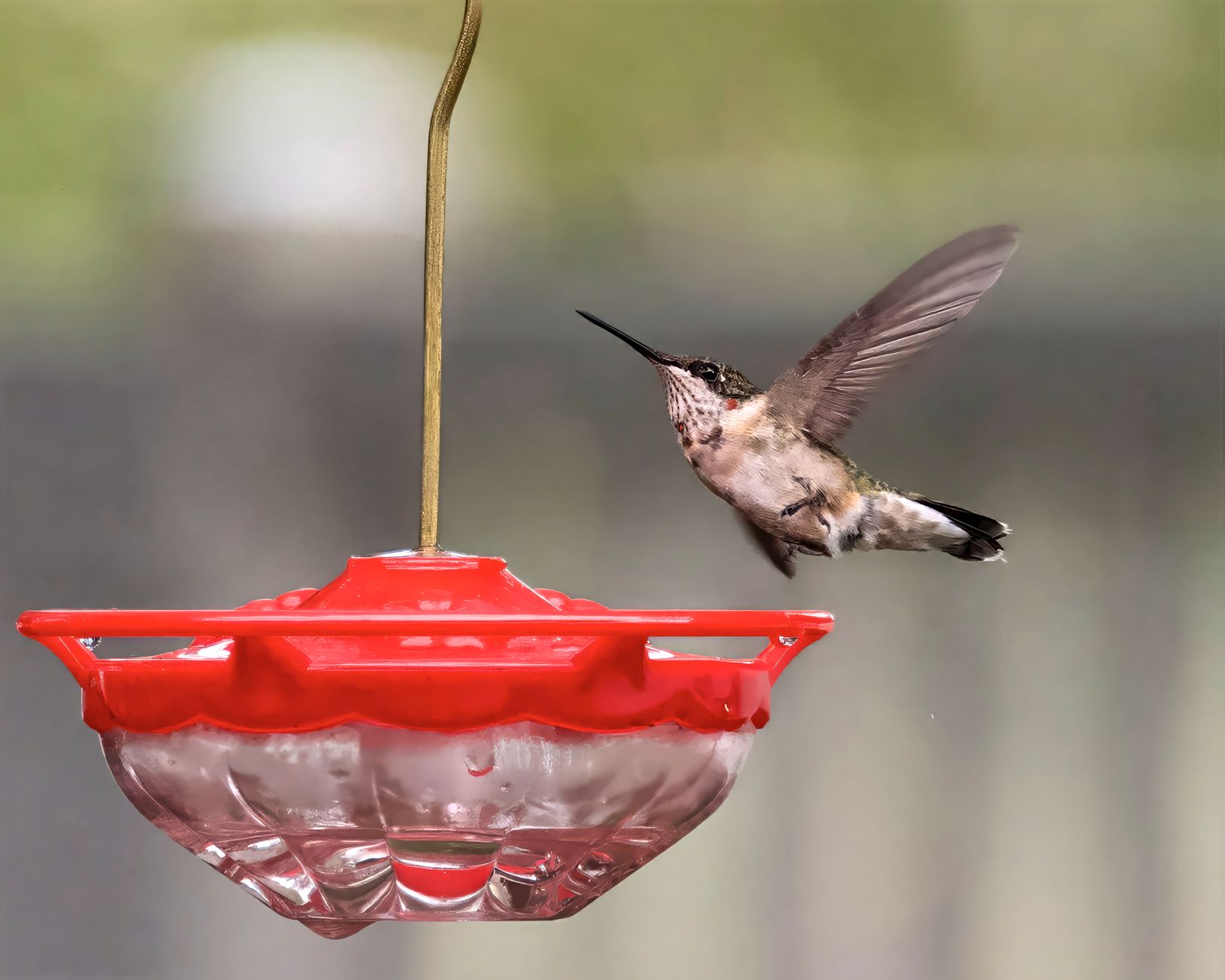
Frequency: Clean every 3-5 days (more often in hot weather).
How to clean: Disassemble the feeder and clean with hot water and a bottle brush.
No soap: Avoid soap—it can leave residue and harm hummingbirds.
Vinegar solution: For stubborn mold, use a 1:10 vinegar-water solution. Rinse thoroughly.
Rinse: Rinse well with hot water before refilling.
Provide Water Sources

Misters: Hummingbirds love to fly through fine mist.
Drippers: A dripping water source attracts hummingbirds.
Shallow fountains: A shallow fountain or birdbath with moving water is ideal.
Clean water: Change water frequently to prevent mosquitoes.
Location: Place water sources near flowers and feeders.
Provide Perching Spots

Why perches: Hummingbirds rest and survey their territory from perches.
What to use: Small branches, trellises, or thin wire.
Placement: Place perches near feeders and flowers.
Height: Perches should be 4-6 feet off the ground.
Visibility: Place perches where you can enjoy watching the hummingbirds.
Avoid Pesticides

Why avoid: Pesticides kill the insects hummingbirds eat and can poison them directly.
Natural alternatives: Use neem oil, insecticidal soap, or beneficial insects for pest control.
Plant diversity: A diverse garden attracts beneficial insects that control pests naturally.
Avoid spraying: Never spray pesticides near feeders or flowers that hummingbirds visit.
Common problems and fixes
| Problem | Likely cause | What to do |
|---|---|---|
| Hummingbirds not visiting | Feeder too dirty, wrong solution, or no nearby flowers. | Clean feeder, use proper 1:4 sugar solution, and plant nectar-rich flowers. |
| Nectar turning cloudy or moldy | Not cleaning the feeder often enough. | Clean every 3-5 days, especially in hot weather. |
| Ants on the feeder | Ants attracted to sugar water. | Use an ant moat (water barrier) or apply a thin layer of petroleum jelly on the hanger. |
| Bees on the feeder | Bees also attracted to sugar water. | Use feeders with bee guards. Move feeders away from bee-attracting flowers. |
Gardener's checklist
Test what you learned
What is the correct hummingbird nectar ratio?
Answer: 1:4 sugar to water
What color attracts hummingbirds most?
Answer: Red
How often should you clean a hummingbird feeder?
Answer: Every 3-5 days
What flower is a hummingbird favorite?
Answer: Trumpet vine
Should you add red dye to hummingbird nectar?
Answer: No
Common questions
When do hummingbirds arrive in spring?
Hummingbirds arrive in spring (April-May) as they migrate north. Put feeders out 1-2 weeks before they're expected in your area.
Do hummingbirds return to the same feeders each year?
Yes, hummingbirds often return to the same feeders and gardens each year.
What time of day are hummingbirds most active?
Hummingbirds are most active in the morning and late afternoon.
How long do hummingbirds live?
Most hummingbirds live 3-5 years, with some reaching 10+ years.
Can I leave hummingbird feeders out in winter?
In warmer climates where hummingbirds stay year-round, you can leave feeders out. In cold climates, take them down after migration.
Attracting hummingbirds to your garden is a rewarding experience that brings beauty and life to your outdoor space. Plant nectar-rich flowers like trumpet vine, bee balm, and salvia. Hang feeders with a 1:4 sugar-water solution (no red dye). Clean feeders regularly and provide water sources and perching spots. Avoid pesticides and plant a succession of flowers for continuous blooms. With the right plants and care, your garden will become a hummingbird haven from spring through fall.
Frequently asked questions
How often should a vegetable garden be watered?
Frequency depends on weather, soil and plant size. Check the soil rather than watering on a rigid schedule.
Is compost enough fertilizer?
Compost improves soil and provides nutrients slowly. Heavy-feeding crops may still need additional feeding.

The Sproutstead Editorial Team
We create clear, practical gardening and homesteading guides designed for real homes and beginner growers.
View author profile →

