
A rock garden mimics natural mountain landscapes with a combination of rocks, gravel, and alpine or drought-tolerant plants. Choose a sunny, well-drained slope or create a raised bed with excellent drainage. Select rocks that match your local geology for a natural look. Plant low-growing perennials like sedums, creeping phlox, dianthus, hens and chicks, and dwarf conifers between and around rocks. Use gravel or small stones as mulch to retain moisture and suppress weeds. Rock gardens are low-maintenance, drought-tolerant, and provide year-round interest. Good drainage is essential—most rock garden plants prefer dry conditions.
What you will need
Choose the Right Location
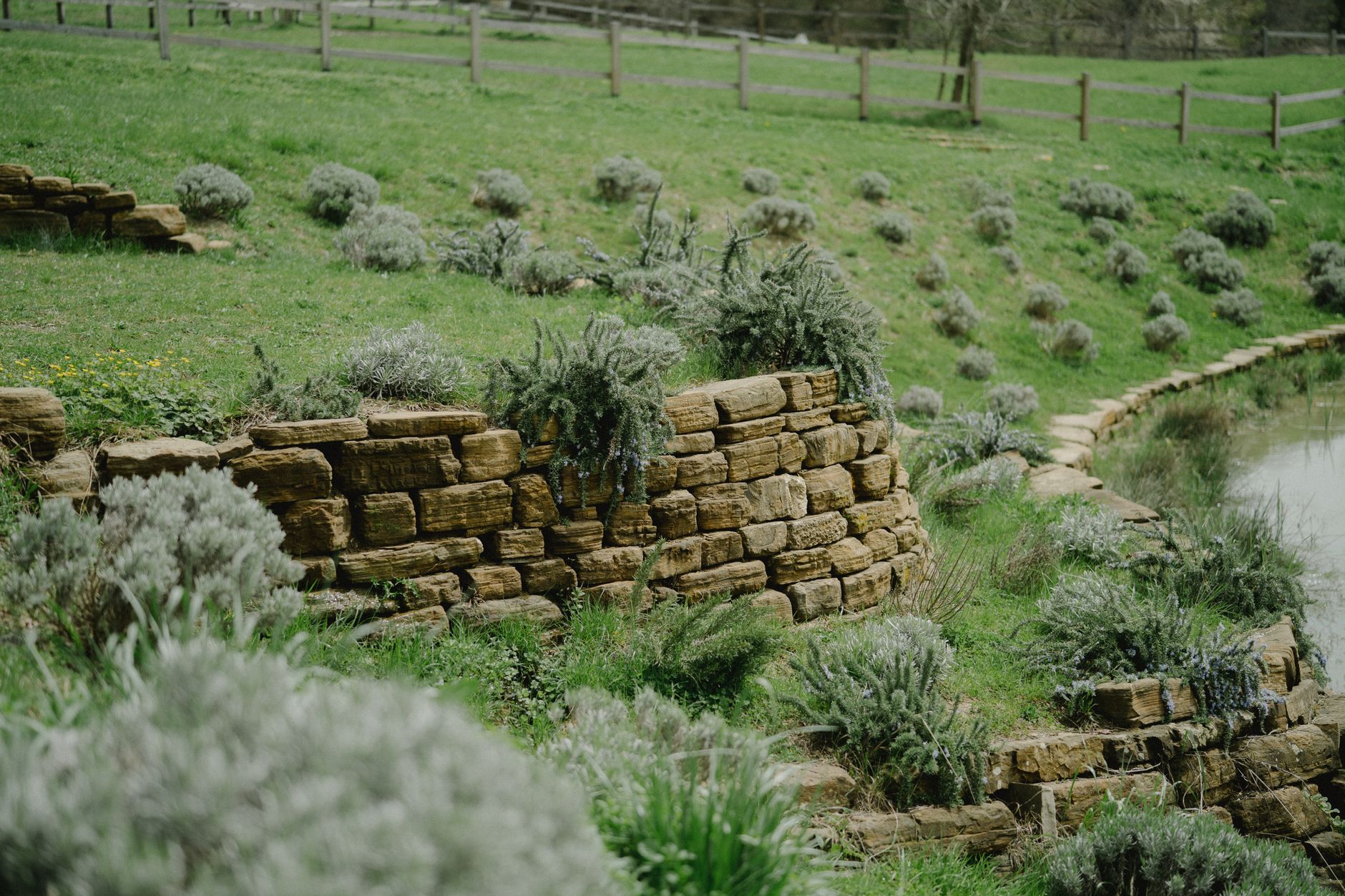
Natural slope: A slope is ideal—it provides natural drainage and a dramatic backdrop for rocks.
Raised bed: If you don't have a slope, build a raised rock garden bed (12-18 inches high).
Sunlight: Most rock garden plants prefer full sun (6+ hours daily). Some tolerate light shade.
Drainage: Good drainage is essential. Avoid low-lying areas where water collects.
Viewing: Place your rock garden where you can enjoy it—near a patio, walkway, or window.
Select the Right Rocks
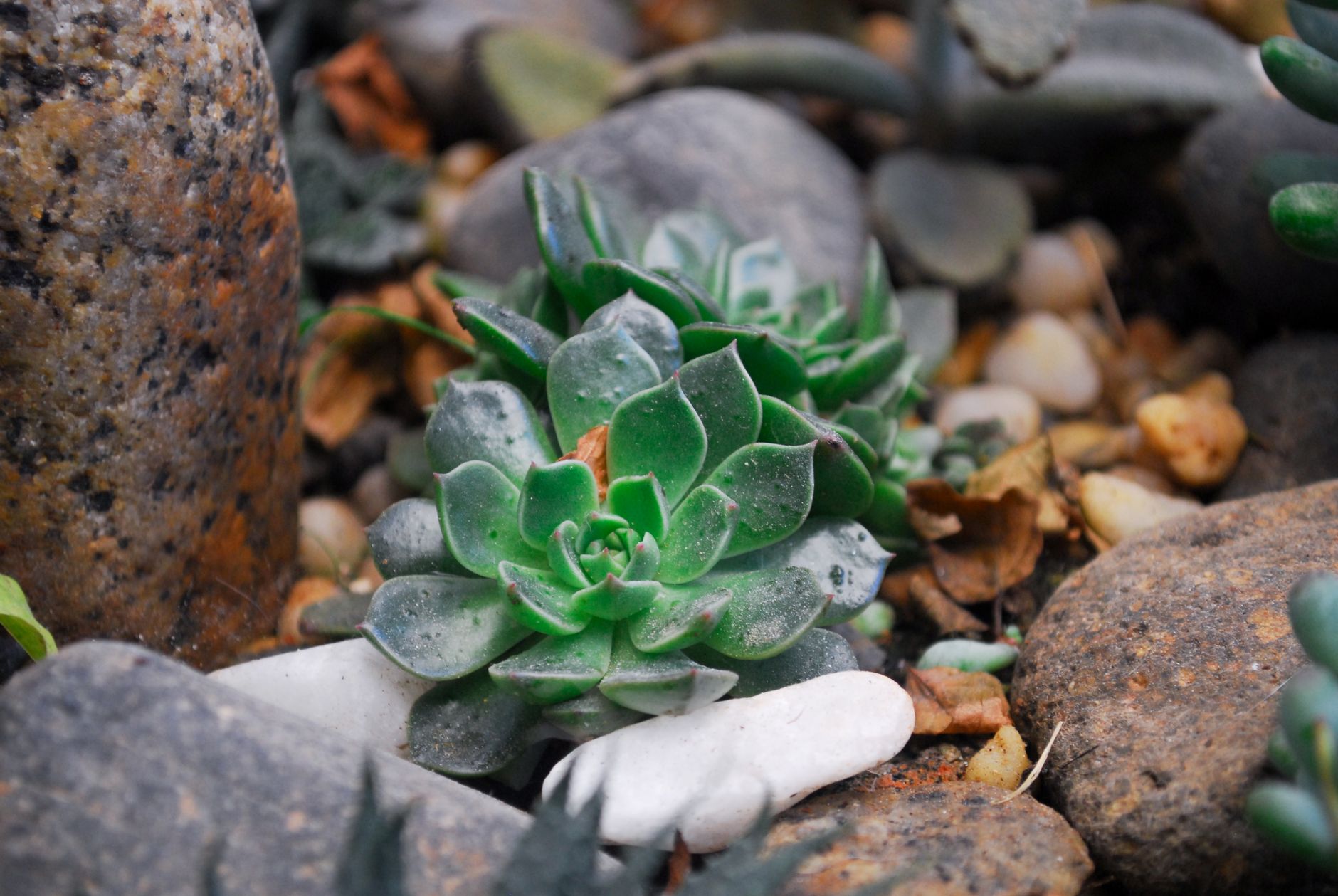
Type of rock: Choose rocks that match your local geology for a natural look. Common options: limestone, sandstone, granite, or flagstone.
Size: Use a mix of sizes—large rocks (12-18 inches) as anchors, medium rocks (6-12 inches), and small stones (2-6 inches) for accents.
Shape: Choose rocks with interesting shapes and textures. Avoid rocks that are too round or uniform.
Color: Match the rock color to your home or landscape for a cohesive look.
Source: Buy from a landscape supply company or collect from your property (with permission).
Place Rocks Naturally
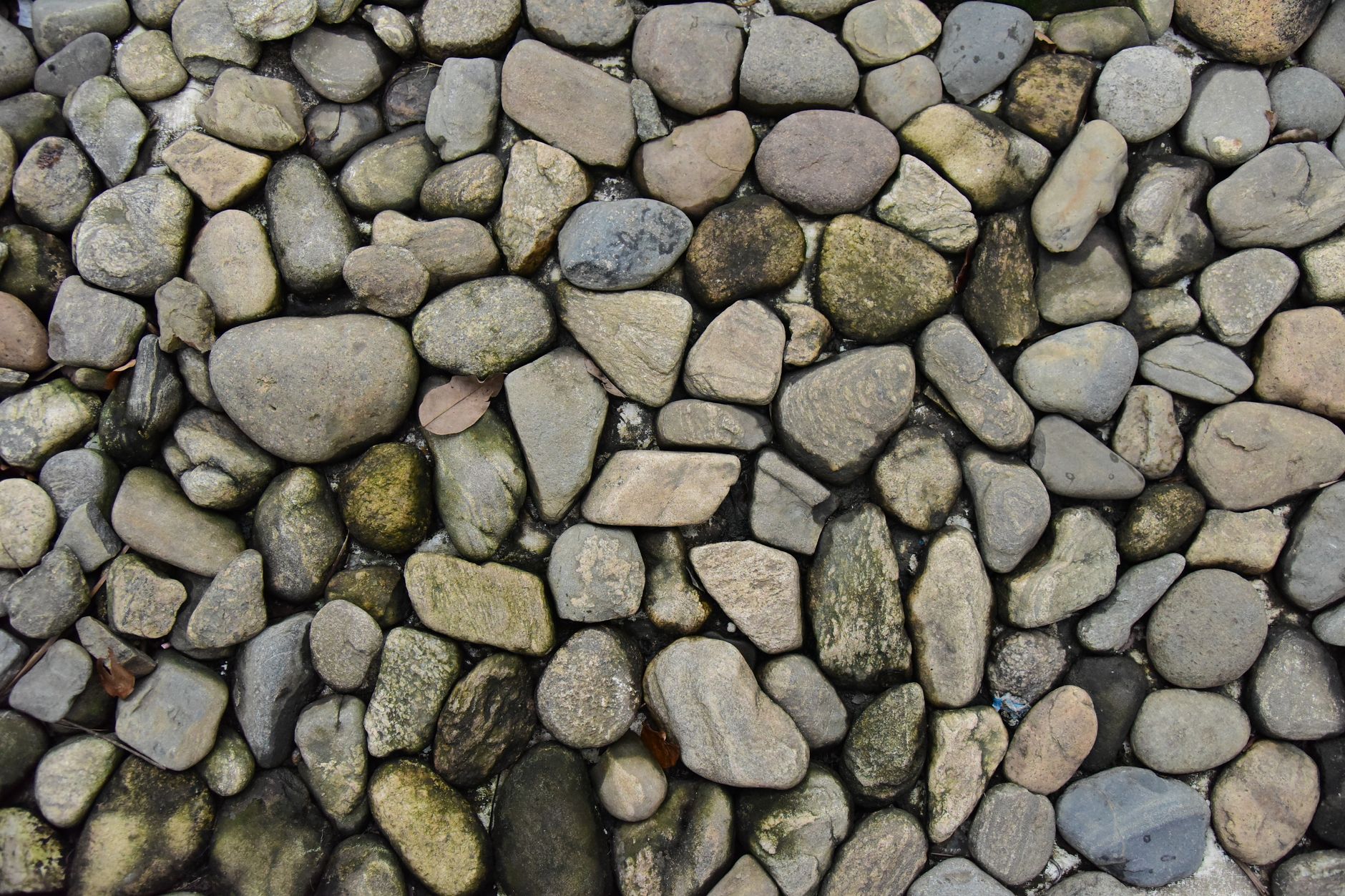
Bury rocks: Bury each rock 1/3 to 1/2 of its depth. This makes them look natural and stable.
Create groups: Arrange rocks in odd-numbered groups (3, 5, or 7) for a natural look.
Vary orientation: Place rocks at different angles—some upright, some tilted, some flat.
Create crevices: Leave spaces between rocks for planting. Crevices mimic natural mountain terrain.
Largest to smallest: Place the largest rocks first, then fill in with medium and small rocks.
Step back: Step back frequently to check the overall composition.
Choose the Right Plants
Sedums: Low-growing succulents with colorful foliage and starry flowers. Excellent for rock gardens.
Creeping Phlox: Low-growing, mat-forming perennial with masses of spring flowers.
Dianthus: Pink or white flowers with grassy foliage. Fragrant and long-blooming.
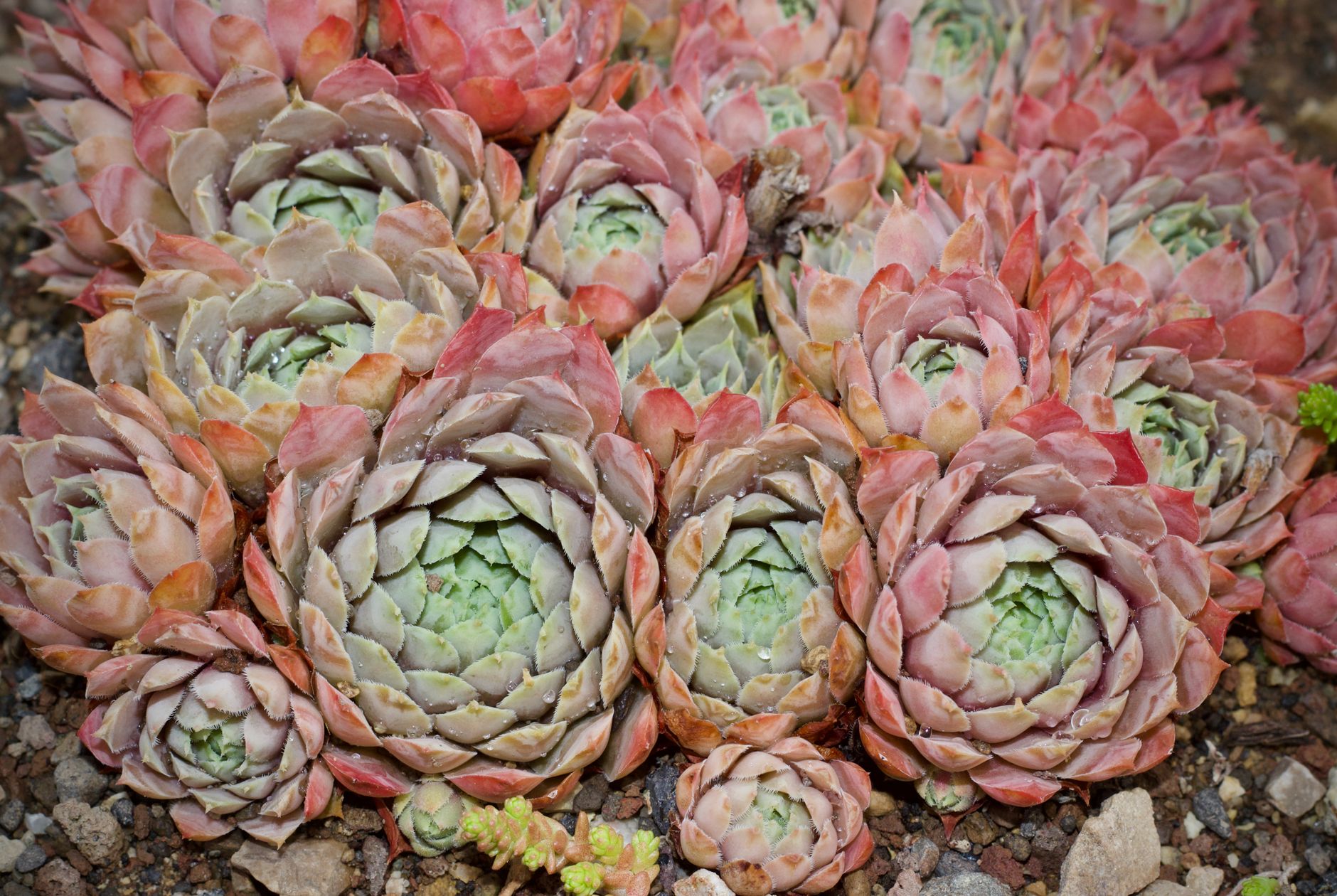
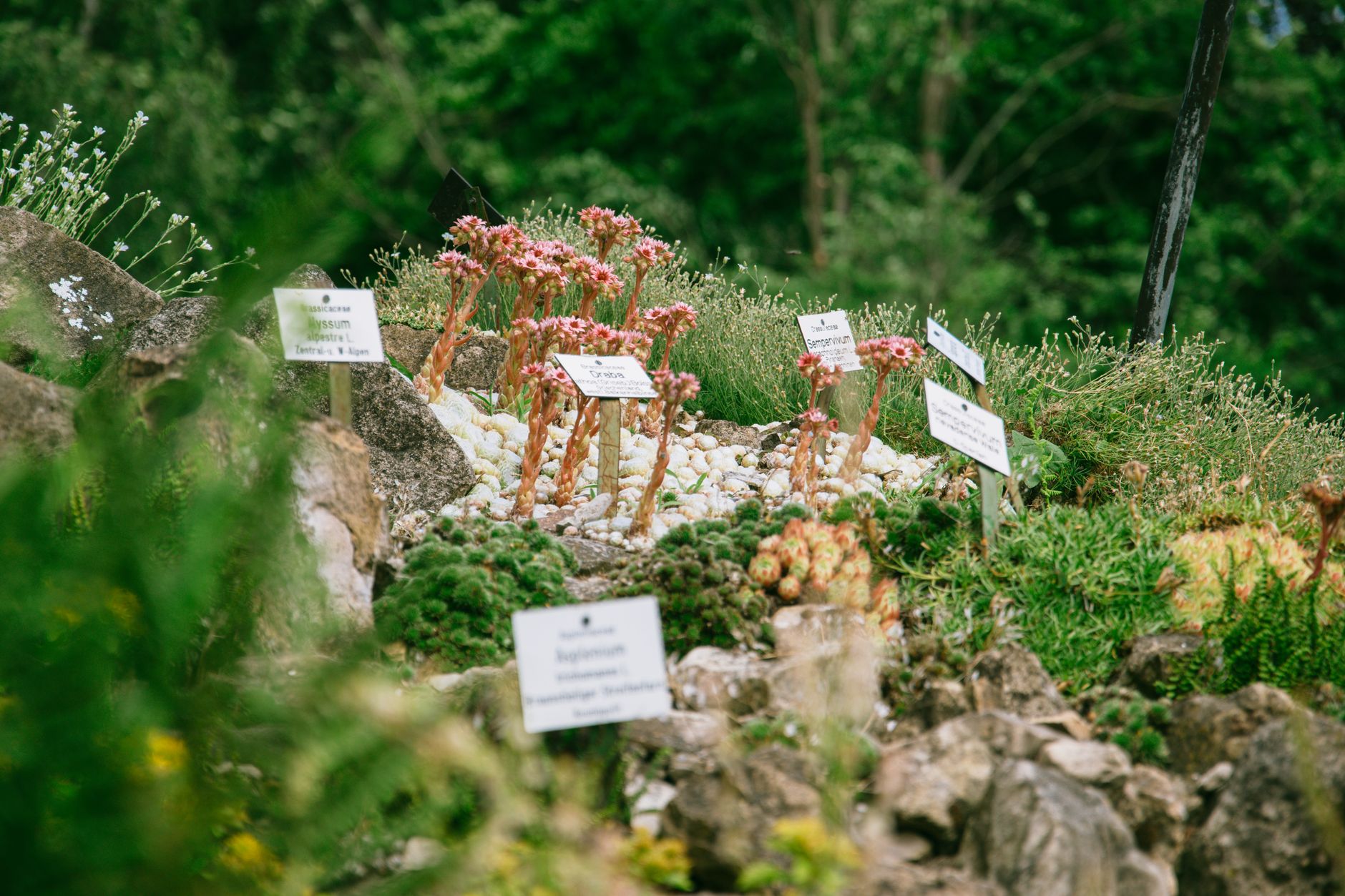
Hens and Chicks (Sempervivum): Succulent rosettes that spread and fill crevices.
Creeping Thyme: Fragrant, low-growing ground cover with tiny pink or purple flowers.
Dwarf Conifers: Small evergreens that add year-round structure (e.g., dwarf spruce, juniper).
Alpine Plants: Rockcress, aubrieta, saxifrage, and gentians.
Plant Between Rocks
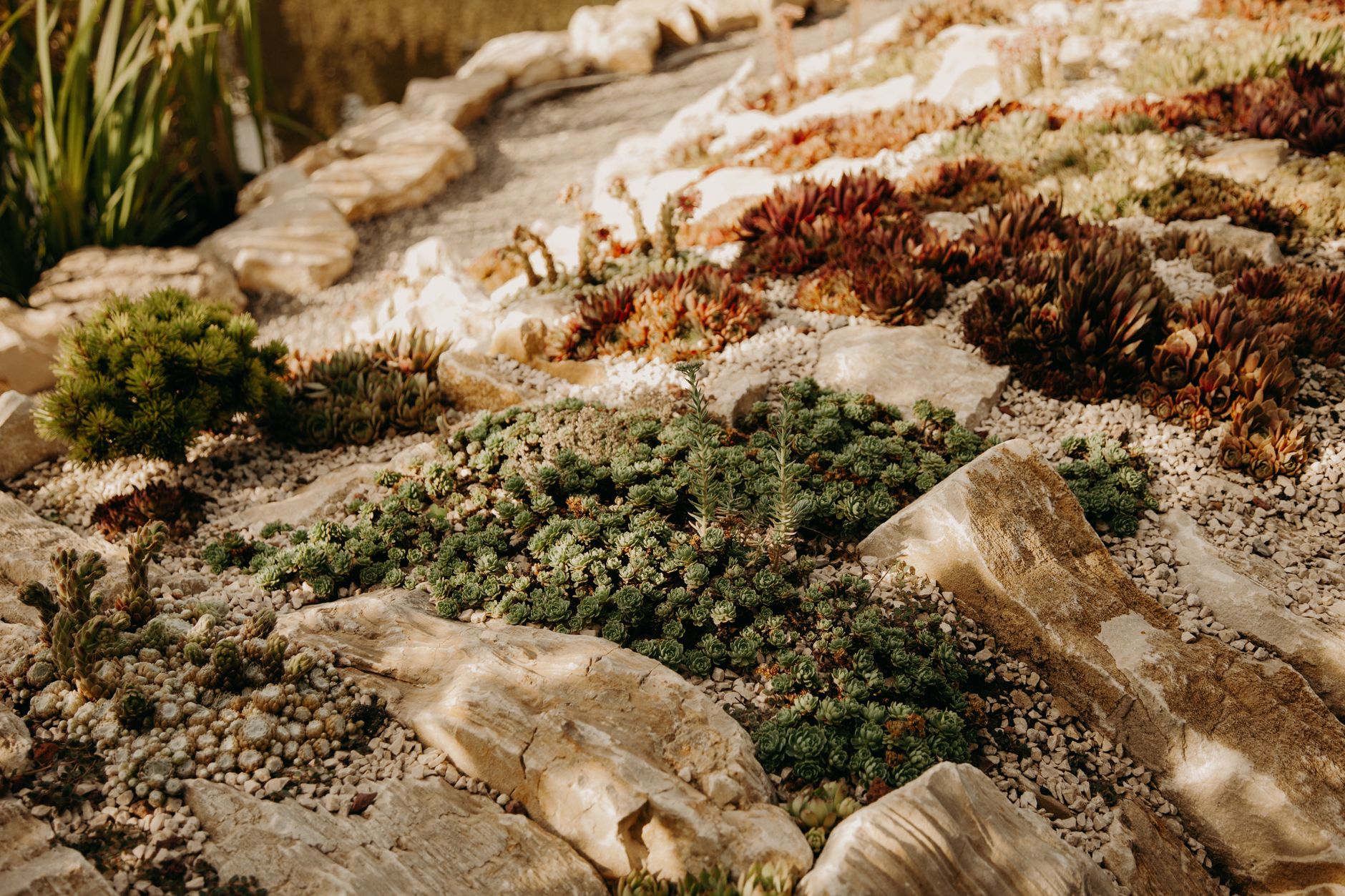
Soil mix: Use a well-draining soil mix (1 part garden soil, 1 part sand, 1 part compost).
Planting crevices: Plant in crevices and pockets between rocks. This mimics natural mountain conditions.
Spacing: Space plants according to their mature spread. They'll fill in over time.
Watering: Water thoroughly after planting and keep moist until established.
Mulch: Add a layer of small gravel or crushed stone around plants to retain moisture and suppress weeds.
Add Finishing Touches
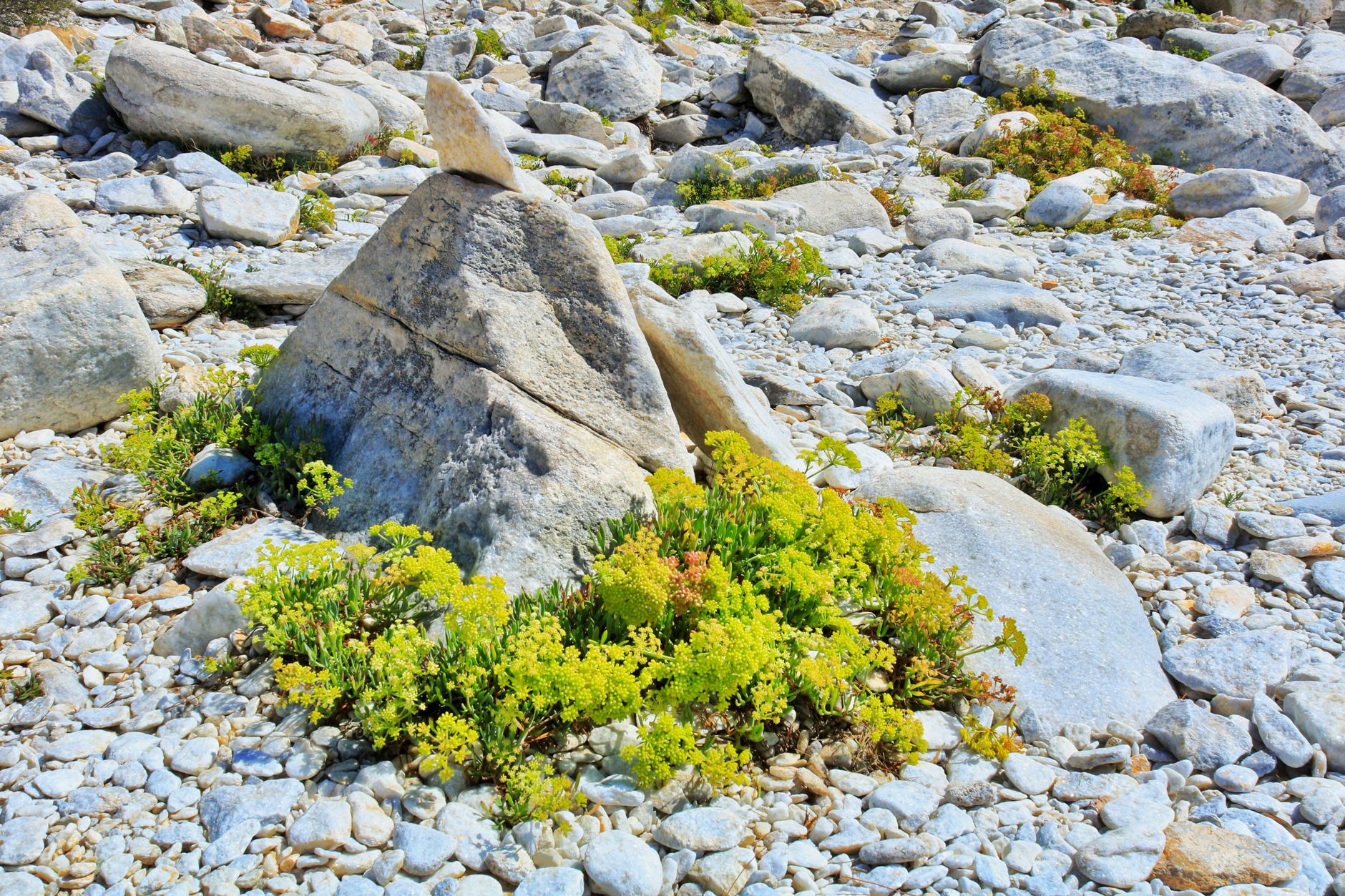
Gravel mulch: Add a 1-2 inch layer of small gravel or crushed stone around plants.
Stepping stones: Add flat stones or stepping stones for access and visual interest.
Pathways: Create a gravel path through your rock garden.
Drought-tolerant accents: Add decorative elements like driftwood, driftwood, or a small water feature.
Lighting: Consider adding solar lights for evening enjoyment.
Maintain Your Rock Garden
Watering: Water deeply during dry spells (once a week). Most rock garden plants are drought-tolerant.
Weeding: Pull weeds regularly—they can quickly overrun a rock garden.
Pruning: Trim back dead flowers and spent growth in spring.
Mulch refresh: Replenish gravel mulch every 2-3 years.
Rock maintenance: Check rocks periodically—they may settle or shift over time.
Fertilizing: Rock garden plants don't need much fertilizer. A light application in spring is sufficient.
Troubleshoot Common Issues
Weeds: The most common problem. Use gravel mulch and hand-pull weeds regularly.
Poor drainage: If plants are dying, drainage may be insufficient. Add more gravel and organic matter.
Erosion: On slopes, erosion can be a problem. Use larger rocks and plant ground covers.
Shifting rocks: Rocks may shift over time. Reposition them as needed.
Winter damage: In cold climates, some plants may need winter protection. Add a layer of evergreen boughs.
Common problems and fixes
| Problem | Likely cause | What to do |
|---|---|---|
| Weeds taking over | Not enough gravel mulch or not weeding regularly. | Add 1-2 inches of gravel mulch and hand-pull weeds weekly. |
| Plants dying | Poor drainage or overwatering. | Improve drainage with more gravel. Water less frequently. |
| Rocks shifting | Not buried deep enough or settling. | Reposition rocks and bury them deeper. |
| Erosion on slopes | No ground cover or large rocks to hold soil. | Add larger rocks and plant spreading ground covers. |
Gardener's checklist
Test what you learned
How deep should rocks be buried in a rock garden?
Answer: 1/3 to 1/2 of their depth
What type of plants are best for rock gardens?
Answer: Low-growing, drought-tolerant plants
What is the best location for a rock garden?
Answer: Sunny, well-drained slope
What is the best mulch for a rock garden?
Answer: Gravel or crushed stone
Which plant is ideal for a rock garden?
Answer: Sedum
Common questions
Can I build a rock garden in a flat yard?
Yes! Build a raised rock garden bed (12-18 inches high) to create the necessary drainage and visual interest.
How do I keep weeds out of my rock garden?
Use 1-2 inches of gravel mulch and lay landscape fabric under the gravel. Hand-pull weeds as soon as they appear.
Do rock garden plants need a lot of water?
No, most rock garden plants are drought-tolerant. Water deeply during dry spells, but avoid overwatering.
What are the easiest rock garden plants for beginners?
Sedums, creeping phlox, hens and chicks, and creeping thyme are all easy to grow and perfect for beginners.
How do I prevent erosion in a rock garden on a slope?
Use larger rocks, plant spreading ground covers, and add gravel mulch to hold the soil in place.
A well-designed rock garden is a beautiful, low-maintenance addition to any landscape. Choose a sunny, well-drained location and select rocks that match your local geology. Plant low-growing, drought-tolerant perennials between rocks and add gravel mulch to suppress weeds. Rock gardens mimic natural mountain landscapes, providing year-round interest with minimal maintenance. With thoughtful design and the right plant choices, your rock garden will be a stunning focal point for years to come.
Frequently asked questions
How often should a vegetable garden be watered?
Frequency depends on weather, soil and plant size. Check the soil rather than watering on a rigid schedule.
Is compost enough fertilizer?
Compost improves soil and provides nutrients slowly. Heavy-feeding crops may still need additional feeding.

The Sproutstead Editorial Team
We create clear, practical gardening and homesteading guides designed for real homes and beginner growers.
View author profile →

