
Epsom salt (magnesium sulfate) provides magnesium and sulfur, two nutrients plants need in smaller amounts than nitrogen, phosphorus, and potassium. It's most useful for correcting a confirmed magnesium deficiency, identified by yellowing between leaf veins on older leaves, particularly common in tomatoes, peppers, and roses grown in magnesium-poor soil. Apply as a diluted foliar spray or soil drench at roughly 1 tablespoon per gallon of water, but avoid routine use without an actual deficiency, since most soils already have adequate magnesium.
What you will need
Understand What Epsom Salt Actually Provides
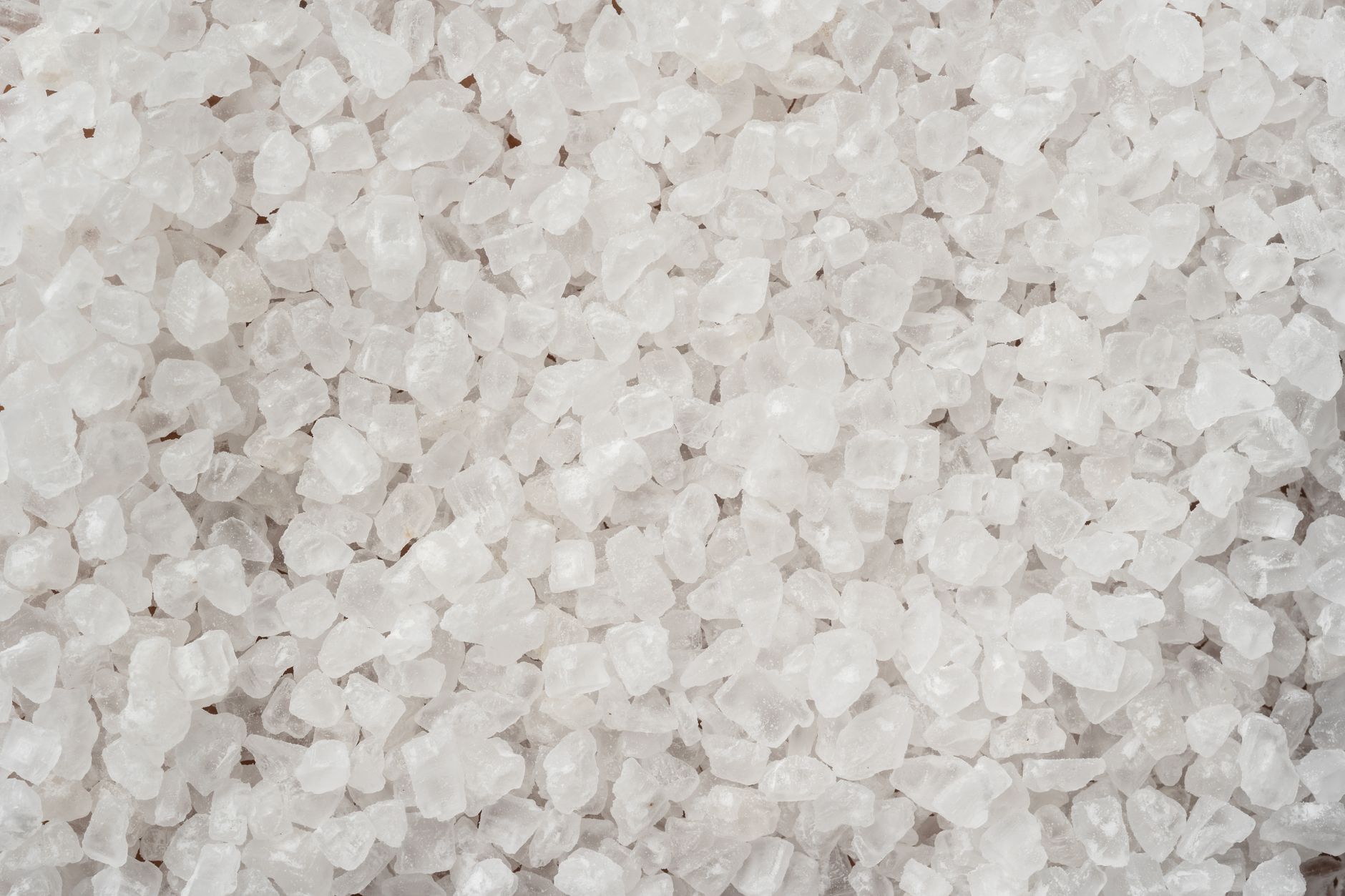
Epsom salt is chemically magnesium sulfate, providing exactly two nutrients: magnesium, which plants need for chlorophyll production and enzyme function, and sulfur, involved in protein synthesis and various plant processes.
It contains none of the primary macronutrients (nitrogen, phosphorus, potassium) that most general-purpose fertilizers provide, meaning it's a targeted, narrow-purpose amendment rather than a comprehensive plant food.
Many popular garden claims about Epsom salt, including that it dramatically boosts flowering, prevents blossom end rot, or generally improves all plant growth, aren't well-supported by evidence and often stem from anecdotal gardening folklore rather than established horticultural science.
Magnesium and sulfur are considered secondary nutrients, needed by plants in smaller quantities than the primary macronutrients, and most garden soils already contain adequate amounts unless specific conditions (sandy soil, heavy rainfall leaching, certain soil types) have depleted them.
Understanding this focused nutrient profile helps set realistic expectations: Epsom salt genuinely helps plants showing an actual magnesium deficiency, but won't meaningfully benefit plants that already have adequate magnesium levels.
Recognize Genuine Magnesium Deficiency Signs

Magnesium deficiency typically shows as yellowing between the leaf veins (called interveinal chlorosis) while the veins themselves remain green, creating a distinctive pattern that differs from more general yellowing.
This deficiency typically appears first on older, lower leaves rather than new growth, since plants preferentially move available magnesium to newer leaves when supplies are limited, leaving older leaves showing symptoms first.
Tomatoes, peppers, and roses are among the plants most commonly affected by magnesium deficiency in home gardens, particularly in sandy soils or after heavy rainfall has leached nutrients from the root zone.
Before treating with Epsom salt, rule out other possible causes of yellowing leaves, such as overwatering, nitrogen deficiency (which causes more uniform yellowing rather than the interveinal pattern), or natural leaf aging, since treating the wrong problem wastes time without solving the actual issue.
A soil test specifically checking magnesium levels provides the most reliable confirmation before treating, though the distinctive interveinal yellowing pattern on older leaves is a reasonably strong visual indicator on its own for experienced gardeners.
Apply as a Foliar Spray for Quick Results

Dissolve 1 tablespoon of Epsom salt per gallon of water, mixing thoroughly until fully dissolved, then apply as a foliar spray directly to leaf surfaces, which allows relatively quick magnesium absorption compared to soil application.
Spray in the early morning or evening rather than during hot, sunny midday conditions, since wet leaves in direct intense sun can occasionally develop leaf scorch, similar to the caution applied with many foliar treatments.
Apply every 2-4 weeks if deficiency symptoms are confirmed and persisting, discontinuing once new growth shows improved, more uniform green color without the interveinal yellowing pattern.
Foliar application works particularly well for a relatively quick response on plants showing acute deficiency symptoms during the growing season, since leaf absorption happens faster than nutrients moving through the soil to roots.
Test on a small area first if trying this technique on a plant you haven't treated before, watching for any negative reaction over a few days before applying more broadly across the entire plant.
Apply as a Soil Drench for Longer-Term Correction

Dissolve 1 tablespoon of Epsom salt per gallon of water, then apply directly to the soil around the base of affected plants, watering it in thoroughly to help it reach the root zone.
Soil application generally works more slowly than foliar spraying but provides more sustained correction, since the magnesium becomes available to roots over an extended period rather than the more immediate but shorter-lived effect of leaf absorption.
Apply once at planting time for crops known to be prone to magnesium deficiency in your specific soil, then monitor for symptoms throughout the season, applying additional treatments only if deficiency signs actually appear.
Avoid excessive, repeated soil applications without confirmed ongoing deficiency, since magnesium can accumulate in soil over time with repeated unnecessary treatment, potentially creating an imbalance with other nutrients like calcium and potassium.
Combine with a soil test periodically if you're using Epsom salt regularly, confirming that ongoing applications remain genuinely necessary rather than becoming an unquestioned routine practice without actual justification.
Avoid Common Epsom Salt Myths and Overuse

Epsom salt doesn't prevent or cure blossom end rot in tomatoes, a common garden myth; blossom end rot is actually caused by inconsistent calcium uptake, usually from irregular watering, and adding magnesium can sometimes worsen the problem by competing with calcium absorption.
Epsom salt isn't a general-purpose fertilizer substitute and won't meaningfully improve plant growth in soil that already has adequate magnesium, meaning routine application without a confirmed deficiency often provides no real benefit.
Excessive, repeated Epsom salt use can actually create nutrient imbalances, since magnesium competes with calcium and potassium for plant uptake, potentially inducing deficiencies in these other nutrients if magnesium is applied excessively.
Reserve Epsom salt use specifically for situations with confirmed or strongly suspected magnesium deficiency, based on visual symptoms or soil testing, rather than as a routine, precautionary garden treatment applied without genuine evidence of need.
If your soil test shows adequate magnesium levels, skip Epsom salt application entirely and focus instead on whatever nutrients your test actually shows as deficient, since a targeted approach based on real data outperforms broad, unfocused amendment application.
Consider Alternative Magnesium Sources

Dolomitic lime, which contains both calcium and magnesium, is a useful alternative when soil is both magnesium-deficient and too acidic, addressing both issues simultaneously rather than needing separate amendments.
Compost naturally contains a broad range of nutrients including magnesium, making consistent compost use a general, sustainable way to maintain adequate nutrient levels across the board without needing frequent targeted supplementation.
Kelp or seaweed-based fertilizers also provide magnesium along with a range of other trace minerals, offering a more comprehensive nutritional profile than the narrow magnesium-and-sulfur focus of plain Epsom salt.
Choose dolomitic lime specifically if your soil test shows both low magnesium and low pH, since this combination amendment addresses both issues at once, more efficient than treating them with two entirely separate products.
For soil that's already at appropriate pH but simply low in magnesium specifically, plain Epsom salt or a magnesium-specific amendment remains the more targeted, appropriate choice over dolomitic lime, which would unnecessarily raise pH further.
Apply Epsom Salt Appropriately to Common Garden Plants

Roses are among the plants most commonly and legitimately treated with Epsom salt, since they're genuinely prone to magnesium deficiency and often show visible improvement in leaf color and bloom quality when a real deficiency is corrected.
Tomatoes and peppers, particularly when grown in the same soil for multiple seasons without adequate replenishment, can develop magnesium deficiency, making periodic monitoring for interveinal yellowing worthwhile for these specific crops.
For container-grown plants, magnesium can deplete faster than in-ground plantings given more frequent watering washing nutrients from the confined soil volume, making container gardeners somewhat more likely to encounter genuine deficiency over time.
For lawns, some gardeners apply Epsom salt believing it improves grass color, though this practice lacks strong supporting evidence and is generally unnecessary unless a specific magnesium deficiency has been confirmed through soil testing.
Common problems and fixes
| Problem | Likely cause | What to do |
|---|---|---|
| Yellowing leaves don't improve after Epsom salt treatment | The yellowing may not actually be caused by magnesium deficiency, but by another issue like overwatering or nitrogen deficiency. | Consider a soil test to identify the actual cause, and rule out watering or other nutrient issues before continuing Epsom salt treatment. |
| Plants show signs of calcium or potassium deficiency after regular Epsom salt use | Excessive magnesium from repeated Epsom salt application competing with calcium and potassium uptake. | Discontinue Epsom salt use, and consider a soil test to assess the current nutrient balance before further amendment. |
Gardener's checklist
Test what you learned
What two nutrients does Epsom salt provide to plants?
Answer: Magnesium and sulfur
What is the classic visual sign of magnesium deficiency?
Answer: Yellowing between veins on older leaves
Does Epsom salt prevent blossom end rot in tomatoes?
Answer: No, blossom end rot is caused by calcium uptake issues, not magnesium deficiency
Common questions
Does Epsom salt help all plants grow better?
No, it specifically addresses magnesium deficiency; plants with already-adequate magnesium levels won't see meaningful benefit from routine Epsom salt application, and most garden soils already contain sufficient magnesium for typical plant needs.
Can too much Epsom salt harm plants?
Yes, excessive or repeated application without genuine need can create nutrient imbalances, since magnesium competes with calcium and potassium for plant uptake, potentially inducing deficiencies in these other important nutrients.
How do I know if my soil actually needs magnesium?
Look for the classic interveinal yellowing pattern on older leaves, or, for more certainty, get a soil test that specifically measures magnesium levels before applying Epsom salt as a treatment.
Is Epsom salt the same as table salt?
No, Epsom salt is chemically magnesium sulfate, while table salt is sodium chloride; they're entirely different compounds despite sharing the word 'salt,' and table salt would actually harm plants if applied to soil.
Can I use Epsom salt on houseplants?
The same principles apply as with garden plants: only use it if you're seeing genuine magnesium deficiency symptoms, since houseplant potting mix often already contains adequate magnesium, and unnecessary application offers no real benefit.
Should I use food-grade or garden-grade Epsom salt?
Either works fine for garden use, since both are the same magnesium sulfate compound; garden-grade products sometimes cost less per pound, but there's no meaningful performance difference between the two for plant application purposes.
Epsom salt genuinely helps plants with a confirmed magnesium deficiency, but it isn't the general-purpose garden cure-all popular folklore suggests, and using it thoughtfully based on actual symptoms or soil test data produces far better results than routine, unquestioned application.
Frequently asked questions
How often should a vegetable garden be watered?
Frequency depends on weather, soil and plant size. Check the soil rather than watering on a rigid schedule.
Is compost enough fertilizer?
Compost improves soil and provides nutrients slowly. Heavy-feeding crops may still need additional feeding.

The Sproutstead Editorial Team
We create clear, practical gardening and homesteading guides designed for real homes and beginner growers.
View author profile →

