
Used coffee grounds are best added to a compost pile as a nitrogen-rich 'green' material, contributing to healthy compost alongside carbon-rich 'browns' like dried leaves. Despite popular belief, used coffee grounds are only mildly acidic to near-neutral (not strongly acidic), so they won't dramatically lower soil pH. Applied directly and thinly to soil, they can improve texture and add organic matter, but thick layers can mat down and repel water, so composting first is generally the better approach.
What you will need
Understand the pH Myth About Coffee Grounds

A persistent garden myth claims used coffee grounds are strongly acidic and can be used to significantly lower soil pH for acid-loving plants like blueberries or azaleas, but this isn't accurate for used grounds specifically.
Used coffee grounds typically test at a pH of 6.5-6.8, mildly acidic to nearly neutral, since most of the acidity in coffee is actually water-soluble and gets extracted during the brewing process, leaving the used grounds themselves much less acidic than the brewed coffee.
Unbrewed, fresh coffee grounds are considerably more acidic than used grounds, but most gardeners have access to used grounds from their own coffee-making or collected from local coffee shops, making this distinction genuinely relevant.
For gardeners specifically wanting to lower soil pH for acid-loving plants, coffee grounds alone won't achieve a meaningful change; elemental sulfur or other dedicated acidifying amendments are considerably more effective and reliable for this specific purpose.
This doesn't mean coffee grounds have no value in the garden, simply that their contribution is better understood as a nitrogen-rich organic matter source rather than a significant pH-altering acidifier.
Add Coffee Grounds to Your Compost Pile
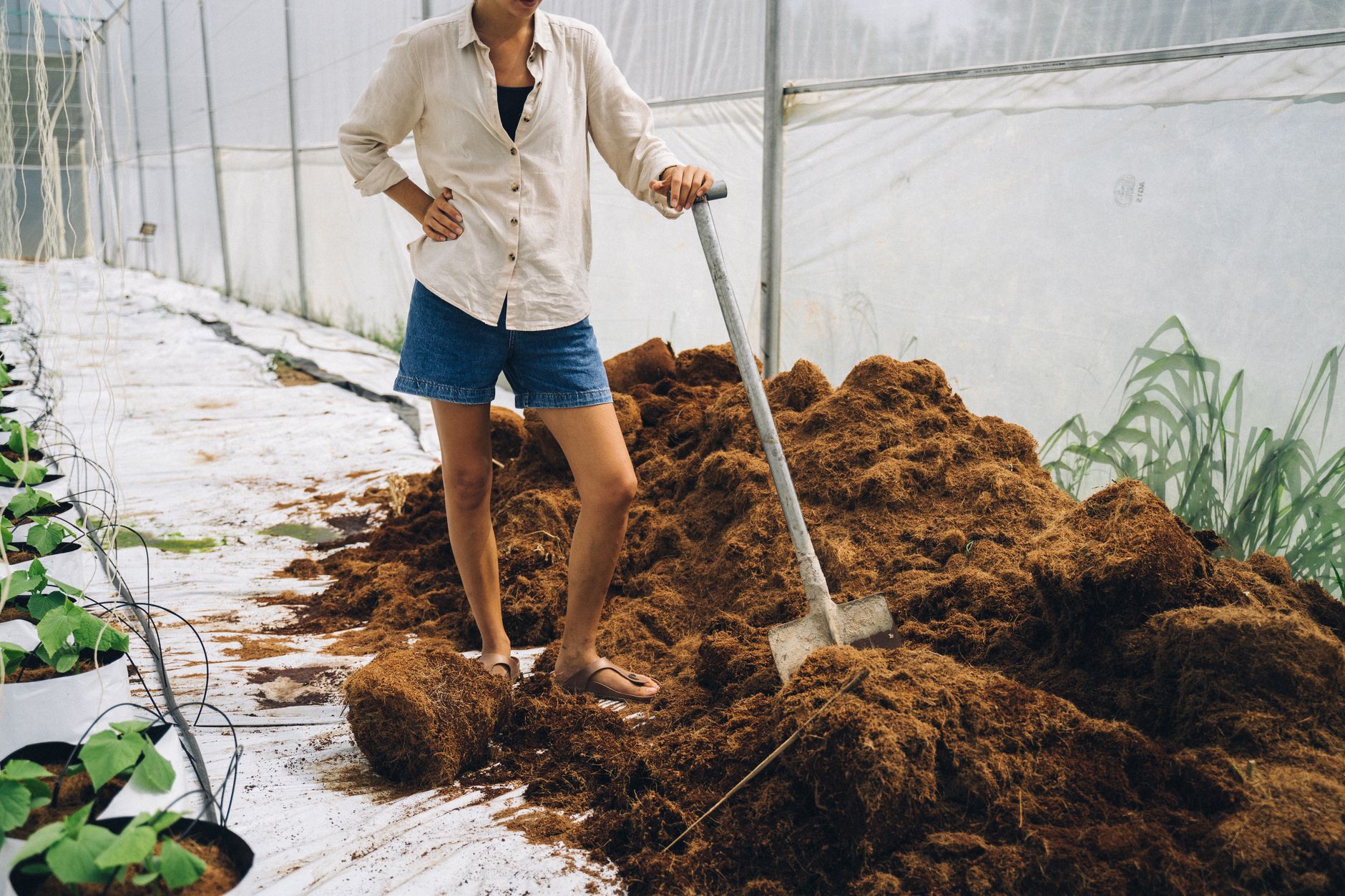
Coffee grounds count as a nitrogen-rich 'green' material in composting terms, despite their brown color, since composting classification is based on nutrient content rather than visual appearance.
Balance coffee grounds with carbon-rich 'brown' materials like dried leaves, shredded cardboard, or straw, aiming for coffee grounds to make up no more than about 20-25% of your total compost pile volume for the best decomposition balance.
Coffee filters, if unbleached paper, can be composted right alongside the grounds themselves, adding a small amount of additional carbon material without needing separate disposal.
Mix coffee grounds into the compost pile rather than adding them in thick, isolated clumps, which helps ensure even decomposition and prevents the grounds from matting together into a dense, slow-to-break-down mass.
Well-composted coffee grounds contribute genuinely valuable organic matter and nutrients to the finished compost, avoiding the potential downsides of applying grounds directly and thickly to garden soil.
Apply Directly to Soil in Thin Layers Only

If applying coffee grounds directly to soil rather than composting first, use only a thin layer, no more than about a quarter inch, since thick layers can mat together when they dry, forming a barrier that repels water rather than absorbing it.
Work the thin layer into the top few inches of soil rather than leaving it sitting on the surface, which helps it integrate properly and begin contributing organic matter without the matting issue thick surface layers can cause.
Avoid applying coffee grounds directly around very young seedlings, since concentrated grounds in direct root contact can occasionally inhibit germination or early growth, an effect not fully understood but observed in some gardening experience and limited research.
Spread applications out over time rather than dumping a large quantity all at once, allowing the soil's microbial community to gradually process the added organic matter without becoming overwhelmed.
Composting coffee grounds before application generally remains the more reliable, lower-risk approach compared to frequent direct soil application, since the composting process itself addresses potential issues like matting and concentrated caffeine content.
Use as a Mulch Component with Caution

Pure coffee grounds alone don't make an ideal standalone mulch, since they're prone to the same matting and water-repelling issue that affects thick direct soil application, actually working against mulch's typical moisture-retention purpose.
Mix coffee grounds with other mulch materials like shredded leaves, straw, or wood chips rather than using grounds exclusively, which prevents the matting problem while still incorporating their organic matter contribution.
A thin layer of coffee grounds beneath a more substantial layer of traditional mulch material can work reasonably well, combining the benefits of both without the drawbacks of relying on coffee grounds alone.
Monitor soil moisture more closely if experimenting with coffee grounds as part of your mulch strategy, watching for any signs that water isn't penetrating properly, which would indicate the matting issue is occurring despite your mixing efforts.
For straightforward, reliable mulching, standard materials like straw, wood chips, or shredded leaves remain more consistently effective than incorporating significant coffee ground quantities into your mulch layer.
Deter Some Pests While Being Realistic About Limits

Some gardeners report that coffee grounds help deter slugs and snails, theorized to be due to caffeine content or the grounds' abrasive texture, though scientific evidence for this effect is genuinely mixed and inconsistent rather than strongly conclusive.
If experimenting with coffee grounds for pest deterrence, apply them as a border around vulnerable plants rather than expecting comprehensive protection, and combine with other proven slug and snail control methods for more reliable results.
Claims about coffee grounds deterring cats from garden beds are similarly anecdotal rather than consistently proven, and dedicated cat deterrent products or physical barriers tend to offer more reliable results if this is a specific concern.
Ants are sometimes claimed to avoid coffee grounds, though again, this effect is inconsistent across different reports and shouldn't be relied upon as a primary ant control strategy for a genuine infestation.
Treat any pest-deterrent benefits from coffee grounds as a modest, possible bonus rather than a reliable primary strategy, using established, better-evidenced pest control methods as your main approach for any significant garden pest problem.
Source and Collect Coffee Grounds Sustainably

Many coffee shops, including major chains, offer free used coffee grounds to customers who ask, often bagged specifically for gardening purposes, providing a much larger quantity than a typical household generates on its own.
Collect grounds regularly rather than letting large quantities accumulate and potentially develop mold before you're ready to use them, since moist organic material sitting for extended periods can develop unwanted fungal growth.
Store collected grounds in a breathable container rather than a fully sealed airtight one if you're not composting them immediately, which helps prevent moisture buildup and associated mold issues.
Combine grounds from multiple sources if collecting regularly, mixing fresh batches into your compost pile or garden application promptly rather than storing large quantities for extended periods.
Consider your own coffee consumption alongside any collected grounds, since combining both sources into a consistent, ongoing composting routine makes the most practical use of this genuinely valuable organic material.
Match Coffee Ground Use to Specific Garden Applications

Worm composting bins genuinely benefit from small amounts of coffee grounds, since worms readily consume them and the grit-like texture can even aid their digestion, making this a popular addition to vermicomposting systems specifically.
Houseplants can receive occasional small amounts of well-composted coffee grounds mixed into potting soil, though fresh, uncomposted grounds should be used sparingly in containers given their more confined, less forgiving growing environment.
Acid-loving houseplants sometimes receive coffee grounds hoping for pH benefits, though as with garden soil, the effect is genuinely modest rather than dramatic, so don't expect significant pH change from this practice alone.
For seed starting specifically, avoid coffee grounds in the germination mix itself, reserving their use for established plants and general soil amendment rather than the more sensitive seed-starting stage.
Common problems and fixes
| Problem | Likely cause | What to do |
|---|---|---|
| Water pools on soil surface rather than absorbing after coffee ground application | Thick coffee ground layer matting together and repelling water. | Break up and work the matted layer into the soil, and use only thin layers in future applications. |
| Coffee grounds develop mold before use | Grounds stored in a sealed, airtight container without adequate airflow. | Store in a breathable container and use or compost grounds promptly rather than letting them accumulate for extended periods. |
Gardener's checklist
Test what you learned
How acidic are used coffee grounds typically?
Answer: Mildly acidic to near-neutral (pH 6.5-6.8)
What compost category do coffee grounds fall into?
Answer: Nitrogen-rich green material
Why should coffee grounds be applied only in thin layers when used directly on soil?
Answer: Thick layers can mat together and repel water
Common questions
Do coffee grounds lower soil pH significantly?
No, this is a common myth; used coffee grounds are only mildly acidic to near-neutral (pH 6.5-6.8), so they won't meaningfully lower soil pH for acid-loving plants. Dedicated acidifying amendments like elemental sulfur work much better for that specific purpose.
Can I put coffee grounds directly around my plants?
Yes, but only in thin layers (about 1/4 inch), worked into the soil rather than left as a thick surface layer, which can mat together and repel water rather than benefiting the plant.
Do coffee grounds keep pests away?
Evidence is mixed and inconsistent for claims about deterring slugs, cats, or ants; treat any pest-deterrent effect as a possible modest bonus rather than a reliable primary pest control strategy.
Are coffee filters safe to compost along with the grounds?
Yes, unbleached paper coffee filters can be composted alongside the grounds themselves, adding a small amount of additional carbon material without requiring separate disposal.
Can I use coffee grounds from decaf coffee too?
Yes, decaf coffee grounds work just as well for composting and soil application purposes, since the composting and organic matter benefits don't depend on caffeine content specifically.
Do coffee grounds attract fruit flies or other pests to compost?
Fresh, wet grounds can occasionally attract fruit flies if left exposed, similar to other moist organic compost materials; mixing them into the pile promptly rather than leaving them on the surface helps minimize this issue.
Coffee grounds offer genuine value in the garden, particularly through composting, but separating fact from popular myth, especially regarding pH and pest control, helps you use this readily available material effectively rather than expecting results it can't actually deliver.
Frequently asked questions
How often should a vegetable garden be watered?
Frequency depends on weather, soil and plant size. Check the soil rather than watering on a rigid schedule.
Is compost enough fertilizer?
Compost improves soil and provides nutrients slowly. Heavy-feeding crops may still need additional feeding.

The Sproutstead Editorial Team
We create clear, practical gardening and homesteading guides designed for real homes and beginner growers.
View author profile →

