
Fish emulsion is a liquid organic fertilizer made from processed fish byproducts, providing a relatively balanced N-P-K ratio along with trace minerals, typically diluted at 1-2 tablespoons per gallon of water. It works gently and quickly on a wide range of plants including vegetables, houseplants, and seedlings, making it one of the most versatile organic liquid fertilizers, though its distinctive fishy odor requires some consideration for application timing and location.
What you will need
Understand Fish Emulsion's Balanced Nutrient Profile
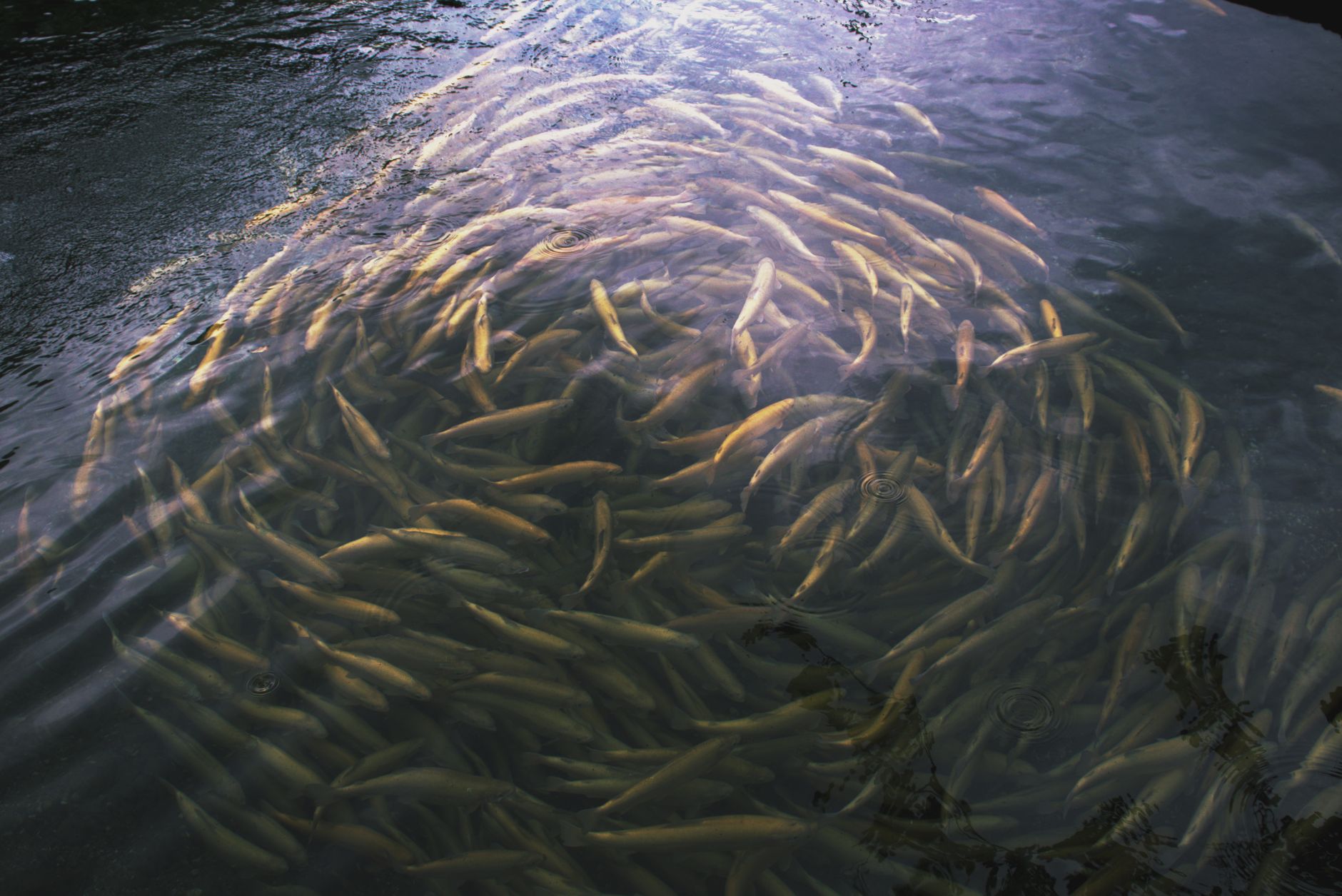
Fish emulsion is made from processed fish byproducts, typically from fish processing industry waste, providing a relatively balanced blend of nitrogen, phosphorus, and potassium along with numerous trace minerals and micronutrients.
Common N-P-K ratios for fish emulsion products are around 5-1-1, nitrogen-forward but still containing meaningful phosphorus and potassium, unlike more narrowly focused amendments like blood meal (nitrogen-heavy) or bone meal (phosphorus-heavy).
This balanced profile, combined with numerous trace minerals from the original fish material, makes fish emulsion a genuinely versatile, general-purpose organic fertilizer suitable for a wide range of plants rather than a narrowly targeted amendment for specific deficiencies.
Fish emulsion tends to act relatively quickly for an organic fertilizer, since it's already in liquid form and readily available to plant roots once diluted and applied, unlike solid amendments that need to break down first.
Different fish emulsion products vary somewhat in exact nutrient ratio and concentration, so checking your specific product's label provides more precise guidance than relying solely on general averages.
Dilute According to Package Directions

Standard dilution for most fish emulsion products is approximately 1-2 tablespoons per gallon of water, though always check your specific product's label, since concentration varies between different brands and formulations.
Mix thoroughly until the fish emulsion is fully incorporated into the water, since undissolved concentrate can create locally over-strong areas that might stress plant roots upon application.
Avoid the temptation to use a stronger concentration than recommended, thinking this will boost results faster, since over-concentrated fish emulsion can actually burn roots or foliage rather than providing extra benefit.
For seedlings and young, tender plants, consider diluting even further than standard strength, roughly half the normal concentration, since young plants are generally more sensitive to fertilizer strength than established ones.
Prepare only the amount you'll use in a single application session, since diluted fish emulsion doesn't store particularly well and is best used relatively promptly after mixing.
Apply as a Soil Drench or Foliar Spray

For a soil drench, water diluted fish emulsion directly at the base of plants, allowing it to soak into the root zone, similar to regular watering but with the added nutrient benefit.
For foliar application, spray diluted fish emulsion directly onto leaf surfaces, which allows for relatively quick nutrient absorption through the foliage, useful when a faster response is desired.
Apply in the early morning or evening rather than during hot, sunny midday conditions, particularly for foliar application, since wet leaves in direct intense sun can occasionally develop leaf scorch.
Water plants normally before applying fish emulsion as a soil drench if the soil is very dry, since applying concentrated fertilizer to parched soil can be harsher on roots than applying to already-moist soil.
Choose foliar application for a quicker nutrient boost during active growth or minor deficiency correction, and soil drench application for more general, routine feeding as part of your regular fertilizing schedule.
Use Regularly During the Growing Season

Apply fish emulsion every 2-4 weeks during the active growing season for most vegetables and ornamental plants, providing a steady, gentle nutrient supply throughout their development.
For seedlings, begin light applications once true leaves appear (not immediately after germination), using a more diluted strength initially and gradually moving toward standard concentration as plants mature.
Houseplants benefit from fish emulsion applied every 4-6 weeks during their active growing season (typically spring through summer), with reduced or paused application during winter dormancy when growth naturally slows.
Container plants generally benefit from slightly more frequent fish emulsion application than in-ground plantings, since the more frequent watering containers need also washes nutrients out faster than less-frequently-watered garden beds.
Adjust frequency based on your specific plants' response, watching for healthy, steady growth as your guide rather than following a completely rigid schedule regardless of how plants are actually responding.
Manage the Distinctive Fishy Odor

Fish emulsion has a distinctive, noticeable fishy odor, particularly right after application, which some gardeners find quite off-putting, especially for houseplants or in outdoor spaces close to living areas.
Apply outdoor fish emulsion treatments when you won't be spending extended time in the immediate area shortly afterward, since the smell, while temporary, is genuinely noticeable for the first day or so after application.
For houseplants specifically, consider applying fish emulsion outdoors if weather allows, bringing plants back inside once the initial strong odor has dissipated, or choose a deodorized fish emulsion product if available, which reduces but doesn't fully eliminate the smell.
The odor typically fades within a day or two outdoors as the emulsion is absorbed into the soil and diluted by any subsequent watering or rainfall, making this a temporary rather than lasting concern.
If the smell is a significant deterrent for your specific situation, consider alternative organic fertilizers like compost tea or a milder liquid seaweed fertilizer, which offer some similar benefits with less pronounced odor.
Choose Fish Emulsion for the Right Plants

Vegetable gardens broadly benefit from fish emulsion's balanced nutrient profile, supporting healthy growth across leafy greens, fruiting vegetables, and root crops alike, without the narrow focus of amendments like bone meal or blood meal.
Seedlings and young transplants respond well to fish emulsion's gentle strength when properly diluted, providing a mild nutrient boost that supports establishment without the risk of burning delicate young roots.
Houseplants generally appreciate fish emulsion's balanced feeding during their active growing season, making it a reasonable general-purpose choice for indoor plant care beyond just outdoor garden use.
Roses and flowering perennials often respond well to fish emulsion, supporting both healthy foliage and good flowering performance through its balanced nutrient contribution.
For any plant with very specific, narrow nutrient needs (such as a confirmed severe deficiency in just one specific nutrient), a more targeted amendment may address that particular issue more directly than fish emulsion's broader, general-purpose profile.
Store Fish Emulsion Properly

Store unopened fish emulsion concentrate in a cool location away from direct sunlight, following any specific temperature guidance on the product label, since extreme heat can affect its quality over time.
Once opened, seal the container tightly between uses, since fish emulsion can develop an even stronger odor if left exposed to air for extended periods.
Check for any unusual changes in color or an off odor beyond the normal fishy smell before using older, previously opened concentrate, since these could indicate the product has degraded.
Keep fish emulsion concentrate away from children and pets, similar to any garden product, storing it in its original labeled container rather than transferring to an unmarked container that could cause confusion.
Common problems and fixes
| Problem | Likely cause | What to do |
|---|---|---|
| Plants show signs of stress after fish emulsion application | Concentration too strong, or application to already-stressed or very dry plants. | Dilute further in future applications, and water plants normally before applying if soil is particularly dry. |
| Odor lingers longer than expected | Application in a poorly ventilated area, or unusually warm, still weather conditions. | Water the treated area again to help the emulsion settle into soil faster, which typically helps dissipate the smell more quickly. |
Gardener's checklist
Test what you learned
What is a typical N-P-K ratio for fish emulsion?
Answer: 5-1-1 or similar
What is the standard dilution rate for most fish emulsion products?
Answer: 1-2 tablespoons per gallon
What is a notable practical consideration when using fish emulsion?
Answer: It has a distinctive fishy odor that requires some application timing consideration
Common questions
Is fish emulsion good for all types of plants?
Yes, its balanced nutrient profile makes it genuinely versatile for vegetables, seedlings, houseplants, and flowering plants, though plants with very specific single-nutrient deficiencies might benefit more from a targeted amendment addressing that particular issue.
How do I get rid of the fish emulsion smell?
The odor is temporary and typically fades within a day or two outdoors; watering the treated area again can help it dissipate faster, or you can apply outdoors and bring container plants back inside once the initial smell has faded.
Can I use fish emulsion on seedlings?
Yes, though dilute it further than standard strength, since young seedlings are more sensitive to fertilizer concentration than established plants, gradually moving toward full strength as they mature.
How often should I apply fish emulsion?
Every 2-4 weeks during the active growing season works well for most plants, adjusting frequency based on how your specific plants respond and whether they're actively growing or in a slower period.
Can fish emulsion be combined with other fertilizers?
Yes, fish emulsion works well alongside other organic amendments like compost or targeted supplements such as bone meal, since its balanced but relatively mild nutrient profile doesn't typically conflict with complementary feeding approaches.
Is fish emulsion safe for edible plants close to harvest?
Yes, fish emulsion is commonly used on edible vegetables throughout the growing season, though following label guidance on any specific pre-harvest interval recommendations for your particular product is a reasonable precaution.
Fish emulsion earns its reputation as a genuinely versatile, gentle organic fertilizer suited to nearly any plant in your garden, and understanding the proper dilution and managing its temporary odor lets you take full advantage of its balanced nutrient benefits.
Frequently asked questions
How often should a vegetable garden be watered?
Frequency depends on weather, soil and plant size. Check the soil rather than watering on a rigid schedule.
Is compost enough fertilizer?
Compost improves soil and provides nutrients slowly. Heavy-feeding crops may still need additional feeding.

The Sproutstead Editorial Team
We create clear, practical gardening and homesteading guides designed for real homes and beginner growers.
View author profile →

