
The best vegetable garden soil is loam, a balanced mix of sand, silt, and clay particles that drains well while retaining adequate moisture and nutrients, with a pH of 6.0-7.0 and generous organic matter content from compost. Few gardeners start with naturally perfect loam, so most improve their existing soil (whether sandy, clay-heavy, or otherwise) through consistent organic matter addition and appropriate amendments based on soil testing.
What you will need
Understand What Makes Loam the Ideal Soil Type
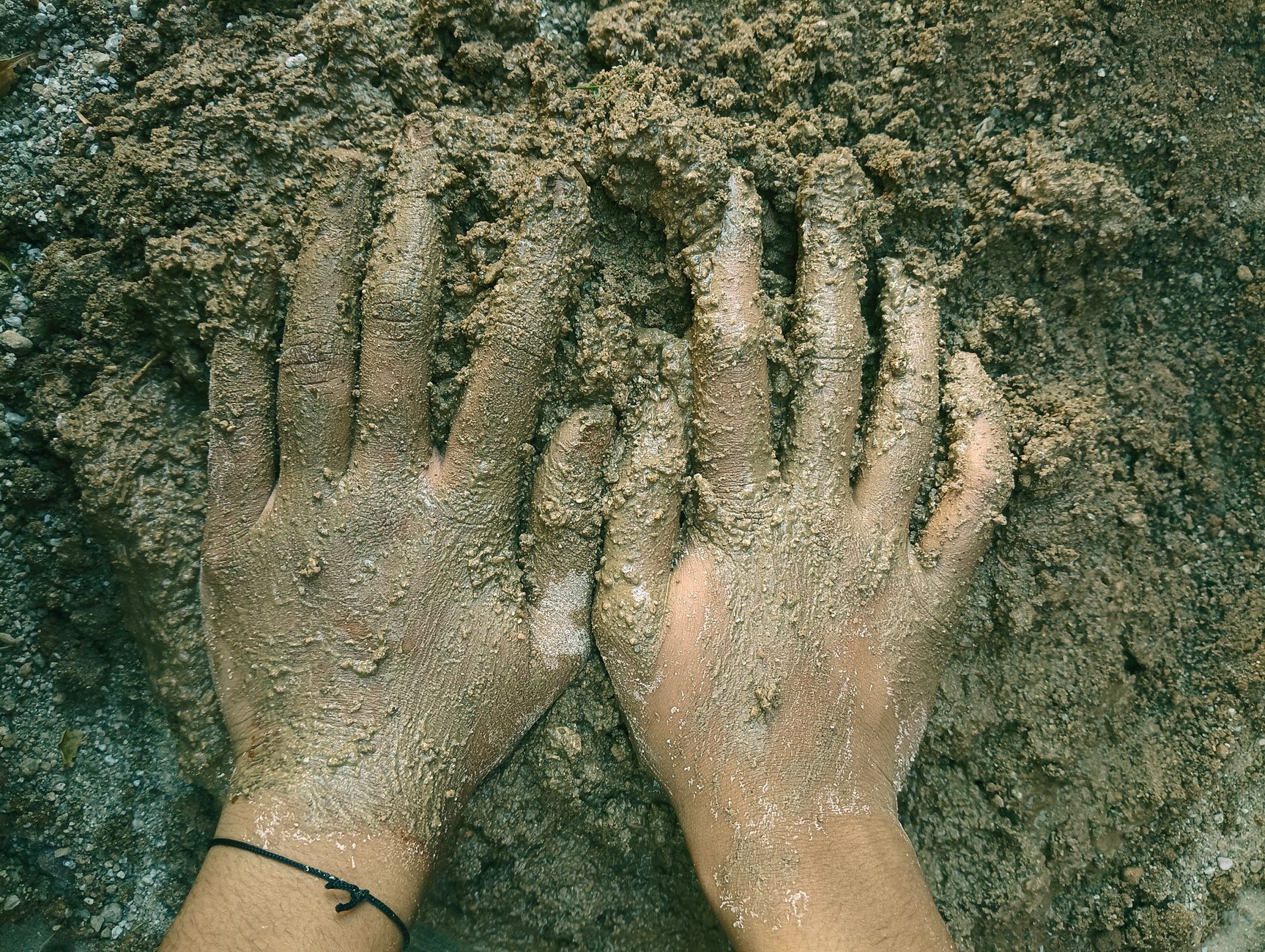
Loam is soil containing a balanced mix of sand, silt, and clay particles, typically in roughly equal proportions, which combines the drainage benefits of sand with the moisture and nutrient-holding capacity of clay and silt.
This balance means loam neither drains too quickly (losing water and nutrients before plants can use them) nor holds water so tightly that roots become waterlogged and oxygen-deprived, the two extremes that pure sandy or pure clay soil respectively tend toward.
Genuinely naturally occurring loam is relatively uncommon in most home garden settings, meaning the majority of gardeners work with soil leaning toward either sandy or clay-heavy characteristics rather than starting with ideal loam.
The good news is that loam-like characteristics can be built over time in almost any starting soil type through consistent organic matter addition, regardless of whether you began with heavy clay, loose sand, or something in between.
Rather than viewing loam as an unattainable ideal, think of it as a genuine, achievable target that consistent soil improvement practices can move your garden meaningfully toward over multiple growing seasons.
Identify Your Existing Soil Type

Perform a simple jar test by filling a clear jar about one-third with soil, adding water to nearly fill it, shaking thoroughly, then letting it settle for 24 hours; sand settles first at the bottom, silt in the middle, and clay on top, revealing your soil's rough composition by layer thickness.
Sandy soil feels gritty and doesn't hold together when squeezed while moist, draining very quickly and often struggling to retain adequate moisture and nutrients for plant roots.
Clay soil feels sticky and forms a solid ball when squeezed while moist, draining slowly and prone to compaction, though it typically holds nutrients well once plants can actually establish roots in it.
Silty soil feels smooth, almost slippery, falling somewhere between sand and clay in its drainage and structure characteristics, often reasonably fertile but still benefiting from organic matter addition.
Understanding which category your soil leans toward, rather than assuming it's already ideal loam, helps you choose the most appropriate, targeted amendment strategy for your specific starting conditions.
Improve Sandy Soil
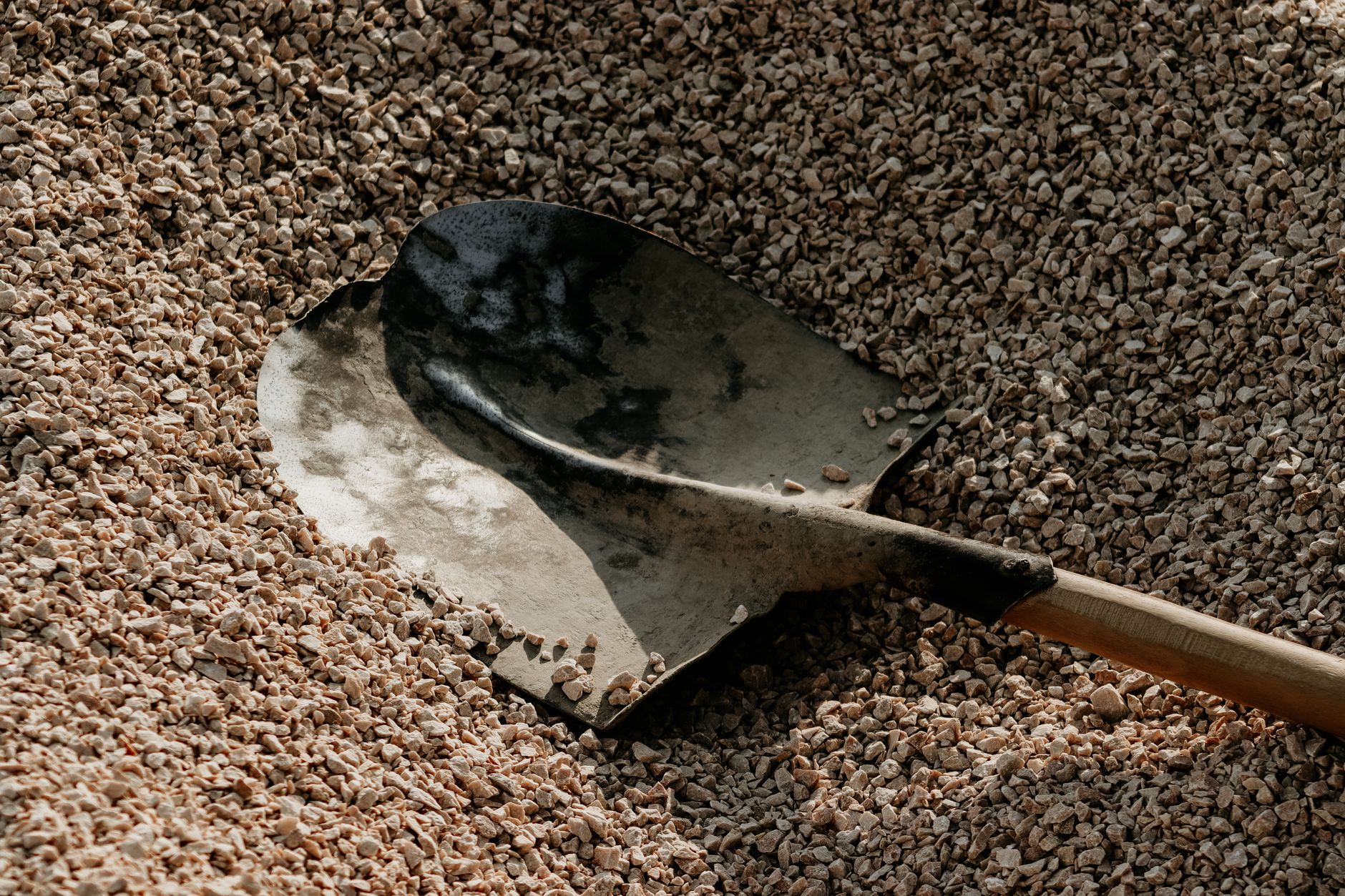
Sandy soil's large particles create big gaps that water and nutrients drain through quickly, meaning the primary improvement goal is adding organic matter that can fill these gaps and improve water and nutrient retention.
Work generous amounts of compost into sandy soil, more liberally than you might for other soil types, since sandy soil's poor natural retention means it benefits particularly strongly from this organic matter addition.
Mulching sandy garden beds helps reduce the rapid moisture loss characteristic of this soil type, complementing the underlying compost improvement with surface-level moisture conservation.
Consider more frequent, lighter watering and fertilizing for sandy soil gardens, since nutrients and moisture both wash through more quickly than in soil with better retention characteristics.
Cover cropping during off-seasons can also help build organic matter in sandy soil over time, adding another sustainable improvement technique alongside direct compost application.
Improve Clay Soil
Clay soil's tiny, tightly packed particles create poor drainage and limited oxygen availability for roots, meaning the primary improvement goal is opening up the soil structure to improve both drainage and aeration.
Work generous compost into clay soil, which helps separate the tightly bound clay particles over time, gradually improving both drainage and workability as organic matter accumulates through repeated seasons of amendment.
Avoid working clay soil when it's very wet, since this can compact it further and worsen existing structure problems; wait until it's moist but crumbly rather than sticky and waterlogged before digging or tilling.
Consider raised beds specifically for particularly challenging clay soil, since building up rather than working extensively with the difficult existing clay allows you to fill with better-structured soil from the start.
Avoid adding sand to clay soil hoping to improve drainage, a common but often counterproductive practice, since sand combined with clay can actually create a cement-like, even more compacted result rather than the intended improvement.
Build Fertility Regardless of Starting Soil Type
Add fresh compost annually, ideally each spring before planting, which continuously builds organic matter and supports the beneficial soil biology that underlies genuinely healthy, productive garden soil regardless of your soil's original texture.
Practice crop rotation, avoiding planting the same crop family in the same location repeatedly, which helps prevent nutrient depletion patterns specific to certain plant families and reduces pest and disease buildup.
Consider cover cropping between main growing seasons, which both adds organic matter and, for legume cover crops specifically, contributes nitrogen through their natural nitrogen-fixing bacterial relationship.
Minimize soil compaction from foot traffic and heavy equipment, since compacted soil, regardless of its original texture, struggles to support the same root development and beneficial biological activity as loose, well-structured soil.
Test soil periodically (every 2-3 years) to track your improvement progress and confirm your amendment strategy is genuinely moving your soil in the intended direction over time.
Consider Raised Beds for a Faster Path to Ideal Soil
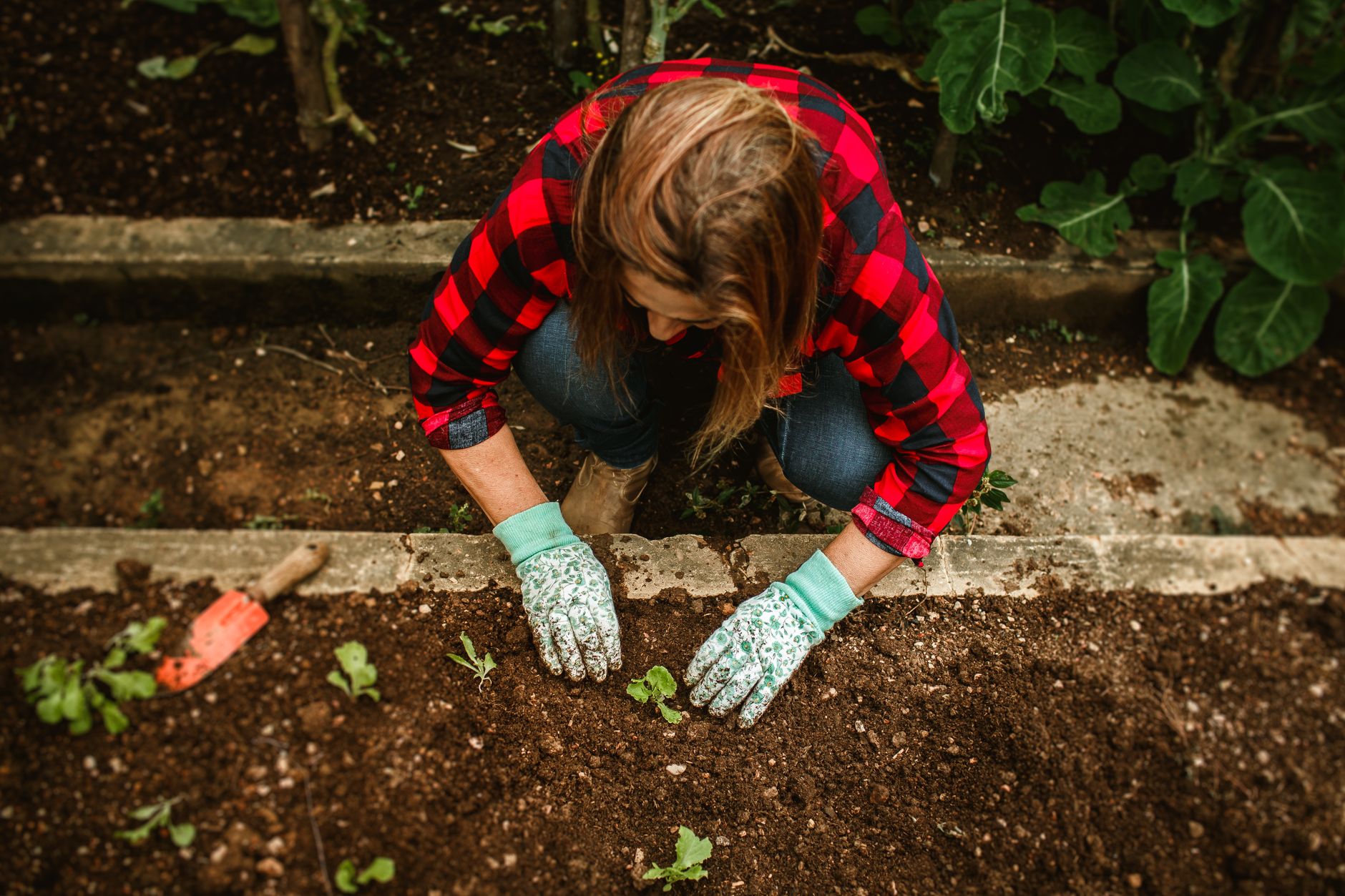
For gardeners with particularly difficult starting soil, whether extremely heavy clay, contaminated urban soil, or very poor rocky ground, raised beds allow you to fill with a purpose-built soil blend rather than spending multiple seasons improving difficult native conditions.
A standard raised bed soil blend of roughly 60% quality topsoil, 30% compost, and 10% aeration material approximates the beneficial characteristics of ideal loam without needing to work with your yard's actual existing soil.
This approach involves more upfront cost and effort than gradually improving in-ground soil, but provides immediate access to good growing conditions rather than the multiple seasons typically needed for meaningful native soil improvement.
Raised beds also offer practical benefits beyond just soil quality, including better drainage control, reduced weed pressure from surrounding areas, and often easier physical access for gardeners with mobility considerations.
Consider a hybrid approach, using raised beds for your primary vegetable growing while also working to gradually improve your yard's native soil for other purposes, giving you both immediate good growing conditions and longer-term overall property improvement.
Match Soil Considerations to Specific Crop Types
Root vegetables like carrots and parsnips need genuinely loose, stone-free soil to develop straight, well-formed roots, making texture quality especially important for these specific crops beyond general fertility concerns.
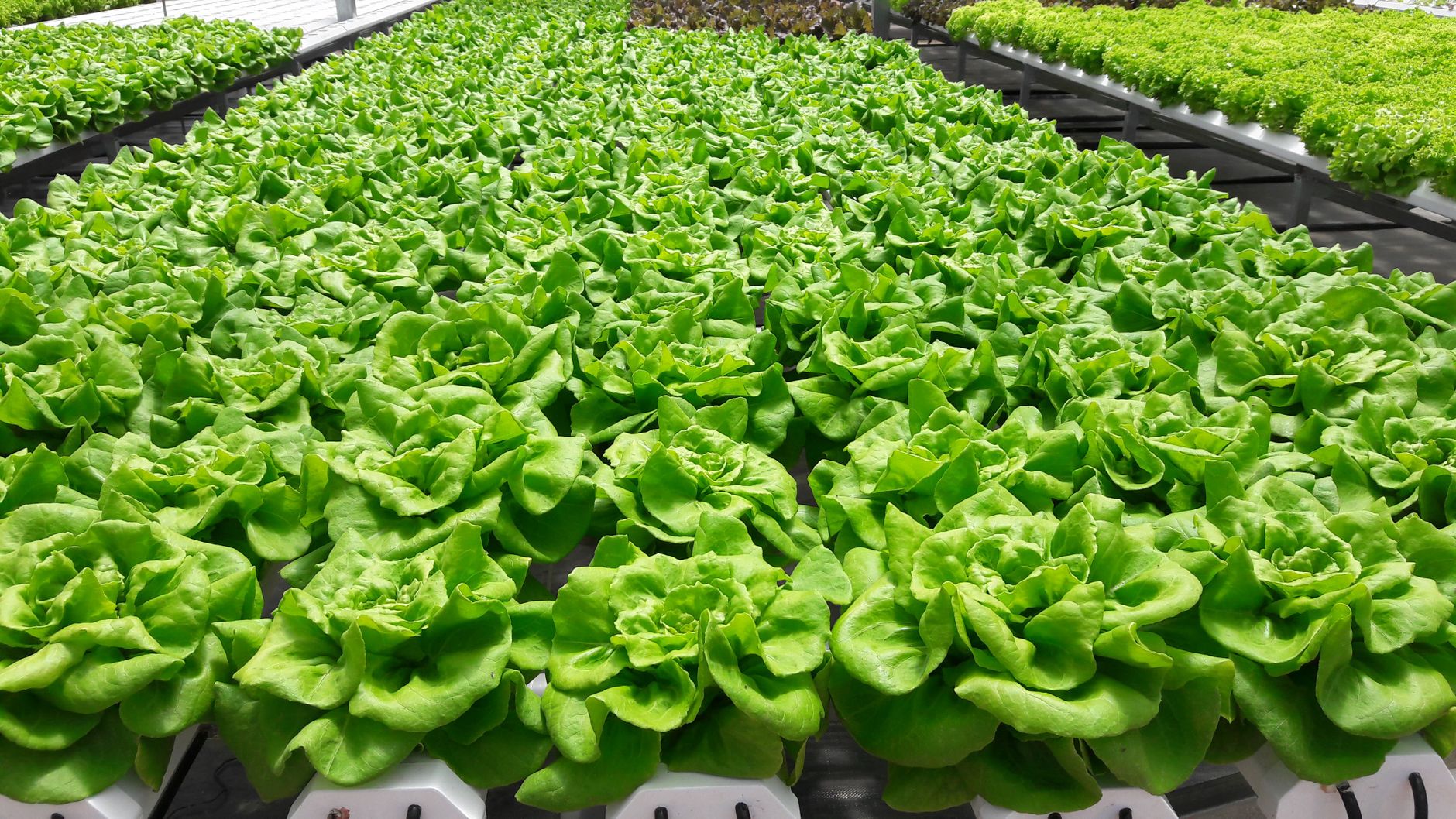
Leafy greens are somewhat more forgiving of imperfect soil texture, since their shallow root systems don't require the same depth of excellent structure that deep-rooted crops need.
Heavy feeders like tomatoes, corn, and squash benefit most directly from rich, well-amended soil with generous organic matter, since their substantial nutritional needs are more directly limited by soil fertility than lighter-feeding crops.
Consider dedicating your best-improved soil areas specifically to the crops that benefit most from ideal conditions, while less demanding crops can succeed in areas still undergoing gradual improvement.
Common problems and fixes
| Problem | Likely cause | What to do |
|---|---|---|
| Soil remains poorly draining despite adding compost | Insufficient organic matter quantity for genuinely heavy clay, or compaction from working the soil at the wrong moisture level. | Continue adding compost consistently over multiple seasons, and avoid working the soil when overly wet, or consider raised beds as an alternative. |
| Plants struggle despite soil that tests as adequate loam | Other factors like inadequate sunlight, watering issues, or pest and disease problems may be the actual limiting factor. | Investigate other potential causes beyond soil texture specifically, since good soil structure alone doesn't guarantee plant success if other conditions aren't also met. |
Gardener's checklist
Test what you learned
What is loam?
Answer: A balanced mix of sand, silt, and clay particles
Why should sand not be added to clay soil to improve drainage?
Answer: Sand combined with clay can create a cement-like, more compacted result
What is a faster alternative to gradually improving difficult native soil?
Answer: Raised beds filled with a purpose-built soil blend
Common questions
Do I need perfect loam soil to grow vegetables successfully?
No, while loam is the ideal target, many gardeners successfully grow vegetables in improved sandy or clay soil through consistent organic matter addition, and raised beds offer another path to good growing conditions regardless of native soil quality.
How long does it take to improve poor garden soil?
Meaningful structural improvement typically takes multiple growing seasons of consistent compost addition and other soil-building practices, though you can often see some improvement within the first year or two of dedicated effort.
What's the difference between improving sandy and clay soil?
Both benefit significantly from added organic matter, but sandy soil primarily needs help with water and nutrient retention, while clay soil primarily needs help with drainage and aeration, meaning the underlying goal differs even though compost addition helps both.
Is raised bed soil better than improved native soil?
Raised bed soil, when properly blended, often provides immediately better growing conditions than unimproved native soil, though well-improved native soil after multiple seasons of amendment can perform comparably well, with the main difference being upfront cost versus time investment.
Can I mix different soil improvement strategies together?
Yes, many successful gardeners combine approaches, such as using raised beds for their main vegetable growing while also gradually improving surrounding native soil with compost and cover crops for other landscaping purposes.
Does soil color indicate quality?
Generally yes; darker soil typically indicates higher organic matter content, which usually correlates with better fertility and structure, though color alone doesn't tell the complete story, and testing texture, pH, and nutrient levels provides more complete information.
The best vegetable garden soil combines balanced texture, appropriate pH, and generous organic matter, and whether you're working to improve challenging native soil over multiple seasons or building an ideal blend from scratch in raised beds, consistent organic matter addition remains the single most valuable improvement practice available to any gardener.
Frequently asked questions
How often should a vegetable garden be watered?
Frequency depends on weather, soil and plant size. Check the soil rather than watering on a rigid schedule.
Is compost enough fertilizer?
Compost improves soil and provides nutrients slowly. Heavy-feeding crops may still need additional feeding.

The Sproutstead Editorial Team
We create clear, practical gardening and homesteading guides designed for real homes and beginner growers.
View author profile →

